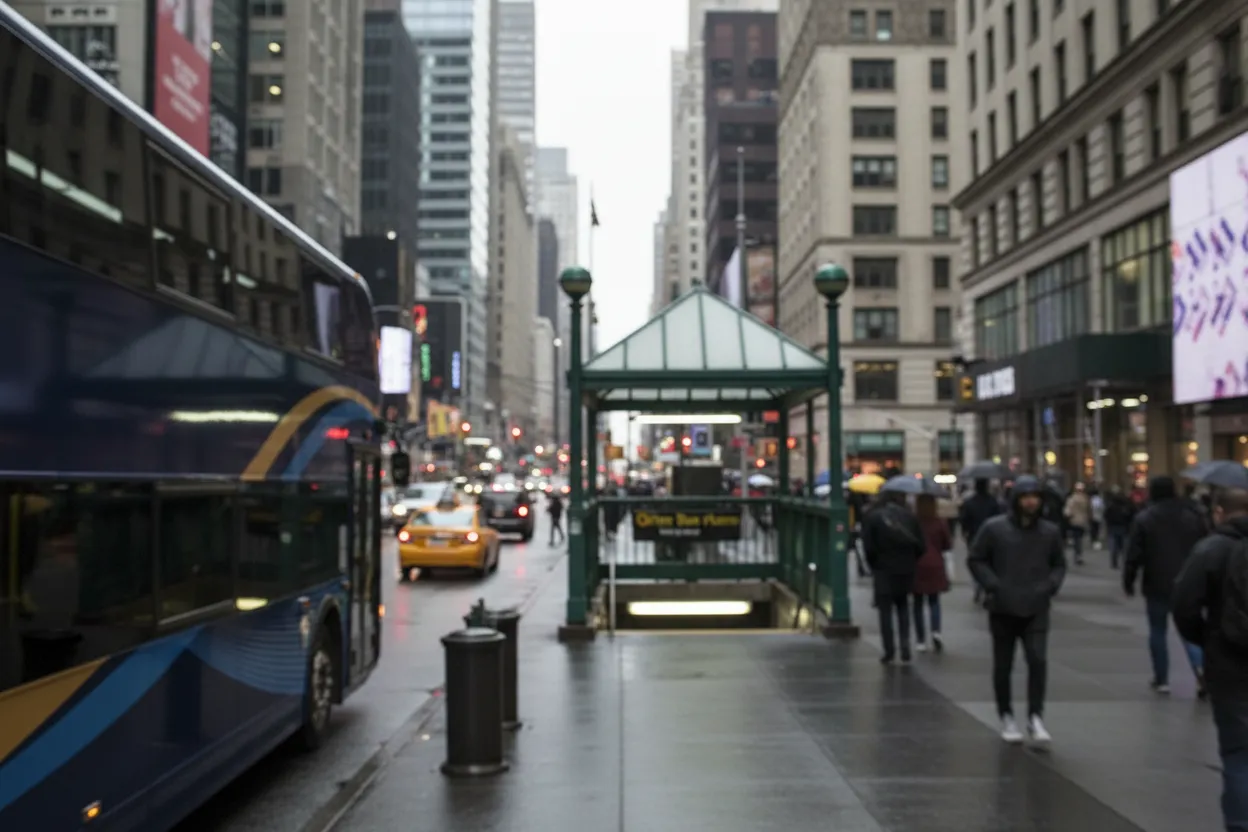
Daily commuters in New York City are about to experience a significant shift in their bus travel. The MTA NYC Transit, in collaboration with the city, is rolling out a comprehensive plan designed to modernize the bus system, addressing long-standing issues of speed and comfort. These upgrades are not merely cosmetic; they represent a concerted effort to integrate new features that directly translate into practical benefits for riders. From redesigned routes to enhanced passenger amenities, the aim is to create a more efficient and enjoyable commuting experience across all five boroughs, recognizing that every minute saved can profoundly impact a New Yorker’s day.
Want to navigate these new bus features with ease and optimize your commute? Text Karpo for personalized guidance on the upgraded NYC bus system.
Prioritizing Speed on Key Corridors
A cornerstone of the bus upgrade plan, titled "Next Stop: Fast Buses, Better Service," involves identifying and improving 50 priority corridors across the five boroughs. These corridors, which currently experience the most significant delays, are targeted for interventions designed to speed up buses by 20%. This initiative aims to shorten commutes by as much as six minutes per ride, a substantial saving for daily travelers.
Specific projects are already underway, such as the completion of double bus lanes on Madison Avenue from East 23rd Street to East 42nd Street, which will benefit 92,000 daily riders. Similarly, upgraded offset bus lanes on Lexington Avenue between East 52nd and East 60th Street are set to improve service for 71,000 daily riders. These dedicated lanes are crucial for preventing buses from getting stuck in general traffic, a common frustration for many commuters.
Introducing Next-Generation Rapid Bus Routes
Beyond general speed improvements, the plan includes the launch of five next-generation rapid bus routes. These routes are designed to offer a more express-like service, with features that could include continuous, bus-only infrastructure like busways or center-running bus lanes, bus-boarding islands with level boarding, and potentially bus-priority signals. The goal is to provide faster, more reliable service on long, straight stretches, particularly in areas without extensive subway coverage.
One of the first of these new rapid bus routes, on Flatbush Avenue in Brooklyn, is anticipated to be completed by 2030, with four others on Utica Avenue (Brooklyn), Northern Boulevard (Queens), a Tremont/Cross-Bronx route, and a route connecting Kensington to Kennedy Airport (Brooklyn/Queens) in the planning stages. These routes signify a commitment to creating an efficient bus network that can rival other forms of transit for speed and convenience.
Enhancing Boarding Efficiency with All-Door Access
A significant operational change that will directly impact every bus rider is the MTA's commitment to phasing in all-door boarding by the end of 2027. This means passengers will be able to enter and exit buses through both the front and back doors, dramatically reducing dwell times at stops. This initiative, following a successful pilot program, is expected to improve overall bus speeds by cutting down the time buses spend stationary while passengers board.
For commuters, all-door boarding translates to a smoother, quicker entry and exit experience, particularly during peak hours. This shift is a direct response to rider feedback and a recognized method for alleviating congestion at bus stops, allowing buses to maintain a more consistent schedule and contribute to the overall goal of faster commutes.
Upgraded Bus Stops and Passenger Amenities
The modernization effort extends beyond the buses themselves to the waiting experience at bus stops. The plan includes installing shelters and seating at hundreds of bus stops across the city. This enhancement provides practical benefits for commuters, offering protection from the elements and a more comfortable wait, especially during inclement weather or longer waits.
These improvements in bus stop infrastructure are part of a broader strategy to make bus travel more accessible and comfortable from the moment a rider approaches the curb. Providing amenities like seating and shelters demonstrates a focus on the entire journey, ensuring that the waiting period is as pleasant as possible.
A Fleet of New Buses for Modern Comfort
As part of its current five-year capital plan, the MTA is committed to purchasing 2,500 new buses. This significant investment in new vehicles means riders can anticipate a more modern and comfortable experience. New buses often feature updated technology, improved accessibility features, and better climate control, enhancing the overall quality of the ride.
The introduction of thousands of new buses is not just about comfort; it also supports the broader goal of improving reliability and reducing breakdowns. A newer fleet generally requires less maintenance and is more efficient, contributing to a more consistent and dependable bus service for New Yorkers.
Improved Bus Lane Enforcement and Maintenance
To ensure that dedicated bus lanes effectively accelerate commutes, the plan emphasizes enhanced enforcement of bus lanes using an expanded automated camera enforcement program. This measure aims to keep bus lanes clear of illegally parked vehicles, which often impede bus flow and negate the purpose of dedicated lanes. Stricter enforcement will help maintain the integrity of these priority corridors.
Beyond enforcement, there is also a focus on improving bus maintenance across the MTA's fleet. This commitment aims to ensure that buses are in optimal working condition, reducing unexpected delays due to mechanical issues. Reliable maintenance is crucial for sustaining the promised improvements in speed and service consistency.
Verifying Your Route and Staying Informed
While these upgrades are designed to enhance your commute, changes to bus routes, schedules, and boarding procedures will roll out progressively. Before embarking on your journey, it is advisable to verify the status of your specific bus route. Official MTA NYC Transit resources, such as their website or real-time tracking apps, are the most reliable sources for up-to-date information on service changes, delays, and the implementation of new features like all-door boarding.
Additionally, for the rapid bus routes and priority corridor improvements, check for specific announcements regarding their operational launch and any temporary impacts on existing routes. These infrastructure projects may involve phased implementations. Staying informed through official channels will help you adapt to the evolving bus network and take full advantage of the improvements as they become available.
Tags: #NYCBus #MTAUpdates #CommuteNYC #BusUpgrades #FasterBuses #NYCTransit #PublicTransport #BusLanes #AllDoorBoarding #RapidBus #NewYorkTransit #CityLife #AskKarpo #BeforeYouGo
Sources consulted: Source 1: nyc.gov · Source 2: nyc.gov · Source 3: nydailynews.com · Source 4: nyc.streetsblog.org · Source 5: metro-magazine.com
All trademarks are the property of their respective owners.
Ask Karpo first
Tell Karpo your date, group size, budget, and starting neighborhood. We’ll check current access, timing, transit, and the cleanest plan for MTA NYC Transit before you head out.