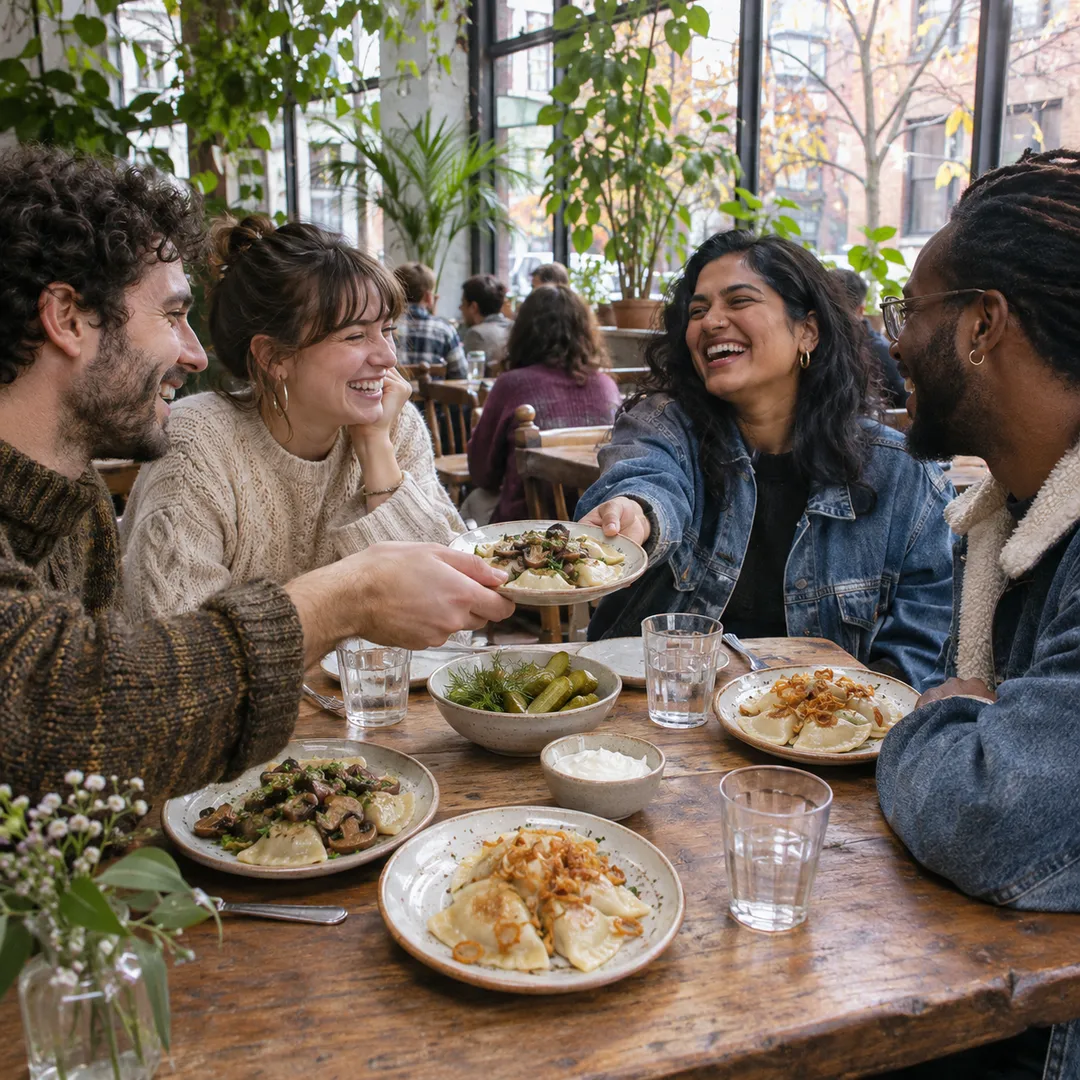
 Williamsburg Pierogi Lunch Spot Picker for Mixed Diets
Restaurants
SoHo Budget Lunch Route Planner: Cast-Iron Walk
Navigate a fast SoHo midday meal circuit from Spring Street to Vesuvio Playground, pairing historic Italian bread counters with quiet cobblestone plazas.
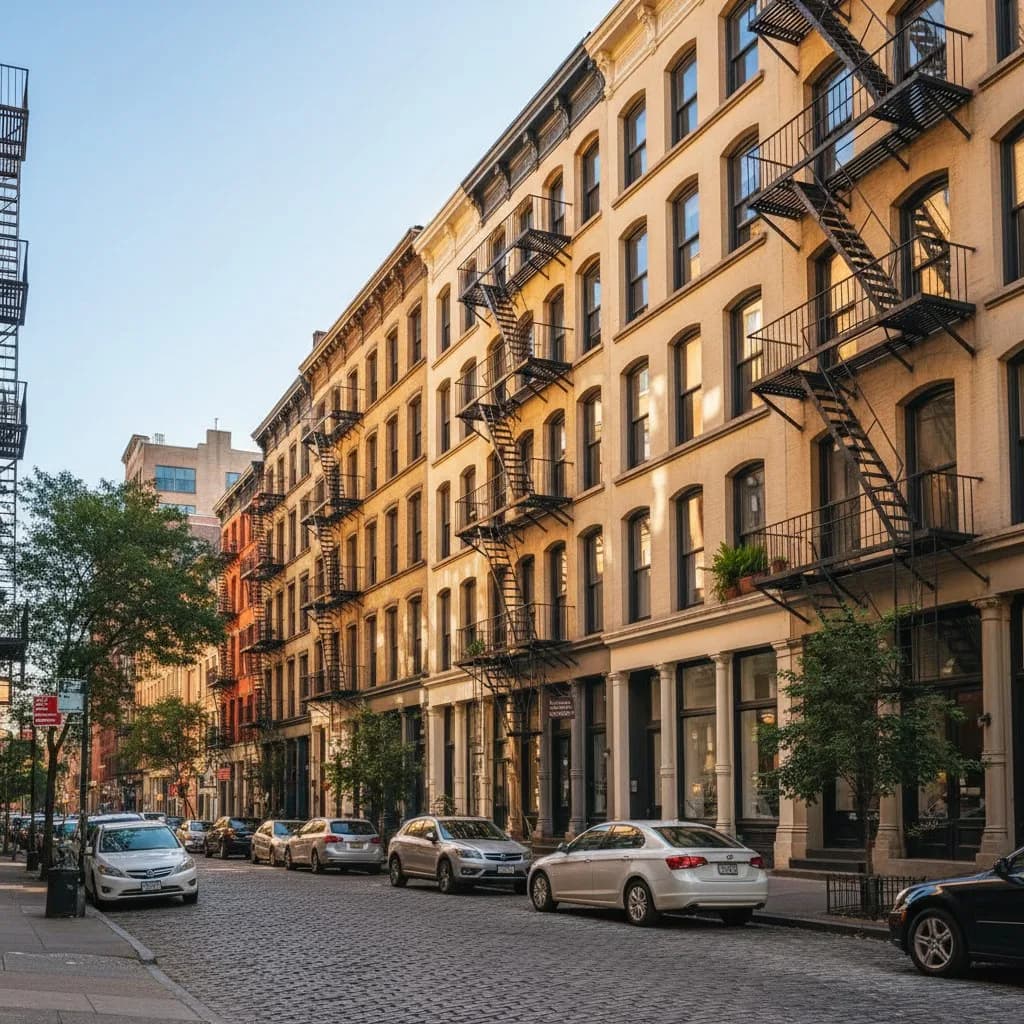
Designated by the New York City Landmarks Preservation Commission in 1973 to protect the world's largest concentration of nineteenth-century cast-iron building facades, SoHo presents a tricky midday paradox for anyone on a tight break: grand architectural lofts filled with luxury fashion showrooms, yet very few obvious affordable sit-down diners. Using a SoHo budget lunch route planner solves that problem by pulling your path two blocks west of Broadway's tourist grid toward the quieter residential cross-streets of Thompson, Sullivan, and MacDougal. By linking old-school Italian bread counters and Sicilian square-slice windows with pocket parks near Spring Street, you can enjoy a quick, freshly made midday meal without paying white-tablecloth gallery prices.
Dodging Broadway Bottlenecks via Greene and Mercer Streets
Anyone who has tried walking along Broadway between Houston and Broome streets at twelve-thirty knows how quickly shoppers and velvet-rope sneaker drops bring foot traffic to a standstill. If you only have forty-five minutes between studio reviews or client calls, the first rule of an efficient SoHo lunch circuit is to treat Broadway purely as a subway exit point. Step off the N, Q, R, W, or 6 train at Prince Street or Spring Street, and immediately cut west onto Mercer Street or Greene Street, where Belgian-block cobblestones and wide vaulted loading bays give pedestrians room to move at a brisk New York pace.
Cruising along Greene Street between Prince and Broome streets also turns the transit walk itself into an architectural highlight. Built largely between 1869 and 1895, these prefabricated iron storefronts were originally designed to mimic French Second Empire and Italianate stone palaces while flooding upper textile workshops with daylight. Walking west along Spring Street toward Wooster and West Broadway before noon lets you pass beneath fluted Corinthian columns and ornate iron cornices while heading straight toward the neighborhood's surviving food counters.
Old-School Italian Lard Bread, Hero Counters, and Crisp Square Slices
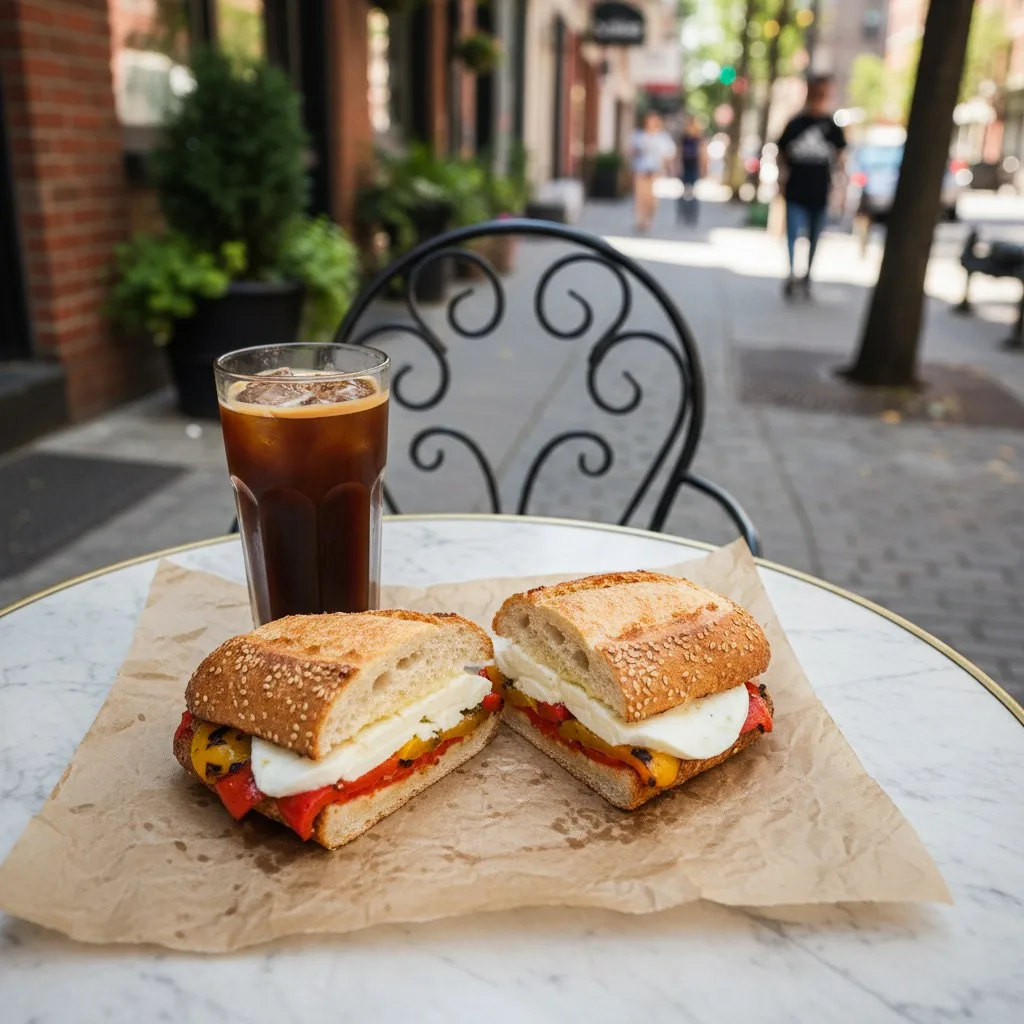
Long before art dealers and loft pioneers moved into the industrial floors above Houston Street in the 1960s and 1970s, the western edge of SoHo functioned as an Italian-American working neighborhood centered around St. Anthony of Padua Church on Sullivan Street. That culinary heritage still powers the smartest budget lunch pickups in the district. Along Sullivan, Thompson, and Prince streets, narrow brick-oven bakeries and family-run salumerias turn out crusty prosciutto-and-mozzarella heroes, warm spinach-and-ricotta rolls, and peppered lard bread rings wrapped in butcher paper.
For walkers starting on the eastern edge of SoHo near Lafayette and Mulberry streets, thick Sicilian square slices topped with charred pepperoni cups and spicy marinara—or warm Vietnamese banh mi baguettes layered with pickled daikon, cilantro, and pâté along Broome Street—deliver high-flavor, portable fuel in minutes. Because these counter operations specialize in over-the-counter slices and wrapped sandwiches rather than table service, the line moves continuously even during the one o'clock surge.
Avoid the high-profile corner brasseries and hotel courtyard bistros along Mercer and Crosby streets when you are on a midday clock and a daily budget. Those tables cater to two-hour industry lunches where a simple club sandwich and sparkling water easily eclipse a full week's takeaway allowance, and host stands rarely seat solo walk-ins promptly between noon and two.
Open-Air Seating at Vesuvio Playground and Petrosino Square
Because SoHo's historic cast-iron district was built for nineteenth-century mercantile warehouses rather than residential squares, green space sits along the neighborhood's east and west perimeters. On the western side at the corner of Thompson and Spring streets, Vesuvio Playground—first opened in 1934 and named by local residents after the historic Vesuvio restaurant and bakery tradition on the block—offers shaded perimeter benches under mature honey locust trees. At midday, gallery preparators in paint-flecked work pants, showroom stylists on twenty-minute breaks, and neighborhood seniors sit side by side unwrapping Italian sandwiches from paper sleeves.
If your route stays east of Broadway near the Spring Street 6 train station, Lt. Joseph Petrosino Square—the triangular paved plaza bounded by Lafayette, Cleveland, and Kenmare streets, renovated in 2009—provides rows of metal-and-wood benches right across from historic brick loft buildings. Local regulars know to claim the northern benches near the bicycle racks, where afternoon sunlight cuts between the mid-rise rooftops and a steady flow of downtown cyclists and architecture students keeps the plaza lively without feeling cramped.
Filtering Midday Options with the Karpo APP
When your workday shifts between different loft buildings on Broadway, Wooster, or Varick Street, using the Karpo APP lets you adapt your midday route in seconds. Rather than walking three avenues out of your way only to find a tiny sandwich shop packed to the curb, you can open the Karpo APP to review neighborhood food clusters, compare quick-pickup bakeries against soup and salad counters, and keep separate east-side and west-side SoHo loops saved for your team.
Organizing stops by walking corridor also helps when a film shoot—a frequent weekday occurrence along Greene and Mercer streets—blocks off a sidewalk with equipment trucks and catering tents. With backup delis and slice counters already mapped along Thompson Street and Sixth Avenue, you can detour around production barricades and still reach a sunny bench at Vesuvio Playground with plenty of time to eat.
Cold-Weather Atriums and Espresso Walk-Up Windows
When winter gusts tunnel down the canyon of West Broadway or sudden afternoon showers slick the cobblestones on Prince Street, outdoor park benches lose their appeal. Smart local walkers pivot one block south of Canal Street or toward the Hudson Square border along Sixth Avenue, where covered pedestrian arcades and public plaza alcoves near Duarte Square offer wind-sheltered seating, or choose narrow counter-stool eateries along Thompson Street that keep a warm window ledge open for five-minute dine-in bites.
Before heading back upstairs to your studio or descending into the Spring Street C and E station, round out your route at one of the small walk-up espresso windows or Italian pastry counters tucked into Sullivan and MacDougal streets. Ordering a quick macchiato or a crisp cannoli piped to order takes less than three minutes and turns an ordinary thirty-minute workday errand into a genuine downtown neighborhood ritual.
Tracing your return path northward along Wooster Street or West Broadway also gives you a quiet ten-minute window to admire the neighborhood's industrial craftsmanship before afternoon deliveries resume. Between Broome and Houston streets, sunlight catches the vaulted glass-block vault lights embedded in the cast-iron loading steps—originally engineered to channel natural daylight down into nineteenth-century basement storage rooms—bringing you back to your workspace refreshed and well ahead of the one-thirty elevator rush.
Ask Karpo for more information.
Keep reading
- Williamsburg Pierogi Lunch Spot Picker for Mixed Diets
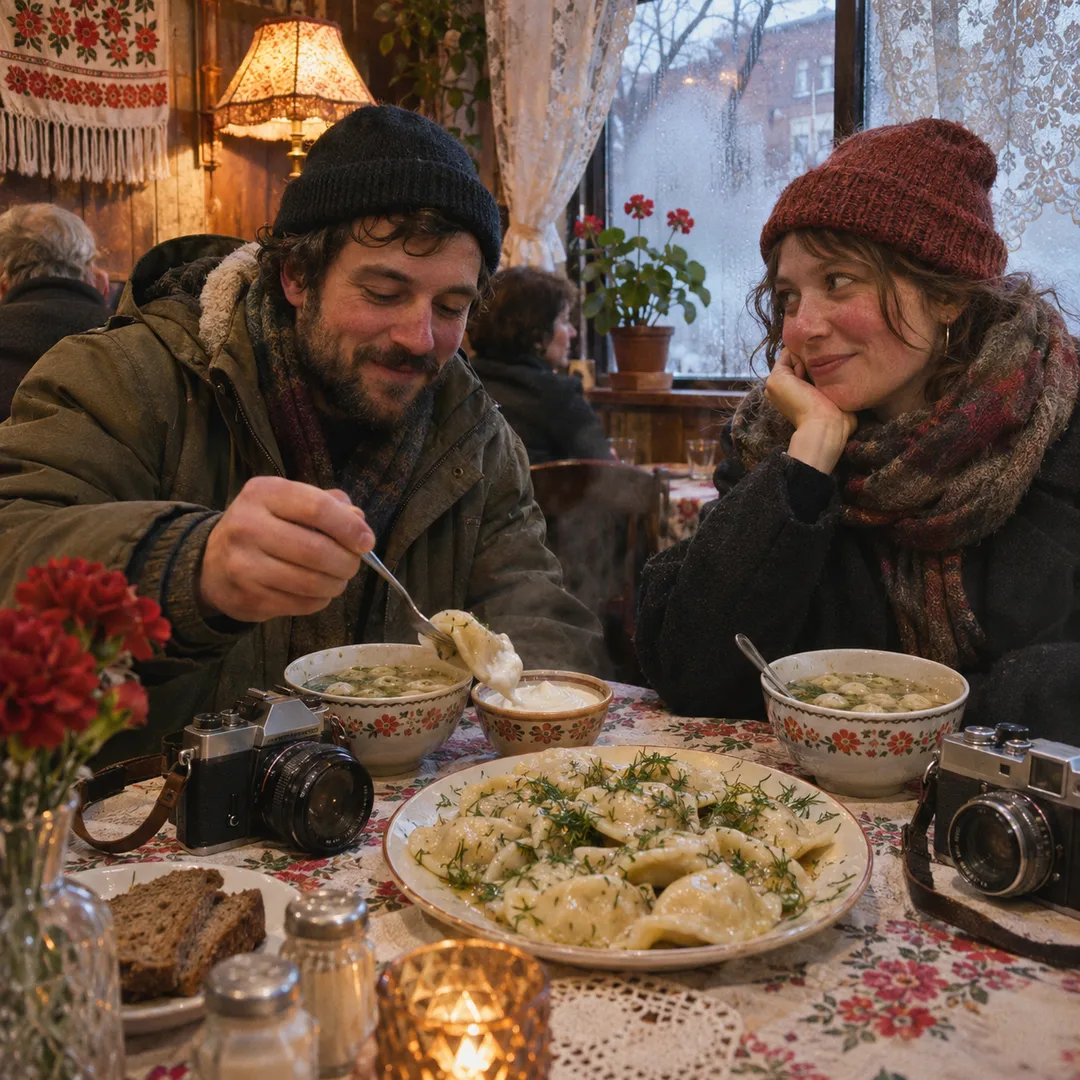 Brighton Beach Pierogi Lunch Spot Picker for Photographers
 Ridgewood Pierogi Lunch Spot Picker for Apartment Hunters