 Noodle Bar Near Me in Chelsea Market: Very Fresh Noodles' Hand-Torn Bowls
Restaurants
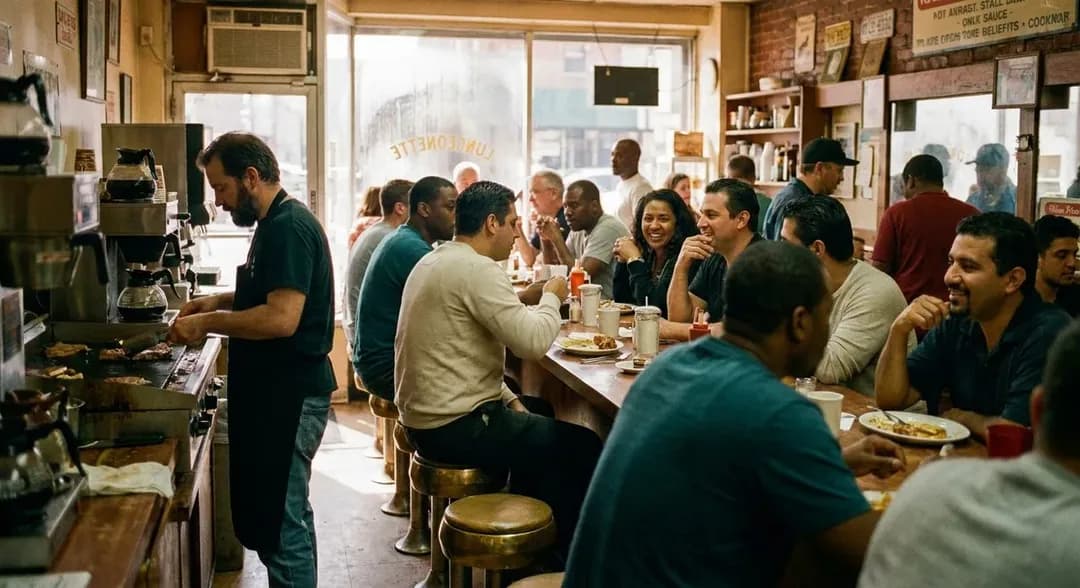
B&H Dairy: The Last Kosher Lunch Counter on Second Avenue
Eight stools, one ancient cash register, and a soup-and-bread ritual that hasn't changed since Eisenhower. This is lunch as time capsule, served in a storefront narrower than most hallways.
The geometry of survival
You'll walk past it twice before you register the entrance. B&H Dairy occupies a sliver of Second Avenue between 7th and St. Marks that seems designed for a newsstand, not a restaurant. Twelve feet wide. The door opens directly onto the counter, and if all eight stools are occupied—they usually are between noon and one—you're standing with your shoulder blades against the glass, watching strangers eat soup. The woman at stool three will finish her borscht in four minutes. You learn to read the pace of spoons.
The place opened in 1938 when this stretch was the Yiddish Rialto, when Second Avenue had a dozen dairy restaurants and the Forward building stood like a cathedral to immigrant publishing. Now B&H is the last one. The sign outside still says "Lunch Counter," which is technically accurate but undersells the situation. This is a museum that happens to serve food, except the exhibits are eating beside you and the curator is taking your order in an accent that could be Polish or Israeli or both.
The challah situation

Order the soup-and-bread combo. It's $8.50, cash only, and the bread is challah toasted in butter until the edges achieve a state of crispness that shouldn't be possible with egg bread. They don't advertise this detail. The menu just says "toast." You'll watch them slice it thick behind the counter, butter both sides, and press it onto the griddle with a spatula that looks older than you are. The butter pools in the braided crevices.
The regulars know to ask for extra butter on the side. It comes in a small paper cup, already melting. If you're at stool five or six, you can see into the kitchen—really just an extension of the counter space—and watch the entire operation. There's no back room. Everything happens in sequence, in public, in a space about the size of a subway car. The challah comes from a bakery on Essex Street; they pick it up every morning at six.
Borscht and its discontents
The borscht arrives in a bowl that belongs in a Vermeer painting: white, wide-rimmed, plain. The soup itself is cold, shockingly pink, with a density that suggests structural engineering. A dollop of sour cream sits in the center, unmelting. This is summer borscht, served year-round because tourists don't understand the seasonal distinction and regulars don't care. The beets come from a supplier in Brooklyn who also serves the last remaining Orthodox caterers in Williamsburg.
You'll see people add salt. Don't. The balance is already calibrated for the challah, which is sweeter than standard rye. The move is to alternate: spoon of soup, bite of toast, spoon of soup. The woman at stool eight has been doing this three times a week since 1987. She times her arrival for 11:40, before the NYU students flood in. She reads the Post and never looks up.
The cash register and other antiques
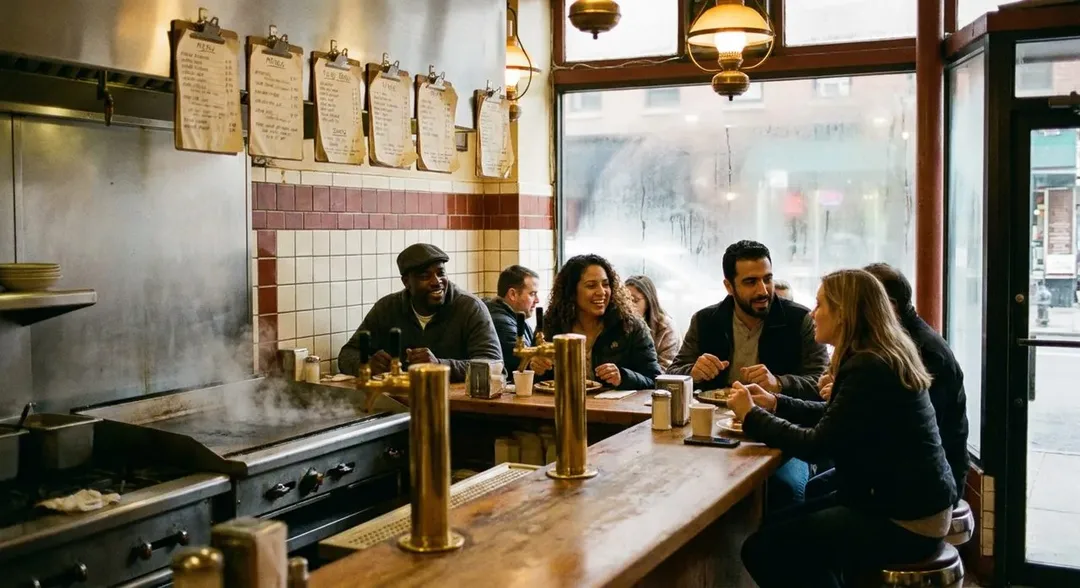
The register is a 1952 National, the kind with keys that require genuine force to press. It doesn't connect to anything. Every transaction is manual, recorded in a ledger that lives under the counter. Credit cards are not rejected here; they simply don't exist in the operational reality of the space. There's an ATM at the corner of St. Marks, thirty seconds away. You'll see people leave mid-order to get cash, and their seats will be held. This is an honor system that shouldn't work in Manhattan but does, maybe because the space is too small for anonymity.
The walls are covered in photographs that document nothing and everything: faded Polaroids of customers, a newspaper clipping about a fire in 1989, a menu from 1974 with prices that seem like typos. The lighting is fluorescent, institutional, unchanged since installation. At stool two, there's a slight wobble that everyone knows about. The couple at stools six and seven are on their first date. You can tell because they're trying to eat soup gracefully, which is impossible at a counter this narrow.
The matzo ball question
The matzo ball soup is what brings people in, but the borscht is what makes them understand. The matzo balls are regulation: dense, sincere, floating in golden broth with visible fat circles on the surface. This is medicinal soup, grandmother soup, the kind that tastes like it's solving problems at a molecular level. It comes with the same challah, and the same butter situation applies. The man at stool four gets this every day. He's a criminal defense attorney with an office on Lafayette. He doesn't look at his phone while eating.
The vegetable soup rotates based on what's available, which means it's actually seasonal despite the static menu. Thursday often brings mushroom barley. The pierogi are made in-house, filled on Tuesday and Friday mornings before opening. If you arrive at 9:45 AM, you can smell the potato and onion through the door. The kitchen produces about sixty orders of pierogi per day. After that, they're gone.
The succession
The current owners are the third generation, though "owners" undersells their role as custodians of a continuous operation. They open at 8 AM, close at 11 PM, seven days a week except for major Jewish holidays, which they observe without announcement. The schedule is printed on a card taped to the door, but the card is from 2003 and the tape has fossilized. Everyone just knows. The weekend brunch crowd skews younger, hungover, drawn by the latkes and the Instagram appeal of eating at a counter that looks like a Hopper painting.
You'll finish your soup in twelve minutes because that's how long it takes, and because the person standing behind you with their shoulder blades against the glass is reading the pace of your spoon. You'll leave cash on the counter—they don't do separate checks—and step back onto Second Avenue, where the afternoon light hits the pavement at an angle that makes the whole block look like a stage set. Which, in a sense, it is.
Practical notes
B&H Dairy is at 127 Second Avenue, between East 7th Street and St. Marks Place. Open daily 8 AM to 11 PM; closed for Rosh Hashanah, Yom Kippur, and Passover without advance notice. Cash only, no exceptions. The ATM is on the northeast corner of Second Avenue and St. Marks. Most items run $7-$12. The soup-and-bread combo is the best value. Eight counter stools, no tables, no reservations, no waitlist. Average wait during lunch rush: 15 minutes. Take the 6 train to Astor Place (one block west) or the L to First Avenue (two blocks east). The bathroom is technically for customers but requires asking for a key. Go before you arrive. Bring small bills; they don't love breaking twenties during rush hours. The challah runs out by 3 PM on Sundays.
Tags: #BHDairy #EastVillage #SecondAvenue #KosherDining #LunchCounter #NYCEats #LowerEastSide #ChallengeToast #Borscht #MatzoBalSoup #CashOnly #OldNewYork #DairyRestaurant #CounterCulture #NYCHistory
Sources consulted: The Infatuation · Eater · Time Out New York
All trademarks are the property of their respective owners.
Ask Karpo for more information.
Keep reading
- Noodle Bar Near Me in Chelsea Market: Very Fresh Noodles' Hand-Torn Bowls
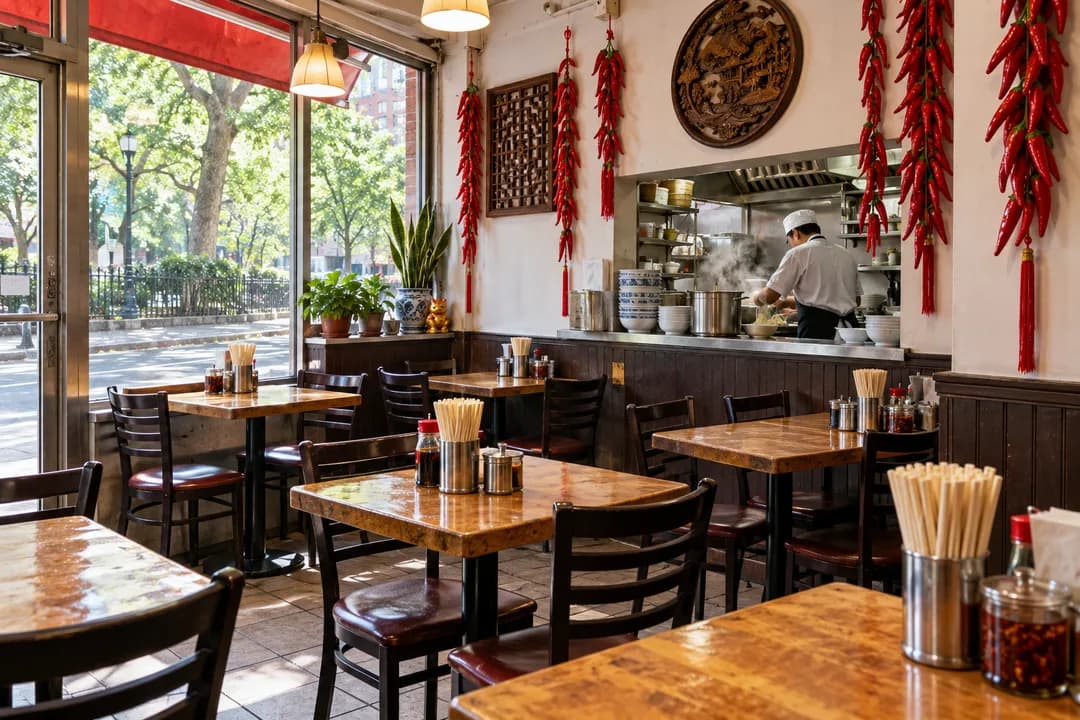 Noodle Bar Near Me on Forsyth Street: Spicy Village's Big Tray Chicken
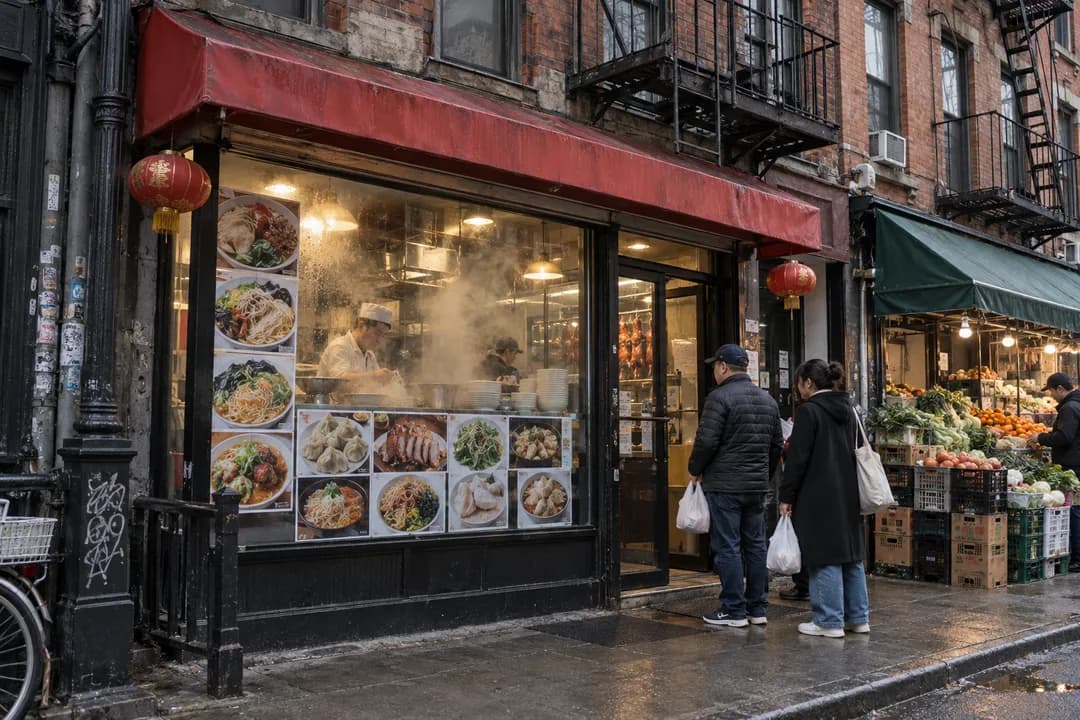 Noodle Bar Near Me in Chinatown: Super Taste's Lanzhou Hand-Pulled Noodles