Empanadas de cazón—shark empanadas—aren't a novelty food truck gimmick. They're a staple along Venezuela's coast, and in New York, they're most alive in Washington Heights, where Venezuelan families have built a food ecosystem that doesn't bother translating the menu. The filling is dogfish shark, typically marinated with garlic, cumin, and annatto, folded into corn dough and fried until the edges crackle. You won't find them everywhere, even among Venezuelan spots, because they require a supplier who knows how to source and prep the fish properly. That makes the handful of places serving them worth the trip uptown.
Karpo tracks which Venezuelan spots have empanadas de cazón today, plus what else to order when you're there. No guessing, just the move.

Cachapas y Mas: the Washington Heights anchor
Cachapas y Mas on St. Nicholas Avenue near 176th Street has been the neighborhood go-to since the early 2010s. The space is small—maybe a dozen seats—and the walls are covered in Venezuelan flags and framed photos of Andean landscapes. You order at the counter, and empanadas come out on paper plates with a little cup of guasacaca, the cilantro-avocado sauce that does heavy lifting. The empanadas de cazón here are fried to order, which means a fifteen-minute wait but also means the dough stays crisp and the filling stays hot. The shark is shredded fine and seasoned assertively, with enough garlic that you'll taste it an hour later.
Go mid-morning on a weekday if you want to avoid the lunch crush. Around 11 a.m., the fryers are just warming up, and you can watch the cooks pull dough from a cooler and press it flat by hand. If cazón empanadas aren't on the board that day—they rotate based on what the fishmonger delivers—the pabellón empanada is the fallback: shredded beef, black beans, fried plantain, all in one package. Expect to spend around eight dollars per empanada, and budget for at least two because one never covers it.
Casa Ora: Michelin-starred Venezuelan ambition
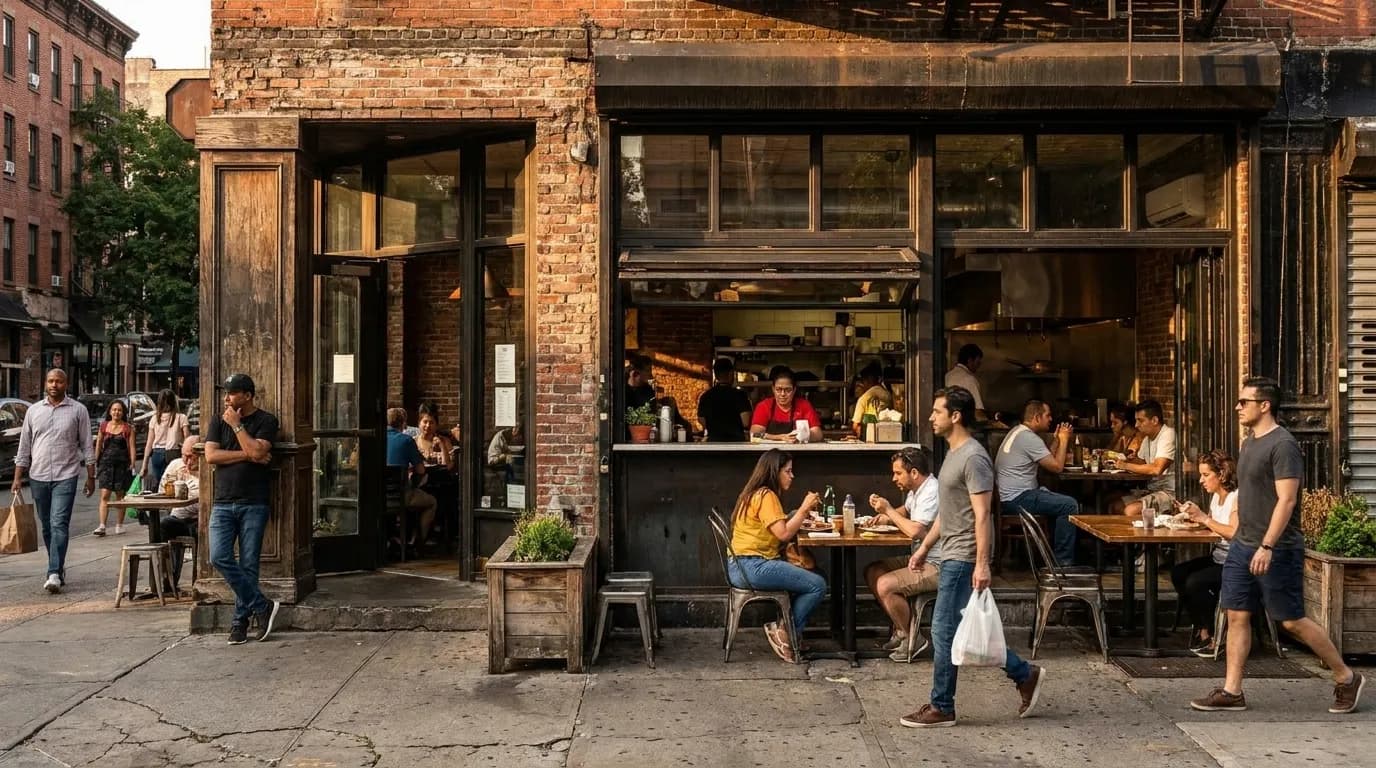
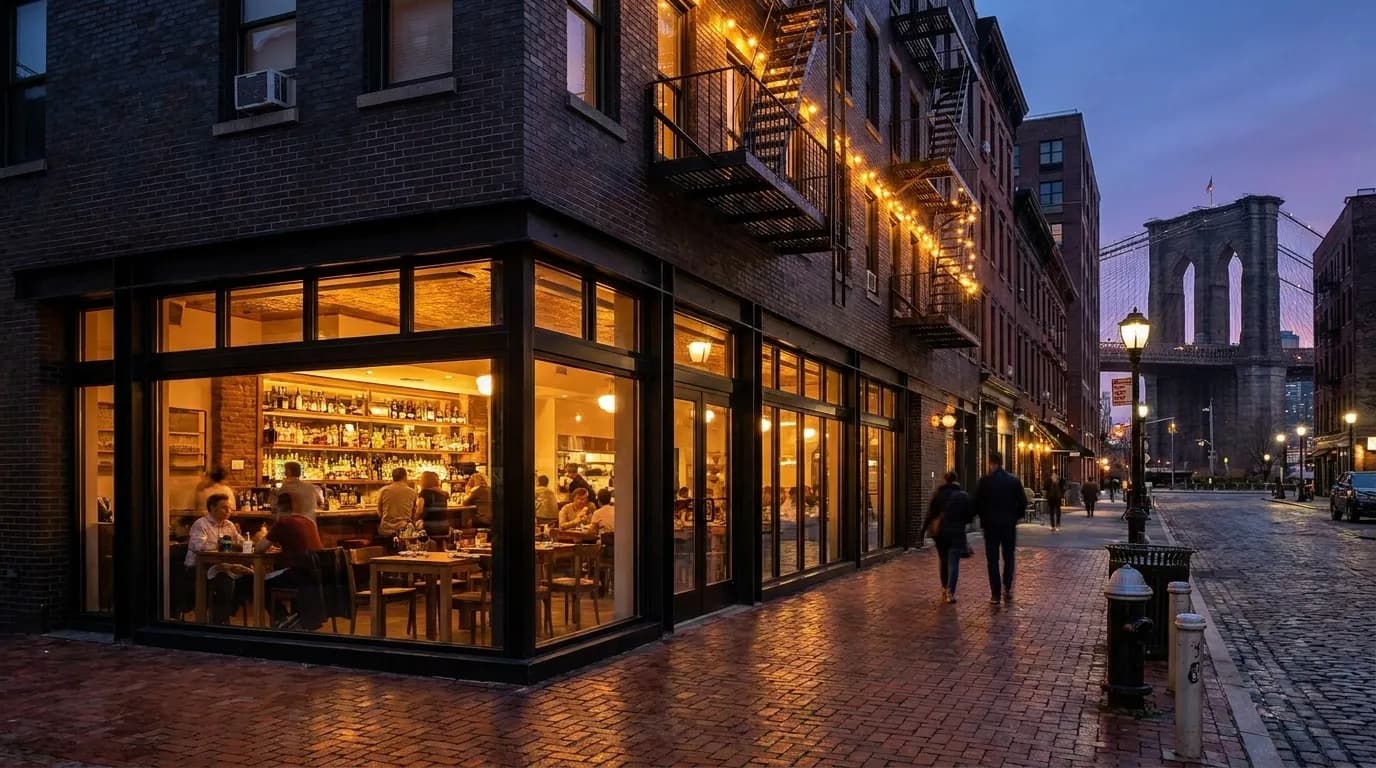
Casa Ora in Williamsburg earned its Michelin star by treating Venezuelan ingredients with the kind of technique usually reserved for French kitchens. The dining room is candlelit, reservations book weeks out, and the tasting menu runs north of a hundred dollars. Empanadas de cazón show up as an optional add-on or as part of a snack course, depending on the season. Here, the dough is thinner and fried at a higher temperature, so it shatters rather than yields. The shark filling is bound with a light sofrito and finished with a citrus oil that cuts through the richness.
This is empanadas as fine dining, which means smaller portions and plating that involves tweezers. Some people find that approach precious; others appreciate the clarity it brings to each flavor. Either way, it's useful to see what happens when a traditional preparation gets the spotlight treatment. If you're going, sit at the counter facing the kitchen—you'll see the cooks working the plancha and assembling plates in real time. The sommeliers are also good at pairing natural wines with dishes that traditionally call for beer.
Patacon Pisao: the late-night fallback
Patacon Pisao has several locations across the city, but the Washington Heights spot on Broadway near 181st feels the most lived-in. It's open until 2 a.m. on weekends, which makes it the default after-hours move for anyone who's been drinking uptown. The empanadas here are bigger and greasier than Cachapas y Mas, with a thicker dough that holds up better under heat lamps. Empanadas de cazón aren't always available—call ahead if that's the only thing you want—but when they are, they're solid enough to justify the subway ride.
The restaurant's strength is volume. The kitchen cranks out tequeños, arepas, patacones, and cachapas at a pace that suggests they're feeding half the neighborhood. The vibe is fluorescent-lit and functional, with a TV usually playing a Venezuelan game show and tables that turn over fast. If you're here past midnight, order a papelón con limón—panela lemonade—which is sweet enough to reset your palate between bites.
What makes cazón empanadas different
Shark has a firmer texture than beef or chicken, closer to swordfish but without the meatiness. It takes marinade well, which is why Venezuelan cooks load it with garlic, cumin, and sometimes a touch of vinegar. The flavor is mild and slightly sweet, so the seasoning has to carry the dish. When it's done right, the filling is moist but not wet, with enough structure that it doesn't collapse when you bite in. When it's done poorly, it's dry and fishy in the bad way—a sign that the shark sat too long before cooking.
The dough matters just as much. Venezuelan corn dough is made from precooked cornmeal, which gives it a different texture than Mexican masa. It's denser and slightly sweet, and it fries up with a crisp shell that stays intact even after cooling. Some spots add a little cheese to the dough for richness, though purists will argue that's unnecessary. Either way, the empanada should be hot enough that the first bite burns your tongue a little.
The Washington Heights Venezuelan corridor
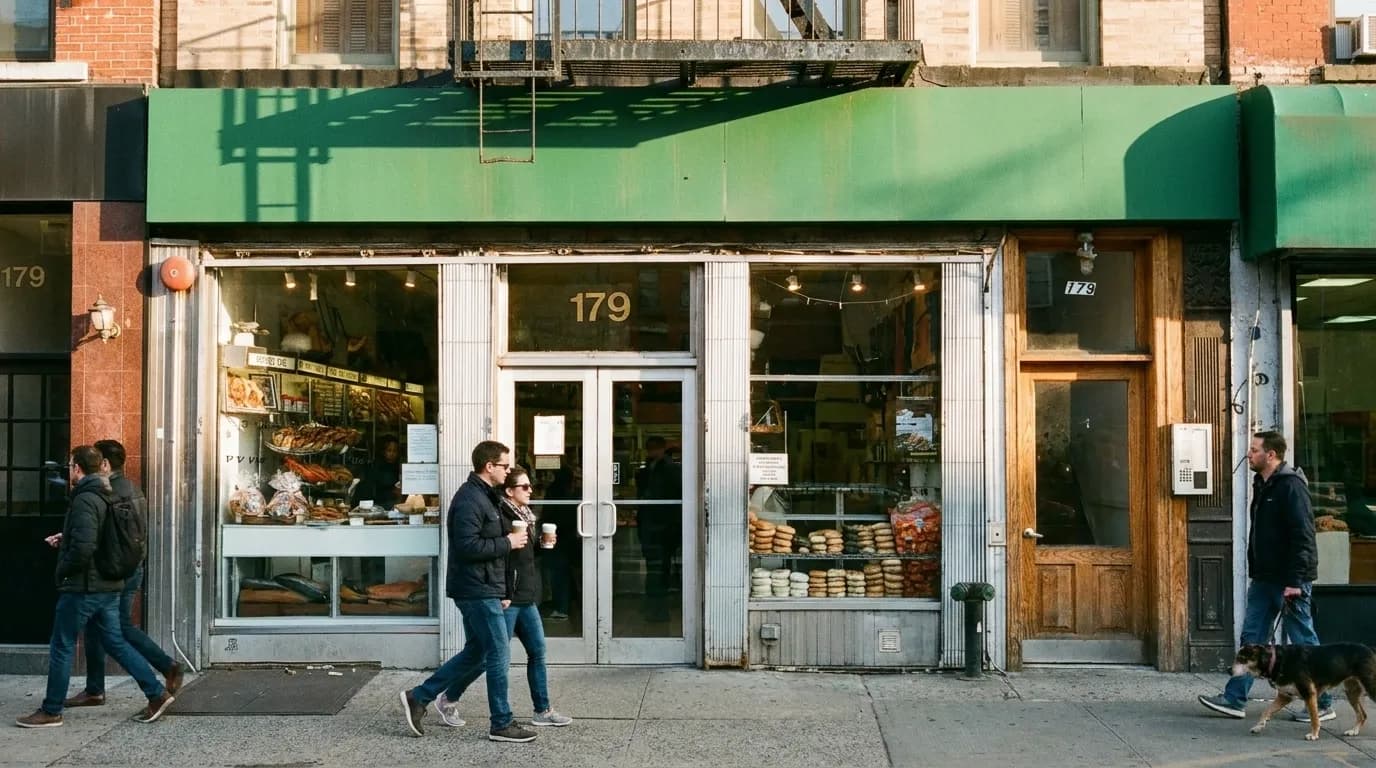
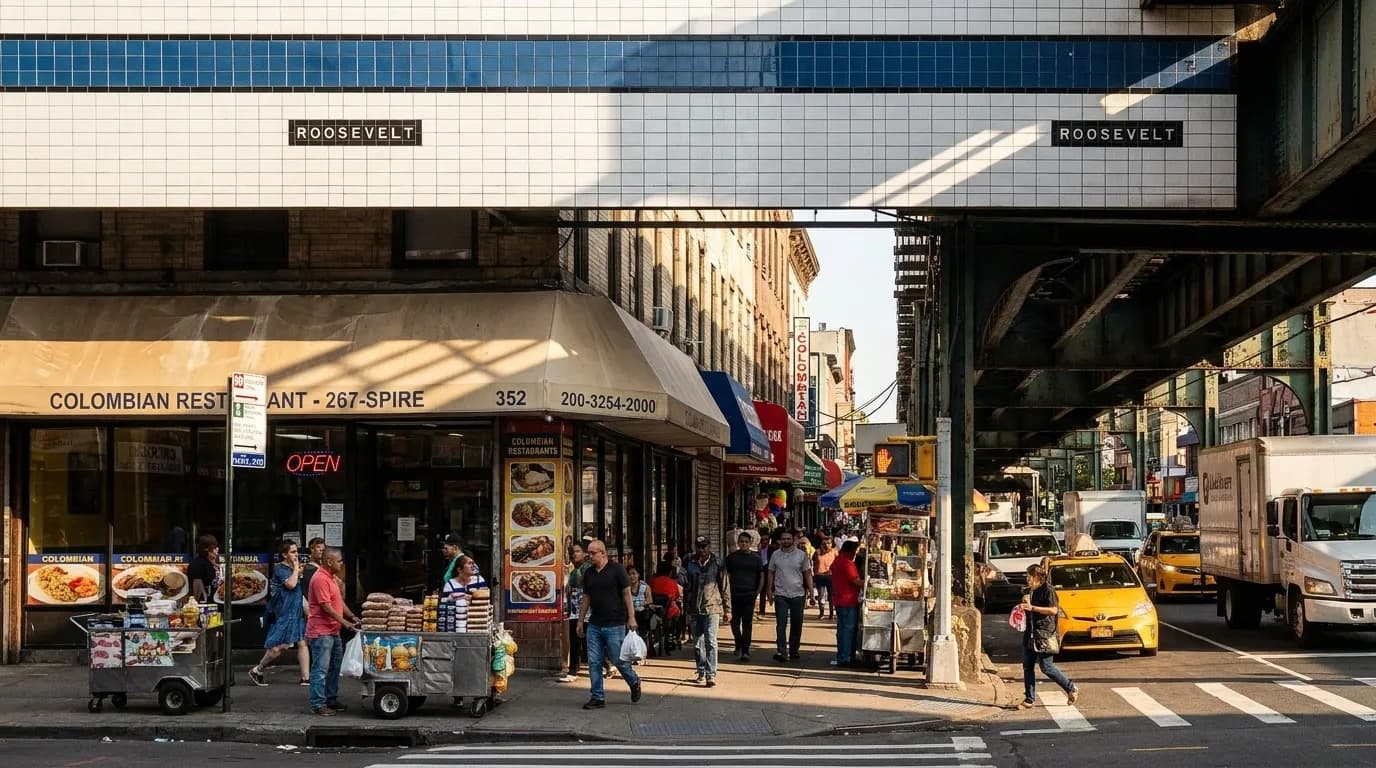
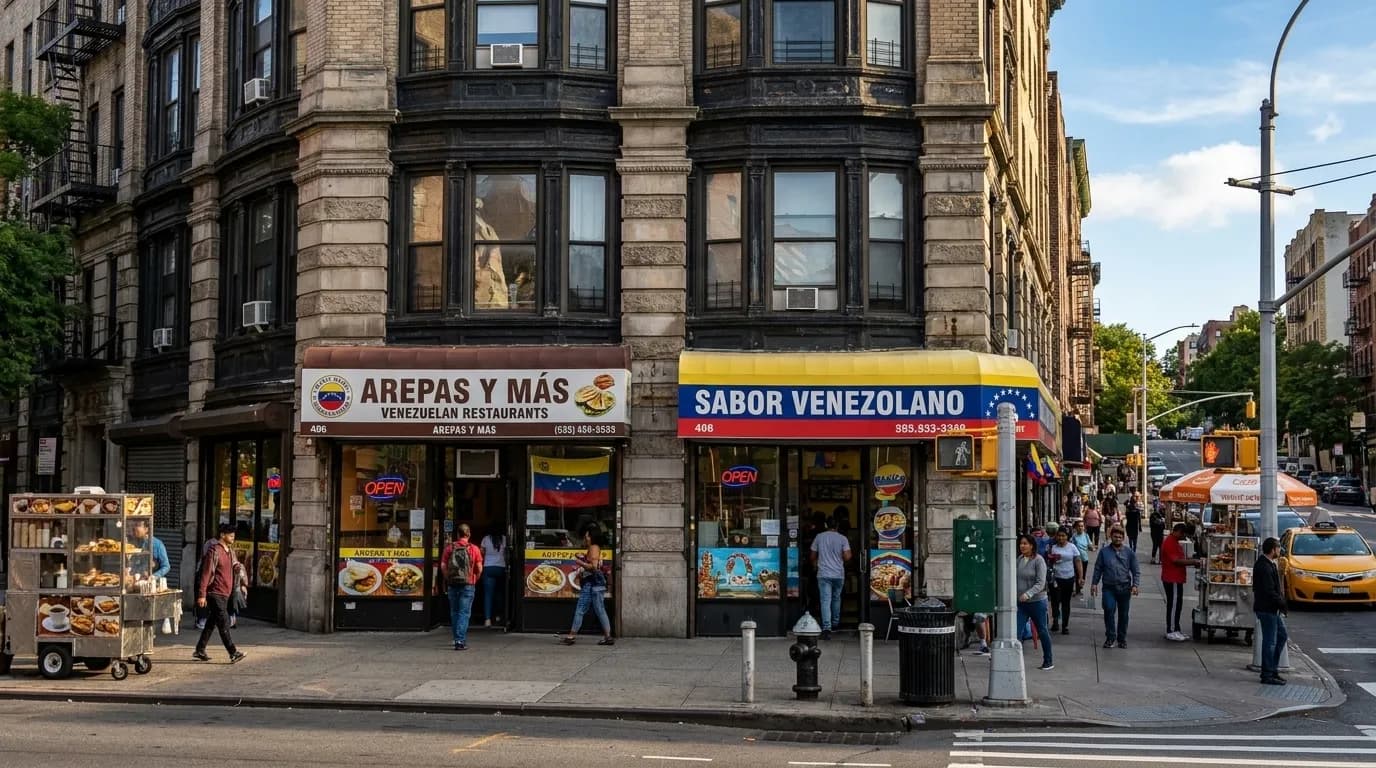
Washington Heights between 175th and 181st Streets has the highest concentration of Venezuelan restaurants in the city. This isn't a recent trend—families have been moving here since the 1990s, and the food scene has deepened with each wave. You'll see areperas next to bakeries selling tres leches, grocers stocked with Harina P.A.N., and butchers who know how to break down whole fish for empanada filling. The neighborhood feels less like a dining destination and more like a place where people actually live and cook.
If you're making the trip, budget time to walk around. Check out the bakeries on St. Nicholas for pan de jamón, or stop into one of the smaller areperas where the menu is handwritten and everything costs under ten dollars. The A train gets you there in about thirty minutes from Midtown, and the elevated tracks give you a view of the neighborhood as you pull in. It's worth staying for more than one meal.
Practical notes
Take the A train to 175th or 181st Street for Washington Heights; the L to Bedford for Casa Ora in Williamsburg. Cachapas y Mas and Patacon Pisao don't take reservations, so just show up—mornings and early afternoons are quieter. Casa Ora books through Resy and fills up fast for weekend dinners. Empanadas de cazón aren't on every menu every day, so call ahead if you're traveling specifically for them. Bring cash for the Washington Heights spots; some take cards, but the transaction fee often gets passed to you. Skip the Venezuelan chains in Times Square or near Penn Station—they're fine in a pinch, but the real versions are all uptown or in Brooklyn.
Tags: #empanadasdecazon #venezuelanfood #washingtonheights #cachapasymas #casaora #pataconpisao #sharkempanadas #nycvenezuelan #uptownnyc #nycfood #hiddengems #venezuelancuisine #nychiddengems #ofthebeatenpath #nycfoodscene
All trademarks are the property of their respective owners.
Ask Karpo first
Before you schlep uptown hoping for empanadas de cazón, let Karpo check which spots have them today and what else is worth ordering while you're there. New York's Venezuelan scene runs deep, and the best moves aren't always the obvious ones. Text Karpo in iMessage and skip the guesswork.