 Chelsea Consignment Shop Crawl Planner for Your First Studio
Hidden Gems & Odd Finds
Williamsburg Bespoke Tailoring House: Begin With Trousers
In Williamsburg, a bespoke commission can start small: a pair of trousers or a chore coat. Here is how Brooklyn workshops cut casual pieces to fit you.
Look for a bespoke tailoring house in Williamsburg and you will find a different flavor of craft than in Midtown. Brooklyn workshops here tend to favor sturdy cloth, honest construction and clothes made for real days: cycling over the bridge, standing at a studio bench, sitting on a stoop until the light fades. That makes the neighborhood a gentle place to try bespoke for the first time, especially if a full suit feels like too big a leap.
A Neighborhood Built on Making Things
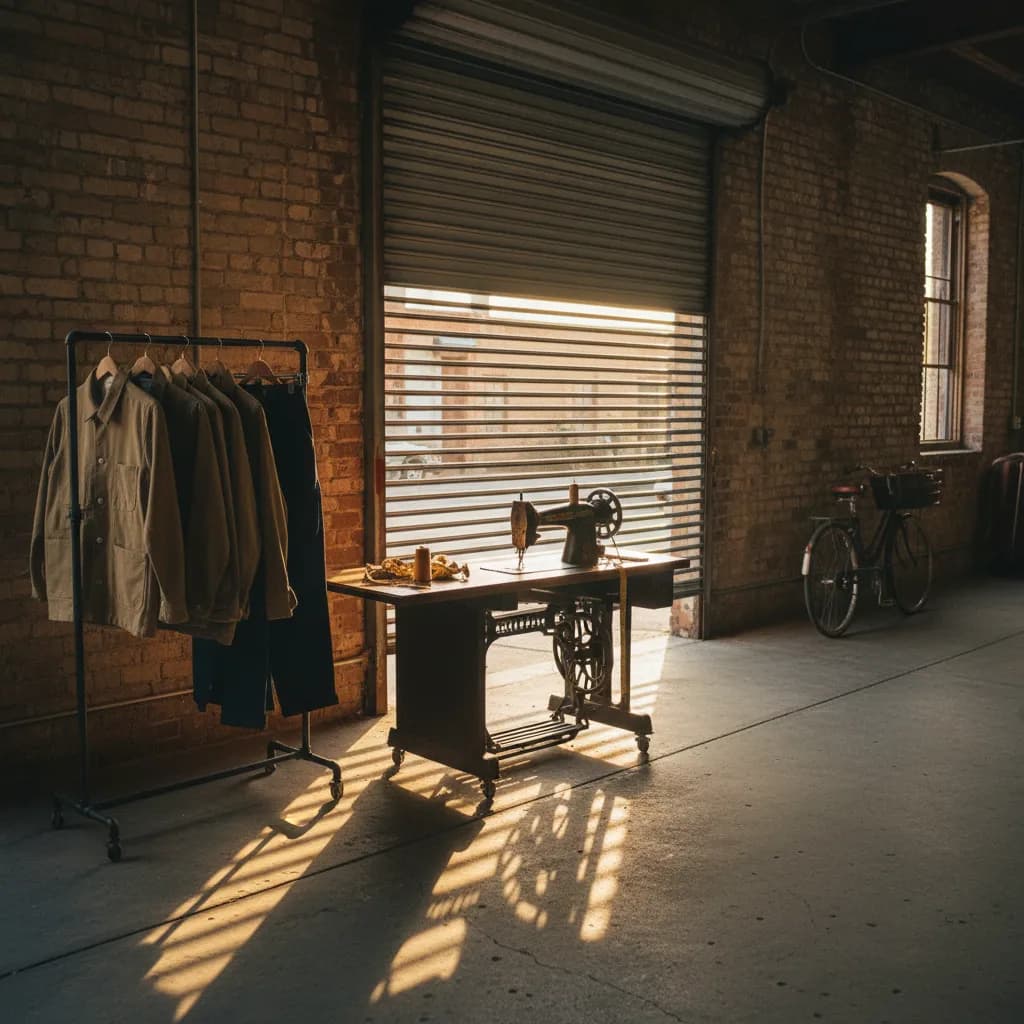
Williamsburg has always been a place where things got made. The waterfront once held refineries and factories, and the side streets near Bedford Avenue still have the low brick buildings and loading bays of small industry. Many of today's makers, from furniture builders to ceramicists, chose the area for exactly that reason. Tailoring workshops fit naturally into this mix, often sharing buildings with woodshops and print studios.
This background shapes the mood. Instead of mahogany fitting rooms, you might find a workbench, a rack of canvas and a sewing machine older than you are. The people behind these workshops often came to tailoring through denim, workwear or costume work, and they tend to talk about durability as much as elegance. If you care how a pocket holds up after years of keys and phones, you will feel at home.
Why Trousers Make a Smart First Commission
Most people own at least one pair of pants that almost fits. The waist is right but the seat bags, or the length is perfect but the thighs pinch when you climb stairs. Bespoke trousers solve those problems in a way that alterations rarely can, because the pattern is drafted around your own shape from the start. They also teach you how the bespoke process works with less time and fewer fittings than a jacket.
Talk to the maker about how you actually use your trousers. Do you bike every day? Kneel to work? Carry a notebook in the back pocket? A good cutter will adjust the rise, add a gusset for movement or reinforce pocket edges based on those answers. Bring the pair you reach for most often and explain what you love and what annoys you. That single garment can say more than a page of measurements.
Once you have a pair that fits perfectly, the pattern stays on file. Future pairs in different cloths become much simpler, and many clients return each season for a new weight, from summer linen to heavy winter cord.
Chore Coats, Overshirts and Casual Jackets
After trousers, the next step for many Williamsburg clients is an unstructured jacket. Chore coats and overshirts are a local uniform, and having one cut to your shoulders transforms a simple garment. Without the heavy canvas of a formal jacket, these pieces are lighter and quicker to make, yet a bespoke version still shows its value in how the sleeves hang and how the back moves when you reach forward.
Discuss cloth with a practical eye. Cotton duck softens and fades beautifully over time, moleskin feels warm without bulk and wool flannel turns a chore coat into something you could wear to dinner. Ask to see samples that have already been washed or worn so you know how the cloth will age. Many workshops keep a few broken-in pieces around for exactly this reason.
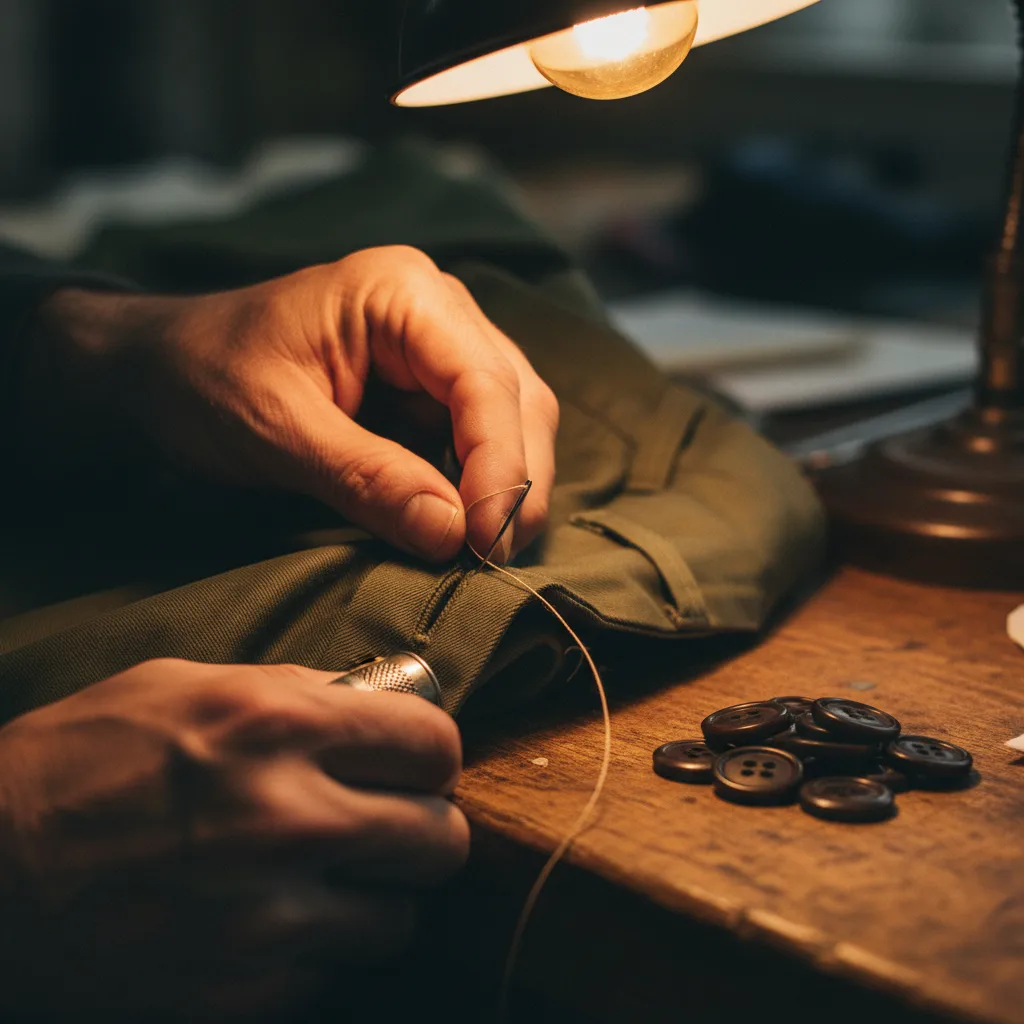
Consider the small details too. Patch pockets placed at the height your hands naturally fall, a collar that stands up against river wind, buttons sewn on with a thread shank so they last. These choices make a casual jacket feel like it was always yours.
What a Brooklyn Fitting Feels Like
Fittings in a small workshop are relaxed. Expect a fitting mirror propped against brick, a maker with pins in their mouth and plenty of conversation. For trousers there is usually a first fitting in a test version or basted cloth, where the maker checks the rise, the seat and the break over your shoe. Walk, sit, squat and climb a step if there is one nearby. The aim is to see how the cloth behaves when you move like yourself.
For a jacket, a basted fitting follows a similar pattern with the sleeves and collar loosely attached. Speak up if anything restricts your reach. In casual tailoring, comfort is the point, so a maker will usually lean toward more ease in the back and arms than a formal suit would allow.
Between fittings, wear your existing clothes with fresh attention. Notice where a seam rubs when you carry a bag or where a hem catches on a bike chain, and mention it next time. Makers in small Brooklyn workshops often adjust a pattern based on these everyday observations, and the final garment ends up shaped by how your week actually looks rather than how you stand in a mirror.
Building a Fitting Day Around Bedford Avenue
Plan weekday visits if you can, since many small workshops run appointments around production time and weekends can be busy. Arrive by bike or on the L train, and give yourself time to walk afterward. A loop through McCarren Park after a fitting is a good chance to break in a new pair of trousers and notice any spots that still need attention before the next visit.
For a longer outing, head toward the waterfront along Kent Avenue after your appointment. The riverside parks give wide views of the Manhattan skyline, and the walk is long enough to tell you how a jacket sits when you are not standing in front of a mirror. On the way back, side streets off Bedford are dotted with coffee bars and bakeries for a slow break.
If you live elsewhere in the city, bundle your fittings with other errands in North Brooklyn. Many people find that a commission becomes a reason to explore the neighborhood more deeply, from record shops to small galleries in former warehouses.
Using Karpo APP to Plan Your Commission
Open Karpo APP and search for tailoring and workwear studios around Williamsburg, Greenpoint and East Williamsburg. Save the workshops that focus on the garments you want, whether that is trousers, chore coats or full suits, and compare how other customers describe their visits. Build a simple route that pairs each fitting with a park walk or a café, then reach out to the workshop directly to set up your first consultation.
Practical Notes
Start with trousers or an unstructured jacket if a full suit feels like too much. Bring the garment you wear most and explain what works and what does not. Wear the shoes you plan to pair with the new piece. Expect a couple of fittings for trousers and more for jackets, and use each visit as an excuse to explore North Brooklyn on foot.
Ask Karpo for more information.
Keep reading
- Chelsea Consignment Shop Crawl Planner for Your First Studio
 East Village Consignment Shop Crawl Planner: Leather Jackets
 Harlem Consignment Shop Crawl Planner for a Jazz Night Look