 Chelsea Consignment Shop Crawl Planner for Your First Studio
Hidden Gems & Odd Finds
Upper West Side Bespoke Tailoring House for Stage Wear
Need concert dress or a suit you can move in? Upper West Side bespoke work suits performers and teachers. See how to brief a tailor and plan fittings.
A search for a bespoke tailoring house on the Upper West Side often comes from someone with a specific problem. A cellist whose concert jacket binds when they bow. A teacher whose blazers wear out at the elbows within a year. A retiree who finally wants one perfect tweed coat. This neighborhood of music schools, universities and pre-war apartments is full of people who need clothes that move, last and look composed, and a bespoke commission answers that need well.
A Neighborhood That Dresses for Work and Performance
The blocks between Lincoln Center and Columbia hold an unusual concentration of people who wear tailored clothes for demanding jobs. Orchestra players, opera singers and dancers walk the same avenues as lecturers and lawyers. Their jackets have to survive rehearsals, lecture halls and long commutes on the 1 train. That everyday pressure has kept a culture of repair and alteration alive here, and it makes clients on the Upper West Side unusually good at explaining what they need from a garment.
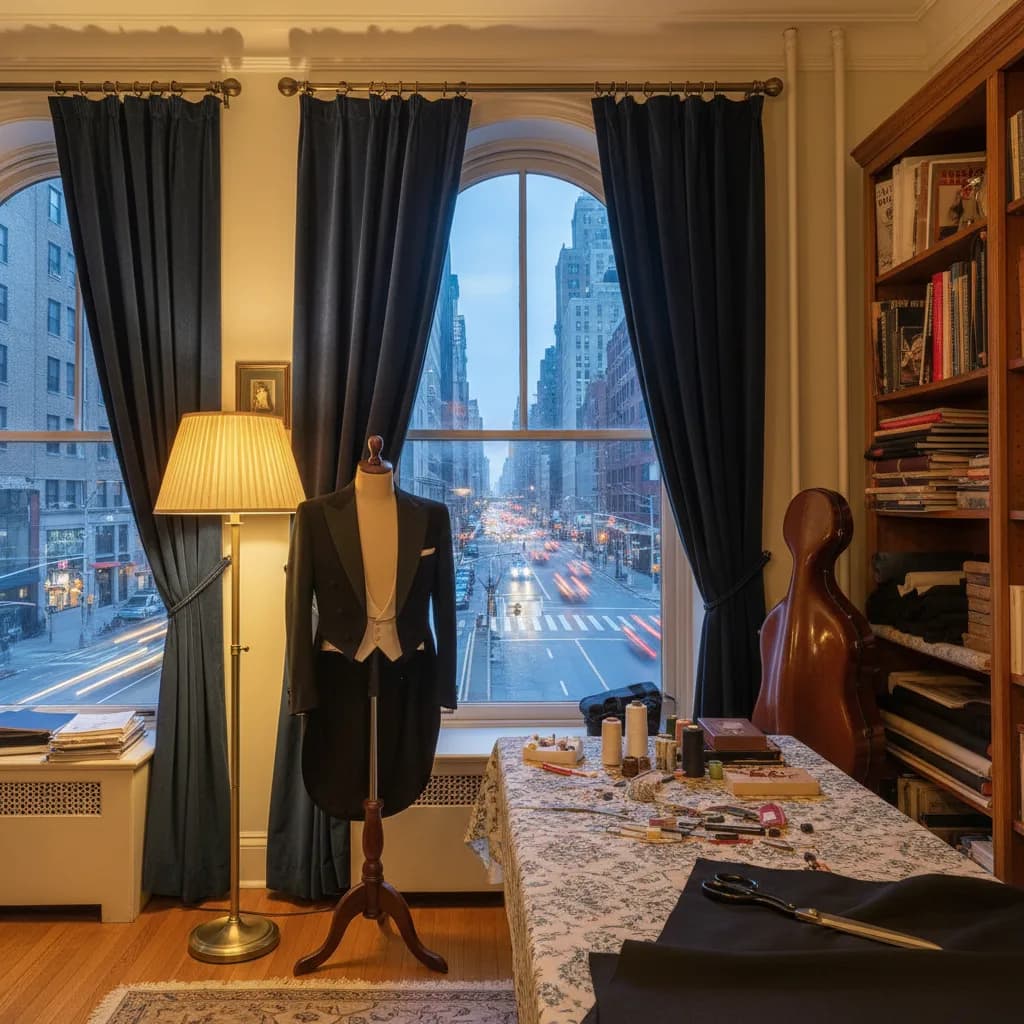
Many tailoring rooms in the area sit on upper floors of older buildings along Broadway and Amsterdam Avenue, with wide windows that look over the traffic. The atmosphere tends to be calm and studious, closer to a library than a boutique. Clients often arrive between appointments of their own, so fittings feel efficient and focused.
That practical streak also means clients here tend to value repair as much as novelty. A tailor on these avenues is just as likely to be reshaping a decades-old overcoat inherited from a parent as cutting something new, and that respect for long-lived clothes sets the tone for any commission you start in the neighborhood.
Briefing a Tailor for Movement
The most important part of a performance commission is the first conversation. Show the tailor exactly how you move. Raise your arms as if conducting, hold your instrument, sit on the edge of a chair as you would on stage. A violinist needs freedom in the left shoulder, a pianist needs sleeves that stay put when the arms reach forward and a singer needs room to breathe deeply without straining the front button.
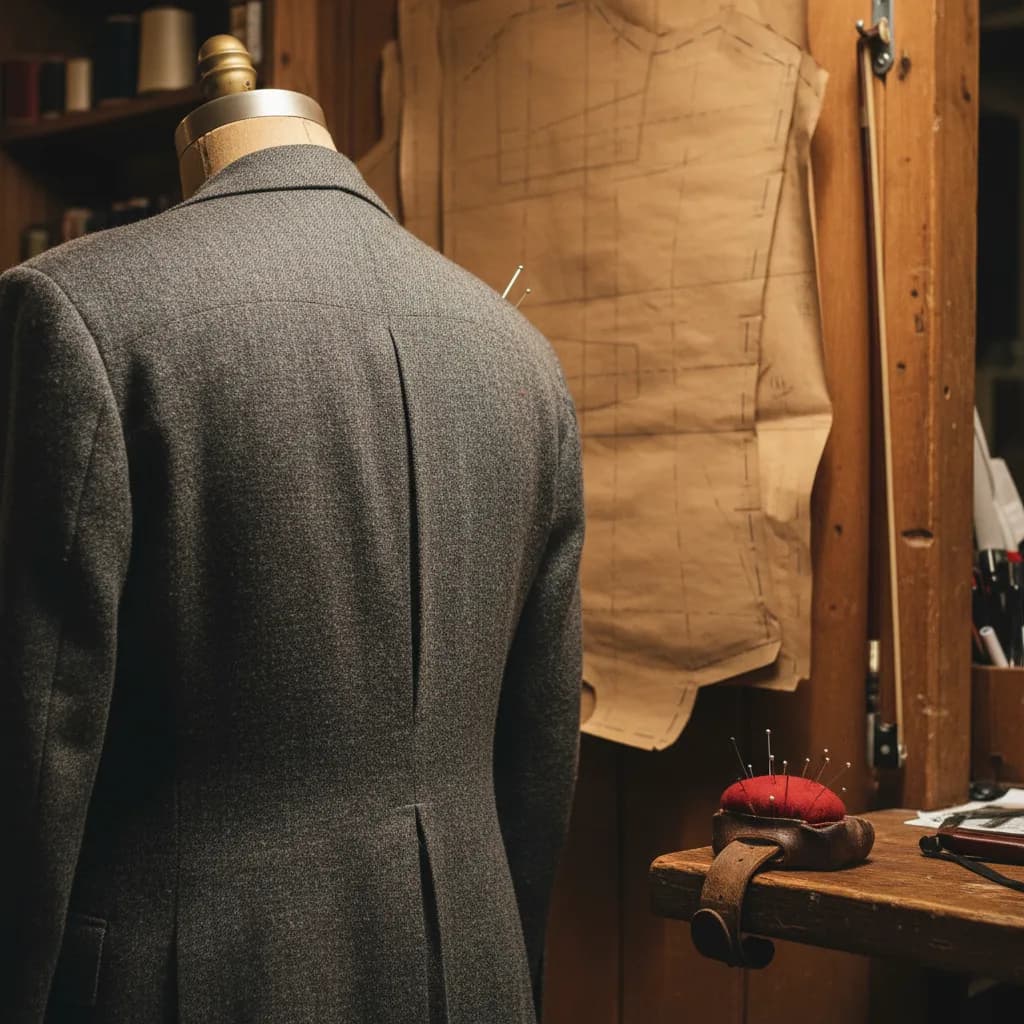
Bespoke tailors solve these problems with techniques that ready-made clothing rarely includes. A higher, smaller armhole often gives more movement, not less, because the jacket travels with the arm instead of lifting off the body. Hidden pleats in the back, extra cloth in the seams for future adjustment and gussets under the arm are all worth discussing. Ask the tailor to explain the options and which ones they would recommend for your instrument or job.
Bring photos or a short video of yourself performing if you can. Watching how the old jacket pulls during a real performance tells the cutter far more than any static measurement.
Tailcoats, Concert Black and Everyday Tweed
Concert dress follows strict traditions, and a good tailor will know them. A tailcoat should be cut short at the front and balanced at the back so the tails fall cleanly when you sit. Concert black for orchestra players often means a plain dark suit with a matte finish that does not catch stage lights. Lightweight wool helps on hot stages, while a slightly heavier cloth holds its shape through a long season of performances.
Outside the concert hall, the Upper West Side has a soft spot for tweed and flannel. A tweed jacket with elbow room and sturdy pockets suits a professor or a writer who walks through Riverside Park every day. Ask about reinforced elbows, a lining that slides easily over sweaters and deeper inside pockets for books and glasses. These are the kinds of details that make a bespoke jacket feel built for one life in particular.
How Fittings Work Around a Busy Schedule
Performers and teachers rarely have free afternoons, so plan fittings early. Tell the studio about your season or term calendar at the first meeting. A cutter can line up the basted fitting before a busy stretch of concerts and the final collection before an important premiere or graduation ceremony. If you will be touring, ask whether the studio can adjust the schedule around your travel.
Bring your instrument or work bag to at least one fitting. It sounds unusual, but a jacket that looks perfect in the mirror can still catch on a cello's neck or strain when you sling a heavy satchel over one shoulder. Tailors appreciate seeing the real situation and will make small changes that matter on stage.
During the forward fitting, sit, stand and perform the movements you described at the start. Point out any tightness right away. A few small adjustments at this stage can make the difference between a jacket you tolerate and one you forget you are wearing.
Pairing Fittings With the Neighborhood
After a morning appointment, take a slow walk through Riverside Park toward the Hudson and let the new garment settle in your mind. For an afternoon slot, continue to Lincoln Center for a matinee or an evening in the plaza, which is a good way to imagine your new jacket on stage. On a rainy day, the American Museum of Natural History and the neighborhood's old bookshops make easy, sheltered stops.
Food is easy to fold in as well. Bagel shops, appetizing counters and neighborhood diners line Broadway, and a long breakfast before a fitting is very much in the spirit of the area.
Keeping Bespoke Clothes Working for Years
Clothes that work hard need care. Ask the tailor how to brush and air your jacket after performances, how often to have it pressed and when to bring it back for repairs. Many studios keep your pattern and spare cloth on file so worn cuffs or elbows can be replaced later. A good relationship with a tailor means your stage clothes can last many seasons.
Rotation helps too. Wool recovers when it rests, so a performer who owns two concert jackets and alternates them will get far more years from both than someone who wears a single jacket every night. Hang each one on a broad wooden hanger in a breathable bag, keep the pockets empty and let a damp jacket dry naturally before it goes back into a cramped closet.
Finding Studios With Karpo APP
Open Karpo APP and search for tailoring studios around the Upper West Side, Lincoln Square and Morningside Heights. Save the ones that mention performance wear, alterations or classic suiting, compare what past customers say and pin a café or a park walk near each one. When you have a shortlist, contact the studios directly to explain your instrument or job and set up a first consultation.
Practical Notes
Share your performance or term calendar at the first meeting. Bring your instrument, work bag and stage shoes to fittings. Demonstrate how you move instead of describing it. Ask about reinforced elbows, action backs and extra seam allowance. Plan collection well ahead of any premiere, graduation or audition so there is time for one last adjustment.
Ask Karpo for more information.
Keep reading
- Chelsea Consignment Shop Crawl Planner for Your First Studio
 East Village Consignment Shop Crawl Planner: Leather Jackets
 Harlem Consignment Shop Crawl Planner for a Jazz Night Look