 Jackson Heights Thrift Store Crawl Planner: Kids' Coats
Hidden Gems & Odd Finds
SoHo Bespoke Tailoring House: Picking Cloth in a Loft
Commissioning bespoke in SoHo starts with cloth, not cut. See how loft studios on Mercer and Greene work, and how to pair fittings with gallery walks.
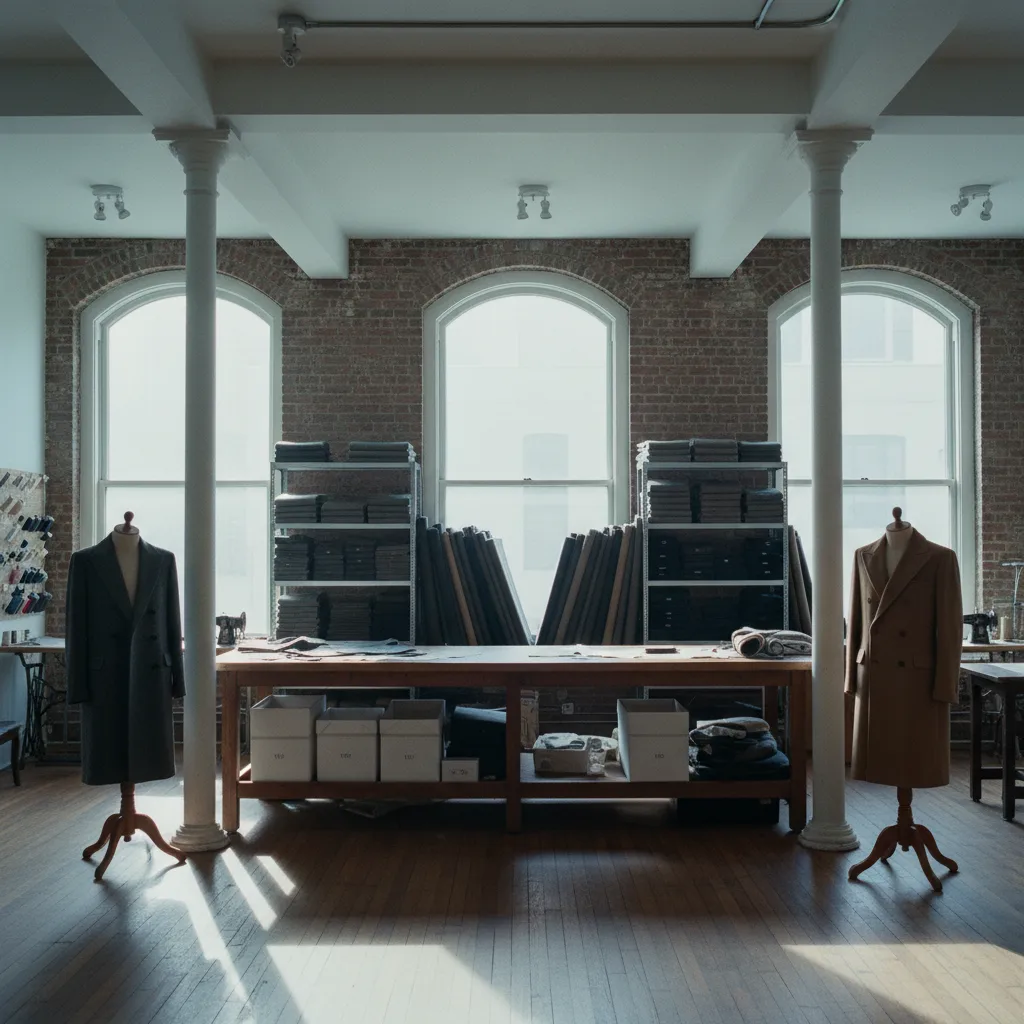
A bespoke tailoring house in SoHo usually looks nothing like a shop. Many of the best studios sit above street level in cast-iron buildings, with tall windows that flood the room with the kind of light cutters love for judging cloth. The neighborhood draws artists, designers and gallery regulars, so the commissions here lean toward pieces with personality: a soft-shouldered overcoat, an unstructured jacket for openings, trousers cut for long days on foot. Here is how to approach one without feeling out of place.
Light, Space and Why Cutters Love These Lofts
The cast-iron buildings along Greene Street and Mercer Street were built as warehouses and light manufacturing floors, with large windows meant to help workers see what they were making. That same daylight is a gift to a tailor. Color in wool shifts dramatically under shop lighting, and a navy that looks almost black in the evening may glow blue at noon. Studios with good windows let you see the true shade before you commit.
The high ceilings and open floors also suit the way bespoke work happens. A cutting table needs space, and a fitting needs room for you to walk a few steps and turn. When you visit a loft studio, notice how the room is laid out. Cloth on one wall, a cutting bench near the window, a mirror placed so the tailor can watch you from behind. These details often signal a house that takes the craft seriously.
Start With the Cloth Conversation
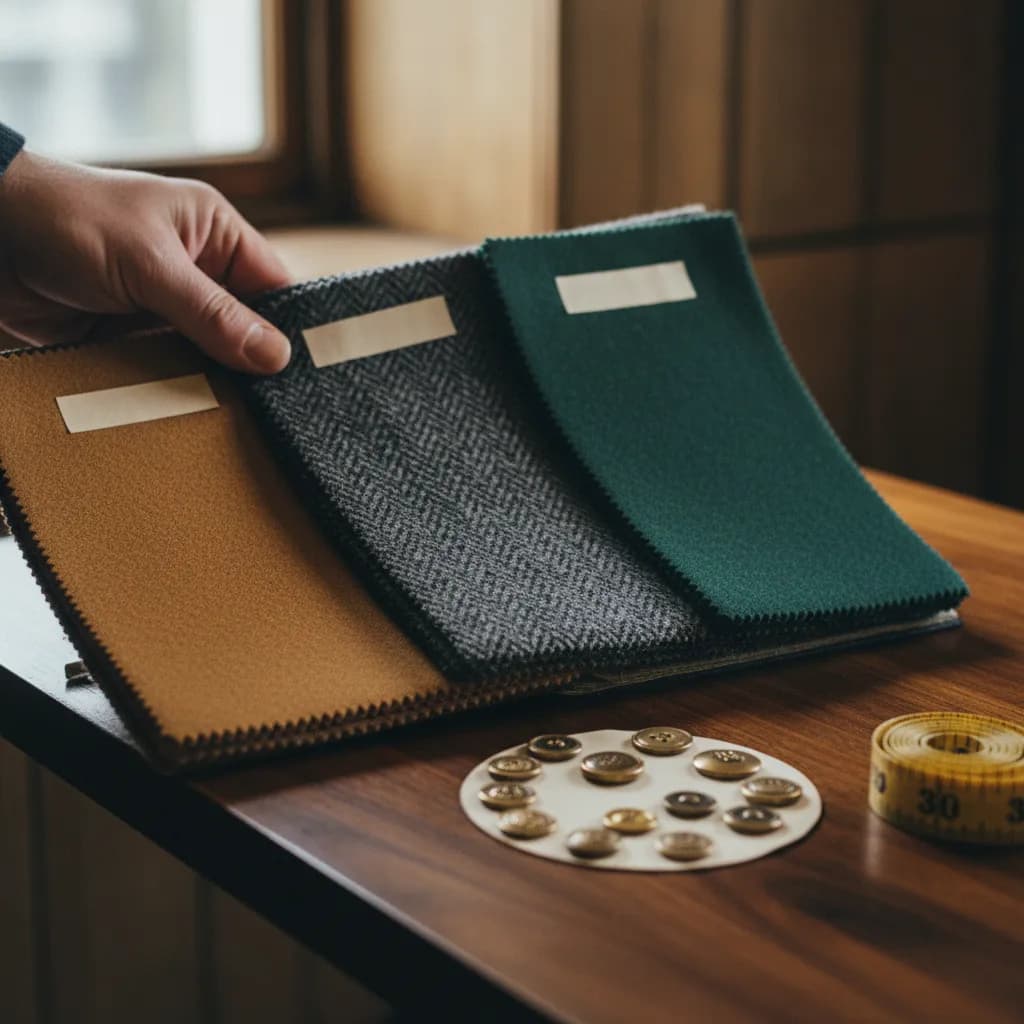
In SoHo, first appointments often revolve around fabric. Expect to be handed heavy swatch books from mills in England, Scotland and Italy, and to be asked how you live. Do you walk across the city in the rain? Sit in drafty galleries for hours? Travel with a jacket rolled in a carry-on? Each answer points toward a different weight and weave, from dense flannel to springy high-twist wool that shrugs off creases.
Hold a swatch up to your face near the window and look at it from across the room, not just up close. Patterns like herringbone and windowpane read very differently at a distance. Run the cloth between your fingers and squeeze it in your fist for a few seconds, then let go. If it springs back without wrinkles, it will travel well. If it holds the crease, it may be lovely but better suited to occasional wear.
Ask the tailor which cloths they personally enjoy working with. Craftspeople tend to have favorites that behave predictably under the iron, and their enthusiasm is a reliable guide when you are torn between two options.
Why an Overcoat Is a Smart First Commission
Many first-time clients start with a suit, but a winter coat can be a better introduction to bespoke in this neighborhood. A coat is worn over everything, so fit across the shoulders and the length of the sleeve matter more than fashion details. It is also the garment people notice when you walk into a SoHo opening on a cold night, and a well-cut coat makes almost any outfit underneath look intentional.
Bring the thickest sweater and the bulkiest jacket you plan to wear under the coat to every fitting. A cutter needs to allow room for those layers without making the coat look like a tent. Talk about collar shape too. A tall collar that can be turned up against wind off the Hudson feels very different from a neat notch collar, and it changes how you move in the coat.
How Fittings Unfold in a Small Studio
After measurements and cloth selection, the tailor drafts a pattern and cuts a first version. At the basted stage the coat is temporarily stitched with contrasting thread so it can be taken apart easily. Expect to raise your arms, hold an imaginary bag and sit on a stool while the tailor watches how the back moves. Small, quiet studios make this feel less awkward than it sounds, since you are often the only client in the room.
Later fittings refine the balance and length. It is normal for changes to look tiny to you and huge to the tailor. A few millimeters at the collar can transform how a coat sits on the neck. Trust the process, take photos only if the tailor is comfortable with it and ask questions whenever you are curious. Most cutters enjoy explaining why they are moving a seam.
Turning Fittings Into a SoHo Afternoon
Plan each appointment as the anchor of a longer outing. A midweek morning visit leaves the rest of the day free for galleries on the side streets, which are noticeably calmer than the weekend crowds on Broadway. Build in time to step into a museum or a bookshop afterward and let your thoughts about cloth and cut settle before the next visit.
On a weekend, aim for the first slot of the day and finish before Prince Street and Spring Street fill with shoppers. A coffee on a quiet stretch of Wooster Street makes a good pause to look over the photos of swatches you liked. If you are commissioning with a partner, bring them to the cloth appointment rather than the fittings, since a second opinion is most useful when you are choosing fabric.
Questions Worth Asking Any SoHo Studio
Is the garment drafted from your own pattern, or adapted from an existing block? Is the chest fully canvassed? How many fittings should you expect, and who actually sews the coat, the cutter or a team of makers? Will they keep your pattern on file for future commissions? These questions are not rude. Good tailoring houses welcome them because they show you understand what you are paying for.
Also ask how they handle changes after delivery. A coat may need a sleeve adjusted after a season of wear, or buttons moved once the cloth relaxes. Studios that offer this follow-up care tend to build long relationships with clients, which is part of what makes a bespoke house feel like your own.
Finding the Right Studio With Karpo APP
Open Karpo APP and search for tailoring studios around SoHo, Nolita and Tribeca to compare a few options side by side. Save the ones whose style matches yours, from classic English cutting to softer Italian shapes, and note which ones mention coats or casual tailoring. Pair your saved studios with nearby galleries and coffee spots to sketch a route for each fitting day, then reach out to each studio directly to arrange a first meeting.
Practical Notes
Visit in daylight so you can judge cloth color properly. Bring the layers you will wear underneath a coat. Expect several fittings over a number of weeks and plan around the holiday rush. Keep the first conversation focused on how you live, and let the tailor guide you on weight and weave from there.
Ask Karpo for more information.
Keep reading
- Jackson Heights Thrift Store Crawl Planner: Kids' Coats
 Crown Heights Thrift Store Crawl Planner: Holiday Table Haul
 Tribeca Plant Shop Crawl Planner for Office Desks and Gifts