 Jackson Heights Thrift Store Crawl Planner: Kids' Coats
Hidden Gems & Odd Finds
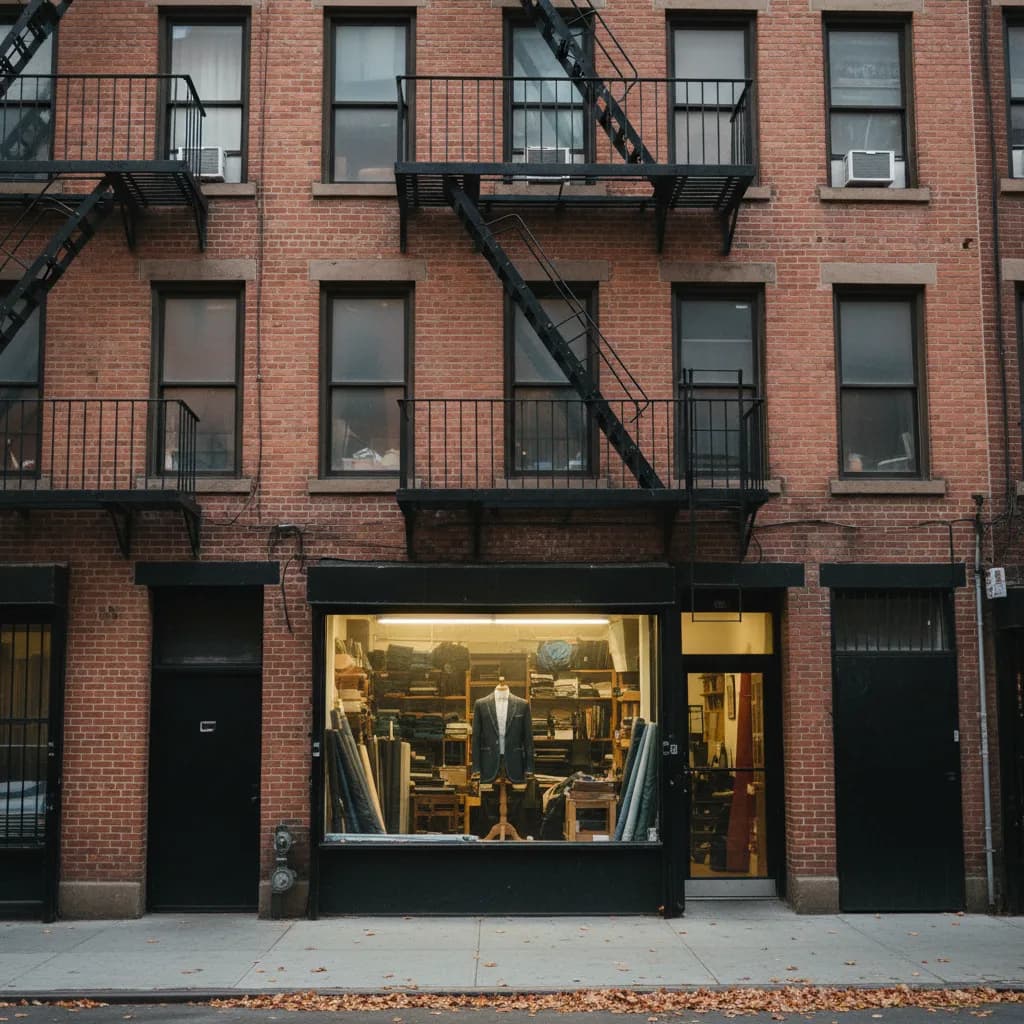
Lower East Side Bespoke Tailoring House: Your 3 Fittings
A bespoke suit on the Lower East Side takes three fittings and patience. Learn what happens at each stage and how to plan the walks between them.
Search for a bespoke tailoring house on the Lower East Side and you are tapping into one of the oldest working stories in Manhattan. These tenement blocks once hummed with pressers, cutters and finishers who stitched clothes for the whole city. Today the neighborhood mixes galleries, natural wine bars and late-night dumpling counters, yet the instinct for handwork never fully left. A true bespoke commission here is slow, personal and built over several visits, and the walk between fittings is half the pleasure.
Why the Lower East Side Still Feels Like a Tailor's Neighborhood
Walk along Orchard Street or Ludlow Street and look up. The fire escapes and narrow storefront windows are the same shells that once held family workrooms, where a jacket might pass through four pairs of hands before it reached a customer. That history shapes the mood of any tailoring visit in this part of town. Small studios tend to sit on upper floors or behind modest doors, and the people who run them often talk about their craft the way a chef talks about stock: patiently, and with opinions.
The Tenement Museum a few blocks away tells the story of immigrant families who sewed piecework in their apartments, and spending an hour there before a consultation changes how you see the whole process. You start to notice that a well-made sleeve is not decoration but labor. That perspective makes it easier to accept the main truth of bespoke clothing, which is that it cannot be rushed and should not be judged by the first fitting alone.
What Bespoke Actually Means Before You Walk In
Plenty of shops use the word bespoke loosely, so it helps to know the difference before you arrive. Made-to-measure starts from an existing block pattern and adjusts it to your numbers. Full bespoke means a cutter drafts a paper pattern from scratch around your body, your posture and the way you stand when you are not thinking about it. The cloth is then cut by hand, loosely assembled and tried on you several times before anything is finished.
A good first question for any tailoring house is simply how many fittings they expect and whether the pattern is drafted for you alone. Another useful one is whether the coat uses a floating canvas, the layer of horsehair and wool inside the chest that lets a jacket mold to you over years of wear. Fused jackets use glue instead, which is quicker and cheaper but stiffer. Neither answer is wrong, but you deserve to know which one you are paying for.
Bring a jacket you already love and one you never wear. Showing a tailor both tells them more about your taste than any description. Point out where the favorite feels easy across the back and where the other one pulls or gapes. Those small clues often guide the first sketch more than measurements do.
The Three Fittings, Step by Step
The first meeting is mostly conversation. Expect the cutter to take a long list of measurements, watch you walk across the room and ask what the garment is for. A wedding suit, a winter overcoat and a jacket for gallery openings each call for different cloth weights and different amounts of ease. You will look through cloth bunches, feeling flannel, worsted and tweed between your fingers, and settle on a fabric and a basic silhouette.
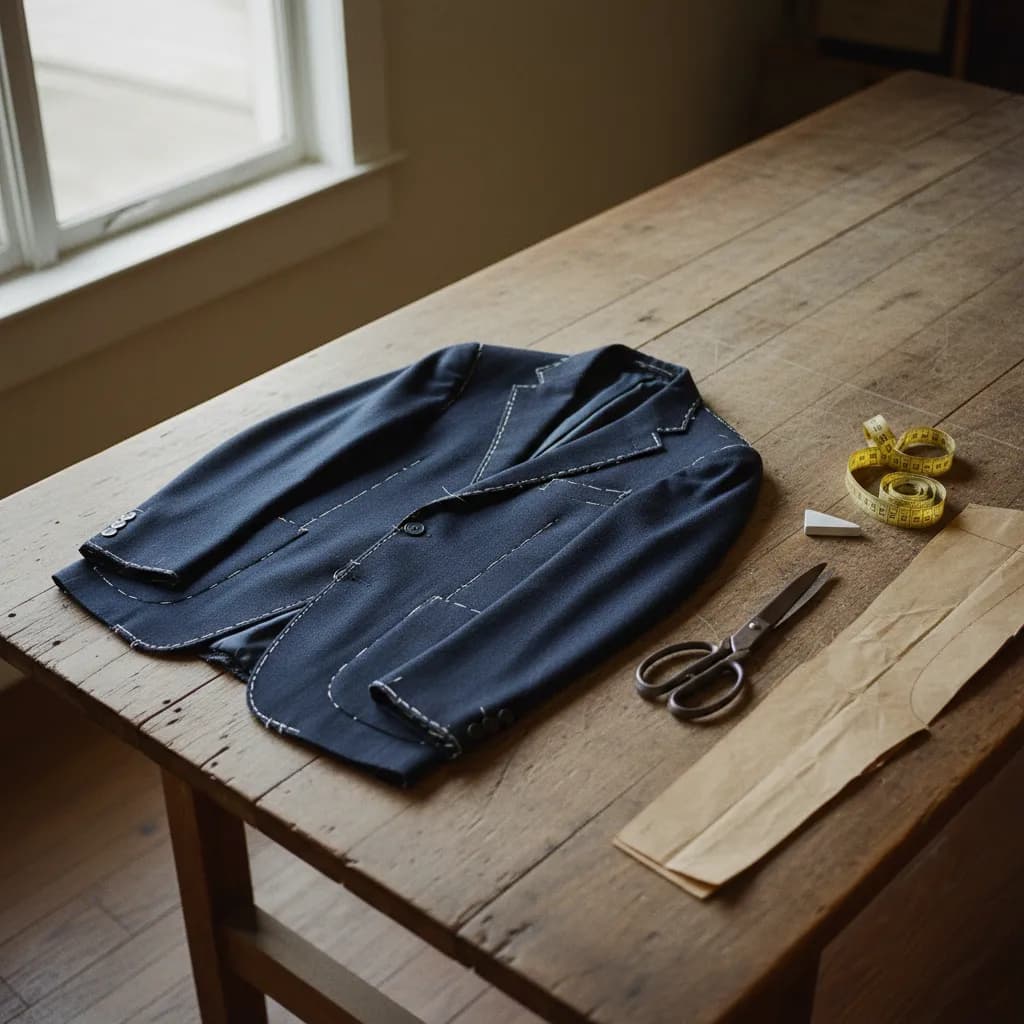
The second visit is the baste fitting, and it surprises first-timers. The jacket arrives held together with loose white thread, no lining, sometimes with only one sleeve attached. It looks unfinished because it is. The tailor will pin, chalk and pull seams apart while you stand still, studying how the cloth falls from your shoulders. This is where the real shaping happens, so speak up about anything that feels tight when you reach forward or sit down.
The third fitting, often called the forward fitting, brings a jacket that looks almost complete. Pockets are cut, the lining is in and the buttonholes may still be waiting. Adjustments here are smaller: a sleeve length, the roll of a lapel, the balance between front and back. Some houses add a fourth or fifth visit for trousers or for a final press. Treat each appointment as a check-in rather than a judgment and the finished piece will reward you.
Planning Your Visits Around the Neighborhood
Because a commission stretches over weeks, it makes sense to build each fitting into a small outing. Weekday mornings tend to be calmer in small studios, and the streets are quieter before the bar crowd arrives. After an early consultation you can wander toward Seward Park, where the old library branch and the shaded benches give you a moment to think over cloth choices before committing.
For the baste fitting, plan an afternoon visit and follow it with a slow loop through the Essex Street area, where food stalls and specialty grocers make it easy to linger. Wear the shoes you expect to pair with the suit and a shirt with the collar style you prefer, since both affect how the jacket sits. If you plan to wear the suit with a sweater underneath in winter, bring one along so the tailor can allow for it.
Save the forward fitting for a late afternoon so you can celebrate afterward. A drink on Clinton Street or a walk across to Chinatown for noodles feels like the right reward for weeks of patience. Many people find this last walk is when the commission starts to feel real, because they can finally picture the coat out in the world.
Small Etiquette That Makes the Process Smoother
Tailoring studios on the Lower East Side are usually small, often run by one cutter and a couple of makers. Arrive on time, keep your phone in your pocket during the fitting and resist the urge to second-guess every chalk line. A tailor reads your posture while you stand naturally, so fidgeting in the mirror can actually make their work harder.
Be honest about your budget early, before you fall in love with a cloth that will stretch it. Most houses will gladly steer you toward a hardwearing worsted instead of a delicate high-twist fabric if they know how often you will wear the piece. Ask what aftercare they offer, since many bespoke makers will adjust a suit years later if your shape changes, and that relationship is part of the value.
Finally, give feedback in plain language. Saying the collar feels like it is climbing your neck is more useful than saying something feels off. Tailors hear vague complaints all day, and the clients who describe sensations clearly tend to walk away with the best garments.
Using Karpo APP to Shortlist Studios
Before your first visit, open Karpo APP and search for tailoring studios around the Lower East Side and nearby Chinatown and the East Village. Save a few that match what you want, whether that is a traditional suit cutter, a workwear specialist or a studio that focuses on alterations to vintage pieces. Reading how other customers describe their experience can help you pick a house whose style fits yours.
Once you have a shortlist, use the saved places to sketch a fitting-day route that pairs each appointment with a coffee stop or a museum visit. Karpo APP is a planning companion, so contact each studio directly to arrange a consultation and ask about their fitting schedule. With a little preparation, a bespoke commission on these historic blocks becomes less of an errand and more of a seasonal ritual.
Practical Notes
Allow several weeks from first consultation to final collection, and longer before the holidays or wedding season. Wear or bring the shoes and layers you plan to use with the garment. Ask whether the jacket is fully canvassed, how many fittings are included and what aftercare looks like. Keep each visit relaxed by planning a walk or a meal nearby, and let the slow rhythm of the Lower East Side set the pace.
Ask Karpo for more information.
Keep reading
- Jackson Heights Thrift Store Crawl Planner: Kids' Coats
 Crown Heights Thrift Store Crawl Planner: Holiday Table Haul
 Tribeca Plant Shop Crawl Planner for Office Desks and Gifts