 Chelsea Consignment Shop Crawl Planner for Your First Studio
Hidden Gems & Odd Finds
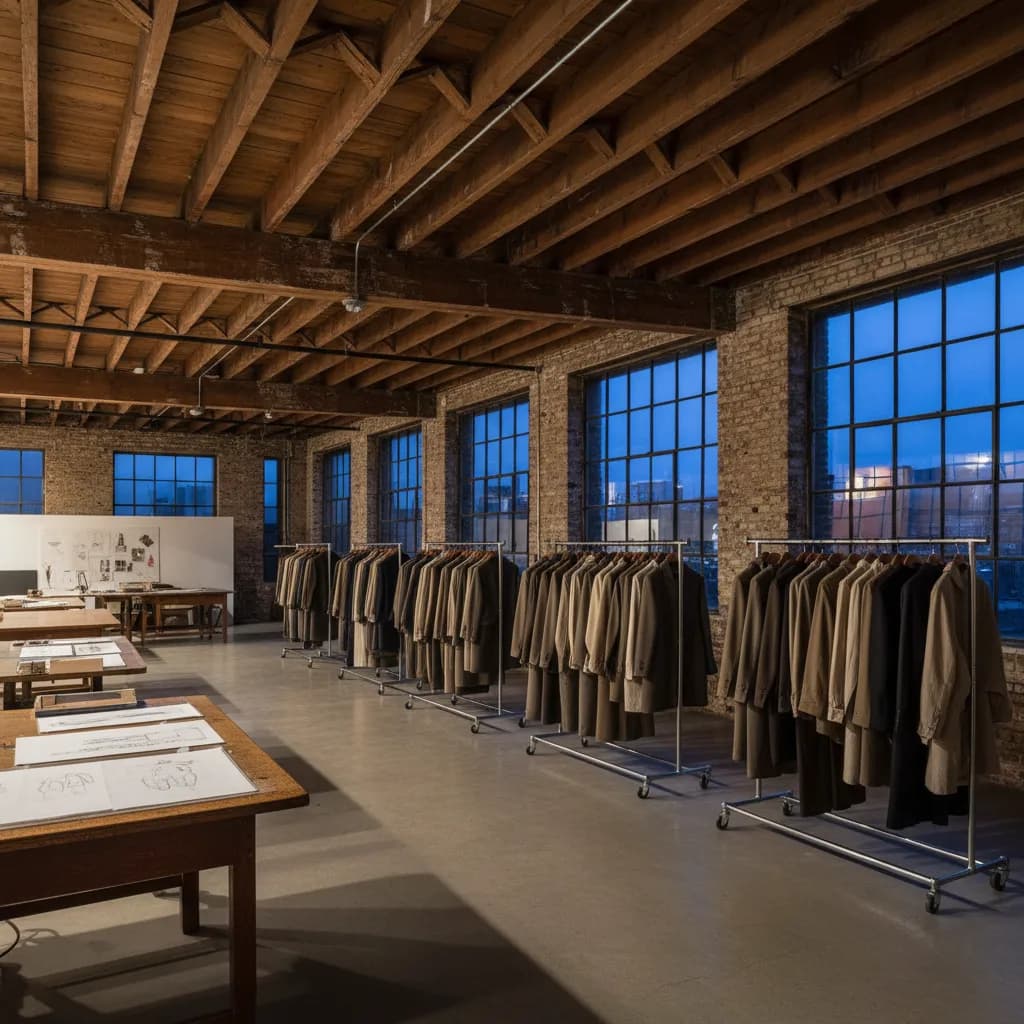
Williamsburg Bespoke Tailor Atelier Route by East River
Explore Wythe Avenue and Berry Street lofts in Williamsburg to compare raw denim tailoring, unlined linen jackets, and East River studio walks.
Across the 1903 steel trusses of the Williamsburg Bridge, the Northside industrial waterfront of Brooklyn has evolved from nineteenth-century sugar refineries and ropewalks into a concentrated hub for independent garment makers and textile studios. Walking north along Wythe Avenue, Berry Street, and Kent Avenue reveals a distinctly Brooklyn interpretation of the bespoke tailor atelier—one rooted in converted red-brick warehouse lofts, visible sewing machines, and experimental fabric sourcing. Planning your route with the Karpo APP lets you link studio blocks between Grand Street and North 11th Street with open-air waterfront parks along the East River.
Where Traditional Pattern Drafting Meets Brooklyn Workwear
Unlike traditional menswear corridors that focus strictly on three-piece business suits, Williamsburg studio lofts bridge classical Savile Row drafting geometry with contemporary creative wardrobes. Cutters working in sunlit brick spaces near Wythe Avenue apply bespoke paper pattern drafting, hand-basted chest canvases, and pitched sleeve heads to unconventional cloths: shuttle-loomed Japanese selvedge denim, slubby Irish linen, heavy organic cotton cavalry twill, and garment-dyed moleskin.
This hybrid craft appeals to architects, gallery directors, musicians, and founders who want the anatomical precision of a bespoke shoulder and collar roll without the formality of boardroom worsted wool. Inside these open-plan workrooms, you can watch a single maker draft a chore-inspired double-breasted jacket on kraft paper, hand-pad the horsehair lapel canvas, and stitch reinforced bar tacks on vintage cast-iron sewing machines right beside the consultation table.
Evaluating Selvedge Weaves, Unlined Backs, and French Seams
When an unlined or quarter-lined jacket leaves its interior construction completely exposed, the quality of the internal seam finishing becomes just as important as the exterior silhouette. Examining sample garments hanging on rolling steel racks in a Williamsburg loft allows you to inspect clean bias-bound Hong Kong seams, flat-felled side seams, and hand-whipped armhole facings that prevent fraying while letting air circulate freely across the back.
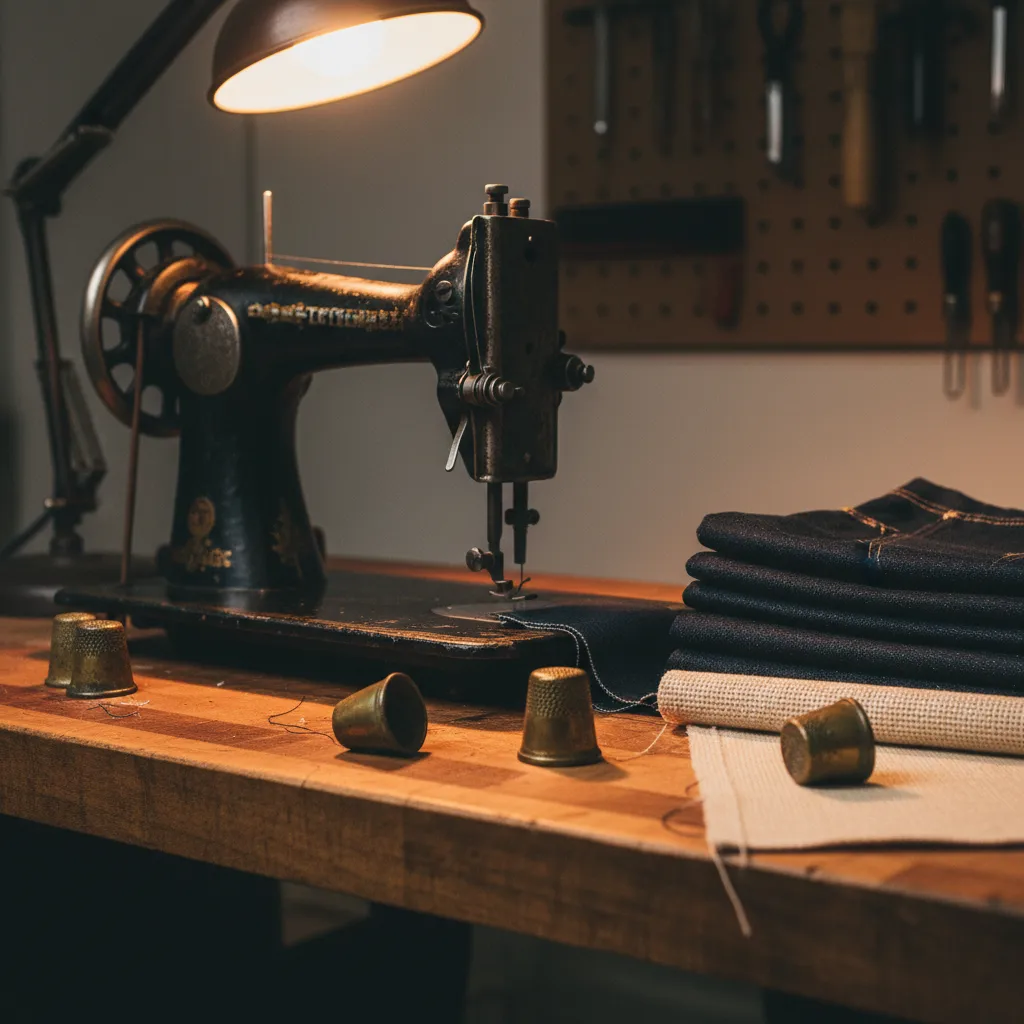
Textile selection in Northside Brooklyn often emphasizes fabric character that develops patina over years of wear. Whether you are comparing indigo-dyed kasuri weaves, washed Belgian flax linen, or recycled Scottish woollen checks, hold the swatch up against the steel-mullioned factory windows to check weave density and recovery. A cloth that creases softly at the elbow and relaxes to your movement creates a lived-in silhouette tailored specifically to your proportions.
Collaborating on Silhouette, Trouser Rise, and Pocket Architecture
Working directly with an independent Brooklyn pattern maker invites a collaborative conversation around proportion and silhouette. Rather than defaulting to a standard slim cut, many Williamsburg makers encourage clients to explore a slightly higher trouser rise that sits comfortably at the natural waist, paired with double forward pleats or a clean side-tab cinch waist that eliminates the need for a belt.
On the jacket torso, you can discuss functional pocket variations suited to creative daily routines—from bellows hip pockets with concealed button tabs to deep interior passport and sketchbook pockets reinforced with cotton twill tape. During the muslin toile or basted cloth try-on, stepping across the wide timber floorboards and testing arm mobility ensures the back scye and pleated shoulder blades move effortlessly whether you are cycling across Brooklyn or attending an evening gallery opening.
Waterfront Strolls from Domino Park to Marsha P. Johnson Park
One of the finest advantages of scheduling a studio visit in Williamsburg is the immediate proximity to the revitalized East River shoreline. Just west of Wythe Avenue along River Street, Domino Park—opened in 2018 around the landmark 1882 brick smokestack and raw sugar filter house of the Domino Sugar Refinery—offers elevated walkways, salvaged industrial cranes, and sweeping views of the Manhattan skyline where you can clear your head between textile consultations.
Continuing north along Kent Avenue brings you to the open lawns and shoreline boulders of Marsha P. Johnson State Park at North 8th Street, while Berry Street's pedestrian-friendly blocks invite stops at neighborhood coffee roasters and design shops. Using the Karpo APP to organize your Brooklyn studio notes alongside waterfront viewpoints turns a bespoke garment commission into an inspiring day across Williamsburg's creative corridor.
Pattern Archiving, Muslin Toiles, and Iterative Wardrobe Building
A major benefit of establishing a relationship with a Williamsburg studio loft is the creation of a permanent personal paper pattern archive. During your initial commission near Wythe Avenue or Berry Street, the cutter drafts an individual brown-paper block for your torso and trousers, then often stitches a preliminary trial garment in unbleached cotton muslin or calico toile. Trying on this cotton toile allows bold experimentation with lapel width, patch pocket scale, and back yoke pleats before cutting into rare Japanese selvedge cloth.
Every modification marked in blue or red tailor's chalk during the muslin fitting is transferred back onto your master paper pattern and hung on a numbered rack in the workroom. When you return in a later season for an unlined summer chore blazer or wide-leg linen Gurkha trousers, the studio already holds your exact shoulder slope, posture balance, and hip curve on file, turning subsequent commissions into creative textile explorations.
Testing Garment Movement for Creative Daily Routines
Because Brooklyn patrons rarely stand still in a garment, a productive fitting in a Williamsburg waterfront loft involves dynamic movement checks rather than static mirror poses. Fold your arms across your chest, reach upward as if adjusting studio lighting or holding an overhead subway strap on the L train at Bedford Avenue, and sit on a wooden work stool to verify how the trouser thigh and knee drape when seated.
If the jacket collar lifts away from the shirt neck when you reach forward, the pattern maker can raise the back balance or reshape the armhole curve so the sleeve moves independently of the body shell. Adding subtle action details—such as a hidden bi-swing shoulder pleat, a gusseted underarm panel, or a split waistband notch at the center back—ensures your bespoke pieces feel effortless across every studio, gallery, and waterfront block in Brooklyn.
Hardware, Horn Buttons, and Indigo Care in Northside Lofts
Choosing finishing hardware in a Williamsburg studio loft goes far beyond standard glossy plastic buttons. Makers along Wythe Avenue and Kent Avenue keep trays of sand-cast solid brass workwear buttons, smoked mother-of-pearl, Matte burned buffalo horn, and Japanese laurel-leaf donut buttons used on heavyweight denim chore coats. Each button is hand-shanked with waxed linen thread wrapped six times around the stem so thick selvedge buttonholes fasten smoothly without straining the facing.
Raw indigo-dyed textiles and unwashed linen blends also reward mindful seasonal maintenance. Rather than machine-washing or steam-pressing a raw Japanese denim or slubby linen sport coat, air the garment beside an open loft window after wear and spot-clean cuffs with cold water and a soft cloth. Allowing the fabric to crease organically along the inner elbow and pocket flap builds a three-dimensional patina that reflects your personal routes across Brooklyn and Manhattan.
Ask Karpo for more information.
Keep reading
- Chelsea Consignment Shop Crawl Planner for Your First Studio
 East Village Consignment Shop Crawl Planner: Leather Jackets
 Harlem Consignment Shop Crawl Planner for a Jazz Night Look