 Chelsea Consignment Shop Crawl Planner for Your First Studio
Hidden Gems & Odd Finds
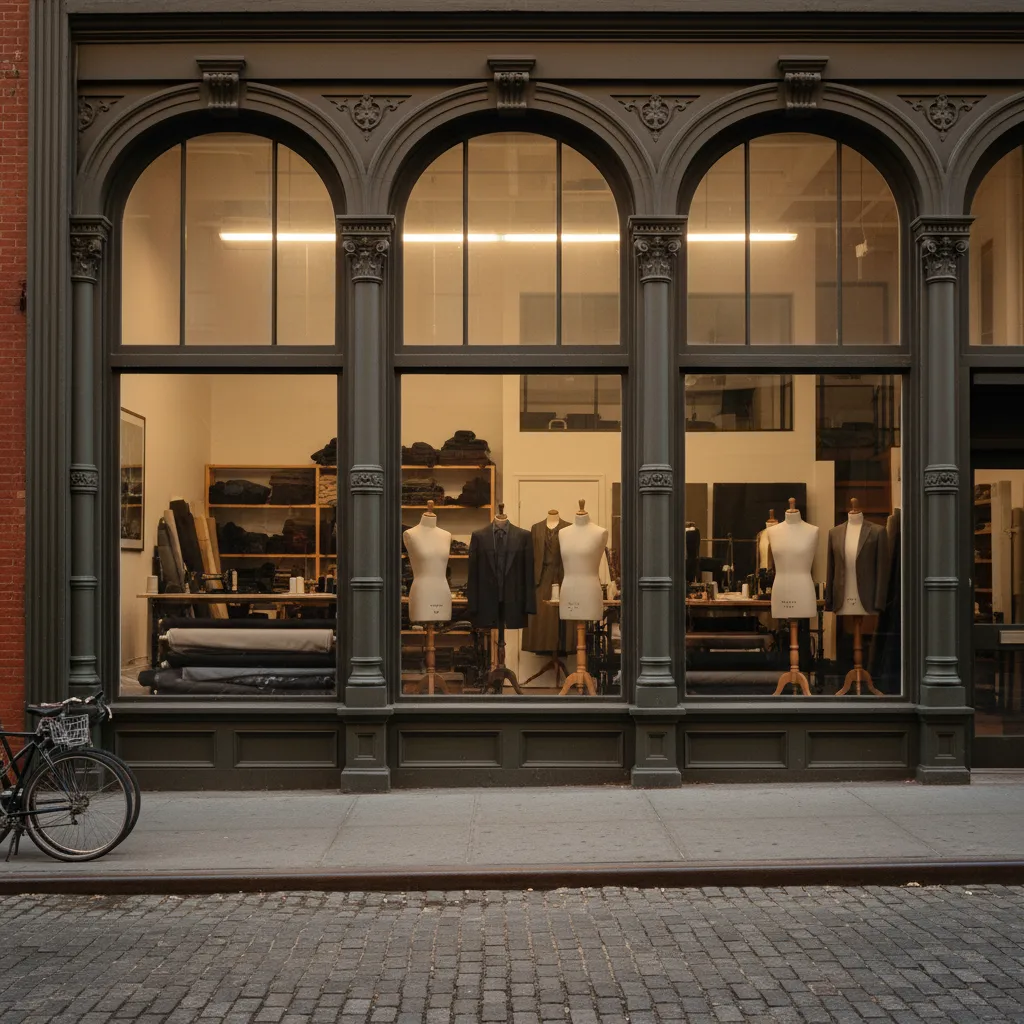
SoHo Bespoke Tailor Atelier Walk across Cast Iron Lofts
Walk Greene and Broome Streets in SoHo to compare full-canvas suiting, worsted wool drape, and basted fitting workflows across cast-iron lofts.
Morning sun angles sharply across the Belgian block paving of Greene Street and Mercer Street, illuminating the fluted Corinthian columns of the SoHo Cast-Iron Historic District designated in 1973. Behind those nineteenth-century tall arched windows built between 1869 and 1895, upper-floor lofts provide the unobstructed northern daylight that master cutters prize when drafting paper patterns and inspecting dark worsted suiting. Exploring a bespoke tailor atelier corridor in SoHo means stepping away from ground-level fast fashion on Broadway and looking upward toward quiet second-floor and third-floor workrooms where chalk, steam, and shears define the rhythm of the room. Browsing neighborhood context in the Karpo APP helps visitors connect these historic industrial blocks with nearby design bookstores and gallery courtyards along Broome Street and Spring Street.
Why Cast Iron Loft Daylight Matters for Suiting Cloth
Evaluating superfine merino wool, Barathea weave, or three-ply fresco cloth under artificial showroom spotlights often distorts undertone and surface sheen. In the loft buildings stretching from Canal Street north to Houston Street, twelve-foot ceilings and floor-to-ceiling cast-iron window bays flood cutting tables with diffused natural light. When a cutter unfolds a bolt of midnight navy or charcoal herringbone across a walnut table, that broad daylight reveals how the twill line catches movement in real outdoor conditions.
Visitors walking Mercer Street and Wooster Street can observe how upper-story workrooms preserve the nineteenth-century textile warehouse heritage of Lower Manhattan. Heavy freight elevators and wide timber staircases originally engineered for dry-goods merchants now carry bolts of English flannel and Italian high-twist tropical wool. Standing near a tall window bay with a swatch book in hand allows you to compare open-weave hopsack against denser gabardine while watching how shadows fall across the grain.
Anatomy of Full Canvas Construction on the Cutting Bench
True bespoke garment making begins long before a sewing machine needle touches the outer cloth. On a traditional cutting bench, the pattern drafter translates more than thirty anatomical posture observations into brown manila paper templates tailored to an individual shoulder slope, collarbone prominence, and stance. Rather than relying on fusible glue interlinings that stiffen over time, a classic loft workroom builds the chest architecture from floating layers of horsehair canvas, linen chest felt, and cotton domette.
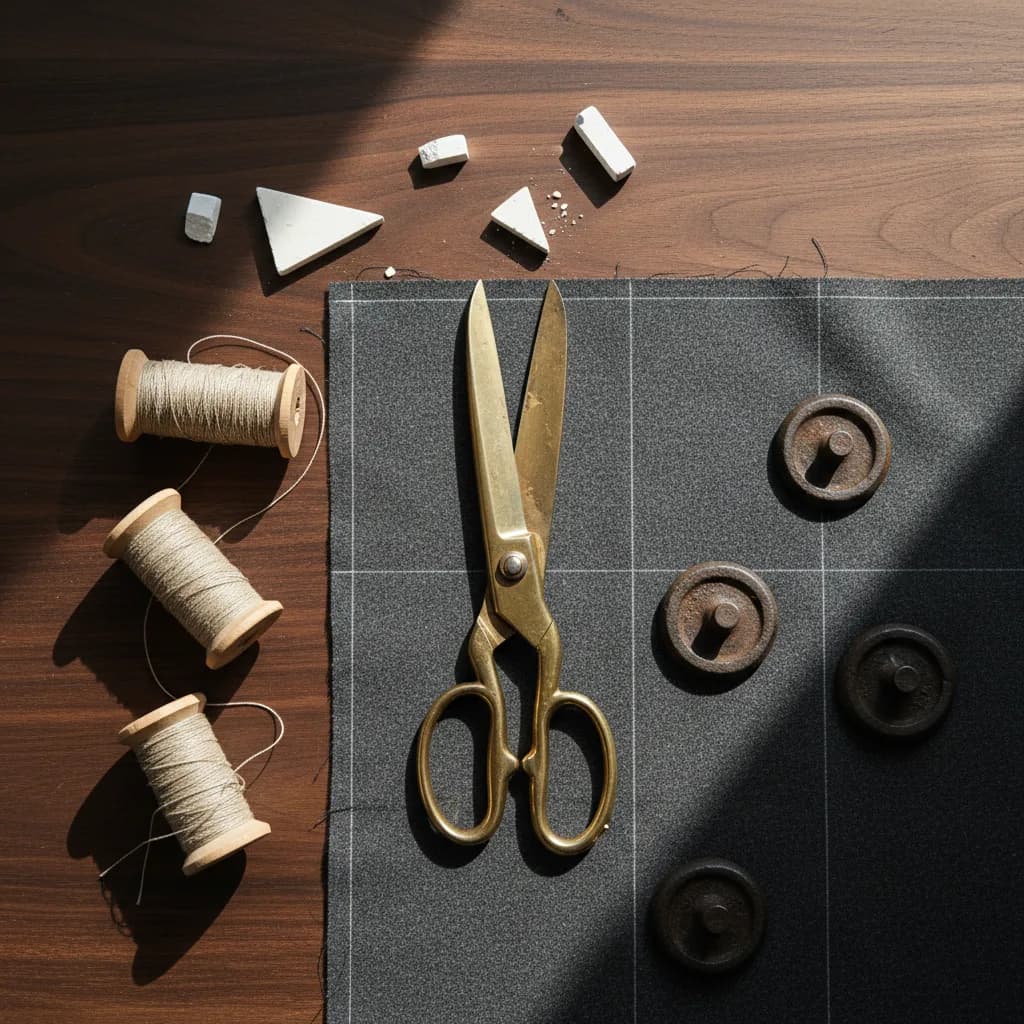
During the hand-basting stage, stitchers join the outer suiting wool to that internal canvas skeleton with loose white cotton threads and hundreds of diagonal pad stitches along the lapel roll. This painstaking handwork gives the lapel a natural three-dimensional curve that springs back into place after years of wear. Examining a half-finished canvas shell on a wooden dress form reveals how the collar is shaped with a heavy steam iron and curved pressing ham to hug the back of the neck without gapping when the wearer moves.
Navigating Basted Fittings from Greene Street to Spring Street
Commissioning custom garments follows a deliberate multi-stage sequence that rewards patience and clear visual communication. The first fitting, known among cutters as the skeleton baste, presents the jacket without finished lapels, pocket flaps, or buttonholes, held together entirely by white basting thread so seams can be let out or taken in within minutes. A second forward fitting refines sleeve pitch, waist suppression, and trouser break once the pockets and lining are set in place.
To make the most of a SoHo tailoring walk, wear a well-fitted collared dress shirt and the exact leather dress shoes or loafers you intend to pair with the finished trousers. Subtle differences in heel height and shirt cuff circumference directly affect how a cutter marks the trouser hem and jacket sleeve crown. Keeping your personal fabric notes and neighborhood stop ideas organized in the Karpo APP makes it easy to space out studio visits between morning fittings and afternoon fabric reviews.
Pairing Your SoHo Studio Walk with Architecture and Espresso
Between consultation stops along Crosby Street, Broome Street, and West Broadway, the surrounding historic district offers calm architectural pauses away from weekend shopping crowds. You can admire the ornate 1872 Haughwout Building facade at the corner of Broome Street and Broadway, where the earliest passenger elevator in a commercial building helped usher in the multi-story loft era, or stroll west toward the New York City Fire Museum housed in a 1904 Beaux-Arts firehouse at 278 Spring Street.
Stepping out onto the cobblestones of Wooster Street or pausing by the triangular plaza at Petrosino Square near Lafayette Street gives your eyes a fresh baseline after comparing dozens of dark suiting swatches. Whether you are studying the hand-rolled edge of a silk pocket square, checking the weight of a winter cashmere overcoat cloth, or learning how horn buttons are shanked by hand with waxed linen thread, SoHo remains one of Manhattan's most rewarding districts for slow garment craftsmanship.
Reading Trouser Drape, Pleat Depth, and Cuff Balance
While jacket shoulders and lapel rolls capture immediate attention on a mannequin, experienced SoHo cutters devote equal scrutiny to the architectural hang of bespoke trousers. Standing on a low wooden fitting platform in front of a triple mirror on Mercer Street or Greene Street, you can see how a clean forward pleat or double reverse pleat opens smoothly across the hip bone before falling in a single unbroken vertical crease down to the shoe vamp. A full-bodied worsted flannel or heavy whipcord hangs cleanly from a higher natural waist without clinging to the calf when walking across uneven SoHo cobblestones.
Evaluating cuff height and hem width in natural loft daylight helps balance visual proportions between torso and leg line. Many patrons visiting cast-iron studio lofts favor a traditional turn-up cuff combined with an angled military hem—cut slightly longer at the heel counter than over the laces—so the cloth rests gently on the leather shoe without bunching. Side-adjuster buckles forged in solid brass or horn buttons set inside the waistband for braces keep the waistband line smooth under a single-breasted waistcoat or open sport coat.
Caring for Worsted Suiting in Manhattan Humidity and Winter
Even the finest hand-canvassed garment relies on thoughtful care between wears in New York's shifting four-season climate. After a full day moving between subway platforms near Spring Street or Prince Street and heated loft buildings, hang your jacket on a contoured wide-shoulder cedar or beechwood hanger that supports the collar stand and sleeve crown. Brushing the wool surface from top to bottom with a soft natural boar-bristle clothes brush removes street dust before fibers settle into the twill weave.
Rather than sending a bespoke suit for frequent chemical dry cleaning, which strips natural lanolin from merino fibers and flattens the three-dimensional roll of the lapel, allow the wool forty-eight hours of air circulation in a breathable closet between wears. When seasonal pressing is needed, returning the garment to a studio workroom for hand-sponging and shaping on curved wooden pressing bucks preserves the internal horsehair canvas chest contour for decades.
Ask Karpo for more information.
Keep reading
- Chelsea Consignment Shop Crawl Planner for Your First Studio
 East Village Consignment Shop Crawl Planner: Leather Jackets
 Harlem Consignment Shop Crawl Planner for a Jazz Night Look