 Chelsea Consignment Shop Crawl Planner for Your First Studio
Hidden Gems & Odd Finds
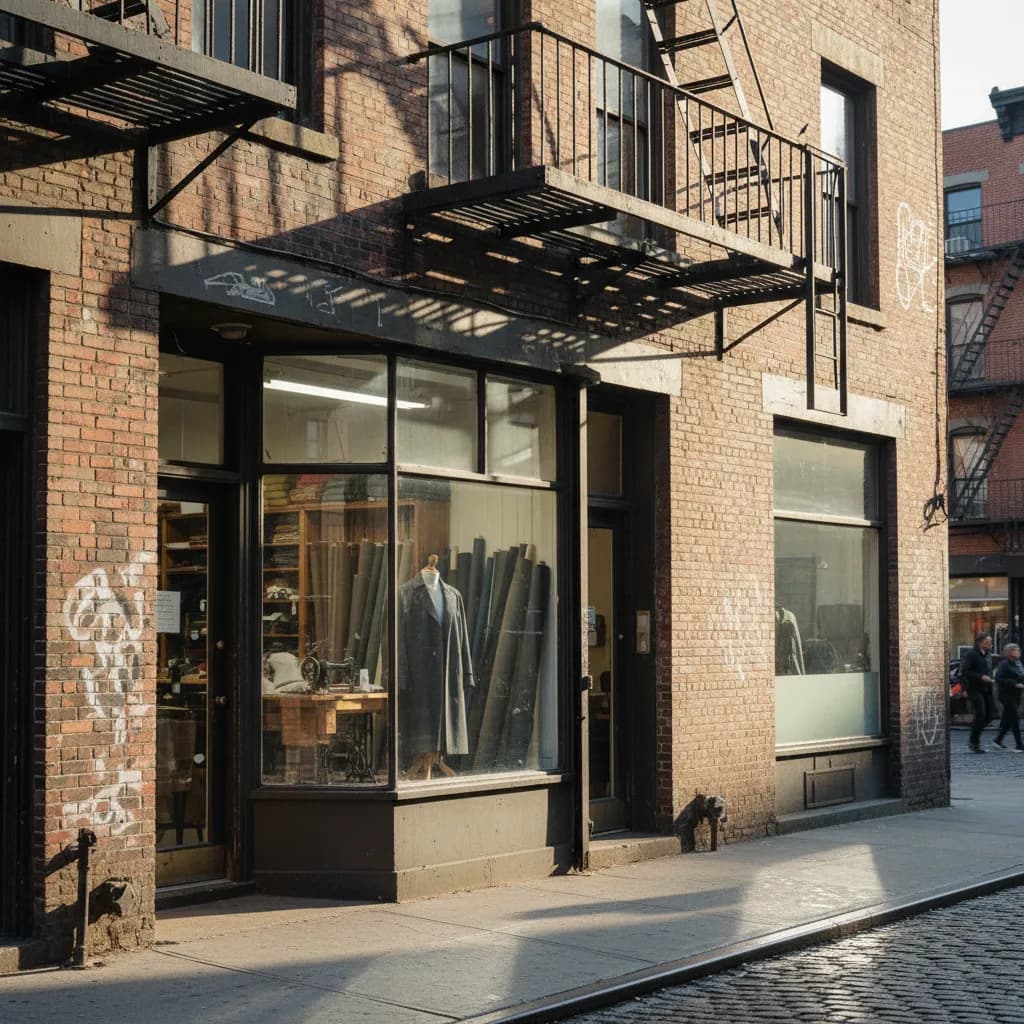
Orchard Street Bespoke Tailor Atelier Walk in Lower East
Walk Orchard and Ludlow Streets on the Lower East Side to inspect horsehair canvas chest work, vintage wool overcoats, and Tenement museum blocks.
Few neighborhoods in North America carry a deeper historical connection to needle, thread, and pressing iron than the Lower East Side of Manhattan. Along Orchard Street, Ludlow Street, and Allen Street—where immigrant cutters, pressers, and bushelmen established the backbone of New York's garment trade between the 1880s and 1920s—narrow pre-war tenement storefronts now shelter a vibrant generation of independent clothiers. Exploring a bespoke tailor atelier walk along the Orchard Street corridor connects twenty-first-century custom suiting directly to the neighborhood's nineteenth-century sartorial roots. With the Karpo APP on hand, you can map out a walking loop from Grand Street north to Delancey Street and Houston Street.
From Historic Tenement Workshops to Modern Orchard Street Studios
Walking past the preserved 1863 brick facade of the Lower East Side Tenement Museum at 97 Orchard Street provides immediate historical context for the tailoring storefronts lining the surrounding blocks. Over a century ago, families cut woollens and hand-felled collars in gaslit front rooms while pushcarts sold buttons, silk thread, and suiting remnants outside on Hester Street and Canal Street.
Today's independent studios on Orchard Street, Broome Street, and Ludlow Street honor that legacy inside narrow, character-filled ground-floor spaces with pressed-tin ceilings, exposed brick walls, and triptych standing mirrors. Rather than hiding the workshop behind a velvet showroom curtain, many Lower East Side tailors place their cutting tables and pressing boards in plain view of the front window, allowing passersby to see chalk lines, basting needles, and heavy steam irons in action.
Understanding Overcoat Drape, Raglan Shoulders, and Heavy Woollens
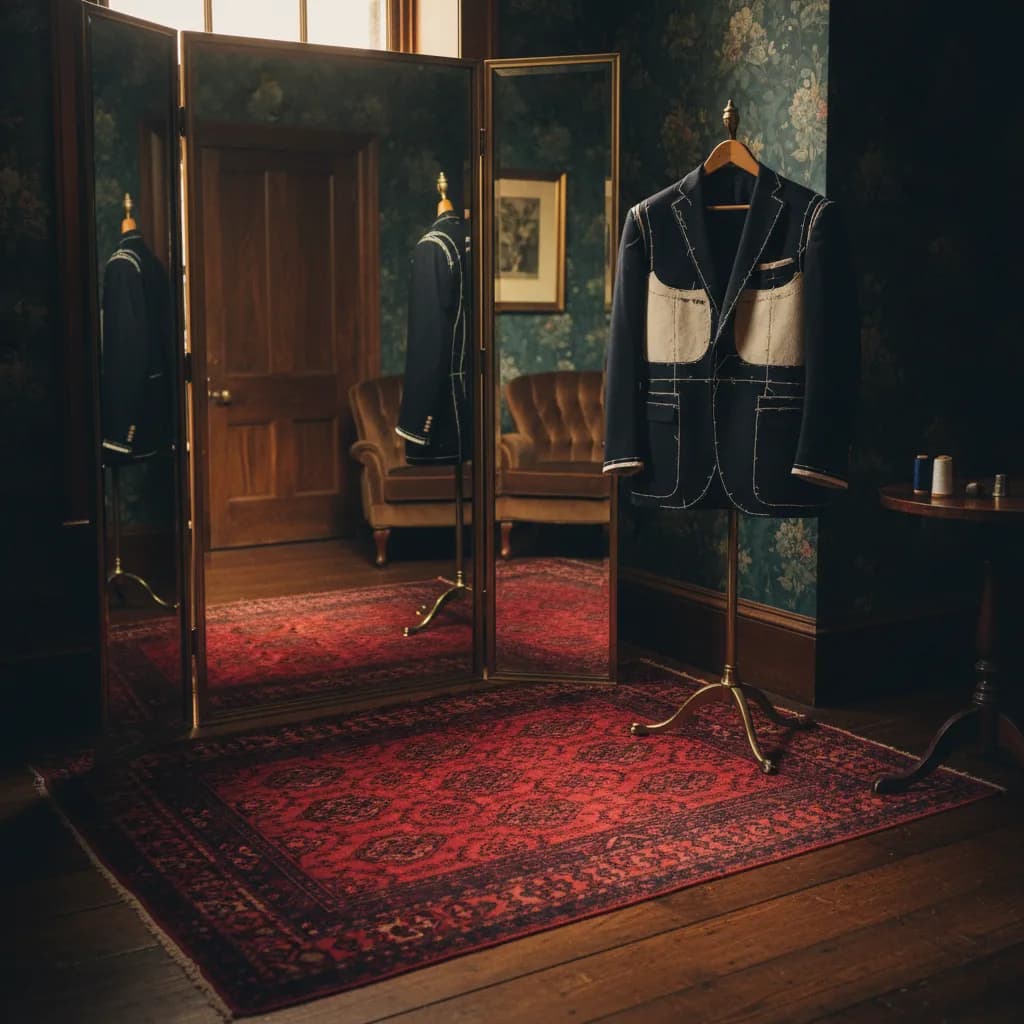
While lightweight suiting is a staple year-round, the Orchard Street corridor shines especially brightly when evaluating structured outerwear and textured cold-weather tailoring. Examining a custom Ulster overcoat, polo coat, or balmacaan on a tailor's dummy reveals how heavyweight cloths—from twenty-ounce cavalry twill and Melton wool to herringbone Harris Tweed—require specialized edge taping and hand-worked buttonholes to sit cleanly without bulk.
When discussing coat or jacket silhouettes with a Lower East Side cutter, pay close attention to shoulder seam geometry and collar stand height. A classic set-in sleeve with a lightly roped crown delivers a sharp architectural frame over a business suit, whereas a two-piece raglan or split-yoke shoulder creates a fluid, rounded line that layers effortlessly over thick knitwear. Checking how the collar stand is hand-padded with linen canvas ensures the lapel stays snug against the neck during brisk winds off the Manhattan Bridge.
Deadstock Suiting Finds and Personalizing Interior Details
One of the signature pleasures of visiting independent ateliers on the Lower East Side is the chance to inspect limited-run vintage and deadstock fabric lengths alongside standard seasonal mill books. Several workrooms curate archival bolts of mid-century English worsted flannel, vintage glen plaid, and silk jacquard linings stored on cedar shelves at the back of the shop.
Because each archival bolt contains only enough yardage for one or two garments, selecting a length from the shelf guarantees a suit or jacket that cannot be replicated elsewhere. During your consultation, take time to inspect functional sleeve cuff buttonholes—known as surgeon's cuffs—along with hand-bar-tacked ticket pockets, double-besom hip pockets, and waistbands lined with grippy woven cotton curtaining that keeps shirting neatly tucked from morning through late evening.
A Cultural Loop Past Essex Market and Seward Park
An Orchard Street tailoring walk sits right at the crossroads of the Lower East Side's cultural and culinary landmarks. After stepping out of a fitting near Broome Street or Grand Street, you can walk two blocks east to the historic 1909 Beaux-Arts Seward Park Library at 192 East Broadway bordering the leafy benches of Seward Park, or head north toward the culinary stalls of Essex Market at Essex Street and Delancey Street.
Recording your favorite fabric mills, lapel widths, and neighborhood gallery stops in the Karpo APP keeps your Lower East Side exploration structured without feeling rushed. Between the cast-iron fire escapes overhead and the quiet hum of sewing machines inside Orchard Street's ground-floor ateliers, the neighborhood proves that authentic bespoke craftsmanship remains woven into the fabric of Downtown Manhattan.
Hand-Pressed Lapel Rolls, Collar Meltons, and Under-Pressing
Inside the ground-floor workrooms of Orchard Street and Ludlow Street, the heavy cast-iron steam iron is treated as a sculpting tool rather than a finishing appliance. Long before the outer jacket panels are assembled, tailors perform dozens of intermediate under-pressing steps over curved tailor's hams, sleeve boards, and wooden clappers. Shrinking the wool along the hollow of the waist while stretching the chest canvas creates a permanent anatomical contour that mimics the ribcage.
Turning a finished jacket collar upright on an Orchard Street worktable reveals the hand-felled undercollar melton—a dense wool felt cut on the bias and stitched with hundreds of tiny herringbone tacking stitches. That hidden foundation prevents the collar points from curling upward over time and ensures the lapel break folds softly right above the top waist button without a harsh flat crease.
Planning a Multi-Season Suiting Strategy on the Lower East Side
For visitors building a cohesive wardrobe along the Lower East Side corridor, starting with a versatile mid-weight worsted or flannel suit with two pairs of trousers extends the lifespan of the commission significantly. Trousers absorb far more friction at the seat, pocket edges, and inner cuff than a jacket; rotating two identical pairs or pairing one pleated trouser with one flat-front trouser keeps the ensemble looking fresh year after year.
You can also ask an Orchard Street cutter to draft an odd waistcoat or reversible vest from a contrasting tattersall check or moleskin remnant that bridges formal occasions and casual weekend wear. Stepping out onto the historic sidewalks between Canal Street and Houston Street after reviewing your basted fitting lets you appreciate how living craftsmanship continues to thrive along Manhattan's oldest garment streets.
Pocket Construction, Silk Linings, and Hand-Stitched Lapels
Examining the interior of an Orchard Street jacket reveals how classic tailoring balances utility with structural durability. Rather than anchoring interior breast pockets solely to the slippery silk or cupro lining, traditional Lower East Side makers cut the pocket mouth directly through a extended tongue of wool facing—a detail known as a French facing—so heavy items like eyeglasses or a leather wallet pull against the canvas chest frame rather than distorting the outer front panel.
Along the lapel edge and pocket flaps, subtle hand pick-stitching worked in silk buttonhole twist controls the thickness of the turned cloth seam. Whether you prefer a recessed jetted pocket for sleek evening wear, a slanted hacking pocket inspired by equestrian coats, or an external ticket pocket above the right hip, each detail is basted and pressed flat with a wooden clapper before the final lining is felled by hand.
Ask Karpo for more information.
Keep reading
- Chelsea Consignment Shop Crawl Planner for Your First Studio
 East Village Consignment Shop Crawl Planner: Leather Jackets
 Harlem Consignment Shop Crawl Planner for a Jazz Night Look