 Chelsea Consignment Shop Crawl Planner for Your First Studio
Hidden Gems & Odd Finds
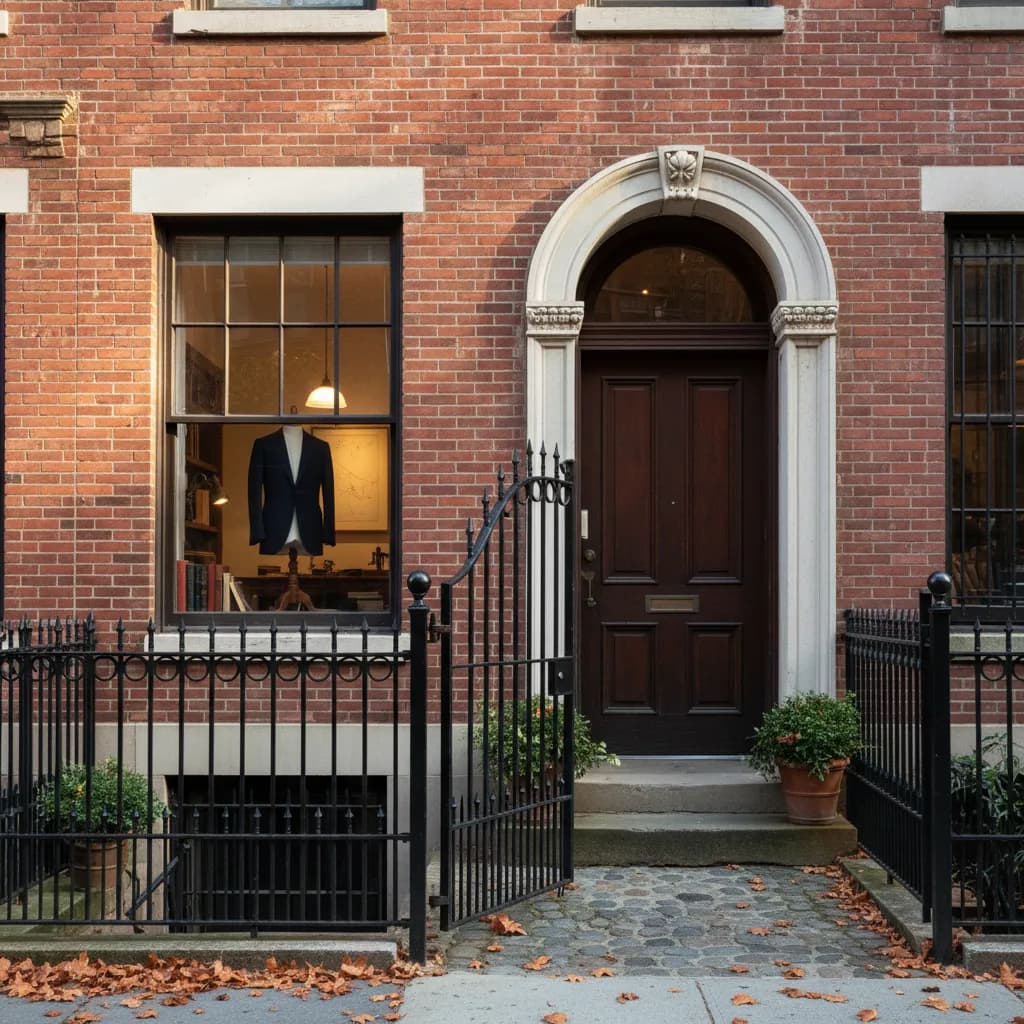
Washington Square Bespoke Tailor Atelier Walk in Village
Stroll Washington Square North and University Place in Greenwich Village to compare English wool bunches, Milanese buttonholes, and eveningwear.
Framed by Stanford White's 1892 marble arch and the Greek Revival brick facades of The Row built along Washington Square North in 1832 and 1833, the central blocks of Greenwich Village exude a quiet literary and academic poise. Strolling from Washington Square Park up University Place, MacDougal Alley, and West 8th Street introduces a timeless setting for a bespoke tailor atelier route focused on classic formalwear, structured lounge suits, and fine dress shirting. Using the Karpo APP to organize your walking loop around Washington Square helps you pair quiet atelier visits with historic carriageways and architectural landmarks.
Greek Revival Rowhouses and the Tradition of Village Dress
The blocks immediately north and east of Washington Square have long balanced Bohemian artistic history with refined residential architecture. Behind black wrought-iron gates and white stone lintels along University Place, Ninth Street, and Tenth Street, garden-level and parlor-floor ateliers offer serene consultation rooms insulated from the bustle of Broadway and Fifth Avenue.
In these wood-paneled and north-lit rooms, the emphasis often rests on enduring wardrobe cornerstones: midnight blue barathea dinner jackets, charcoal three-piece worsted suits, double-breasted flannel blazers, and crisp two-fold cotton poplin dress shirts. The calm, library-like atmosphere encourages thoughtful comparison of subtle weave differences—such as distinguishing a classic sharkskin pick-and-pick from a fine birdseye or nailhead suiting cloth.
Inspecting Milanese Lapel Buttonholes and Silk Facings
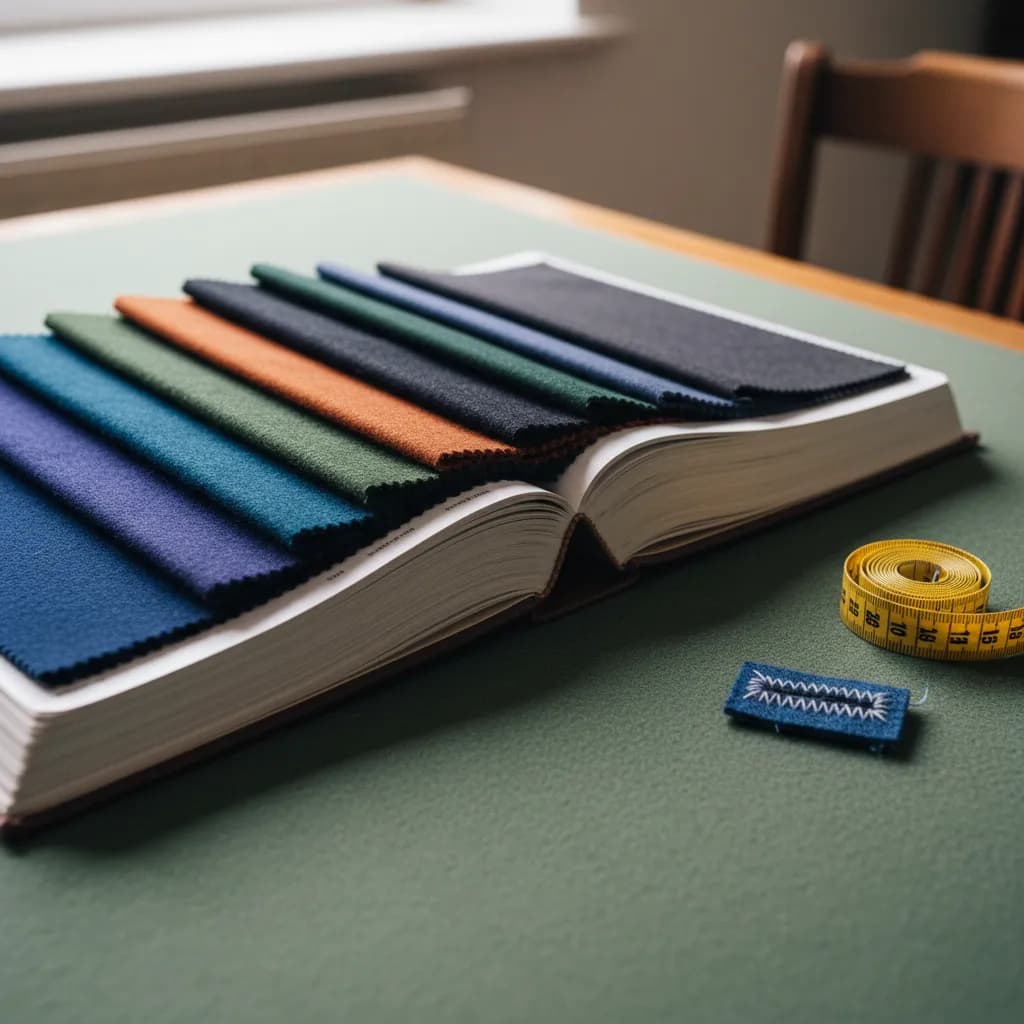
Formalwear and classic lounge tailoring reveal a workshop's true hand-sewing discipline because clean dark fabrics leave nowhere for imprecise stitching to hide. When examining a peak-lapel or shawl-collar dinner jacket near Washington Square, look closely at the left lapel for a hand-worked Milanese buttonhole, where a fine silk gimp cord is wrapped stitch by stitch with waxed silk thread to create a raised, sculptural border.
Equally telling is the transition where silk grosgrain or satin facing meets the wool lapel edge, along with the hand-felled silk lining inside the armhole scye. A meticulously balanced formal jacket distributes its weight evenly across the trapezius and collarbones so the front edges hang parallel without pulling at the single waist button. Running your fingers along the underside of the collar reveals tight rows of hand-sewn linen melton stitching that lock the neck curve in place.
Coordinating Bespoke Dress Shirting with Suiting Proportions
A bespoke suit or dinner jacket reaches its full visual harmony only when paired with a shirt cut to complement the jacket's lapel width and gorge height. Around Greenwich Village and University Place, consultations frequently address collar spread, tie space, and interlining stiffness alongside jacket drafting so that the shirt collar points tuck cleanly beneath the jacket lapel roll without collapsing.
During a shirting and suiting review, cutters evaluate neck posture, shoulder asymmetry, and wrist bone prominence to cut independent left and right sleeve patterns. Split-yoke back panels cut on the bias allow comfortable forward reach, while mother-of-pearl buttons shanked by hand and single-needle side seams with high stitch density ensure the shirt withstands decades of laundering without puckering.
Walking MacDougal Alley and University Place After Your Fitting
Stepping out from a fitting near Washington Square opens directly onto some of Manhattan's most atmospheric nineteenth-century enclaves. Half a block north of Washington Square North, you can peer into MacDougal Alley and Washington Mews—private cobblestone lanes lined with nineteenth-century stables converted into artists' studios—or walk past the historic Whitney Studio complex on West 8th Street that has anchored Village art life since 1914.
From there, a leisurely stroll up University Place toward Union Square passes classic bookshops, quiet espresso counters, and architectural terra-cotta facades. Keeping your sartorial notes, fabric bunch comparisons, and Village walking stops saved in the Karpo APP turns a visit around Washington Square into a refined exploration of New York's tailoring and architectural heritage.
Waistcoat Proportions, Formal Trousers, and Braid Trimmings
Around Washington Square and University Place, three-piece lounge suits and black-tie ensembles highlight the geometric interplay between waistcoat, trouser rise, and jacket front cut. A traditional bespoke waistcoat—whether single-breasted with five buttons or double-breasted with a shawl lapel—must cover the trouser waistband completely without peeking too high above the jacket's buttoning point. Cutters achieve this harmony by drafting a high-waisted trouser supported by interior brace buttons so the shirt never shows a gap at the waist.
For formal evening trousers crafted to accompany a midnight blue or black barathea dinner jacket, the outer leg seam is finished without a turn-up cuff and trimmed with a single strip of silk braid that conceals the side stitching. Inside the waistband, traditional fishtail back extensions lined in cream silk or fine cotton batiste keep braces anchored comfortably across the shoulders throughout an evening concert or dinner near Fifth Avenue.
Timeless Fabric Bunches for Four-Season New York Wear
Flipping through heritage English and Italian mill bunches at a green baize table in Greenwich Village offers a masterclass in textile engineering. For crisp autumn and winter evenings around Washington Square Park, thirteen-ounce milled worsted flannel and heavyweight Barathea provide clean drape and natural wrinkle recovery that lighter synthetic blends can never match.
When commissioning pieces for warmer spring and early summer gatherings in the Village, high-twist two-ply and three-ply open-weave wools—along with silk-wool hopsack and crisp Irish linen—allow air to pass through the cloth while keeping a sharp shoulder line. Taking thoughtful notes on weave weight, buttonhole silk shade, and lapel proportions ensures every Greenwich Village fitting builds toward a wardrobe of quiet, enduring distinction.
Evening Overcoats, Chesterfield Collars, and Formal Care
Completing a formal or business wardrobe around Washington Square often leads to commissioning a traditional Chesterfield overcoat or dark navy dress coat cut to glide smoothly over a dinner jacket. Distinguished by its fly-front concealed button placket and optional black velvet top collar, a bespoke Chesterfield drafted along University Place provides warmth during winter walks past Washington Square Arch without crushing the silk facings of the lapel underneath.
Preserving silk satin or barathea facings on formal garments requires keeping direct iron heat away from the lapel surface. Experienced Greenwich Village pressers place a dry cotton press cloth over the garment and steam from the reverse side using a velvet needle board that prevents shiny pressure marks on fine worsted yarn. Storing formal pieces in breathable cotton garment bags with cedar blocks ensures your custom eveningwear remains ready for every milestone occasion in the city.
Ask Karpo for more information.
Keep reading
- Chelsea Consignment Shop Crawl Planner for Your First Studio
 East Village Consignment Shop Crawl Planner: Leather Jackets
 Harlem Consignment Shop Crawl Planner for a Jazz Night Look