 Chelsea Consignment Shop Crawl Planner for Your First Studio
Hidden Gems & Odd Finds
Williamsburg Bespoke Shoemaker Guide: East River Lofts
Build a Williamsburg bespoke shoemaker route along Wythe and Kent loft blocks in Karpo APP to compare stitchdown boot soles, wax hides, and fitting stops.
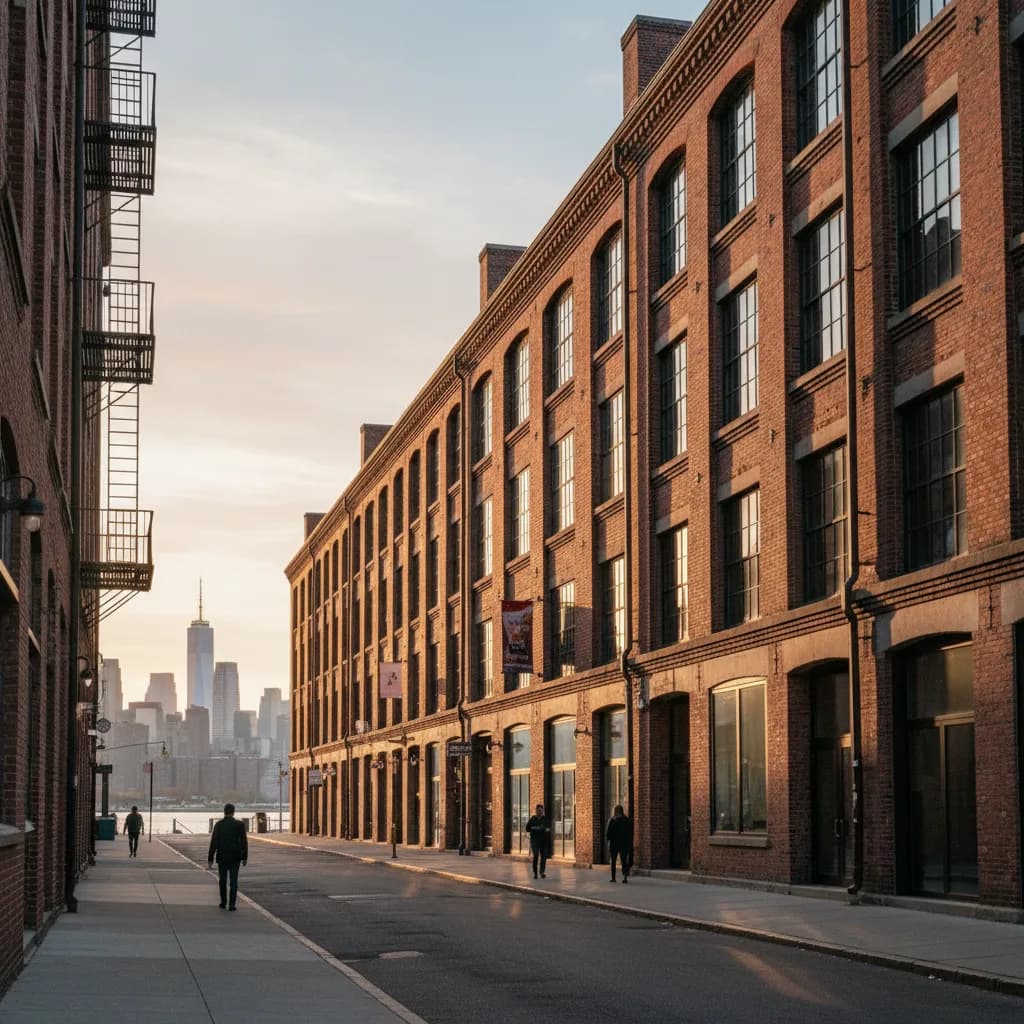
Across the East River from Lower Manhattan—linked by the steel trusses of the Williamsburg Bridge since 1903—North Brooklyn's waterfront industrial zone has evolved into a stronghold for independent leatherworkers and studio bootmakers. Red-brick manufacturing lofts built during the 1880s along Wythe Avenue, Kent Avenue, and Berry Street provide ground-floor loading bays and high-ceilinged workshop bays where heavier machinery, outsole presses, and hand-lasting benches coexist comfortably. By organizing your Brooklyn visit in the Karpo APP before riding the L train to Bedford Avenue, you can group waterfront studio corridors, keep custom boot specification notes handy, and map a relaxed walking circuit between Grand Street and McCarren Park.
Industrial Brick Lofts And North Brooklyn Maker Culture
Warehouse architecture along the Williamsburg shoreline fosters a distinctly rugged, utilitarian approach to custom footwear compared with Manhattan's formal dress-shoe parlors. Spacious workrooms near the intersections of Wythe Avenue, North 4th Street, and Metropolitan Avenue allow makers to stock full sides of hot-stuffed pull-up leather, waxed flesh roughout hides, and thick vegetable-tanned shoulder bends. Natural light pouring through steel-framed factory casements makes it easy to inspect deep indigo, olive chromexcel, and natural russet tanning variations that develop dramatic character within weeks of daily wear.
Visiting these converted industrial corridors also lets you observe the tactile mechanics of boot construction up close. Wide freight corridors and concrete or heavy maple floors absorb the rhythmic tapping of cobbler hammers and hand-cranked skiving machines without disturbing neighboring studios. When you stand for a foot tracing in a North Brooklyn loft, the conversation naturally centers on durability, stride mechanics across steel bridge walkways, and how a custom last can support long hours on concrete studio floors. Makers working along these blocks frequently keep cross-sectional sample boots on their worktables so visitors can examine heel counter stiffness, toe-box reinforcement, and welt channel depth before finalizing a design.
Comparing Hand-Welted, Stitchdown, And Norwegian Storm Constructions
Brooklyn's custom footwear scene excels at rugged welt geometries engineered to block slush, rain, and street grit during harsh Northeast winters. Beyond classic flat Goodyear or hand-sewn channeled welts, many waterfront makers specialize in two-row stitchdown construction or hand-plaited Norwegian storm welting. In a stitchdown build, the upper leather is flared outward at the featherline and stitched directly onto a heavy midsole extension, creating an exceptionally wide, stable footprint and a water-shedding perimeter seal. Because the upper wraps outward rather than tucking inward beneath an insole rib, the interior footbed area feels noticeably roomy and accommodating around the fifth metatarsal.
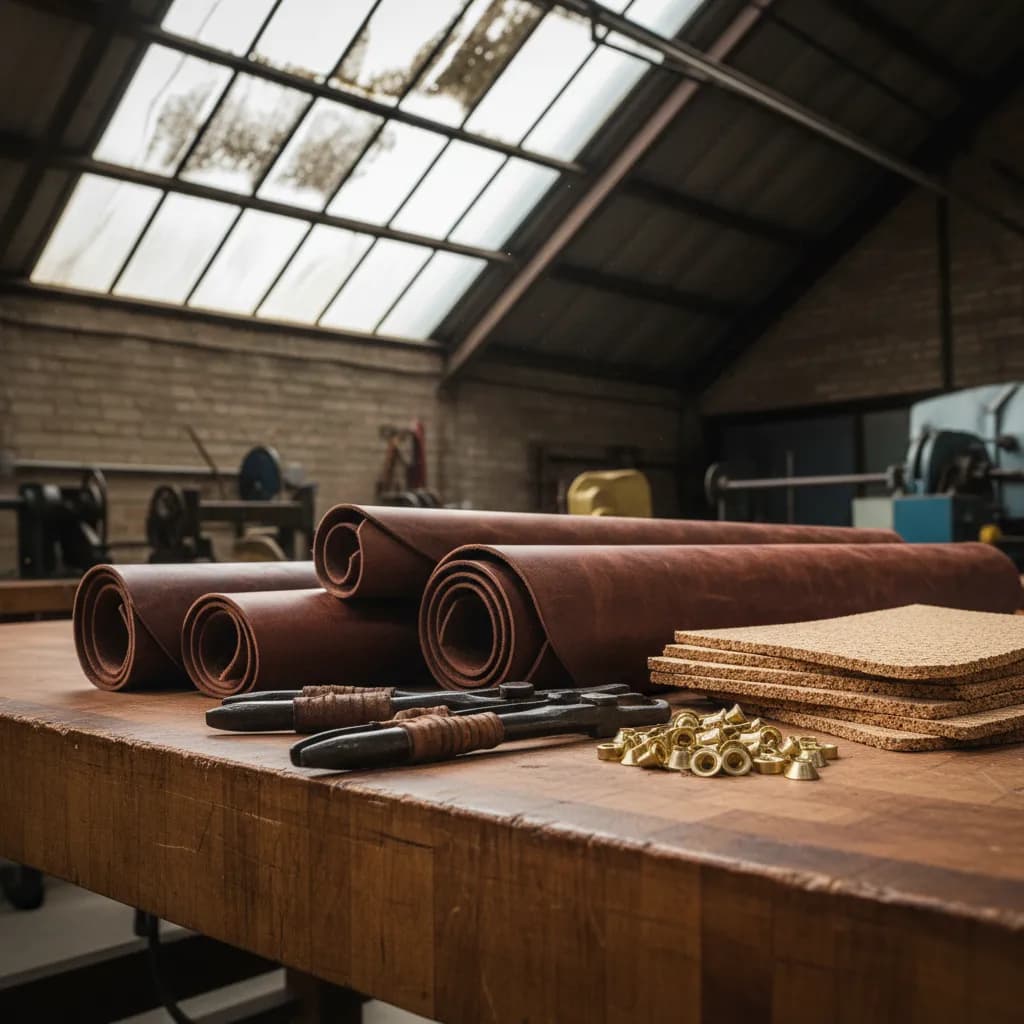
Norwegian and split-reverse storm welts take weather protection a step further by turning an upright rib of leather against the base of the upper so moisture cannot seep into the insole cavity. Discussing these structural options while reviewing cross-section samples helps you weigh silhouette refinement against all-weather resilience. Storing your preferred welt style, midsole thickness, and edge-dressing finish inside the Karpo APP keeps your technical brief organized as you move along Kent Avenue and Berry Street. You can also note whether a natural beeswax edge burnish or a dark espresso edge ink better complements your cold-weather outerwear.
Selecting Commando Lugs, Cork-Nitrile Outsoles, And Arch Shanks
Outsole engineering plays a decisive role when designing a custom service boot, engineer boot, or heavy derby meant for Brooklyn and Manhattan commuting. Commando-pattern rubber lug soles and low-profile studded rubber treads deliver confident grip on wet subway grating and slick warehouse loading docks without adding excessive visual bulk under straight-leg denim. Alternatively, vintage-style oil-resistant cork-nitrile soles—recognizable by suspended cork granules visible within the compound—offer quiet shock absorption and remarkable longevity on asphalt sidewalks.
Underneath the visible tread, the internal arch support system determines how effortlessly a heavy boot carries your weight over five-mile city walks. Depending on your foot volume and arch flexibility, a maker may recommend a tempered triple-ribbed steel shank, a sculpted layers-of-leather arch support, or a hand-pegged wooden shank reinforced with lemonwood pegs. Clarifying whether you have a high cavus arch or a flatter pronating stride during your measurement session ensures the footbed molds accurately to your anatomy.
Pacing An Afternoon Walk From Bedford Avenue To Domino Park
Arranging a balanced North Brooklyn itinerary turns a technical boot consultation into an enjoyable neighborhood architecture walk. Stepping out of the Bedford Avenue station on the L subway line or arriving at the Marcy Avenue station on the J, M, and Z trains puts you within easy reach of both the northern loft blocks around North 6th Street and the southern brick lanes near Broadway. Scheduling your studio walk for a Tuesday or Wednesday afternoon avoids the weekend flea-market congestion along East River waterfront promenades.
Between design discussions and leather swatch reviews, walk west toward the water to decompress along the elevated walkways of Domino Park or the breezy piers at Marsha P. Johnson State Park. Watching East River ferry traffic pass beneath the Williamsburg Bridge gives you a quiet moment to review your saved notes in the Karpo APP, compare hardware choices like antique brass speed hooks versus blind eyelets, and pick a neighborhood roastery along Wythe Avenue or Grand Street for a mid-afternoon break.
Breaking In Heavy Pull-Up Leather And Conditioning Waxed Roughout
Heavyweight custom boots built with thick leather midsoles and double-bend outsoles reward a patient, methodical break-in routine during the first two weeks of wear. Wearing your new pair indoors or on short three-block walks around Berry Street with medium-weight merino wool boot socks allows body heat and foot pressure to compress the granulated cork cavity gradually. As the vegetable-tanned insole takes the exact impression of your toes and heel ball, the stiff waist softens into a supportive, glove-like cradle.
Maintaining oiled pull-up hides and waxed roughout uppers requires different care products than high-gloss dress calfskin. For chromexcel and oil-tanned leathers, vigorous brushing with a dense horsehair brush redistributes natural waxes entrenched in the fibers to erase surface scuffs without darkening the hide, while a light coat of neutral neatsfoot or mink-free balm replenishes moisture twice a year. Waxed flesh roughout uppers can be refreshed after a rainy winter season by warming a blend of beeswax and natural tallow into the nap so the rugged, weatherproof finish stays intact for years.
Ask Karpo for more information.
Keep reading
- Chelsea Consignment Shop Crawl Planner for Your First Studio
 East Village Consignment Shop Crawl Planner: Leather Jackets
 Harlem Consignment Shop Crawl Planner for a Jazz Night Look