 Chelsea Consignment Shop Crawl Planner for Your First Studio
Hidden Gems & Odd Finds
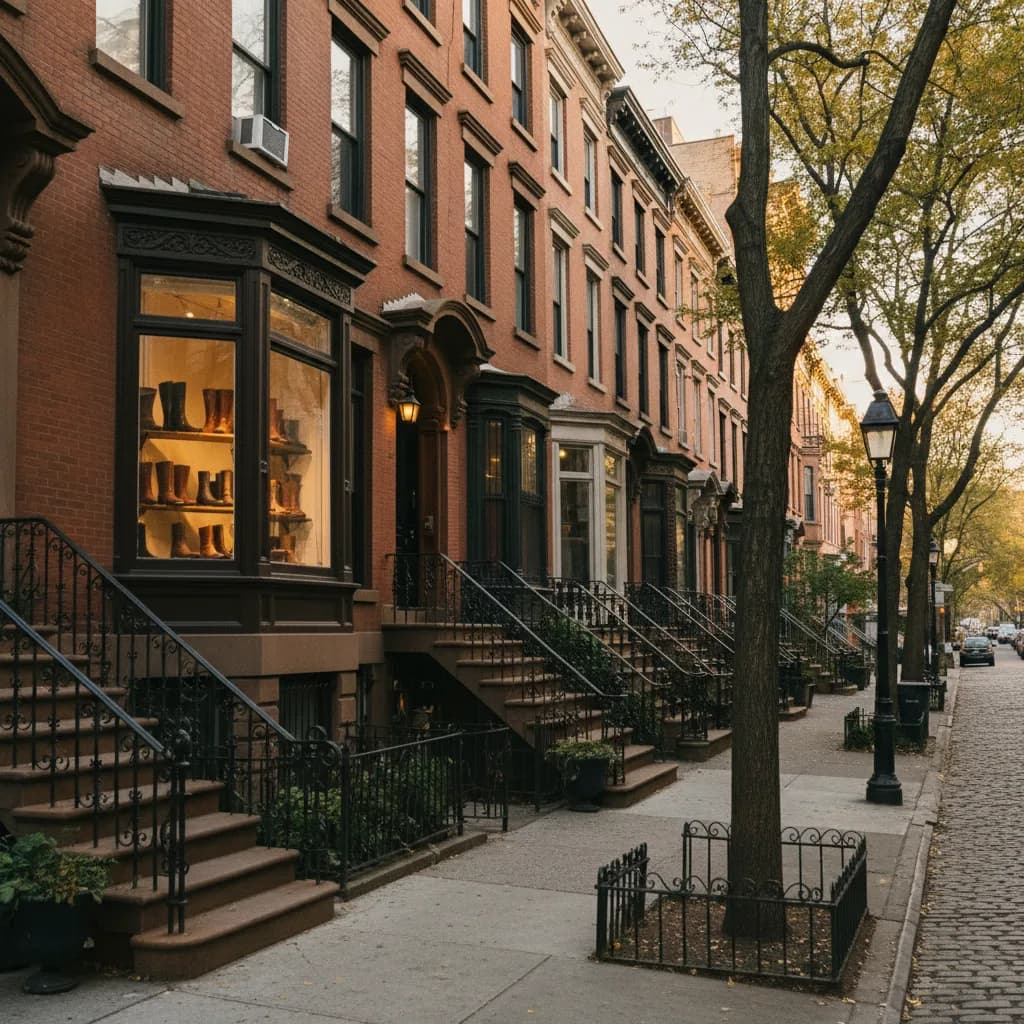
West Village Bespoke Shoemaker: Bleecker Lane Fitting
Map a West Village bespoke shoemaker walk along Bleecker and Perry streets with Karpo APP to organize ankle boot specs, suede samples, and fitting notes.
Tucked away from the orthogonal grid of Midtown Manhattan, the diagonal lanes of the West Village preserve an intimate, human-scale streetscape that has anchored artisanal trades since the 1830s. Along the leafy stretches of Bleecker Street, Perry Street, and Charles Street—protected within the historic district boundary established in 1969—low-rise brick townhouses and garden-level parlors foster an unhurried environment ideal for discussing custom footwear design. Using the Karpo APP before you step off the train at Christopher Street, you can assemble a structured neighborhood walking plan, keep your personal silhouette preferences organized, and group nearby textile or leather-care stops into a cohesive afternoon loop.
Parlor-Level Studios And The Intimate Scale Of Bleecker Lanes
Unlike monumental commercial avenues where foot traffic rushes past plate-glass department stores, the diagonal intersections connecting Bleecker Street, Bank Street, and West 11th Street encourage slow observation and quiet conversation. Custom bootmakers and independent pattern cutters working in this corner of Manhattan gravitate toward garden-level or parlor-floor rooms where natural light filters through mature honey locust trees onto warm brick walls. That residential calm removes the rush often felt in retail districts, giving clients ample time to compare throat-line proportions, heel heights, and stitching density without distraction.
Sidewalk geometry across the West Village also informs how local wearers think about footwear balance and ankle support. Narrow bluestone flagstones, historic brick tree pits, and gently cambered crossings between Hudson Street and Seventh Avenue South reward shoes built on well-balanced lasts with a snug heel cup and supportive shank. When you discuss your daily walking habits during a consultation, pointing out these specific neighborhood surfaces helps a maker calibrate pitch and sole flexibility for genuine urban comfort. Paying attention to how your heel strikes uneven pavement slabs and curb cuts along Jane Street or Horatio Street gives a pattern cutter clear, actionable feedback before carving the wood.
Choosing Between Reversed Calf Suede, Shell Cordovan, And Grain Hides
Selecting upper leather for a West Village wardrobe often centers on textures that bridge relaxed neighborhood tailoring and resilient three-season wear. Reversed calf suede—tanned so the flesh side is buffed to a tight, velvety nap while the full grain remains intact on the inside—offers remarkable water resistance and supple forefoot flexing when treated with a protective spray. Reviewing swatch books in afternoon window light along Bleecker Street reveals how tobacco, loden green, and dark chocolate suedes absorb light differently than high-shine dress calfskin. Comparing those matte textures against wool flannel trousers or dark indigo denim in natural daylight prevents mismatches once your finished pair leaves the workbench.
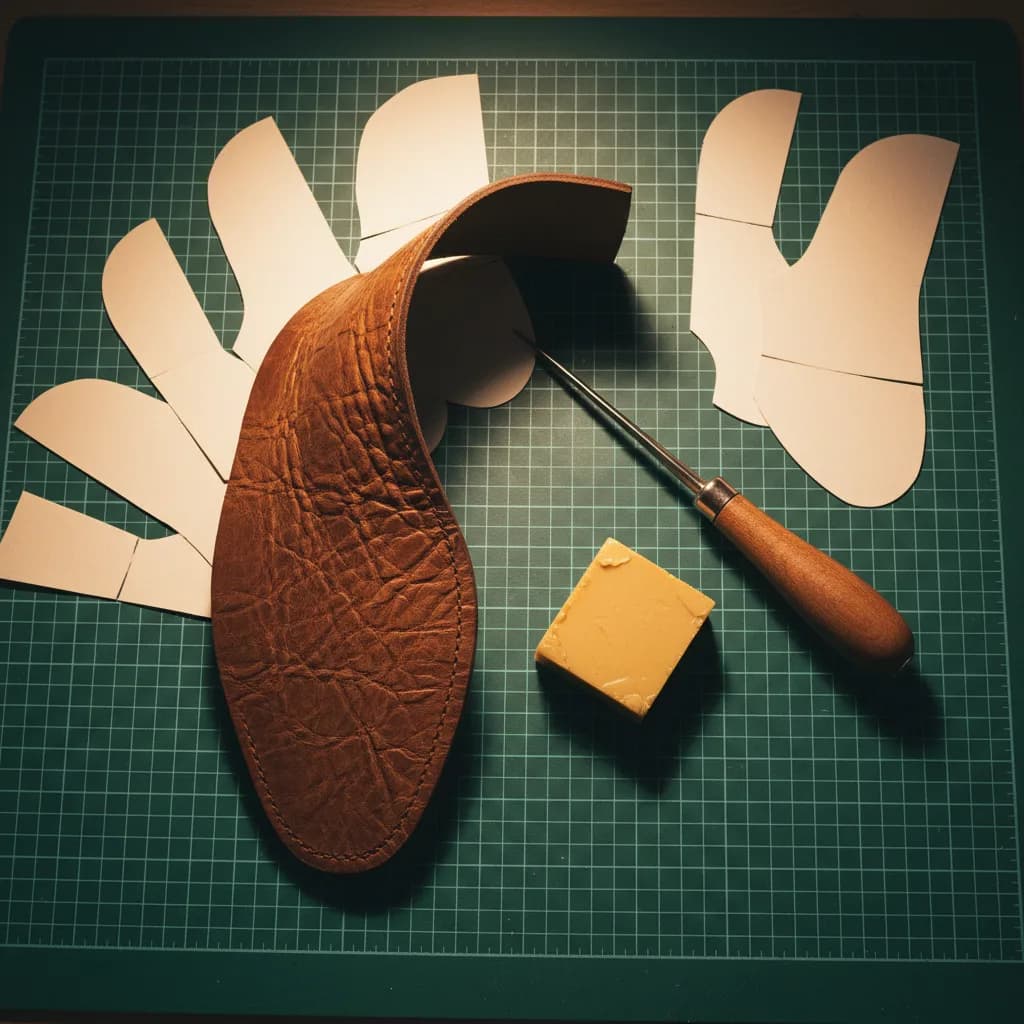
Clients seeking heirloom durability for autumn and winter strolls toward the Hudson River parkway frequently explore vegetable-tanned shell cordovan or pebbled Scotch grain hides. Shell cordovan derives its dense, non-creasing membrane from equine croup shells tanned over several months in vegetable liquors, developing smooth rolling waves across the vamp rather than sharp micro-creases. Recording your preferred hide characteristics, lining leather breathability, and welt stitch contrast inside the Karpo APP ensures you remember every material combination you compared during your walk.
Ankle Boot Patterns, Balmoral Closures, And Chelsea Elastic Gussets
Because West Village streets invite year-round walking in varied weather, custom ankle boots rank among the most rewarding commissions to discuss with a bespoke cordwainer. A hand-lasted Chelsea boot requires extraordinary skill in blocking—shaping a single piece of wet calfskin over a wooden crimping board so the vamp curves smoothly into the instep rise without a horizontal seam. During a fitting review, pay close attention to how closely the braided elastic side gussets sit against your malleolus and whether the pull tabs tuck cleanly beneath tapered trouser hems.
For wearers who prefer laced ankle support, chukka boots with two or three eyelet pairs and classic Balmoral dress boots offer distinct structural advantages. A three-eyelet chukka cut from unlined or half-lined suede conforms rapidly to a high instep while keeping the ankle collar soft during long walks along Greenwich Avenue. Conversely, a Balmoral boot pairs a sleek, seam-free lower vamp with decorative speed hooks along the shaft, delivering crisp architectural lines that support the ankle across uneven bluestone pavements.
Connecting Christopher Street Transit With Abingdon Square Walks
Arranging a smooth pedestrian circuit through the West Village starts with choosing the right transit arrival point and pacing your blocks thoughtfully. Stepping out of the Christopher Street–Stonewall station on the 1 subway line or walking west from the West 4th Street hub places you immediately within the quiet grid around Sheridan Square and Grove Street. Planning a late-morning or early-afternoon window on a Wednesday or Thursday lets you traverse Bleecker Street toward Abingdon Square when neighborhood sidewalks are peaceful and uncrowded.
Pairing your footwear research with nearby civic green spaces gives your feet a natural break while you review your design notes. Sitting on a shaded bench inside Abingdon Square Park—one of Manhattan's oldest public triangles—or strolling west along Morton Street toward the Hudson River waterfront piers provides a calm pause between stops. Within the Karpo APP, you can keep a tidy checklist of the intersections you visited, jot down impressions of different toe profiles, and organize nearby coffee roasters or bookshops along West 10th Street for a relaxed afternoon finish.
Evaluating Welt Seams, Heel Pitch, And Seasonal Sole Maintenance
Inspecting the structural details of sample shoes on display teaches you what separates master handwork from assembly-line footwear. Look closely at the bevelled waist—the narrow arch section between the heel breast and the ball of the foot—where a bespoke maker pares and burnishes the leather outsole into a sculpted violin-like curve that hugs the upper. Count the stitches per inch along the welt table and examine how tightly the stacked leather heel lifts are compressed and glassed to a mirror-smooth edge.
Keeping custom boots and shoes in peak condition across Manhattan winters requires proactive seasonal care rather than reactive repairs. Before late-autumn rain arrives on Perry Street and Charles Street, inspect the leading toe edge and heel top-lift for uneven wear so a cobbler can replace thin rubber or leather layers before wear reaches the welt seam or heel stack. Conditioning suede with a brass-bristle brush and crepe block, storing pairs on lasted wooden trees away from cast-iron steam radiators, and letting wet leather soles dry slowly on their sides preserve the integrity of your bespoke investment.
Ask Karpo for more information.
Keep reading
- Chelsea Consignment Shop Crawl Planner for Your First Studio
 East Village Consignment Shop Crawl Planner: Leather Jackets
 Harlem Consignment Shop Crawl Planner for a Jazz Night Look