 Chelsea Consignment Shop Crawl Planner for Your First Studio
Hidden Gems & Odd Finds
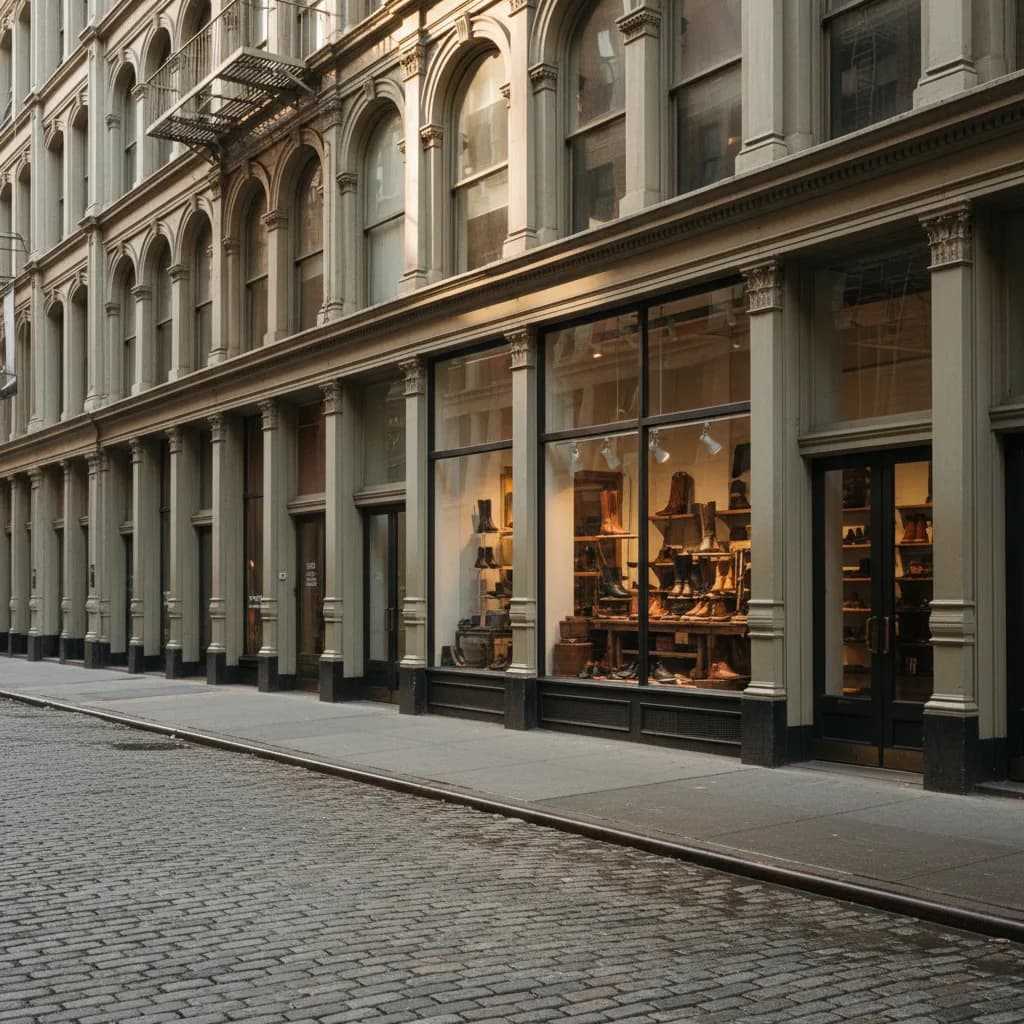
SoHo Bespoke Shoemaker Guide: Cast-Iron Atelier Walks
Plan a SoHo bespoke shoemaker route through Greene and Mercer cast-iron corridors using Karpo APP to organize fitting checklists and leather study stops.
Commissioning hand-welted footwear in Lower Manhattan begins with understanding how architectural space shapes the consultation experience across the SoHo-Cast Iron Historic District, which earned official landmark protection in 1973. Between Canal Street and Houston Street, tall nineteenth-century textile warehouses along Greene Street, Mercer Street, and Wooster Street provide expansive north-facing windows and heavy timber flooring that suit precision leatherwork and quiet client consultations. Rather than wandering aimlessly past crowded ground-floor apparel chains on Broadway, footwear enthusiasts can use the Karpo APP to organize a focused neighborhood shortlist, keep personal foot-measurement notes in one place, and group calm side-street blocks before setting out on a daytime walk.
Why SoHo Cast-Iron Architecture Suits Cordwainer Consultations
Evaluating fine box calf, museum-grade aniline hides, and vegetable-tanned oak bark soles requires consistent, neutral daylight that never distorts subtle pigment undertones. The Corinthian-columned loft buildings lining Greene Street and Broome Street were engineered during the post-Civil War commercial boom with floor-to-ceiling cast-iron window bays specifically to flood deep interior worktables with steady illumination. When you examine oxblood, espresso, or burnished chestnut leather swatches beside those tall glass panes, you can immediately distinguish natural grain character from heavy surface pigments and see how a patina will mature under New York street light.
Acoustic calm and firm underfoot surfaces matter just as much when a cordwainer observes your natural gait and standing posture. Inside upper-floor studios and tucked-away side-street spaces off Howard Street and Grand Street, thick heart-pine floorboards and solid masonry party walls dampen the rumble of delivery trucks outside. Standing on a level hardwood platform while a maker traces your plantar contour, checks heel-to-ball alignment, and notes instep volume ensures that the resulting carved wooden last reflects how your foot actually bears weight during a full day of walking.
Preparing Your Foot Profile And Wardrobe Brief Before Visiting
Every successful bespoke shoemaking commission relies on a clear, practical dialogue between the client and the pattern cutter long before any hide is clicked. Before heading toward the Spring Street station on the C and E subway lines or the Prince Street station on the R and W trains, assemble a concise set of personal notes in the Karpo APP covering the exact hosiery weight you wear most often, the trouser hem width of your tailored suits or selvedge denim, and the city surfaces you traverse daily. Bringing the exact ribbed wool or fine cotton dress socks you plan to pair with the finished oxford or derby prevents quarter-inch volume miscalculations across the vamp and throat line.
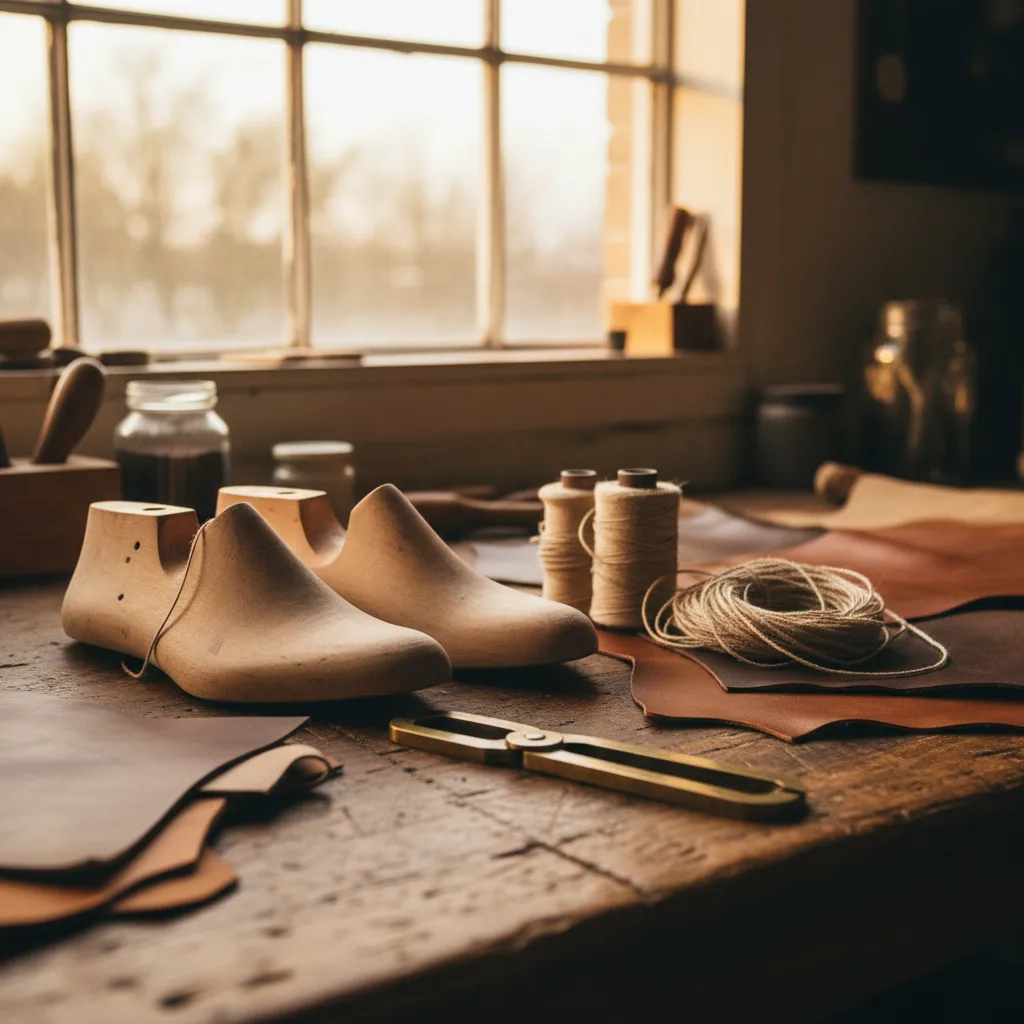
Walking across SoHo's historic Belgian block cobblestones on Mercer Street and Crosby Street also places specific mechanical demands on outsole construction. If your weekly routine involves brisk walks between subway stairs, wet granite curbs, and polished lobby stone, discuss whether a single leather sole with a recessed brass toe plate, a double oak-bark bend, or a discreet rubber forepart insert best balances sleek waist beveling with all-weather traction. Articulating these functional priorities upfront helps a maker recommend the right last silhouette, whether you prefer a softly chiseled almond toe, a classic round English profile, or a structured ankle boot with reinforced heel counters.
Understanding Last Carving, Trial Shoes, And Welt Construction
Distinguishing true bespoke shoemaking from made-to-measure adjustments allows you to ask sharp, informed questions during a neighborhood studio visit. In a full bespoke workflow, the lastmaker shapes an asymmetric pair of hornbeam or beechwood lasts from scratch based on circumferential tape measurements, a weight-bearing foot tracing, and three-dimensional joint observations. Because left and right feet almost always differ in arch length, fifth-metatarsal prominence, or heel pitch, dedicated wood carving addresses pressure points that standard factory width fittings simply cannot resolve.
Following the initial measurement session, traditional cordwaining includes a trial shoe stage—often called a Mock or forward-fitting pair—cut from scrap leather to test the carved last in motion. Stepping into that basted trial pair lets both maker and wearer inspect how the topline hugs the ankle bone, whether the crease line falls cleanly behind the toe cap, and how the arch support cradles the midfoot. Once those adjustments are transferred back to the wooden last, the final upper is hand-lasted and stitched to a channeled leather insole using a waxed linen cord, creating a repairable foundation that can be resoled repeatedly over decades.
Structuring A Calm Midweek Walking Loop Through SoHo Corridors
Timing your SoHo walk makes a dramatic difference in how relaxed and observant you feel when comparing leather samples and last shapes. Midweek mornings between Tuesday and Thursday offer a remarkably composed pedestrian rhythm along Wooster Street, Thompson Street, and Sullivan Street, well before weekend gallery crowds fill the narrow sidewalks. Exiting the subway at Spring Street and walking south toward Broome Street gives your feet twenty minutes of natural circulation so they settle into their normal daytime volume prior to any measurement check.
Between studio stops or design research blocks, you can pair your route with architectural and design landmarks that share the neighborhood's dedication to material craft. Strolling past the cast-iron facades near the intersection of Greene Street and Prince Street or pausing along the quiet cobblestones of Freeman Alley near the southern edge of the district keeps your itinerary compact and unhurried. Storing your sequence of intersections, architecture notes, and personal style references inside the Karpo APP lets you move seamlessly from a leather swatch review to a quiet espresso counter on West Broadway without losing track of your comparisons.
Long-Term Care, Lasted Shoe Trees, And Practical Planning Notes
Protecting hand-welted footwear starts the moment you plan your commission, especially regarding hollowed wooden shoe trees carved to match your exact bespoke last. Because a custom last features unique toe spring and arch curvature, generic spring-loaded cedar trees can stretch the waist or distort the quarters over time, whereas lasted alder or limewood trees wick away interior moisture while preserving the exact lines of the upper. When organizing your commission budget and timeline notes, always clarify whether hollow-carved three-piece or two-piece lasted trees are crafted alongside the shoes.
Consistent maintenance habits further extend the lifespan of hand-stitched soles and aniline-dyed calfskin across New York's changing seasons. Rotating pairs so each shoe rests at least twenty-four hours between wears allows the natural cork filling and vegetable-tanned insole to dry completely at room temperature. Brushing away grit from the welt crease with a horsehair brush after walking along Canal Street or Broadway, applying thin layers of beeswax cream to nourish the flex points, and scheduling timely heel top-lift replacements ensure your custom footwear ages with depth and structural integrity.
Ask Karpo for more information.
Keep reading
- Chelsea Consignment Shop Crawl Planner for Your First Studio
 East Village Consignment Shop Crawl Planner: Leather Jackets
 Harlem Consignment Shop Crawl Planner for a Jazz Night Look