 SoHo Taco Truck Night Finder After a Retail Closing Shift
Restaurants
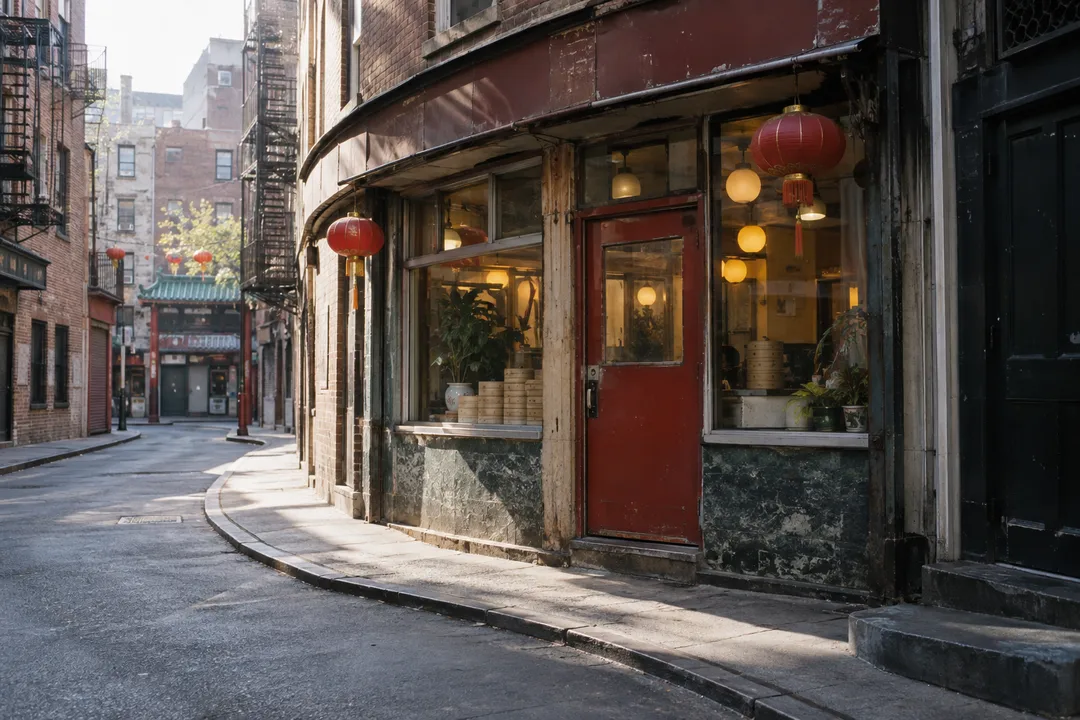
Bao Near Me in Chinatown: Nom Wah Tea Parlor on Doyers Street
For a bao near me search that starts in Manhattan's Chinatown, Nom Wah Tea Parlor is the answer with the strongest sense of place. The original room is at 13 Doyers Street, New York, NY 10013, on the curved lane that bends through one of the neighborhood's mos.
For a bao near me search that starts in Manhattan's Chinatown, Nom Wah Tea Parlor is the answer with the strongest sense of place. The original room is at 13 Doyers Street, New York, NY 10013, on the curved lane that bends through one of the neighborhood's most recognizable pockets. This is not a sleek, anonymous dumpling counter. It is a tea parlor with a long Chinatown history, an old-school dining room, and a menu that makes steamed buns part of a larger dim sum rhythm. Come hungry enough to share, but leave time to walk.
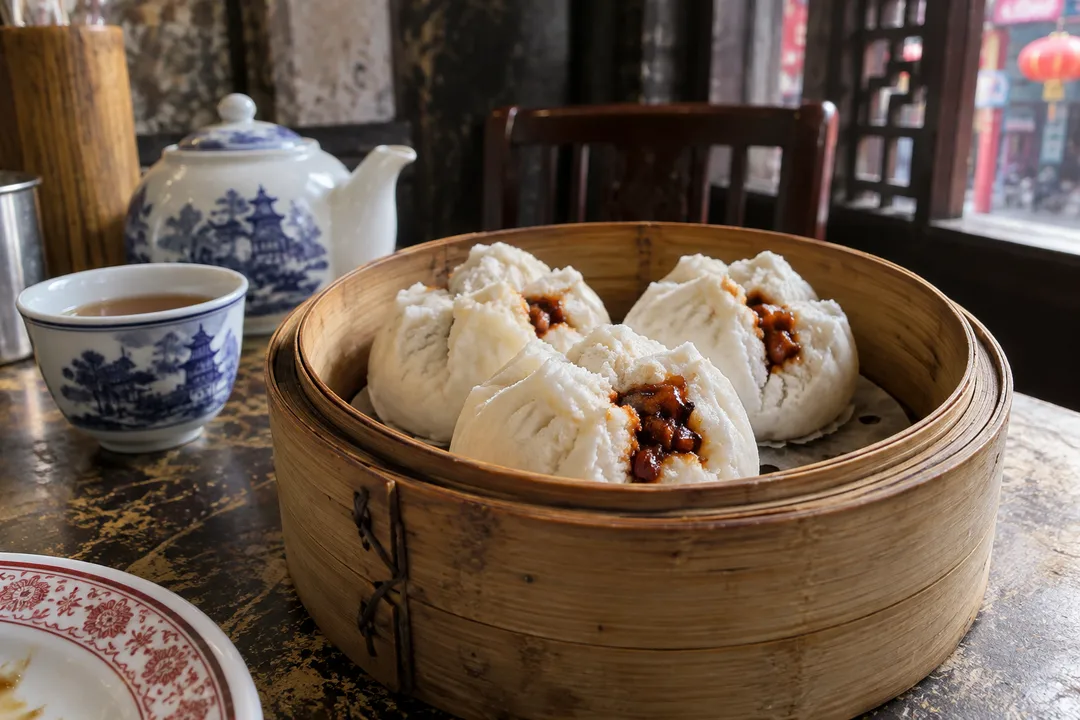
Nom Wah's own history page traces the business to 13 Doyers Street in 1920, when it began as a bakery and tea parlor. That date gives the room its emotional weight, but the useful visitor experience is very current: sit down, choose a few small plates, and let the table fill gradually. Start with Steamed BBQ Pork Buns at $6.50, Shrimp Dumplings at $8.50, and Pan-Fried Dumplings at $8.50. Those three prices create a clear first order and cover soft, translucent, and crisp textures.
The BBQ pork buns are the item to order when the search term is bao rather than simply dim sum. The dough is pillowy, the filling is sweet-savory, and the portion is easy to share without overwhelming the rest of the meal. Treat them as the opening note. The shrimp dumplings bring a more delicate bite and a cleaner seafood flavor, while the pan-fried dumplings add browned bottoms and a little more structural chew. A pot of tea keeps the meal grounded and makes the room feel more like a leisurely tea parlor than a rushed lunch counter.
There is a particular rule to eating here: do not try to order the entire menu at once. Doyers Street attracts visitors who want to take in the room, and the table is more comfortable when dishes arrive in a few waves. Two diners can begin with the buns and shrimp dumplings, then add pan-fried dumplings or a rice noodle dish after seeing how much space remains. Larger parties should arrive with a plan for sharing and should expect the narrow historic room to feel lively rather than hushed.
Queue strategy matters in Chinatown. An early lunch gives you a better chance of a calmer table, while weekend midday is the time most likely to bring a mix of visitors and regulars. If there is a wait, do not treat it as dead time: Doyers Street, Pell Street, and the nearby lanes are compact enough for a short loop before returning. The room is worth seeing in daylight, when the curved street and old storefronts are easiest to appreciate, and it feels completely different after dark when the neighborhood lights come on.
The restaurant's history is not just a decorative detail. Nom Wah has remained associated with the same Doyers Street address since 1920, and the official story describes generations of service in a neighborhood that has changed around it. That continuity is part of why the dining room feels distinct from a newly opened bao shop. You are eating small plates in a place where tea, bakery traditions, dim sum, and Chinatown's visitor culture overlap. The best visit respects that pace instead of demanding a fast, optimized meal.
One small pleasure is choosing where to sit. A table closer to the front keeps you connected to the movement on Doyers Street, while a deeper table feels better for a longer tea-and-dumpling conversation. The room is visually busy in a way that suits the menu: old details, narrow sightlines, and servers carrying baskets make the meal feel assembled in real time. That is also why a first visit works better with a short list of priorities. Pick the buns, one dumpling, and one plate with a different texture, then let the setting do some of the work.
After the buns, consider adding a dish that changes the meal's direction. A noodle or rice plate can make the table more substantial, while another dumpling keeps the focus narrow. The practical price markers are straightforward: Steamed BBQ Pork Buns at $6.50, Shrimp Dumplings at $8.50, and Pan-Fried Dumplings at $8.50. Those are enough to understand the menu's range, and they leave budget for tea or a sweet finish. The point is not to chase the largest order; it is to build a table that can keep conversation going.
The surrounding walk is unusually good for a restaurant itinerary. From Doyers Street, continue through Pell Street toward the Chinatown arch and Columbus Park, or head west to the small shops and galleries around the edge of Tribeca. A visit to Nom Wah pairs naturally with a market run, a stop at a bakery, or a slow route through the old storefronts around Mott Street. The address makes it easy to treat lunch as one chapter of a neighborhood day rather than an isolated reservation.
Practical Notes: Nom Wah Tea Parlor's original dining room is at 13 Doyers Street, New York, NY 10013. The location is walkable from Canal Street subway stations, but the street itself is narrow and better reached on foot than by car. The setting is casual, with close tables and a historic interior. Bring a little patience for a busy service and order in rounds. The menu prices above are concrete planning points: $6.50 for Steamed BBQ Pork Buns and $8.50 each for Shrimp Dumplings and Pan-Fried Dumplings.
Who should choose Nom Wah? Anyone who wants bao with a Chinatown story attached, enjoys sharing several small plates, and is happy to make the walk around Doyers Street part of the meal. It is a particularly good choice for a first Chinatown visit, a low-pressure lunch with a friend, or an afternoon when the food and the neighborhood are meant to be experienced together. Search bao near me, then give the answer enough time to feel like a place rather than a pin on a map.
Ask Karpo for more information.
Keep reading
- SoHo Taco Truck Night Finder After a Retail Closing Shift
 Williamsburg Taco Truck Night Finder for Bridge Cyclists
 Upper West Side Taco Truck Night Finder for Parents Out