 Noodle Bar Near Me in Chelsea Market: Very Fresh Noodles' Hand-Torn Bowls
Restaurants

The Red Banquette at Balthazar That Hasn't Moved Since 1997
Corner seat number 71 at Keith McNally's SoHo brasserie has witnessed every era of downtown Manhattan. The leather creaks the same way it did opening week.
The permanence of red leather
You slide into a red leather banquette at Balthazar and the leather exhales exactly as it has since April 1997. This corner seat, tucked against the north wall where Spring Street light hits the mirrors at 1 p.m., hasn't been reupholstered. Keith McNally's team patches it, conditions it, but never replaces it. The brass coat hooks above are original. The zinc bar running the length of the room still shows the same wear pattern near the service station where servers have leaned for nearly three decades. Your waiter will set down the bread basket with the same practiced motion that's been refined across thousands of services. The wicker holds a half-baguette that's still warm. You're not in a recreation of a Parisian brasserie. You're in the actual thing, aged in real time, in SoHo.
The steak frites constant
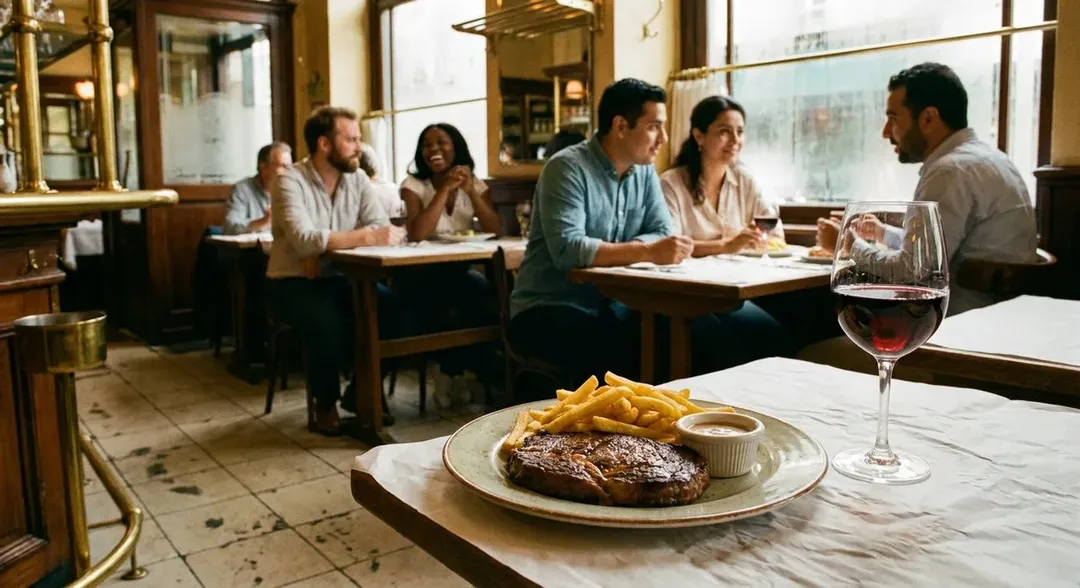
Order the steak frites at lunch and you're eating a dish that's remained faithful to the original vision. The cut arrives marked with cross-hatch from the broiler, the frites in their silver cup, thin-cut and double-fried, salted precisely. No innovation, no seasonal variation, no chef's interpretation. This is the point. While the neighborhood outside transformed from artist lofts to luxury flagships, this plate remained consistent. The businessman at a center table orders it. The publishing editor at the bar orders it. The couple from Milan who read about it years ago and finally made it here order it. You can set your watch to this kitchen's refusal to evolve.
The mirror tells everything
The antiqued mirrors lining the walls aren't decorative—they're archival. Sit at a north-wall banquette and you're reflected alongside every diner who's occupied this corner since the Clinton administration. The glass has developed a particular patina, especially in sections where decades of breath and heat from the kitchen have created a subtle cloudiness the staff won't polish away. You can watch the entire room without turning your head. The couple negotiating a breakup at a center table. The agent closing a book deal near the window. The line cook taking his family meal at the bar during the afternoon lull. McNally designed the sight lines deliberately—the mirrors multiply the room, making the space feel larger than it is, but from the banquettes you see the true dimensions. The red leather grounds you while the glass expands everything.
The lunch timing trick
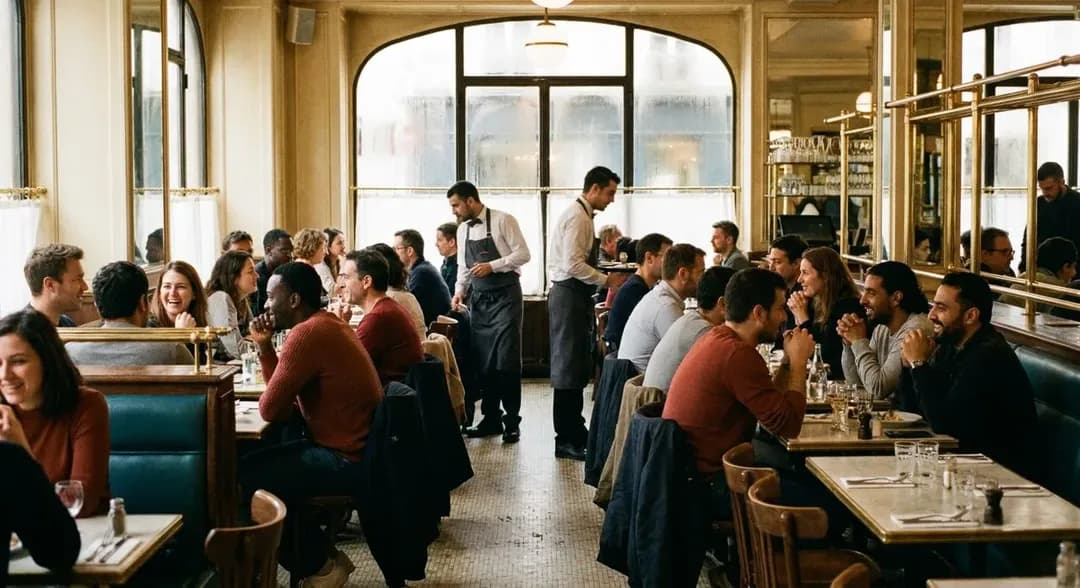
Arrive at 2:45 p.m. on a Wednesday. This is when the lunch rush has cleared but before the kitchen shifts to dinner prep. The host stand will seat you quickly if you request a banquette—they appreciate guests who know the geography. The afternoon light through the Spring Street windows hits different than dinner's amber glow. You can actually hear conversations instead of the evening's din. The bartender will make you a proper Negroni without the dinner-shift rush. The bread keeps coming. You can sit for two hours and no one will pressure the table. This is the window when Balthazar feels less like a scene and more like your local, even though it's neither hidden nor undiscovered. It's simply available, if you know when to show up.
What the servers know
The staff has its own archaeology. Long-tenured servers remember when this corner was where magazine editors held court, before the industry contracted. They've seen the neighborhood clientele shift from artists to finance to tech, then back to a strange mix of all three. The servers know which tables have the worst sight lines (near the host stand) and which have the best acoustics for conversation (the banquettes along the north wall). They won't volunteer this information, but they'll confirm it if you ask directly. They also know the rhythm of the room—when to refill water, when to let a table breathe, when the kitchen is running behind.
The Spring Street view
From a north-wall banquette, you're elevated slightly, enough to see through the windows to the corner of Spring and Crosby. The view hasn't changed materially—same building facades, same fire escapes—but everything else has. Boutiques replaced galleries. Galleries replaced hardware stores. Balthazar remains. The red awning still says the same thing in the same font. The sidewalk tables still fill first, even in April when it's cool and windy. You watch people photograph the exterior, the zinc bar visible through the windows, the vintage lettering. They're documenting a place that's simultaneously famous and functional. You're inside it, eating a steak that tastes like it did when this neighborhood was still deciding what it wanted to become. The leather creaks when you shift your weight. The mirrors reflect. The bread basket gets refilled without asking.
Practical notes
Balthazar is located at 80 Spring Street, between Broadway and Crosby Street in SoHo. Open daily for breakfast, lunch, and dinner. Reservations strongly recommended—book through their website, requesting a banquette in the notes. Walk-ins possible at off-hours but expect a wait. Full bar, extensive wine list. Nearest subway: Spring Street (6 train) or Prince Street (N/R/W trains). The room is loud at peak times; request the north wall banquettes for better conversation acoustics.
Tags: #Balthazar #SoHoBrasserie #BalthazarNYC #SteakFrites #NYCLunch #SpringStreet #KeithMcNally #ClassicBrasserie #NYCDining #SoHoEats #PullUpAChair #TimelessRestaurants #ManhattanLunch #NYCInstitution #BrasserieLife
Sources consulted: balthazarny.com · en.wikipedia.org
Please drink responsibly. Must be of legal drinking age.
All trademarks are the property of their respective owners.
Ask Karpo for more information.
Keep reading
- Noodle Bar Near Me in Chelsea Market: Very Fresh Noodles' Hand-Torn Bowls
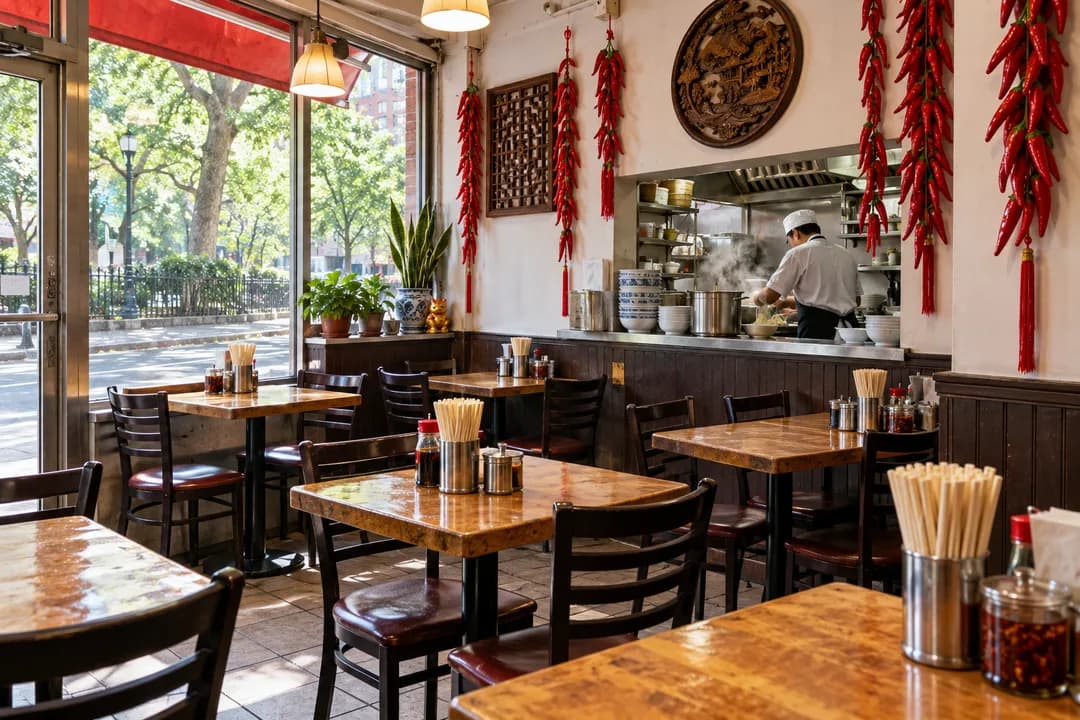 Noodle Bar Near Me on Forsyth Street: Spicy Village's Big Tray Chicken
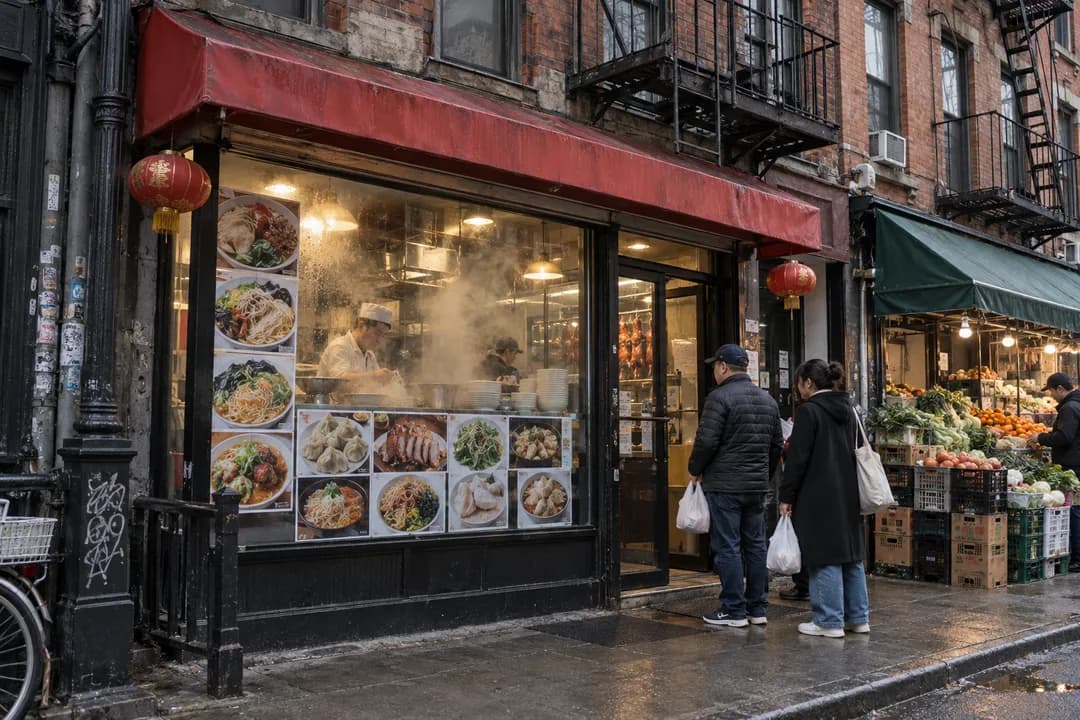 Noodle Bar Near Me in Chinatown: Super Taste's Lanzhou Hand-Pulled Noodles