 Upper West Side Free Indoor Weekend Plan Finder for Music
Free Things to Do
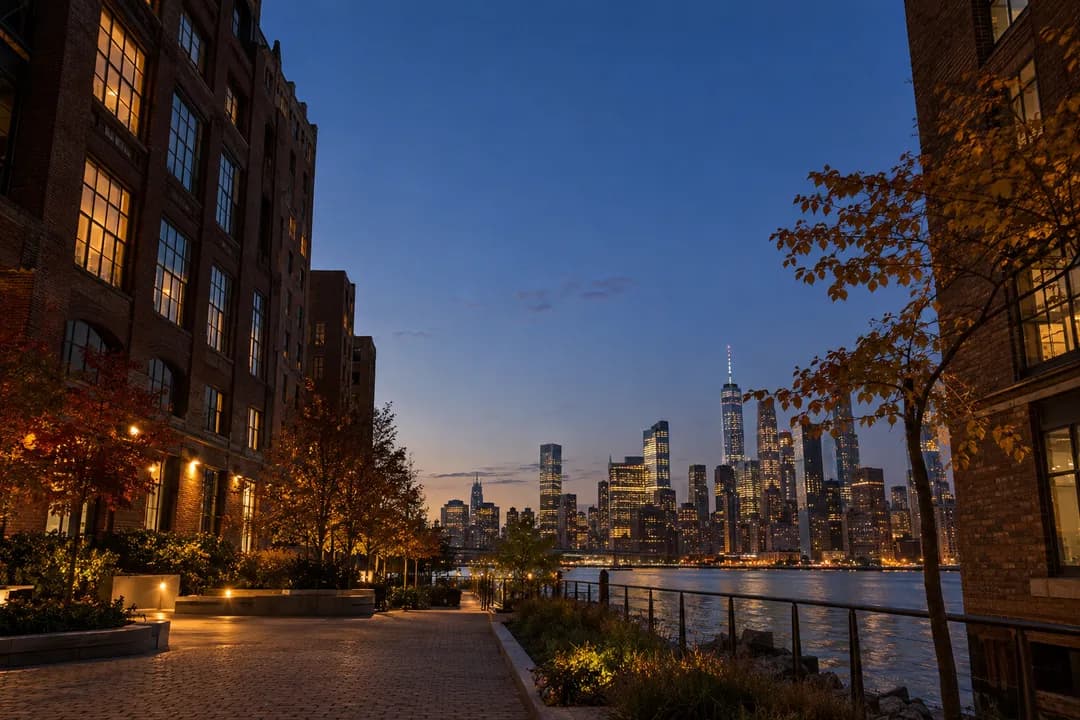
NYC Autumn Stargazing Spot: Find Gaps Between Buildings
Plan a short autumn sky break in downtown NYC by comparing building gaps, glare and the return walk. Choose one target before committing to a riverside detour.
A useful autumn stargazing spot in downtown Manhattan starts with a visible piece of sky, rather than a promise of darkness. For a short evening outside, pick one bright target and a comfortable place to stand before adding a walking route. The Downtown East Circuit in this plan is a suggested search area, not the name of an observatory or a verified viewing site. Its purpose is to help you decide whether the evening calls for a nearby sky break or a separate trip beyond the city.
Give the evening one question
Start with something small enough to answer while standing still: can you locate the Moon, trace a familiar shape, or distinguish one bright object from the surrounding sky? Those are different projects. A Moon walk can work when faint stars are difficult to see. A search for a dim constellation needs a different expectation. Write down your preferred target before choosing a meeting point. Otherwise the most photogenic stretch of waterfront can win the decision while offering a poor view in the direction you need.
Keep the first attempt short. A proposed twenty-minute observation is a planning choice, not a claim about how long astronomical objects remain visible. Give yourself permission to finish after locating one thing. An evening that delivers a clear answer is more satisfying than a long circuit spent wondering whether the sky will improve around the next corner. For a companion who is new to astronomy, the question also explains why you have stopped walking and what you are trying to notice together.
Treat the street grid as an obstruction test
Downtown streets can frame the sky beautifully, but a frame is not the same as an observing field. While scouting from an ordinary public sidewalk, look for the edges that interrupt your view. A building may hide the lower sky even when the space directly overhead looks clear. Avoid choosing a narrow gap simply because you can see a bright object through it at that moment. If following the object would require stepping into traffic, entering a private forecourt, or repeatedly moving other people aside, reject that position.
Compare two candidate viewpoints before committing. At the first, notice whether you are staring directly toward a lamp or illuminated window. At the second, ask whether moving behind an existing solid obstruction removes that glare without hiding the intended target. The comparison is about your actual sightline, rather than a street's reputation. There is no need to label either point a dark-sky site. Leave enough space for pedestrians and use a standing position that does not turn an accessible route into an obstacle course.
Put the river in the right role
An open waterfront can be attractive for a sky break because there may be fewer buildings across part of the view. That observation does not establish nighttime access, low light pollution, or permission to set up equipment at a particular location. Use the waterfront as one candidate in your planning, then use the relevant operator's published access information for the actual destination. A gate, posted restriction, or closed section ends that option. The route should adapt to legitimate access rather than treating an empty-looking space as an invitation.
Make the river portion optional if the evening begins with dinner or a meeting in the interior streets. Walking farther is only worthwhile when it improves the viewing direction or makes the outing more comfortable. Do not sell your companion on a dramatic field of stars over Manhattan. A modest skyline and sky comparison can be its own worthwhile experience: the fixed building outlines give scale to a small patch of evening sky, while the city's brightness explains why some objects remain elusive.
Choose a target using astronomy information
Use an astronomy resource for the target's position and an ordinary weather service for cloud conditions. NASA's skywatching material explains how location, artificial light, and the Moon affect observing. A dated sky chart serves a different purpose from a route suggestion. Set it for the observing location and intended time, then identify the direction you need to face. This step prevents a simple planning error: choosing a viewpoint because it looks open while the object you want is behind the buildings on the opposite side.
Do not identify an unfamiliar bright point solely from its brightness or apparent steadiness. Treat your first guess as a question to compare with the chart. If identification remains uncertain, leave the observation as an unidentified bright object in your notes. That is more useful than attaching a confident planet name to the wrong point. The same restraint applies to photographs. A striking image captured by a phone does not prove that every dot in it was visible to your unaided eyes.
Leave the equipment decision until last
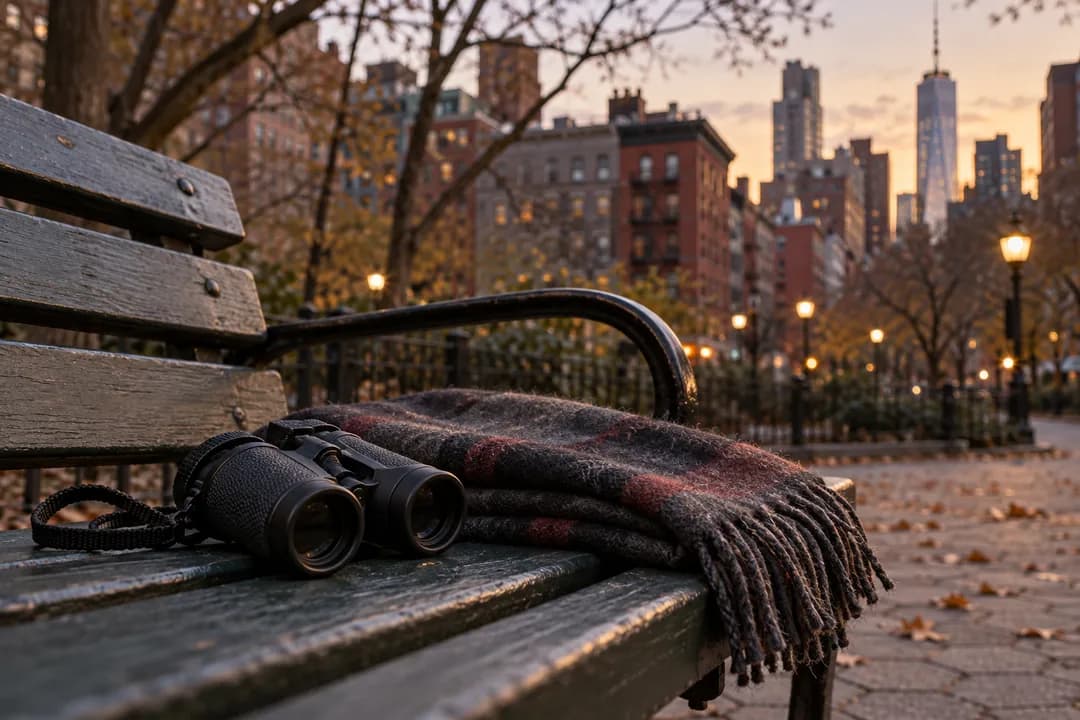
For an exploratory walk, carrying less can make the evening easier to abandon or shorten. Begin with a naked-eye plan and add equipment only when it serves the chosen target. Borrowed binoculars are not a requirement for enjoying the outing. A telescope adds setup, carrying, and standing-space decisions that a public sidewalk may handle poorly. If your main interest is trying instruments, a published public astronomy event may be a better kind of outing than improvising an observing station between passing commuters.
Pack for standing rather than for brisk walking. Choose a layer you can put on without unpacking the entire bag, and keep the return journey independent of whether the observation succeeds. Any drinks or food are optional comforts, not recommendations for a named business. Avoid placing cups, bags, or tripod legs along the walking line. When someone asks what you are looking at, a short description of the question you are investigating works better than a claim that a spectacular event is guaranteed.
A nearby plan and a farther ambition
The honest reason to skip this downtown plan is wanting a genuinely dark sky. Rearranging a Manhattan stroll cannot deliver the same conditions as leaving the city's glow. Keep those as separate outings with separate travel commitments. For the local version, success means making a sensible choice about the sky you actually have. If the target is hidden or clouds remove the view, finish with the planned street walk instead of extending the trip through unfamiliar spaces in search of an imaginary perfect corner.
Use Karpo APP to ask for ideas for a nearby evening walk and explain the limits that matter to you: a brief outing, a convenient return, or a companion who prefers fewer stops. Keep astronomical identification and weather information with the services that supply them. The request can help shape the city portion of the evening without implying that the app measures sky brightness, predicts a clear horizon, or reserves a place at a public telescope.
Practical Notes
Before setting out, have one target, two possible viewpoints, and a return destination. These are suggested planning limits rather than published venue rules. Use official access information for whichever public space you select, respect signs on arrival, and keep private roofs out of the plan. Do the chart reading before settling into the observation so the walk does not become a prolonged screen session. Record the direction and the obstruction that mattered most. That short note gives the next attempt a concrete starting point, even when this evening ends without a clear sighting.
Ask Karpo for more information.
Keep reading
- Upper West Side Free Indoor Weekend Plan Finder for Music
 Astoria Free Indoor Weekend Plan Finder for Visiting Parents
 Williamsburg Free Indoor Weekend Plan Finder With Kids