 Lower East Side Hidden Speakeasy Bar Picker for a Solo Night
Bars & Nights Out
NYC Autumn Cider House: 3 Ways to Plan Dinner
Build an NYC autumn cider house dinner plan by separating a full meal from a tasting stop, matching food needs and choosing a practical order of events.
For an NYC autumn cider house dinner, decide whether food is the main event before choosing the drinks stop. A full meal, a snack-led tasting and a separate dinner followed by cider are three different plans. Bring that distinction into the Karpo APP along with appetite, dietary preferences and your starting neighborhood. You can then compare suggestions against the evening you actually want, instead of discovering that an attractive tasting room photograph has chosen your dinner for you.
Start with what everyone needs to eat
Ask the practical question first: would a snack leave someone hungry? A group arriving after lunch has different needs from friends meeting directly after work. Say whether you need a substantial meal or only something alongside a drink. That small distinction changes what counts as a suitable recommendation. It also prevents the keenest cider drinker from assuming everyone else will be satisfied with a small plate. You can be flexible about cuisine while remaining clear about the amount and timing of food.
Dietary requirements belong in the initial brief, not in a last-minute note after the destination has been selected. Name the ingredient or category that matters, and distinguish a preference from a requirement. The planning conversation can help you organize alternatives, but preparation practices are questions for the business serving the food. Do not convert a menu adjective into a guarantee. The right outcome may be a separate dinner with a well-understood menu, followed by an optional cider stop that does not carry the burden of feeding everyone.
Route one: make dinner the anchor
A dinner-led outing begins with a meal you would choose even without the seasonal drink. In your request, give Karpo the food needs first and ask where cider might fit into that evening. You might write: “We want a proper dinner in NYC, with an autumn cider house visit as an optional second stop. Help us compare a single destination with dinner followed by a short tasting. We prefer a simple journey and do not want a long gap between eating and sitting down again.”
This approach works when the group's appetite is less flexible than its drink preference. It gives you a clear order of decisions: find an appropriate meal, choose a manageable area, then consider whether a cider stop adds enough value. It does not mean every restaurant near a bar is a good pairing. Ask for the connection between the two suggestions. A recommendation should explain why the route and timing fit, rather than merely naming two places that happen to share a neighborhood label.
Route two: choose one place with enough food
A one-stop evening removes a transfer and keeps the group together. Its success depends on actual menu information. Separate a listed food item from an assumption that the venue operates a substantial dinner service. Look at what is described, how it fits the group's needs and whether the available source gives the relevant service details. If those details are absent, leave the one-stop option provisional. A pleasant room and several snacks may make an excellent visit, but they do not automatically solve a dinner requirement.
Ask Karpo to summarize the evidence in a way you can compare: food that appears relevant, drinks that match your interest and any missing detail that could change the choice. You are not requesting a guarantee of tonight's menu or immediate availability. You are reducing a messy search into a useful decision. Where a suggested venue has little supporting information, move it below an option whose food offer you can understand. For a food-led evening, clarity deserves more weight than a dramatic photograph of a tasting tray.
Route three: keep the tasting small and snack-led
If nobody needs dinner, say so. A snack-led tasting can remain compact and give people freedom to leave at different times. You may want a few shared items and an individual drink, rather than a formal sequence of courses or pours. Describe that preference without attaching a made-up price or service format to an unnamed venue. Ask for suggestions that appear compatible with a short visit. The key is matching expectations, not making every cider outing feel like a special-occasion meal.
A hypothetical example helps: two friends have already eaten and want to discuss cider, while a third expects to join after a long workday without dinner. That group has not yet agreed on a snack-led plan. Resolve the mismatch before selecting the location, perhaps by moving dinner earlier or inviting the third friend to meet at a separate meal. These are invented planning circumstances, not descriptions of a real business. Their value lies in exposing the assumption that creates an avoidable problem later.
Talk about flavor without inventing a pairing menu
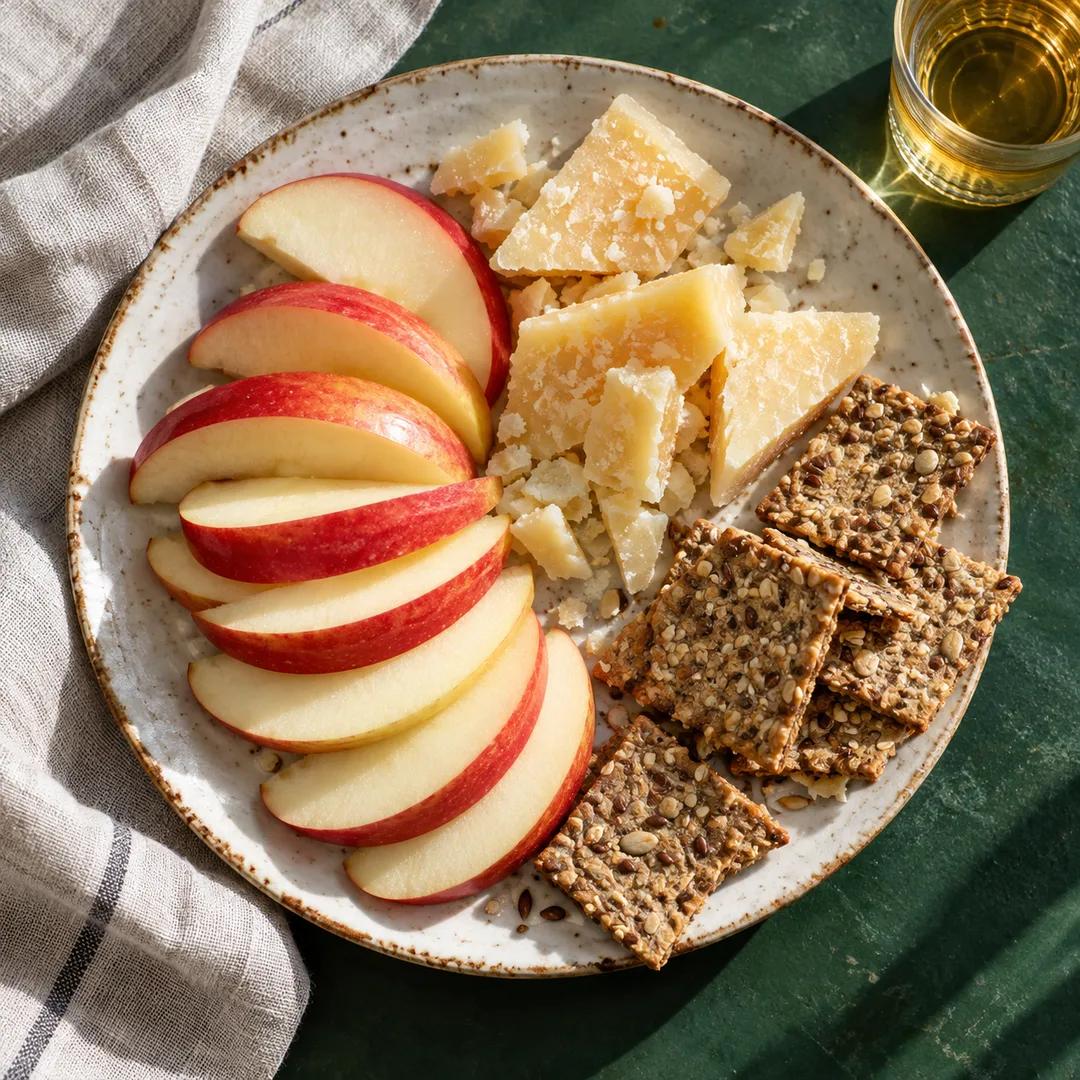
Use your own tastes to ask better questions. If you enjoy sharp cheese, roasted vegetables or a particular type of bread, include those preferences in the search. You can ask how a listed cider and an actual menu item might relate in flavor, while keeping an interpretation separate from the venue's own recommendation. Do not describe a pairing as a house specialty unless a source says so. A photograph of apples and cheese on this page is a generated illustration, not proof that a particular bar serves that combination.
You can also decide how much analysis you want at the table. Some groups enjoy comparing flavor notes, while others would rather order food and continue their conversation. Neither requires a performance of expertise. If a drink description is unfamiliar, quote the wording and ask what it means in plain language. If someone dislikes a flavor, let that preference guide their own order. A well-planned meal does not require everyone to like the same cider or agree on which pairing is most interesting.
Protect the interval between dinner and drinks
For a two-stop plan, consider the transition as part of the outing. A meal followed by a long and confusing transfer can drain the energy you hoped to carry into the tasting. Give Karpo your tolerance for walking and changes, then ask whether the second stop still makes sense. The answer may be to simplify. Do not add a named attraction merely to fill the gap. A direct walk, where suitable for the actual route and group, can be enough of a neighborhood experience.
Keep the cider stop optional if dinner is the main occasion. A delayed meal or a tired companion should not make the whole evening feel unsuccessful. Choose a stopping point that everyone understands, and avoid treating a second venue as a commitment already made on their behalf. Any reservation must follow the relevant business's own process. A suggestion in the app is useful planning material, but it does not hold a table or establish that you can arrive at any time after finishing dinner.
Practical Notes for choosing your dinner format
Before sending the invitation, name the format plainly: dinner first, one stop with enough food, or a tasting with snacks. Include the chosen area and the requirement that shaped it. Keep prices out unless you have a source for the actual item being discussed, and distinguish your spending limit from a menu price. The next useful action in Karpo is a focused comparison between your strongest candidates. Once that decision is clear, move to the venue's own booking or ordering process. More browsing is optional; feeding the group is the purpose.
Ask Karpo for more information.
Keep reading
- Lower East Side Hidden Speakeasy Bar Picker for a Solo Night
 West Village Hidden Speakeasy Bar Picker for Out-of-Towners
 Carroll Gardens Hidden Speakeasy Bar Picker for a Nightcap