 Lower East Side Hidden Speakeasy Bar Picker for a Solo Night
Bars & Nights Out
NYC Autumn Cider House: 3 Steps to Choose Dry
Compare NYC autumn cider house options for a dry first tasting, using your flavor preferences, travel limits and menu evidence to choose a focused outing.
An NYC autumn cider house search becomes more useful when you describe the taste you want, rather than asking for a room that merely looks seasonal. For a first tasting, build a shortlist around dry cider, a manageable journey and a small order you can understand. In the Karpo APP, those preferences can become a focused request for city recommendations. This page shows how to ask, compare the information returned and choose a next step without assuming that a particular flight, seat or bottle is available.
Translate your favorite drink into a starting point
Dry is a preference worth explaining in ordinary language. If you enjoy a crisp white wine but dislike sugary cocktails, include both observations in your request. Someone who prefers a tart apple flavor may mean something different from a friend who wants almost no perceived sweetness. You do not need a tasting vocabulary to describe that difference. Start with what you enjoy, what you avoid and whether you want a guided introduction or the freedom to order one glass and linger.
A useful first message might read: “Help me find an autumn cider house outing in NYC for two adults. I prefer dry, crisp drinks, dislike cinnamon sweetness and want an easy trip from my starting neighborhood. Suggest a small shortlist and explain the differences.” Supply the neighborhood yourself. The wording gives Karpo a task and a few priorities, while leaving room to say that a suggested venue lacks enough published detail. It also avoids turning an apple-themed cocktail bar into a cider specialist by accident.
Ask what supports each recommendation
The first comparison should distinguish a dedicated cider destination from a bar that happens to list a cider. Both can make a pleasant evening, but they meet different expectations. A specialist may appeal to someone hoping to discuss producers, while a broader drinks list may fit companions with other preferences. Ask for the basis of the recommendation: a cider-focused identity, a menu item or simply the general atmosphere. Treat an unsupported description as a lead to investigate, not a reason to travel immediately.
Keep tasting format separate from the name of the place. A business described as a cider house does not, by that description alone, establish that it serves flights. Ask whether the available information names a tasting format, what it includes and whether an individual glass is another option. Where those details are missing, leave the flight column empty. Do not fill it with a familiar number of pours or a price copied from another venue. Your shortlist can still be useful with a clear distinction between known details and open questions.
Build a comparison you can actually read
Limit the first pass to a few candidates. For each, record the neighborhood, the reason it fits your taste, the journey from your starting point and any menu evidence relevant to dry cider. A long list can hide the fact that none of the entries addresses your main preference. If a recommendation is attractive only because it has autumn decorations, set it aside for this particular outing. The strongest candidate should give you a reason to choose it even if every decorative pumpkin disappears.
Consider a hypothetical pair of options: one has a broad drinks list close to where you are staying, and the other appears more focused on cider but requires a longer trip. The second does not automatically win. If your companion has little interest in a tasting, the nearer place may create a better shared evening. Conversely, someone taking a deliberate cider-learning trip may accept the travel. These are comparison examples, not descriptions of actual NYC businesses. Use them to decide which tradeoff matters before requesting another round of suggestions.
Turn a menu into one useful question
When you have a real menu in front of you, identify the words you do not understand and ask a focused question. You might want help separating an apple cider from an apple cocktail, or understanding whether a listed drink is presented as still, sparkling or flavored. Quote the menu wording rather than paraphrasing it into a stronger claim. If the menu does not describe sweetness, do not infer it from the color of a photograph. An honest question is more useful than a confident guess about a drink you have never tasted.
At the venue, describe the experience you want to the person taking your order: dry rather than dessert-like, a small first pour if the menu offers one, and room to decide afterward. You are expressing a preference, not requesting an unpublished entitlement. A tasting flight is worthwhile when it helps you compare choices. It is less helpful if you feel obliged to finish several drinks you did not want. Ordering a single item can be a successful introduction, and you can leave a tasting with a clearer preference without making it a long session.
Make the evening work beyond the glass
Add food needs before choosing a destination. “We need a substantial dinner” and “we only want a snack” lead to different plans. A photograph of a cheese board does not establish that a kitchen offers dinner, and an old social post does not describe tonight's service. Ask Karpo to distinguish the tasting stop from a separate meal if the information supports that arrangement. Keep the meal close enough that it remains a companion to the tasting rather than the start of a second cross-city expedition.
A short neighborhood walk can provide the transition between arrival and sitting down. Choose that walk after selecting the destination, using your own mobility needs and the actual route. Do not bookend a tasting with a long route simply because several attractions appear nearby on a map. For this outing, the walk serves a practical purpose: allowing the group to arrive together and finish at a comfortable pace. If weather makes the outdoor segment unappealing, remove it. The central plan should survive without an elaborate seasonal itinerary.
Practical Notes for a first dry-cider outing
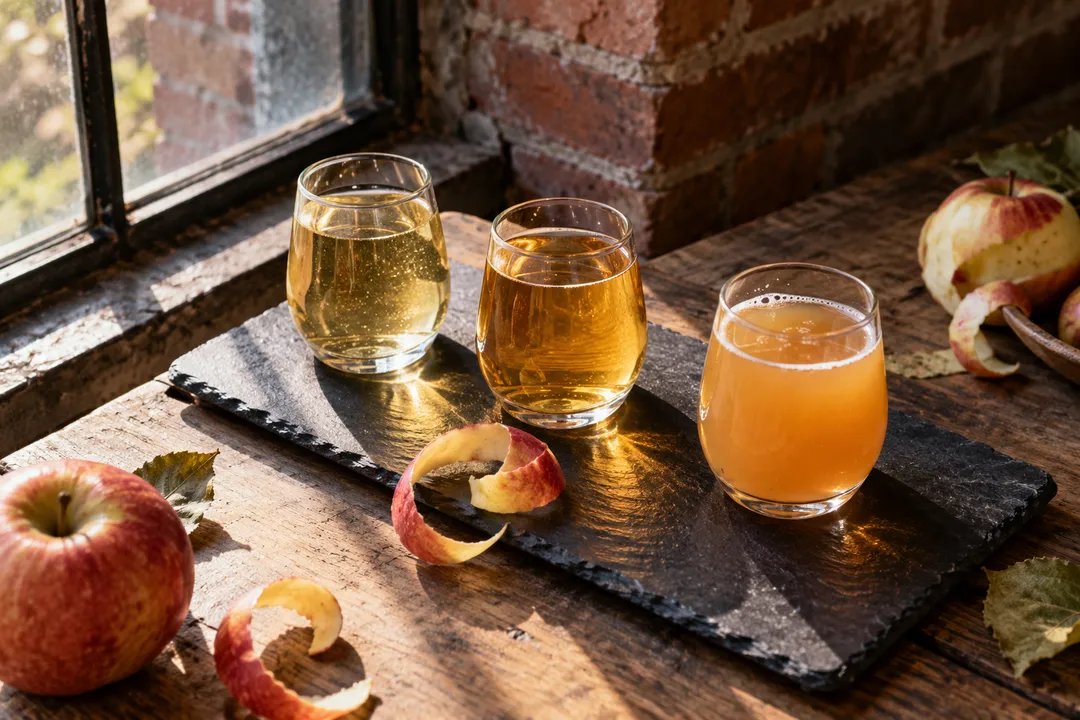
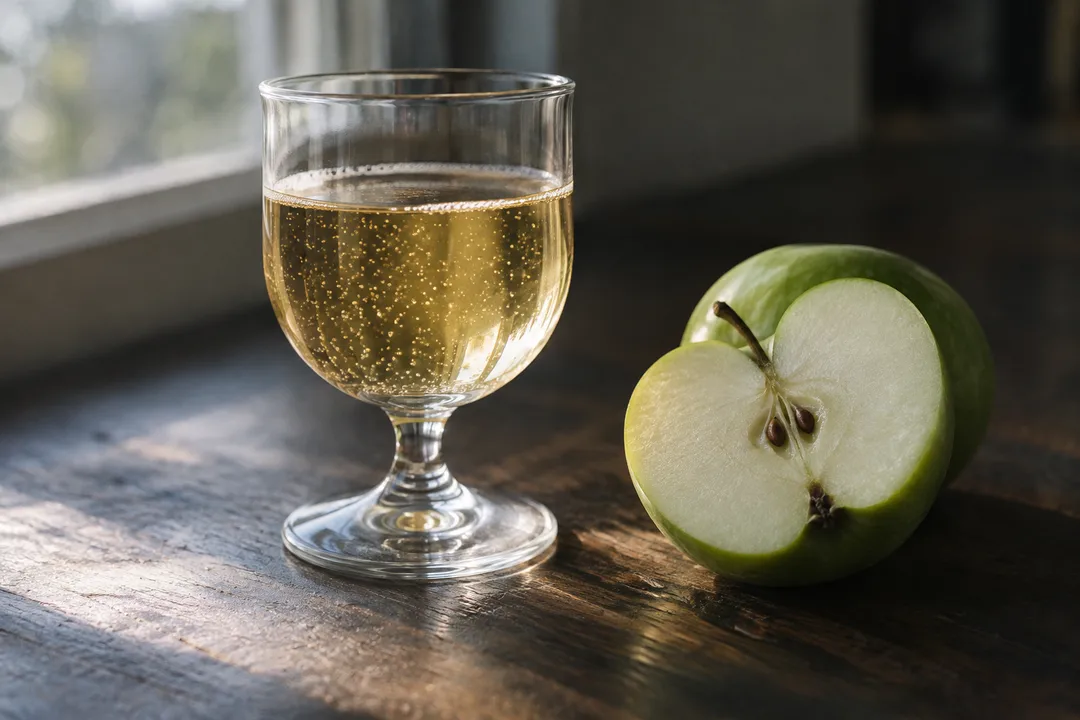
Keep a compact decision record: the selected place, why its available information fits your preference, the route you intend to use and the unresolved question that matters most. A recommendation in a conversation does not reserve a table, purchase a flight or report live stock. Any reservation or payment happens through the relevant venue's own process. The photographs accompanying this page are generated editorial illustrations of tasting situations, not evidence of a specific bar's appearance, menu or service.
Finish the planning conversation with a narrow instruction: “Of these candidates, help me choose the one that best fits a dry-cider introduction and the least complicated journey.” That asks Karpo to help with a decision rather than produce more browsing. Share the resulting choice with your companion, including the reason and an alternative if the tasting format is unsuitable. The aim is modest and achievable: one considered NYC evening, a drink chosen for your own taste and a clearer idea of what you would order next time.
Ask Karpo for more information.
Keep reading
- Lower East Side Hidden Speakeasy Bar Picker for a Solo Night
 West Village Hidden Speakeasy Bar Picker for Out-of-Towners
 Carroll Gardens Hidden Speakeasy Bar Picker for a Nightcap