 Chelsea Consignment Shop Crawl Planner for Your First Studio
Hidden Gems & Odd Finds
West Village Artisan Pottery Gallery: 4 Sunday Studio Stops
Tour West Village artisan pottery gallery studios tucked along Perry and Bleecker Streets on Sunday morning. Compare matte glazes and rustic functional plates.
The historic West Village at daybreak offers one of Manhattan's most atmospheric walking experiences, where quiet cobblestone intersections and leafy brownstone blocks create an intimate backdrop for neighborhood craft. Exploring an artisan pottery gallery in the West Village reveals a distinctly personal approach to ceramics, deeply rooted in the area's rich bohemian heritage. Tucked into garden-level townhouse spaces and quiet storefronts along Perry Street, Bleecker Street, and West 4th Street, independent potters craft functional stoneware tableware, tactile coffee mugs, and hand-pinched bud vases that celebrate the quiet beauty of everyday living.
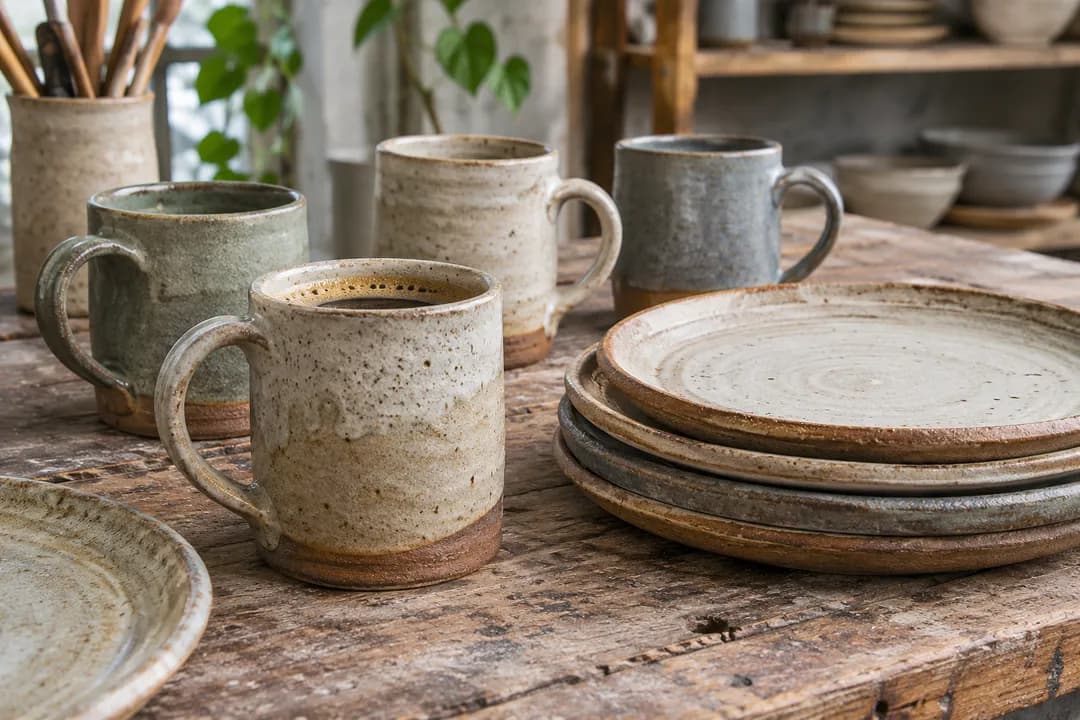
Historic Cobblestones And Cozy Studio Showrooms
Unlike the soaring white-cube exhibition halls of industrial districts, ceramic studios in the West Village inhabit intimate, character-rich architectural spaces. Bay windows framed by historic timber shutters display small clusters of wheel-thrown stoneware pots catching morning sunlight. Inside, low beamed ceilings, exposed brick chimneys, and wooden display shelves create an inviting residential parlor ambiance. Visitors can converse directly with resident makers who divide their days between wedging local clay blends, throwing on compact electric wheels, and welcoming neighborhood collectors into their front showrooms.
The neighborhood's protected historic district status preserves an unhurried human scale that encourages slow contemplation. Wandering down narrow side alleys like Charles Lane or St. Luke's Place, one frequently encounters small hand-lettered studio signs pointing down garden steps toward basement pottery workshops. Here, the hum of pottery wheels and the clean, earthy scent of damp stoneware clay provide an immediate sensory escape from the city's vehicular avenues.
These garden-level spaces often double as teaching studios and community clay archives. Glaze test tiles arranged on reclaimed pine boards show hundreds of subtle chemical color variations, demonstrating how local mineral washes alter white feldspathic slips. Observing these working records gives visitors a rare behind-the-scenes glimpse into the daily experimentation of ceramic artisans.
The Craft Of Domestic Functional Tableware
The hallmark of West Village pottery studios is their unswerving focus on functional domestic ware. Rather than producing purely conceptual gallery installations, local artisans concentrate on vessels meant to be held, passed across dinner tables, and integrated into morning breakfast routines. Generously proportioned coffee mugs with comfortable pulled handles, wide rimmed pasta bowls with unglazed rustic undersides, and hand-built pour-over cones reflect thoughtful ergonomic consideration and daily utility.
Surface finishes in Village studios lean toward understated, tactile elegance. Potters frequently employ soft matte satin glazes, iron-washed unglazed exterior banding, and speckled stoneware clay bodies that reveal natural iron spots through white dip glazes. These pieces are engineered for modern durability: high-fired to complete vitrification at cone six or cone ten, ensuring they are completely non-porous, safe for microwave and dishwasher cleaning, and resilient against everyday cutlery marking.
The practical realities of New York apartment living heavily influence studio design choices. Potters prioritize stackable nesting bowls, straight-sided cylindrical mugs, and compact serving trays that maximize tight kitchen cabinet storage. Many resident makers develop custom color palettes inspired by Village architecture—warm limestone creams, faded brick terracottas, and mossy slate greens—allowing collectors to assemble eclectic dining sets that harmonize effortlessly across modern breakfast counters.
Judging Wheel Throwing And Trim Quality
Evaluating handcrafted ceramics requires engaging both visual analysis and tactile touch. When examining a functional bowl or mug, gently cradle the piece in both hands to gauge its weight distribution. An expertly thrown vessel feels surprisingly light yet solid, with consistent wall thickness from the foot ring up to the rim. Heavy, clumsy bottoms usually indicate incomplete trimming, while an overly thin base may cause structural cracking under thermal stress.
Inspect the base of each piece to appreciate the potter's trimming skill. Master ceramicists take pride in carving clean, recessed foot rings that elevate the bowl slightly off table surfaces, preventing condensation heat rings on finished wood. Look closely for subtle spiral marks left by the potter's wire cutoff tool, as well as the artist's personal maker stamp impressed into the soft clay.
Studio Visit Manners On Quiet Residential Blocks
Because many West Village pottery ateliers operate within shared residential buildings, considerate studio etiquette is essential. Keep conversations at a moderate conversational volume and navigate narrow aisles carefully to avoid brushing against drying greenware stored on open shelving. If visiting with young companions, remind them that unglazed bisque ware resting on workshop racks is extremely fragile before its final glaze firing.
When selecting pieces to bring home, exercise honest practical judgment. Skip delicate eggshell-thin porcelain cups if your household routines involve rapid dishwashing and busy kitchen counters. Instead, select durable medium-weight stoneware pieces with comfortable, well-rounded rims that feel welcoming against the lips during daily coffee or tea brewing.
Village Strolls And Hudson River Pier Loops
A morning spent browsing West Village pottery studios transitions naturally into an unhurried neighborhood walking tour. From Bleecker Street, stroll westward down Perry Street past iconic brownstone stoops draped in seasonal ivy, heading toward the Hudson River waterfront. Crossing West Street brings you directly onto the green lawns and wooden boardwalks of Hudson River Park Pier 45, where open water vistas and sweeping perspectives of Lower Manhattan invite restful reflection.
Circle back inland through Abingdon Square Park, pausing beneath mature shade trees to observe neighborhood dog walkers and weekend shoppers. Stop by an independent village bakery on Hudson Street for freshly baked sourdough or an espresso, savoring the neighborhood's seamless blend of historic architectural charm, culinary craftsmanship, and vibrant artisan culture.
Sunday Transit Connections And Day Routing
Reaching the West Village is convenient via multiple subway trunks. Ride the 1 train to the Christopher Street–Sheridan Square station, or take the A, C, E, B, D, F, or M train to the West 4th Street–Washington Square hub, paying the standard $3.00 fare via contactless OMNY. Both stations place you within five minutes' gentle walk of prime studio locations along Bleecker, Perry, and Hudson Streets.
Sunday mornings between 10:00 AM and 1:00 PM represent the ideal window for studio visits, offering peaceful streets before afternoon patio dining crowds fill the sidewalk cafes. To discover tucked-away ceramic workshops, trace historic walking loops, and save favorite neighborhood artisan destinations, rely on Karpo APP to curate your personal walking route and explore the West Village with ease.
Ask Karpo for more information.
Keep reading
- Chelsea Consignment Shop Crawl Planner for Your First Studio
 East Village Consignment Shop Crawl Planner: Leather Jackets
 Harlem Consignment Shop Crawl Planner for a Jazz Night Look