 Chelsea Consignment Shop Crawl Planner for Your First Studio
Hidden Gems & Odd Finds
East Village Artisan Pottery Gallery: 3 Weekend Clay Spaces
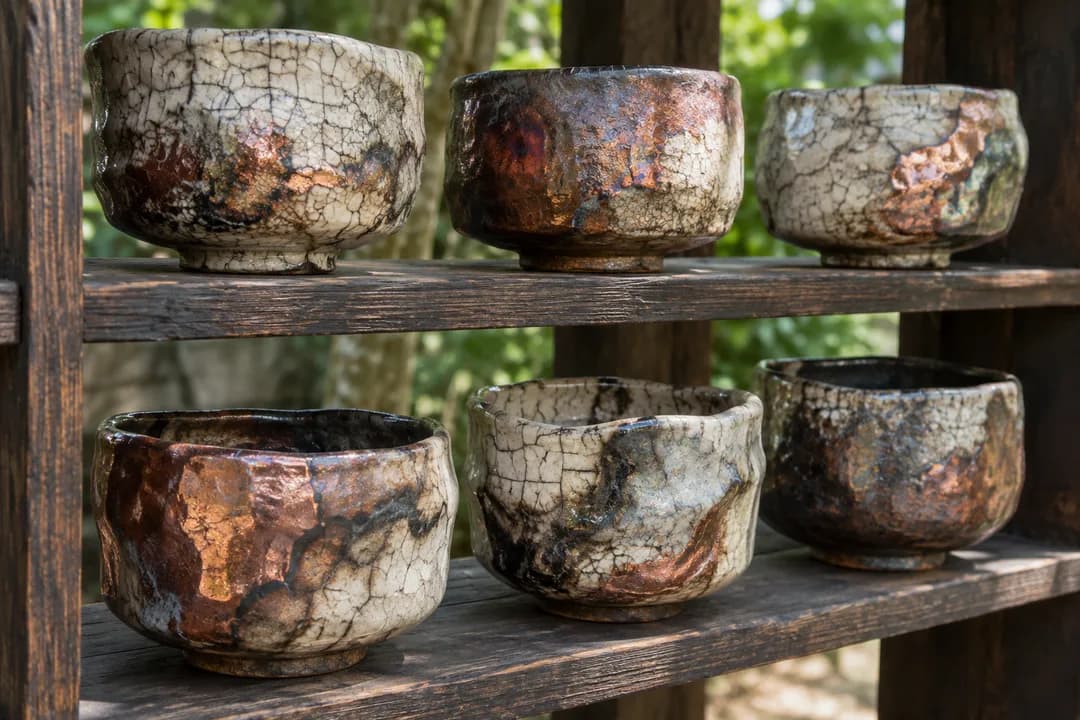
Uncover East Village artisan pottery gallery hubs along Avenue A and St. Marks this weekend. Browse textured raku bowls and experimental slip-cast porcelain.
Rooted in decades of avant-garde artistic experimentation and grassroots community culture, the East Village fosters one of Manhattan's most vibrant ceramic scenes. Discovering an artisan pottery gallery in the East Village leads art seekers along vibrant tenement avenues and community garden corridors where cooperative clay studios celebrate hands-on craft. Concentrated along Avenue A, St. Marks Place, and East 4th Street, these independent spaces showcase smoky raku-fired tea bowls, experimental slip-cast porcelain wares, and hand-built terracotta planters created by an eclectic collective of emerging and seasoned New York potters.
Community Kilns And Independent Potter Cooperatives
The defining spirit of East Village ceramics is communal collaboration. Unlike private commercial showrooms, local pottery galleries often function as shared cooperative hubs where working studio artists pool resources to maintain electric wheels, glaze chemistry labs, and high-capacity kiln facilities. Front retail galleries seamlessly merge into active rear workshops, allowing visitors to hear the steady hum of wheels, observe damp clay wedging on canvas boards, and view freshly unloaded kiln shelves still warm from overnight firings.
This collaborative environment nurtures bold artistic experimentation. Without the commercial constraints of uptown galleries, East Village makers freely explore unconventional clay bodies, combining local river clays with porcelain slips, carving intricate sgraffito graphics into dark slips, and experimenting with multiple glaze firings to achieve complex layered patina effects. The resulting small-batch collections reflect genuine creative individuality and neighborhood character.
Studio shelves in these collectives display a continuous progression of artistic exploration. Novice ceramicists work side by side with master potters who have maintained studios in the neighborhood for over thirty years. This intergenerational exchange keeps traditional wheel techniques vibrant while encouraging modern sculptors to push boundaries with unexpected surface textures.
Raku Firing And Japanese-Inspired Tea Ware
A prominent specialty within East Village pottery showcases is the celebration of raku firing techniques. Derived from centuries-old Japanese ceremonial traditions, raku involves removing glowing, red-hot ceramic pieces directly from a 1,800-degree Fahrenheit kiln using long metal tongs. The molten vessels are plunged immediately into airtight metal reduction bins filled with dry wood shavings or dried leaves. The combusting organic matter starves the glaze of oxygen while infusing unglazed clay pores with deep smoky carbon.
The aesthetic outcome embraces wabi-sabi principles of transient beauty, organic asymmetry, and deliberate imperfection. Raku tea bowls (chawan) feature striking metallic copper flashes, iridescent lusters, and intricate black crackle networks running across white glaze fields. Because rapid thermal shock introduces micro-porosity, raku vessels are primarily collected as contemplative art objects, display bowls, and dry decorative accents rather than utilitarian food containers.
Local collectors and mindful tea practitioners prize these handheld vessels for their intimate sensory warmth. Holding a chawan bowl in two hands allows one to feel the deliberate carving facets left by the bamboo trimming knife and the contrasting textures between smooth melted glaze pools and scorched black clay. Many studios host weekend tea ceremonies where visitors can experience raku ware in its intended contemplative ritual context.
Slip-Casting And Experimental Porcelain Forms
Alongside rustic stoneware and raku, East Village galleries showcase contemporary slip-cast porcelain. Artists carve precise plaster molds to cast paper-thin porcelain vessels with sharp geometric facets, faceted origami silhouettes, and translucent walls that glow when held against window light. By tinting liquid porcelain slip with concentrated ceramic stains, potters achieve gradient pastel tones reminiscent of dyed silk or sea glass.
These experimental porcelain pieces bridge the gap between studio craft and modern industrial design. Small bud vases, espresso cups, and minimalist pendant lamps demonstrate how ancient ceramic materials can be reinterpreted with crisp contemporary precision, appealing to urban design lovers seeking unique functional accents for compact city apartments.
Ceramicists often leave the outer faceted walls of slip-cast porcelain unglazed and diamond-polished to a velvety satin touch, while glazing the vessel interior with high-gloss transparent glaze to ensure water-tight utility. This dual finish exemplifies the East Village design ethos: pairing tactile material honesty with impeccable functional performance.
Mindful Studio Strolling In Communal Spaces
Visiting working cooperative studios requires respectful consideration of active artist workflows. Keep voices low, yield right of way to potters carrying loaded kiln stilts or heavy buckets of liquid glaze, and never touch damp greenware drying on open wire shelves. Bone-dry clay is remarkably fragile and can crumble under the gentlest finger pressure before its initial bisque firing.
When selecting pottery for daily dining, practice discerning evaluation. Skip unglazed porous earthenware if you require microwave-safe cereal bowls, as low-fired clay absorbs moisture and heats unevenly. Instead, opt for high-fired stoneware or fully vitrified porcelain vessels with smooth, non-porous glaze linings that resist thermal shock and clean easily with gentle soap.
Tompkins Square Park Paths And Neighborhood Cafes
Enrich your gallery walk by exploring the rich cultural and natural landscape surrounding Tompkins Square Park. Step out from Avenue A onto shaded park pathways beneath mature American elm trees, watching community chess players, neighborhood dog runs, and outdoor musicians. The park serves as the historical heart of the neighborhood, offering a calm green oasis between studio visits.
Stroll down East 4th Street to view historic off-Broadway theater facades and historic tenement architecture, or stop by a traditional Ukrainian bakery on Second Avenue for poppyseed pastries and fresh coffee. This seamless blend of bohemian art studios, historic immigrant food culture, and vibrant street life creates an unforgettable urban afternoon.
Weekend Transit And Craft Walk Organization
Reaching the East Village is straightforward via public transit. Take the L train to the 1st Avenue station, ride the 6 train to Astor Place, or take the F train to 2nd Avenue, paying the $3.00 subway fare with contactless OMNY. From each station, it is a short, scenic walk eastward into the vibrant avenue grid.
Weekend hours between 11:00 AM and 3:00 PM offer the best opportunity to meet cooperative artist members and browse fresh kiln openings. Stopping by community ceramics markets or checking studio bulletin boards reveals upcoming glaze masterclasses and clay demonstration days. To trace gallery locations, explore community gardens, and save your favorite ceramic makers across the East Village, use Karpo APP to plan your walking route and discover neighborhood craft destinations effortlessly.
Ask Karpo for more information.
Keep reading
- Chelsea Consignment Shop Crawl Planner for Your First Studio
 East Village Consignment Shop Crawl Planner: Leather Jackets
 Harlem Consignment Shop Crawl Planner for a Jazz Night Look