 Chelsea Consignment Shop Crawl Planner for Your First Studio
Hidden Gems & Odd Finds
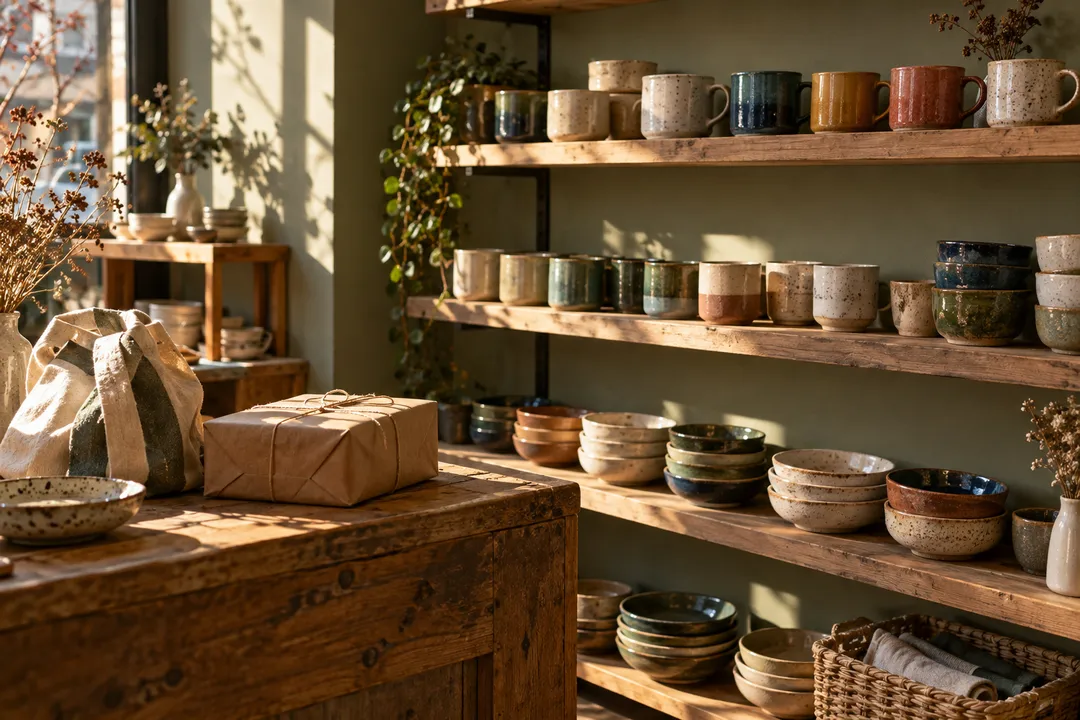
NYC Artisan Pottery Gallery: 5 Questions Before Gifting
Choose an NYC artisan pottery gallery for a ceramic gift by defining its use, size, care needs, budget, and journey home before building a shopping route.
Choose the kind of gift before choosing an NYC artisan pottery gallery. A cup for everyday coffee, a vase for a small apartment, and a sculptural object invite different shopping decisions. Start with five questions: what will it do, where will it fit, how will it be cared for, what can you spend, and how will it travel? Put those answers into a Karpo APP request to give your search a useful direction without pretending a particular piece is waiting on a shelf.
Start With the Recipient's Routine
Picture a specific moment in the recipient's day. Perhaps they arrange a few stems beside a desk or drink tea while reading. That image offers a better starting point than your own favorite glaze. A gift can be unusual while still fitting an existing habit. If you cannot identify a use, consider a decorative object only when you know the person enjoys displaying things. An attractive vessel becomes a burden when it needs space or attention its recipient would rather give elsewhere.
Question One: Function or Display?
Write down whether the object needs to hold food, liquid, flowers, or nothing at all. Appearance does not establish suitability for those uses. For a functional piece, seek the maker's stated intended use and care instructions. For a display piece, concentrate on shape and where it will sit. Avoid treating the word handmade as a technical specification. Your search brief should distinguish a sculptural ceramic from a working kitchen object, even when the two look similar in a photograph.
Question Two: What Size Can They Live With?
Measure an intended shelf or table if you have access to it. Otherwise choose a conservative size category and keep the dimensions as a question for the seller. Photographs can disguise scale, particularly when objects appear alone against plain backgrounds. A broad bowl and a narrow vase occupy space differently even at the same height. Think about depth, clearance, and stability rather than collecting one number. A modest object with room around it can be easier to enjoy than a dramatic piece squeezed into a crowded corner.
Question Three: How Much Care Is Reasonable?
Some recipients like caring for special possessions; others want objects that fit their usual washing routine. Ask the seller how the exact piece should be cleaned and whether any restrictions apply. Keep those instructions with the gift. Do not infer dishwasher or microwave suitability from a glossy surface, and do not replace missing instructions with a general claim about ceramics. If the available information does not support the intended use, move to a different object or a purely decorative gift.
Question Four: What Is the Whole Budget?
Choose your own spending ceiling before browsing. Include any packing or delivery charge you are willing to pay, rather than using the object price as the entire budget. This article supplies no store prices: the budget is a personal constraint to add to your request. You can also set a lower preference within that ceiling, so a recommendation does not automatically aim at the maximum. When comparing options later, keep the actual listed price and any additional charges attached to the individual object.
Question Five: How Will It Get Home?
Decide whether you will carry the purchase, give it locally, or send it elsewhere. A gift bought before a long afternoon of other activities creates a different packing problem from one taken directly home. Request a shopping area that fits the rest of your day and place the purchase late in the route when practical. Delivery is an option only if the seller offers it on suitable terms. A suggested itinerary cannot establish shipping availability, insurance, or protection against breakage.
Turn the Answers Into One Search Request
Use ordinary language: ‘I want a small handmade vase as a gift in Manhattan, suitable for someone with a narrow shelf, and I will carry it home afterward.’ Add your budget and available day. Ask for places where ceramics are sold, rather than exhibitions where objects may only be displayed. If a borough boundary is flexible, say so. The goal is a focused set of leads you can compare; it is not a guarantee about a shop's current selection or an order placed on your behalf.
Look for the Maker Behind the Object
Once a shop seems relevant, look for how it identifies the maker and describes the work. A named artist, a production method, and an explanation of intended use answer different questions. A story about a maker can make a gift more personal, but repeat only details the maker or seller actually provides. You do not need an elaborate origin story to justify liking an object. A clear attribution and a thoughtful reason for choosing it are often more useful than decorative language about authenticity.
Use a Small Comparison Sheet
Compare a few possible objects with the same fields: intended use, dimensions, care, total cost, and transport arrangement. Add one sentence about why each suits the recipient. This can reveal that the most striking photograph belongs to the least practical gift. Keep unknown information visibly separate from the answers you have. If you are choosing remotely, an unanswered question about size or function matters more than another attractive image. Finish the comparison before expanding the search to another neighborhood.
At the Counter: Ask Before Handling
Treat a display as someone else's workspace. Ask whether you may pick up a piece and how the seller would like it handled. If it is brought to a counter for you, use that opportunity to understand its weight and shape without turning the visit into a performance. Ask about any features you do not understand, including surface variation. The seller's explanation should guide your decision about the particular object. This is a suggested shopping approach, not a report of rules at a named gallery.
Practical Notes for Packing and Returns
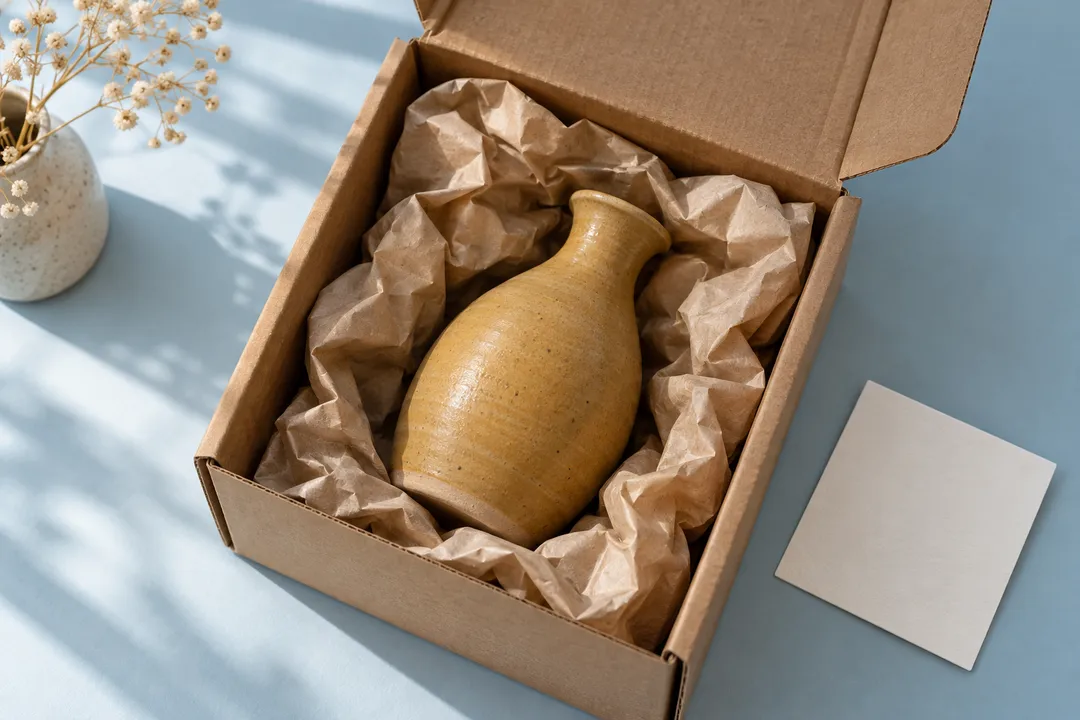
Ask how the seller will pack the object for your actual journey. Explain if you will walk, use public transport, or travel with luggage. A gift box and protective packing serve different purposes, so establish what is included. Read the applicable return or exchange terms before payment, particularly if the recipient may want a different piece. Keep the receipt and care information somewhere they can be found easily. Neither a general gallery description nor an attractive package establishes the purchase terms.
Make the Walk Work Around the Parcel
Plan the browsing and longer walking before the purchase when you can. Afterward, a short route to transport may be more appealing than another shopping district. A nearby pause can still be useful, but choose it for your comfort and the parcel you will carry. There is no need to add a named café simply to complete the outing. Let the physical reality of a fragile gift shape the final part of the afternoon, including whether you want an extra bag or a direct journey home.
Write the Note That Makes It Personal
Describe why you chose the object in a sentence the recipient will recognize. You might connect its size to the desk where they keep flowers, or its form to a conversation you shared. Include the maker's name if it is supplied, along with the care guidance. These small details give the gift meaning without exaggerating its history or promising it will become an heirloom. For your next NYC artisan pottery gallery search, retain the practical preferences that helped you choose and discard the rest.
Ask Karpo for more information.
Keep reading
- Chelsea Consignment Shop Crawl Planner for Your First Studio
 East Village Consignment Shop Crawl Planner: Leather Jackets
 Harlem Consignment Shop Crawl Planner for a Jazz Night Look