 Chelsea Consignment Shop Crawl Planner for Your First Studio
Hidden Gems & Odd Finds
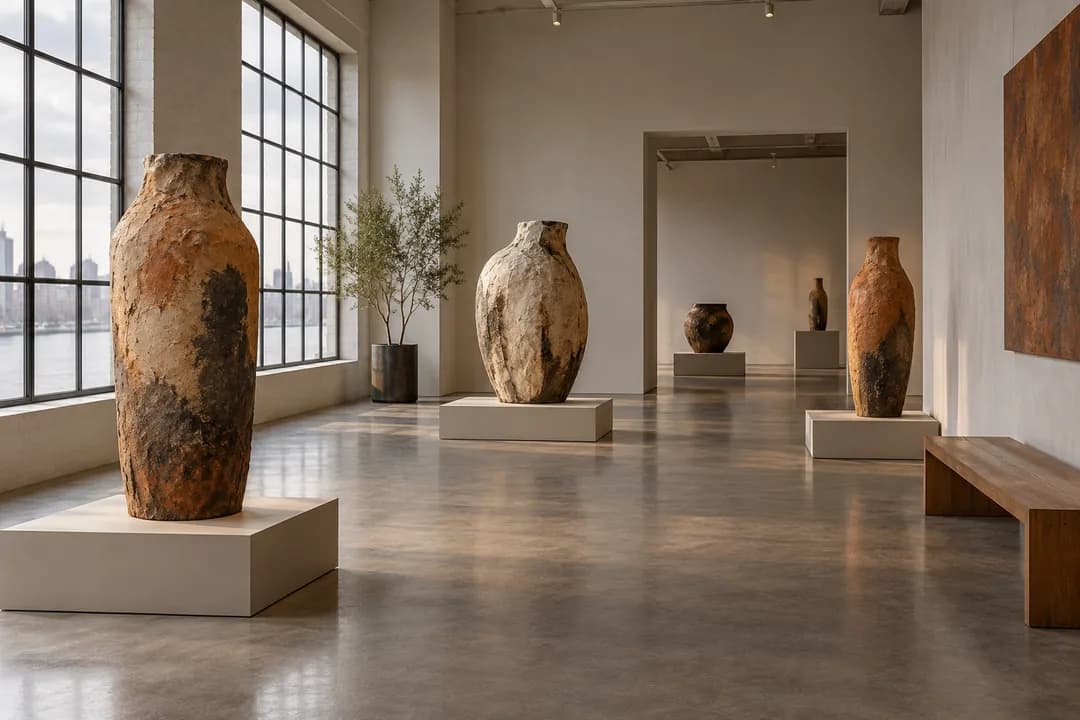
NYC Artisan Pottery Gallery: 3 Needs for Easier Visits
Plan an NYC artisan pottery gallery visit around entry, seating, and travel needs, then turn those priorities into a focused request in the Karpo APP.
An easier NYC artisan pottery gallery visit starts with three needs: getting inside, spending time comfortably, and getting home. Put the requirement that matters most at the beginning of your Karpo APP request. Perhaps you need a step-free entrance, somewhere to sit, or a short journey after work. These are individual planning conditions, not features that every gallery provides. A useful plan names them separately so an attractive exhibition never hides the detail that decides whether the outing works.
Describe the Visit You Want to Have
Imagine the visit from arrival to departure rather than beginning with a list of gallery names. Do you want to spend half an hour with one exhibition, browse objects for sale, or hear an artist speak? Each task asks something different of your time and attention. Someone who enjoys looking while seated may prefer a few objects with clear sightlines to a crowded opening. Someone carrying a walking aid may care more about maneuvering space than the number of artists represented.
Need One: An Entrance You Can Use
Treat entry as a sequence. The route from the pavement, the doorway, and any change of floor all matter. A phrase such as accessible venue does not answer every question. Identify the details relevant to you, such as a threshold, a lift, or the location of a public entrance. Keep an unanswered requirement visible in your comparison. An appealing photograph of a ground-floor room does not establish the route to it, especially when the image shows only the exhibition interior.
Write a Concrete Access Question
For example, a planning note could read: I use a wheelchair and need the public entrance and exhibition on a step-free route. That sentence explains the task without requiring a medical history. If a doorway dimension or lift measurement is essential, specify the measurement you need rather than expecting the word wheelchair to supply it. The organizer is the appropriate party to answer questions about its building. Your own equipment and preferences determine whether the answer meets the requirement.
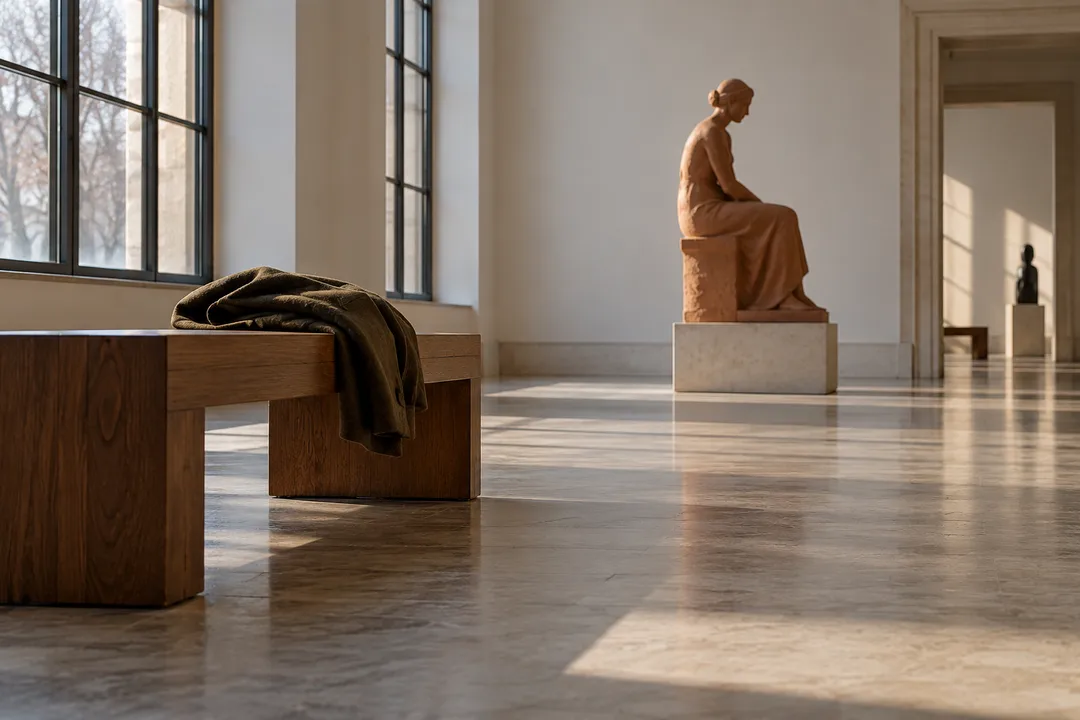
Need Two: Time Without Unwanted Standing
Separate the length of the outing from the time you are comfortable standing. A short gallery visit can still involve an entrance queue, an introduction, or several rooms without a bench. Describe your preferred balance: brief viewing intervals, opportunities to sit, and an easy point to leave. Do not infer seating from a chair in a publicity image. It could belong to staff or an installation. A seat useful for resting also needs to be somewhere you are permitted to use.
Make the Viewing Position Part of the Choice
Ceramics can be displayed on shelves, tables, or tall plinths. The display height may affect what you enjoy from your preferred position. If you need clear views while seated, say so when discussing an exhibition with its organizer. You need not request unrestricted handling to have a worthwhile visit. A few well-positioned pieces, adequate space to look, and a description you can read comfortably can matter more than a large room whose layout keeps the work out of view.
Need Three: A Journey With a Clear Ending
Choose your starting point and the place you need to reach afterward. Give your travel preference along with any limit on walking or transfers. Avoid using a broad borough name when a smaller area would express your actual comfort zone. A route with one destination can be a better fit than a gallery crawl. Leave room in the schedule for reaching the entrance and returning to transport instead of assigning every available minute to viewing. The return journey deserves the same attention as arrival.
A Request That Makes the Priorities Visible
Try wording your request this way: Help me plan a ceramic art visit in New York on Saturday afternoon. I want one destination, a short trip from my starting area, and seating during the visit. Put unresolved entrance details beside each suggestion. Replace those example conditions with your own. Karpo presents itself as an assistant for going out that works around your schedule. Supplying practical requirements makes the conversation useful, while answers about a specific building still need support from that venue.
Compare Answers Without Averaging Away a Barrier
Use three columns in your own notes: essential, preferred, and unanswered. A necessary lift belongs in essential. A quiet corner may be preferred. Missing information about a threshold stays unanswered until there is a concrete answer. Do not give a venue an overall score that allows several nice features to cancel out one essential barrier. If you cannot establish a necessary condition, leave that candidate out of the final outing. This keeps the choice respectful of your needs rather than treating access as a bonus.
Separate a Reception From an Ordinary Visit
An opening reception and regular exhibition viewing are different plans even at the same address. An event can change the amount of standing, the room arrangement, and the pace of conversation. Choose the format you actually want and ask questions about that format. If looking quietly is the goal, there is little reason to make a reception the default. Equally, a person attending for the artist conversation may accept a shorter viewing period in exchange for a supported place to sit during the discussion.
Carry the Useful Details, Leave the Rest
Keep the exact entrance description, the relevant contact method, and the reason you chose the visit together in a small note. Share only the requirements that a companion needs to help with the day. A concise plan is easier to use at a doorway than a long thread of tentative suggestions. If an arrangement has been agreed with the organizer, retain its wording. A suggested plan on a screen does not itself reserve a chair, arrange assistance, or grant permission to enter through a staff door.
Practical Notes for a Comfortable Exit
Set a personal stopping point before entering: a particular energy level, a final object, or the time you need to leave. There is no obligation to finish every room. Arrange any optional food or browsing after the essential visit, so it can disappear without disrupting the plan. The successful outcome is time spent with ceramic work under conditions you can use. Keep the next Karpo APP request equally specific: what worked about the journey, what made viewing comfortable, and which requirement should lead the next search.
Ask Karpo for more information.
Keep reading
- Chelsea Consignment Shop Crawl Planner for Your First Studio
 East Village Consignment Shop Crawl Planner: Leather Jackets
 Harlem Consignment Shop Crawl Planner for a Jazz Night Look