 Chelsea Consignment Shop Crawl Planner for Your First Studio
Hidden Gems & Odd Finds
Williamsburg Waterfront Artisan Pickle Shops: Brine Trails
Discover artisan pickle outposts along the Williamsburg Waterfront Corridor, offering crisp half-sours and spicy krauts. Remember to taste before you buy!
The Williamsburg Waterfront Corridor, with its cobblestone stretches and industrial-chic facades, has long been a haven for culinary explorers. Beyond the craft breweries and avant-garde eateries, a silent revolution of lacto-fermentation is taking hold. This guide invites you to delve into the world of artisan pickles, where time-honored traditions meet modern palates, celebrating the humble cucumber's transformation into a crunchy, tangy delight. Prepare to uncover the secrets behind the brine, the meticulous care involved in crafting the perfect pickle, and the dedicated individuals who keep these traditions alive.
The Art of Lacto-Fermentation: A Waterfront Tradition
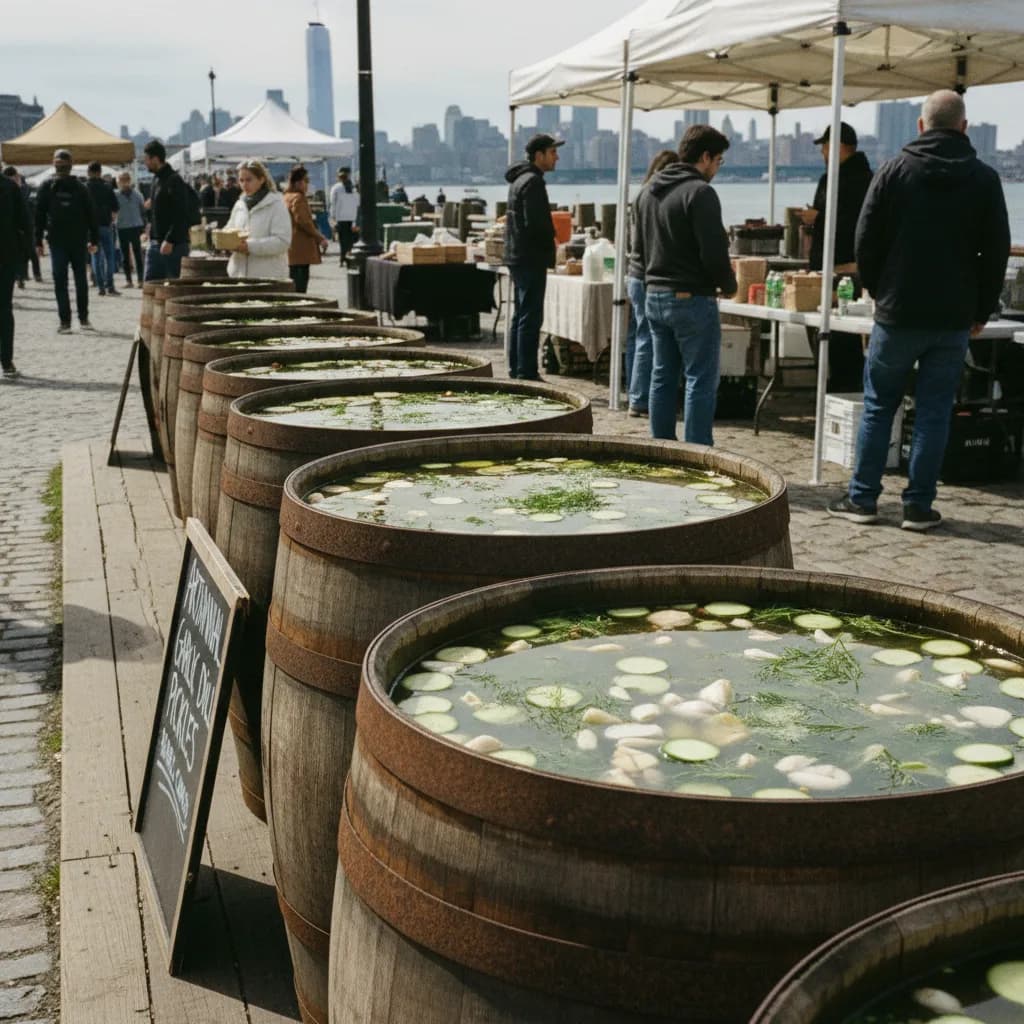
Lacto-fermentation, an ancient preservation technique, is at the heart of every true artisan pickle. Unlike vinegar brines, this method relies on naturally occurring lactic acid bacteria to transform fresh produce, creating complex flavors and preserving nutrients. Along the Williamsburg Waterfront, discerning palates seek out pickles crafted in ceramic crocks or robust oak casks, where the slow magic of fermentation unfolds, imbuing Kirby cucumbers with an unparalleled crunch and depth. Each batch tells a story of patience and natural processes, far removed from mass-produced varieties.
This traditional approach ensures that each pickle, from a zesty full-sour to a delicate half-sour, retains its vital snap and characteristic tang. The nuanced balance of sea salt, filtered water, and carefully selected spices like whole allspice and coriander seed is critical. Enthusiasts appreciate the slight effervescence and probiotic benefits that come from true lacto-fermentation, a testament to the artisan's commitment to quality over speed. These pickling techniques resonate with the area's rich history of food production and preservation.
Decoding the Brine: Oak Casks, Garlic, and Horseradish Kicks
The soul of an artisan pickle lies in its brine, a liquid symphony of flavors. Along the Williamsburg Waterfront, shops often proudly display their pickling vessels, with impressive oak casks hinting at deep, woody undertones absorbed by the cucumbers. Other purveyors favor large ceramic crocks, believed to provide a more neutral environment that allows the natural flavors of the produce and spices to shine. Expect to encounter brines infused with copious amounts of garlic cloves, dill fronds, and sometimes a potent kick of fresh horseradish, adding a surprising heat that lingers on the palate.
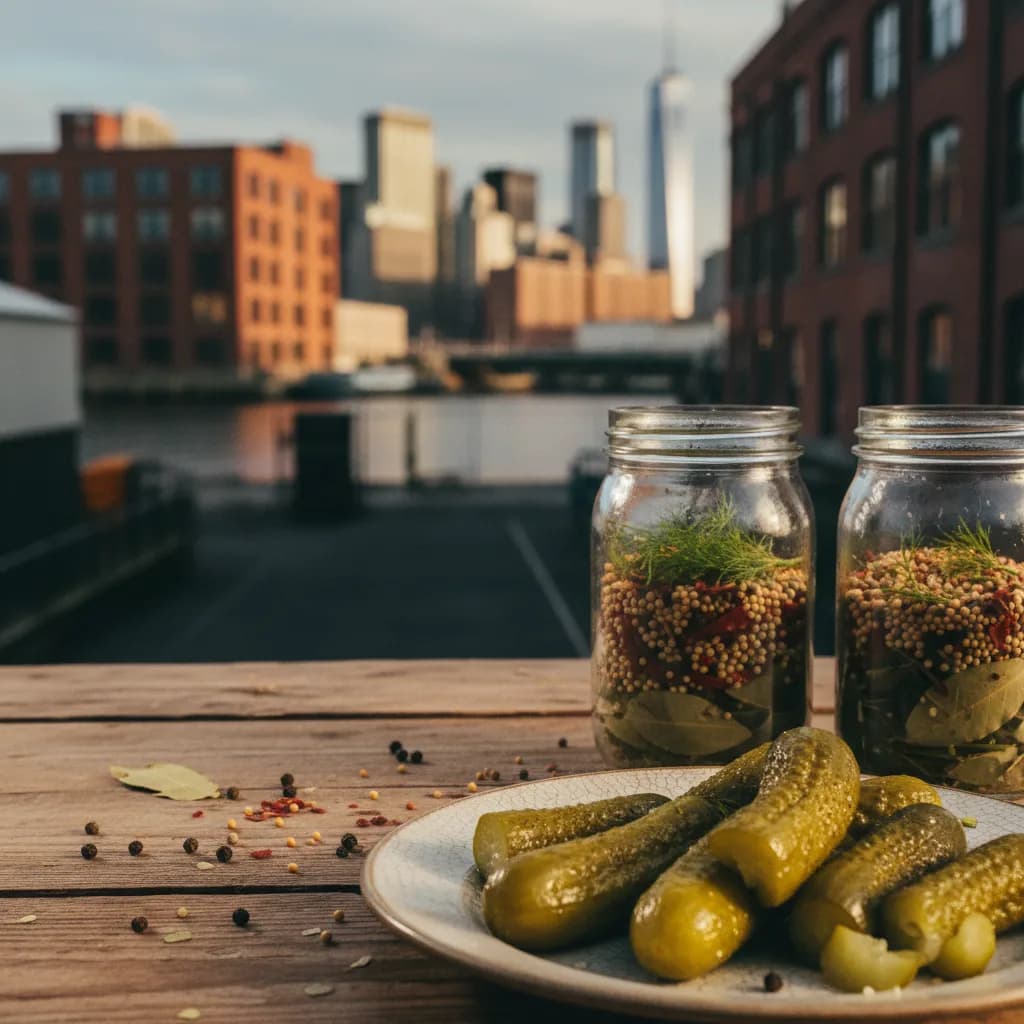
Understanding the brine involves more than just tasting; it's about appreciating the subtle variations in salt concentration and spice blends. Some establishments maintain a vibrant, cloudy brine, indicative of active fermentation, while others clarify their liquid for a cleaner appearance. The true aficionado looks for the interplay between the crispness of the cucumber and the intensity of the garlic and horseradish, a perfect harmony that defines a truly great pickle. Each artisan has their signature brine, a carefully guarded secret passed down through generations.
Tasting Etiquette: From Wooden Tongs to Barrel Turnover
Visiting an artisan pickle counter along the Williamsburg Waterfront is an experience in itself, complete with its own etiquette. Most shops offer samples, presented with hygienic wooden tongs onto small squares of wax paper boats. It's customary to try a piece or two, savoring the distinct textures and flavors before making your selection. Don't be shy to ask about the brine's composition or the fermentation duration; artisans often relish sharing their knowledge and passion for their craft, offering insights into what makes their pickles unique.
Another insider tip involves asking about barrel turnover timing. True pickle connoisseurs know that certain times, perhaps right after a new batch of half-sours has reached its peak, offer the freshest, most vibrant flavors. Many shops will let you taste a tiny sip of their brine – a powerful, salty, and often spicy elixir that reveals the essence of their pickling prowess. This ritual enhances the connection between the consumer and the artisanal product, fostering an appreciation for the labor and dedication involved.
Williamsburg's Architectural Backdrop to Brine
The journey for artisan pickles through the Williamsburg Waterfront Corridor is enhanced by the area's distinct architectural texture. Imagine strolling past converted warehouses with exposed brick, their facades softened by vibrant street art, leading you to an unassuming storefront housing a pickle haven. The industrial heritage of the neighborhood, once bustling with docks and factories, now provides a gritty yet charming backdrop for these small-batch producers. This blend of old and new creates a unique ambiance that makes each discovery feel like a hidden gem.
Walking corridors are often lined with trees and offer glimpses of the East River, creating a sensory rich experience that extends beyond taste. The interplay of historic buildings with contemporary design elements perfectly mirrors the artisan pickle's balance of tradition and innovation. These streets invite leisurely exploration, encouraging visitors to soak in the atmosphere while seeking out the next gourmet fermentation counter. Every corner reveals a new visual delight, complementing the culinary adventure.
Navigating the Waterfront: Transport & Leak-Proofing
Reaching the artisan pickle shops along the Williamsburg Waterfront is straightforward, with excellent transit connections. The L train's Bedford Avenue stop or the J/M/Z at Marcy Avenue place you within an easy walk of many culinary hotspots. Consider using the NYC Ferry service for a scenic approach, docking right at North Williamsburg and offering stunning skyline views. This makes for a pleasant and efficient way to explore, allowing you to incorporate multiple stops into your gastronomic adventure.
Once you've made your selections, protecting your precious brine jars from leaks on the go is crucial. Many artisan shops provide sturdy, sealed containers, but it's always wise to place them in a secondary, leak-proof bag, especially if you plan further explorations or a longer journey home. A good tip is to carry a small, insulated tote bag to keep your pickles at an optimal temperature, preserving their crispness until you're ready to enjoy them at home. Planning ahead ensures your treasures arrive intact.
Curating Your Culinary Crawl with Karpo APP
The Williamsburg Waterfront Corridor offers a delightful density of culinary stops, making it perfect for a customized walking route. As you discover new artisan pickle outposts and gourmet fermentation counters, leverage the Karpo APP to save your favorite spots. You can mark specific shops that offer the crispiest half-sours or the most pungent garlic brines, ensuring you never forget a stellar find. The app becomes your personal curator, streamlining your exploration and helping you revisit beloved locations with ease.
Use Karpo APP to design your ideal pickle crawl, plotting a route that connects different artisan shops with nearby coffee spots or scenic viewpoints along the waterfront. Add personal notes about specific barrel turnover times or unique spice blends you particularly enjoyed. This seamless integration of discovery and planning transforms a simple food tour into a deeply personalized and memorable culinary experience, making Karpo APP an indispensable companion for any serious food adventurer in Williamsburg.
Ask Karpo for more information.
Keep reading
- Chelsea Consignment Shop Crawl Planner for Your First Studio
 East Village Consignment Shop Crawl Planner: Leather Jackets
 Harlem Consignment Shop Crawl Planner for a Jazz Night Look