 Chelsea Consignment Shop Crawl Planner for Your First Studio
Hidden Gems & Odd Finds
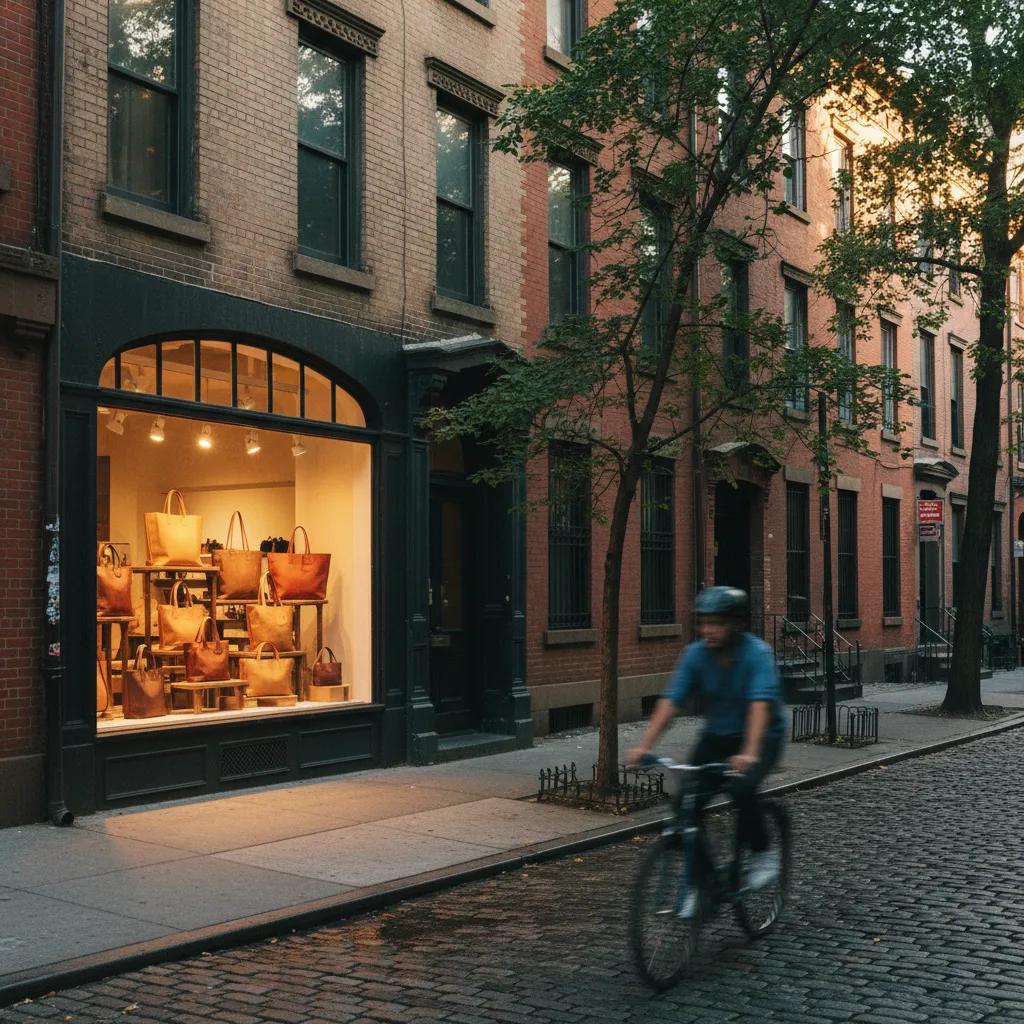
West Village Artisan Leather Goods Shop: Initials and Patina
Il Bisonte on Bleecker Street sells Tuscan vegetable-tanned bags and can stamp initials in store. Learn to read patina and stitching before you pay.
Il Bisonte's Bleecker Street store was the Florentine leather house's first single-brand shop in the United States when it opened in 2019, and it remains the clearest place in the West Village to handle artisan leather goods before buying. The brand has worked in Florence since 1970, and almost everything on its shelves is cut from vegetable-tanned hide processed in Tuscany. The store also personalizes purchases with initials, numbers or small symbols, which turns a bag into a gift on the spot.
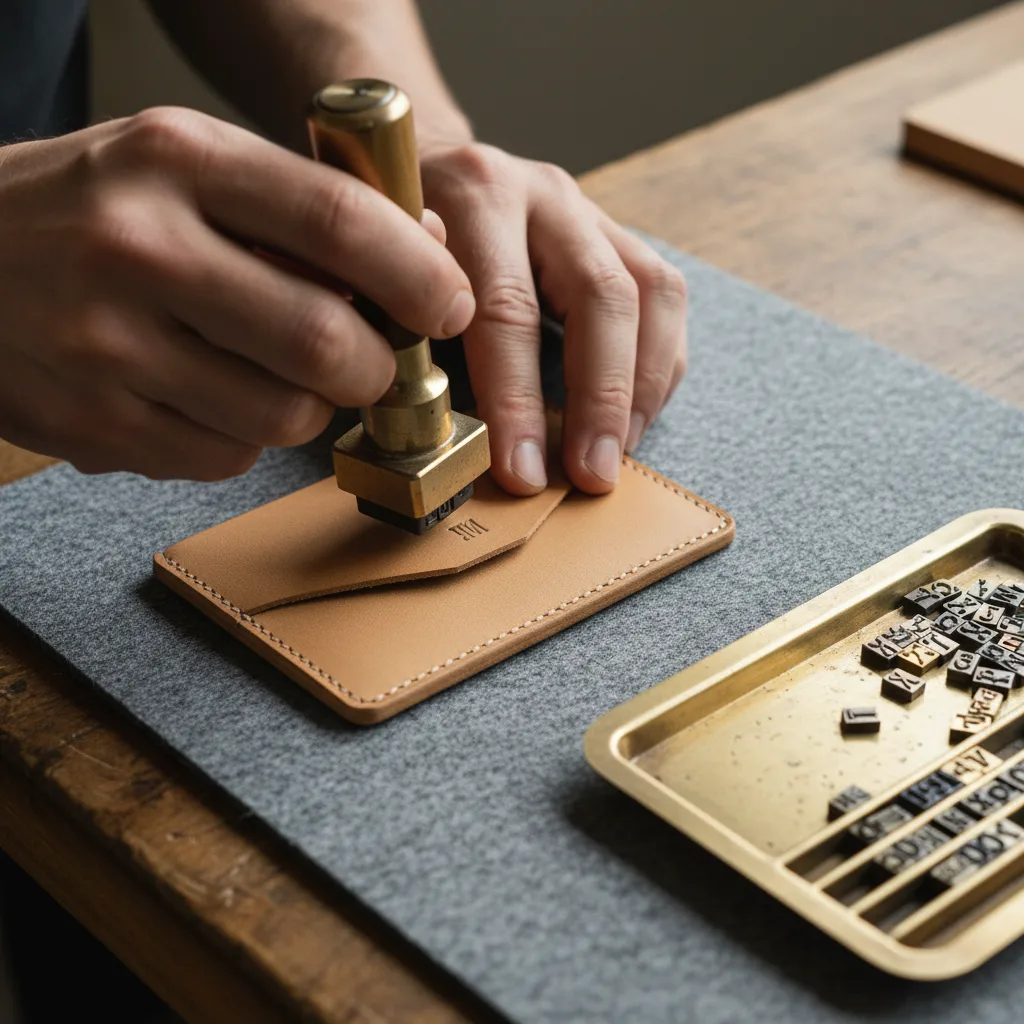
Why Vegetable-Tanned Leather Changes the Way You Shop
Most handbags sold in Manhattan use chrome-tanned leather, which is processed with mineral salts in a matter of hours and stays the same color for years. Vegetable tanning relies on tannins drawn from tree bark and wood, takes far longer, and leaves a hide that is firmer, smells faintly of wood, and darkens with sunlight and handling. That darkening is the patina people talk about. A tote that starts out the color of pale honey can turn a deep cognac within a couple of seasons of daily carrying.
The practical consequence is that you are buying a piece that will look different next year. Il Bisonte's store page says visitors are encouraged to touch, smell and try on the leathers, and you should take that literally. Press a thumbnail lightly into the underside of a strap: on undyed vegetable-tanned hide the mark will show, then fade as the oils move. If that kind of change bothers you, a dyed or chrome-tanned bag elsewhere on Bleecker will suit you better, and it is better to know that before the stamping tray comes out.
A Ten-Minute Inspection Before the Initials Go On
Personalization is permanent, so do the inspection first. Turn the bag over and look at the edges where two layers meet. Burnished edges have been sanded and rubbed until the fibers compress into a smooth, glassy band; painted edges carry a rubbery coat of edge paint. Both are legitimate, but a burnished edge on firm leather tells you the maker expected the bag to be repaired rather than replaced. Next, check stitch spacing along the gusset: it should be even, with no wandering lines where the needle drifted.
Lift the bag by one handle and watch where the leather bends. A well-cut piece flexes along the grain without creasing sharply at the attachment point. Then open every pocket. Interior pockets on vegetable-tanned bags are often left unlined, which keeps the weight down but means pens will mark the flesh side. Ask the staff which models they would choose for a laptop and which for a weekend; in a single-brand store the people on the floor handle the same leathers every day and can describe how each one ages.
Choose the placement of initials with the patina in mind. A monogram stamped on the front flap will darken along with the rest of the hide and become subtle within a year; one stamped inside the flap stays crisp because it sees less light. If the piece is a gift, the inside position is the safer choice: it reads as a private detail rather than branding.
Who You Meet on This Stretch of Bleecker
Bleecker Street west of Seventh Avenue mixes long-running neighborhood shops with international fashion labels, so the leather shoppers here range widely. On a weekday afternoon you see office workers replacing a briefcase that finally split, couples picking an anniversary gift, and visitors who planned their walk around the brand's Florentine reputation. Weekends are busier, and the counter where personalization happens can get a queue, so a weekday visit gives you more time with the samples and with the staff.
One honest note: if all you want is a small card case, buying it here is a fine excuse to see the full range, but you can skip the trip if you have already decided on a mass-market wallet. The case for this street is the larger, structured piece, where vegetable-tanned leather, careful edges and hand-finishing show their value over years rather than weeks.
Building a West Village Walk Around the Purchase
A leather errand is a good anchor for an unhurried walk because the neighborhood's best moments are the small blocks between the avenues. Start at Abingdon Square, the triangle where Hudson Street, Eighth Avenue and Bleecker meet, and follow Bleecker southeast past its row of small storefronts. The street bends as it goes because the West Village kept its older, pre-grid layout, which is why the blocks feel shorter and more residential than the rest of Manhattan.
After the shop, cut over to Christopher Street and head west toward Hudson River Park. The piers make a calm place to sit with a new bag and decide whether the strap length works. If you are walking in the other direction instead, the Jefferson Market Library, with its Victorian Gothic clock tower at Sixth Avenue and West Tenth Street, is a striking landmark to end on and a reminder that this part of the city rewards slow looking.
Plan B When the Weather or the Fit Is Wrong
Rain is the one real enemy of an untreated vegetable-tanned bag, and it shows water spots before it has built up any patina. If the forecast is grim, use the visit to try pieces on and decide, and leave the purchase for a dry day so you are not carrying the bag home in a downpour. If none of the shapes fit the way you carry things, do not force it: the West Village has other independent boutiques and leather is a material you should be sure about, not talked into.
Ask about care at the counter before you leave. Vegetable-tanned leather needs very little, usually a light conditioner a few times a year and a dry cloth after rain, but heavy oiling can darken it unevenly. The store's own staff can tell you what the house recommends for each leather, which is more useful than generic advice found online.
Using Karpo APP to Shape the Afternoon
Karpo APP works best before you leave home. Tell it what you are looking for, for example a structured vegetable-tanned tote that fits a laptop and a budget you are comfortable with, and ask it for ideas on where to look around Bleecker Street and what else to fold into the same walk. It can keep a shortlist of shops and cafes you want to see together, so you are not juggling screenshots on the sidewalk. Karpo does not hold stock or take payment for you; the decision still happens with the leather in your hands.
Practical Notes
Il Bisonte's flagship is on Bleecker Street in the West Village; the nearest subway stops are Christopher Street–Stonewall on the 1 line and West Fourth Street–Washington Square on the A, C, E, B, D, F and M lines. Personalization with initials, numbers or symbols is offered on in-store purchases. Bring the items you carry every day, such as a laptop, water bottle or book, so you can test the fit. Allow at least half an hour if you plan to have something stamped, and longer on weekends when the shop is busiest.
Ask Karpo for more information.
Keep reading
- Chelsea Consignment Shop Crawl Planner for Your First Studio
 East Village Consignment Shop Crawl Planner: Leather Jackets
 Harlem Consignment Shop Crawl Planner for a Jazz Night Look