 Chelsea Consignment Shop Crawl Planner for Your First Studio
Hidden Gems & Odd Finds
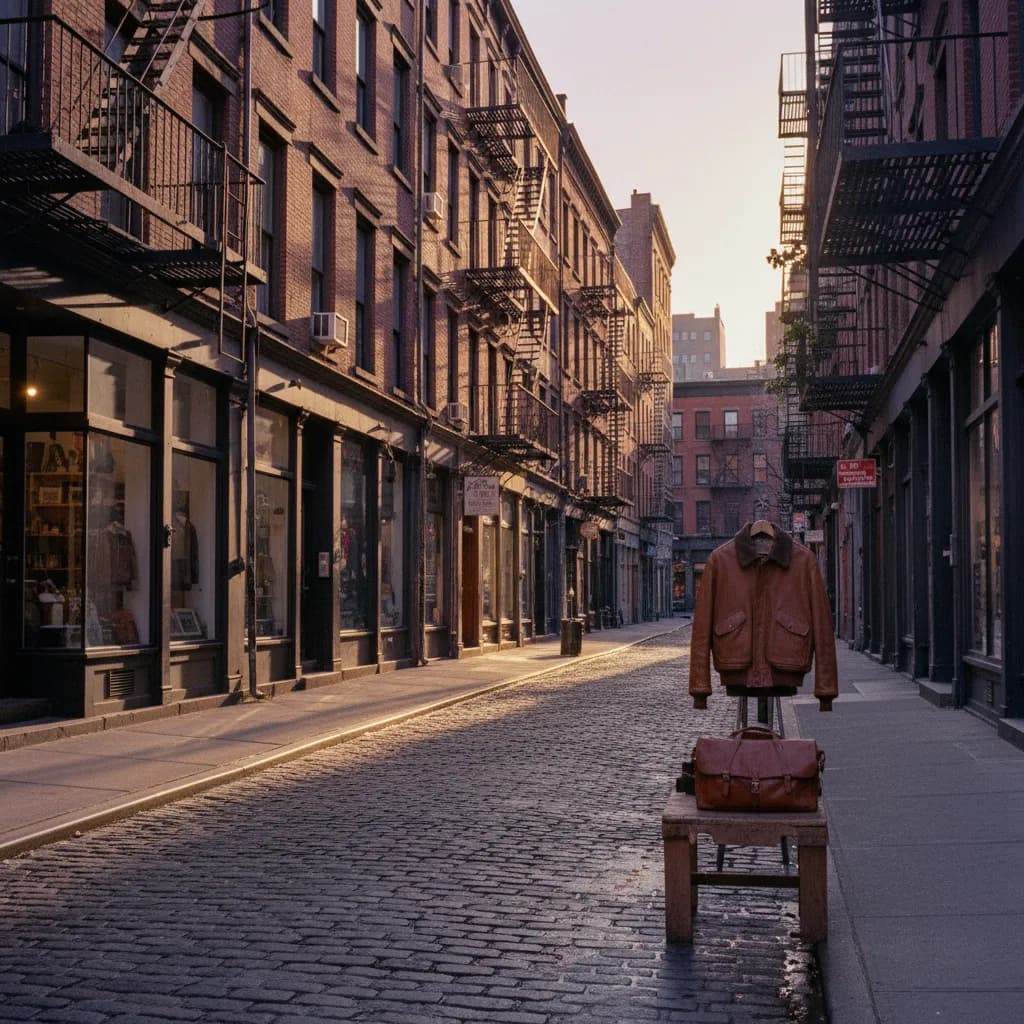
Lower East Side Artisan Leather Goods Shop: Orchard Roots
Hunting an artisan leather goods shop on the Lower East Side is free and walk-in. Start on Orchard Street, where Schott began in 1913, and vet vintage hides.
Schott NYC, maker of the Perfecto motorcycle jacket, was founded on the Lower East Side in 1913 by two immigrant brothers, and that origin story is the best way into an artisan leather goods shop hunt here. The company later moved its flagship to SoHo, and today the neighborhood's leather scene is less about big workshops and more about vintage racks, small boutiques and handmade accessories on and around Orchard Street. Walking it costs nothing, no booking is needed, and the best finds reward a patient eye.
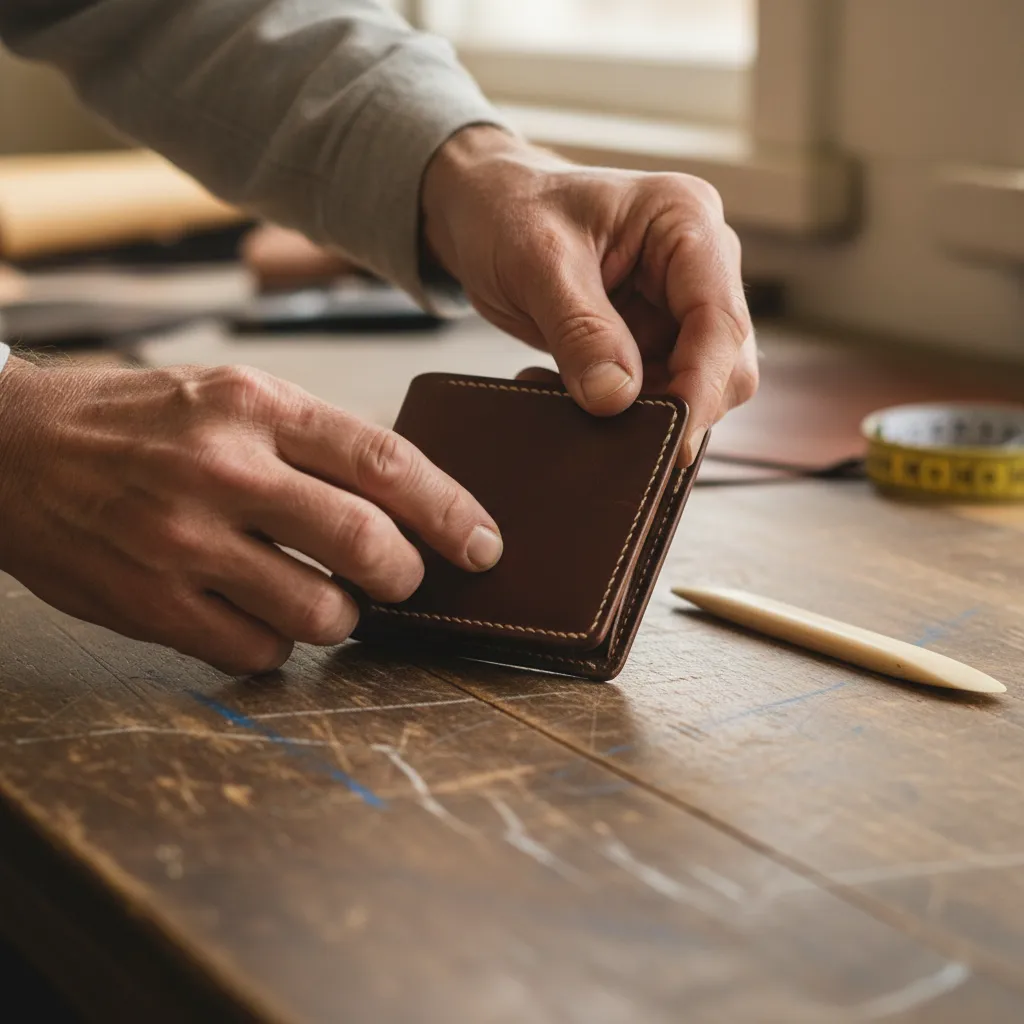
Why This Neighborhood Shaped New York Leather
In the nineteenth and early twentieth centuries the Lower East Side was the center of the city's garment trade. Immigrant families cut and sewed clothing in tenement apartments and small lofts, and the bargain shops of Orchard Street became famous across the city for haggling over coats, suits and accessories. Schott's early years followed the same pattern: a family business selling outerwear before it found lasting fame with leather motorcycle jackets in 1928.
You can see that history in person at the Tenement Museum on Orchard Street, whose guided tours of restored apartments tell the stories of real families who lived and worked in the building, including garment workers who turned their homes into workshops. Taking a tour before you shop changes how you look at a hand-sewn seam: it stops being a luxury detail and becomes a reminder of the people who once did this work a few floors above the street.
The Handmade Thread That Still Runs Through Orchard Street
When the accessories label Title of Work opened its store at 57 Orchard Street, founder Jonathan Meizler built it around an in-house atelier where customers can watch pieces being made. He has described the shop as a tribute to the Lower East Side's past as a garment manufacturing capital. The brand works mostly in neckwear, cufflinks and jewelry rather than leather, but a visit shows the standard to hold leather to: work done in view, by people who can explain every step.
That is the lens to bring to the rest of the walk. On Orchard, Ludlow and the side streets toward Delancey you will find independent clothing boutiques and vintage shops whose stock changes week to week. Leather turns up as jackets, belts, satchels and wallets, sometimes decades old. The goal is not a particular store but a particular piece, and the only way to find it is to look closely and handle everything.
How to Vet a Vintage Leather Jacket in Five Minutes
Start with the smell. Good old leather smells of leather and perhaps a little of the closet. A strong chemical or mildew odor rarely leaves, so walk away. Next, check the high-stress areas: the cuffs, the collar edge, the pocket openings and the area under the arms. Light scuffing is character, while cracks that run through the surface mean the hide has dried out past saving.
Then check the lining and the hardware. A torn lining is cheap to replace, which makes it a bargaining point rather than a reason to pass. Zippers matter more. Run each one fully up and down and look at the brand stamped on the pull, since older jackets often used heavy brass zips that outlast the leather itself. Finally, try it on with the layer you will actually wear underneath. Vintage sizing runs smaller than modern labels, and a jacket that closes only over a T-shirt will spend winter in the closet.
Bags and Small Goods Deserve the Same Scrutiny
For a used satchel or wallet, flex the leather near the folds. Supple leather bends smoothly, while brittle leather shows fine white cracks along the crease. Look at the stitching along the edges and handle anchors. Hand-stitched seams can be re-sewn by a repair shop, but leather that has torn around the stitch holes cannot be stitched again in the same place. Open every compartment and look for water stains on the inside, which are much harder to remove than marks on the outside.
An honest piece of advice: skip any vintage leather that has been painted or heavily dyed to hide wear. The coating often peels within months and leaves the item looking worse than it did before. A jacket with honest scuffs and a strong hide is a better buy than a shiny one whose surface you cannot see.
Who You Will Meet and When to Go
Weekday afternoons on Orchard Street are relaxed, with shop owners chatting in doorways and regulars who stop in every week to see what has arrived. Saturdays bring more browsers and the evening crowd heading to nearby bars and restaurants. If you want time to try on several jackets without feeling watched, go on a weekday. If a store is crowded, walk the block toward Seward Park and come back; vintage stock rarely sells out in an hour.
If nothing fits after an afternoon of looking, do not force a purchase. The leather jacket's family tree runs one neighborhood west: Schott's flagship now sits on Howard Street in SoHo, a short subway ride or a long walk away, where you can try new jackets in the same classic cuts and compare them with the vintage ones you just handled.
Let Karpo APP Hold the Plan
Before you go, tell Karpo APP what you are after, for example a vintage brown leather jacket in a certain size, plus a Tenement Museum tour and somewhere to eat afterward, and ask for a walking plan around Orchard Street. It can keep the shortlist of shops and the museum visit in one thread, so the afternoon flows. It does not track vintage inventory or buy anything for you. The finding still happens on the racks.
Practical Notes
Orchard Street runs north from Division Street toward Houston Street, and the nearest subway stops are Delancey Street–Essex Street on the F, J, M and Z lines and Second Avenue on the F. The Tenement Museum is on Orchard Street and runs guided tours that are best booked ahead on its website. Title of Work is at 57 Orchard Street. Bring cash and a card, wear a thin layer for trying on jackets, and set aside at least three hours to combine a museum tour with a proper look at the racks.
Ask Karpo for more information.
Keep reading
- Chelsea Consignment Shop Crawl Planner for Your First Studio
 East Village Consignment Shop Crawl Planner: Leather Jackets
 Harlem Consignment Shop Crawl Planner for a Jazz Night Look