 SoHo Tailor Alteration Shop Finder for Sample Sale Finds
Neighborhood Guides
LES Art Walk Route Planner: $5 Thursday Orchard Loop
Start free at Cuchifritos inside Essex Market, walk to ICP at 84 Ludlow Street where Thursday 5 PM to 8 PM entry is $5, and end at the New Museum.
Thursday afternoons and late-afternoon twilight unlock the sharpest timing for a Lower East Side art walk route planner, because the International Center of Photography on Ludlow Street drops evening admission to $5 starting at 5:00 PM while the New Museum on the Bowery keeps its galleries open until 9:00 PM. Instead of scattering your energy across random blocks above and below Delancey Street, starting inside Essex Market at the corner of Essex and Delancey Streets and weaving west across Ludlow, Orchard, and Chrystie Streets creates a tight sub-mile circuit where twentieth-century immigrant tenement history meets contemporary photography and sculpture.
Opening Inside Essex Market Stall 21 on Essex Street
Exit the F, J, M, or Z train at Delancey Street and Essex Street for a $3.00 OMNY tap and step straight into the sunlit public food hall on Essex Street just south of Delancey. Tucked directly alongside neighborhood cheese counters, produce vendors, and spice stalls at Stall 21 sits Cuchifritos Gallery and Project Space, an independent nonprofit exhibition room run by Artists Alliance Inc. Admission is free, making it one of the most disarming contemporary art thresholds in Manhattan, where working Lower East Side residents carrying grocery totes stand beside art critics inspecting site-specific installations.
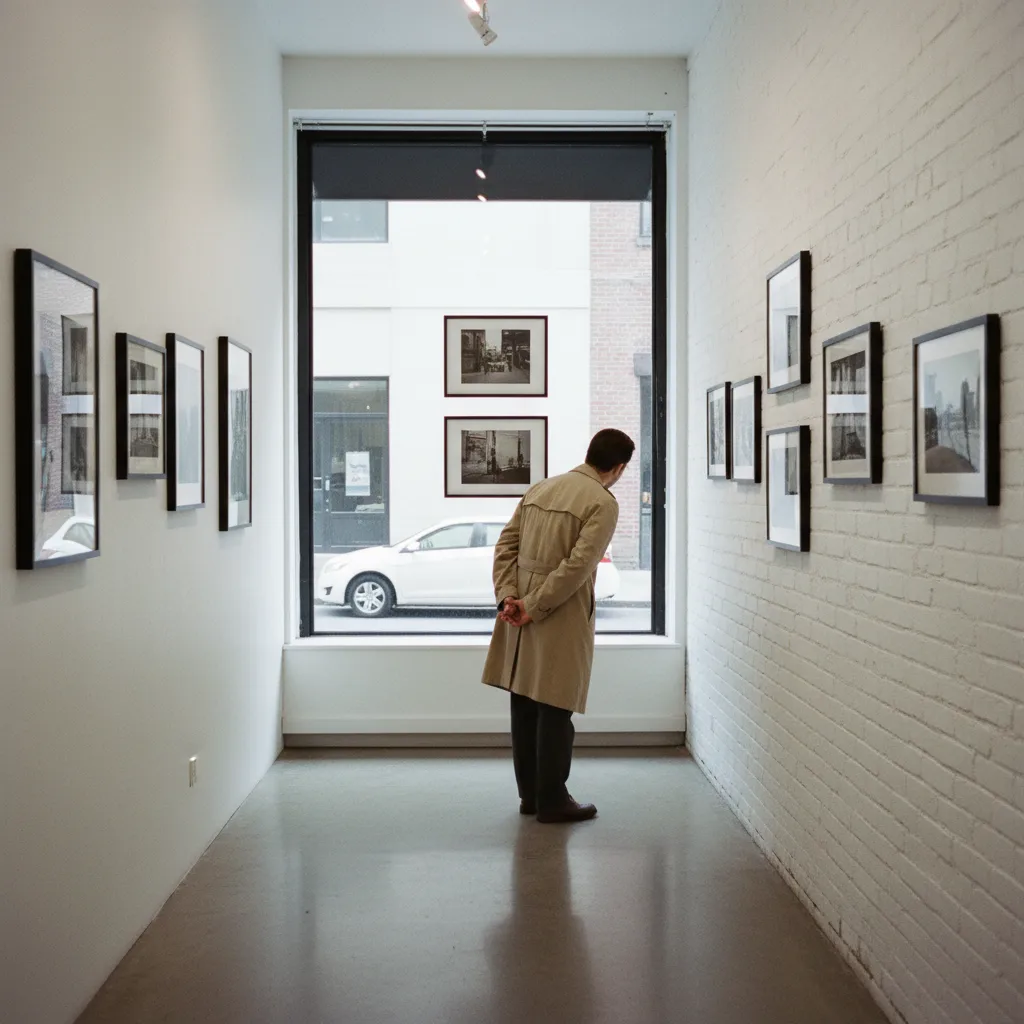
Walk out the western doors of the market complex and turn south one short block to 84 Ludlow Street, home since January 2020 to the museum and school of the International Center of Photography, originally founded by Cornell Capa in 1974. Galleries open Monday, Tuesday, Wednesday, Friday, Saturday, and Sunday from 10:30 AM to 6:30 PM, and stay open Thursday from 10:30 AM to 8:00 PM. Regular adult tickets are $18, seniors pay $14, students with valid ID pay $12, visitors fourteen and under enter free, and Thursday evenings from 5:00 PM to 8:00 PM cost $5.
Start on the upper exhibition floor at 84 Ludlow Street and descend slowly through the documentary and archival print rooms, where matte wall paint and angled track fixtures eliminate glass reflection on silver-gelatin darkroom prints and color photojournalism portfolios. Photo editors, darkroom technicians from nearby community labs, and documentary students linger over contact sheets and wall captions here far longer than casual museum crowds.
Threading Orchard Street Tenements Without Touching Delancey
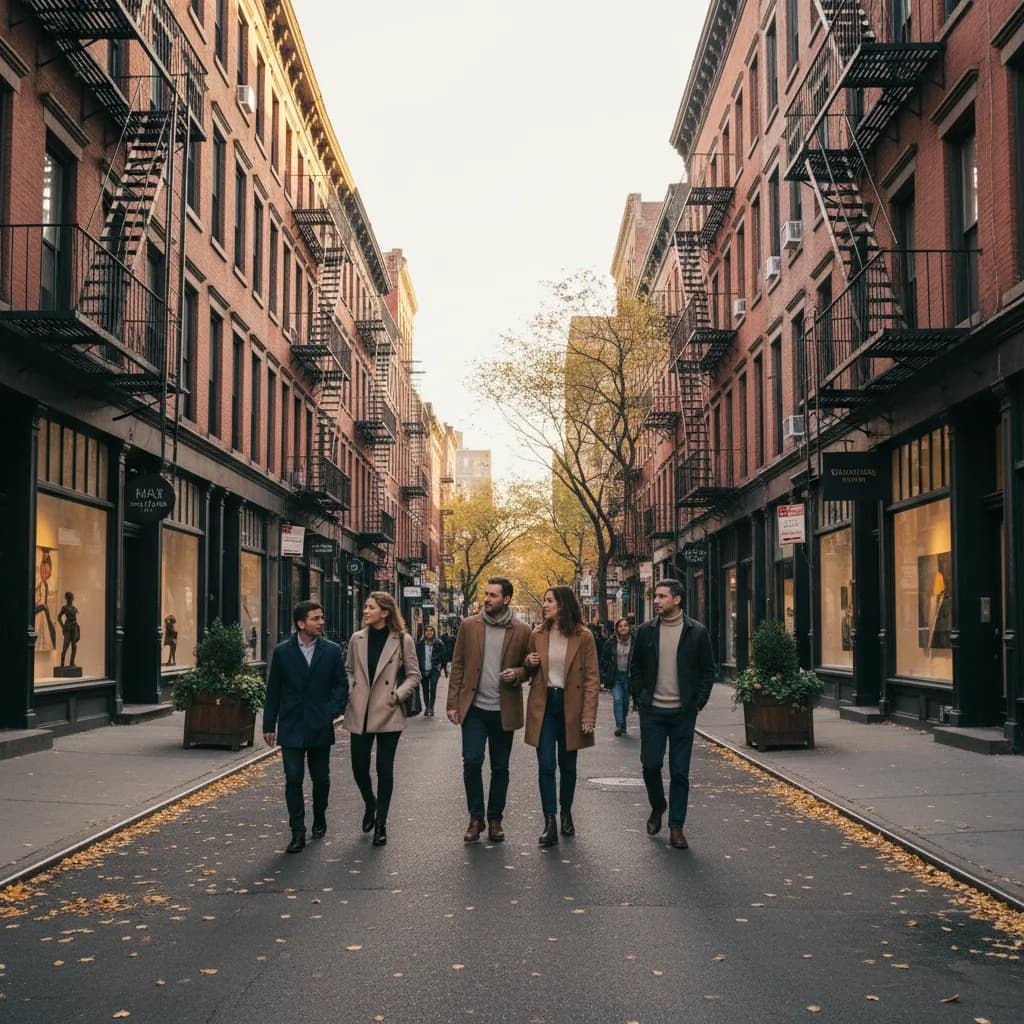
When you step back onto Ludlow Street, skip walking west along Delancey Street's six-lane Williamsburg Bridge approach. Heavy truck exhaust, honking bridge ramps, and narrow subway stair pinch points strip away any sense of neighborhood scale. Drop south to Broome Street instead and turn north onto Orchard Street, where five-story nineteenth-century brick tenements with wrought-iron fire escapes frame twenty-five-foot-wide ground-floor storefronts originally built for pushcart tailors and dry-goods merchants.
Passing 103 Orchard Street, anchored by the historic Tenement Museum, you immediately understand why contemporary project rooms on Orchard, Allen, and Eldridge Streets feel so distinct from cavernous Chelsea warehouses. Narrow parlor widths force curators to hang intimate three-work or five-work shows visible straight through plate-glass street windows before you even turn the brass doorknob. On Sundays, New York City's Open Streets program closes Orchard Street between Delancey and East Houston Streets to through-cars, turning the asphalt lane itself into a quiet pedestrian promenade.
Notice the cast-iron shopfront columns, transom windows, and stepped brick cornices as you move north between Broome and Rivington Streets. Dealers and artist-run collectives here regularly leave cellar hatchways closed and front doors propped open on dry afternoons, creating an informal block-party cadence during early evening receptions when painters, neighborhood printers, and RISD or Cooper Union alumni spill onto the bluestone stoops to talk over new shows.
Before crossing the park toward the Bowery, take a three-minute detour west on Rivington Street into Freeman Alley, a dead-end nineteenth-century brick service lane tucked between Rivington and Stanton Streets west of Chrystie. Layered wheatpaste posters, stenciled murals, and hand-painted street works constantly evolve along its weathered masonry walls, offering a raw outdoor counterpoint to the museum-grade framing you just studied on Ludlow Street.
Crossing Sara D. Roosevelt Park to the Bowery and Prince Street
Cut west across Eldridge and Forsyth Streets through the narrow tree-shaded spine of Sara D. Roosevelt Park, where neighborhood elders play afternoon chess and pickup soccer games unfold beneath sycamore canopies, then emerge onto the Bowery just south of Stanton Street. Looking north toward Prince Street, the stacked white anodized-aluminum mesh boxes designed by Tokyo architects Kazuyo Sejima and Ryue Nishizawa of SANAA in 2007 now stand joined to the seven-story OMA expansion designed by Shohei Shigematsu and Rem Koolhaas, which reopened on March 21, 2026 and doubled the museum's footprint.
Founded by curator Marcia Tucker in 1977 as Manhattan's dedicated home for living artists, the New Museum on the Bowery just south of Prince Street opens Tuesday, Wednesday, Friday, Saturday, and Sunday from 11:00 AM to 6:00 PM, stays open Thursday from 11:00 AM to 9:00 PM, and closes every Monday. Adult admission is $28, seniors sixty-five and older pay $24, visitors with disabilities pay $22, students pay $19, and everyone eighteen and under enters free. Riding the elevator to the upper skyroom and working floor-by-floor across the connected SANAA and OMA galleries lets you experience newly commissioned video, sound, and sculptural installations without staircase bottlenecks.
Evening Rain Shelters and Post-Walk Stops Around Bowery
Because Essex Market, 84 Ludlow Street, and the Bowery museum corridor sit within a ten-minute triangle, sudden downpours never derail this itinerary: you can spend forty minutes inside Essex Market and ICP, cross four blocks under an umbrella along Broome and Chrystie Streets, and spend another hour dry inside the New Museum. Subway exits surround the finish line, including the J and Z trains at Bowery, the B and D trains at Grand Street, and the 6 train two blocks west at Spring Street.
Stepping onto the Bowery after a Thursday evening gallery run leaves you steps from tucked-away noodle counters on Eldridge Street, quiet natural wine rooms on Orchard Street, and late-evening espresso bars toward Nolita. Look back once from the western sidewalk of the Bowery at dusk to see interior gallery illumination glowing softly through SANAA's perforated aluminum mesh beside the sculpted glass facade of the new seven-story wing. Rather than guessing which narrow storefront fits your mood afterward, open the Karpo APP and ask for relaxed dinner spots, dumpling counters, or quiet neighborhood bars within five blocks of Prince Street and Bowery.
Ask Karpo for more information.
Keep reading
- SoHo Tailor Alteration Shop Finder for Sample Sale Finds
 Williamsburg Tailor Alteration Shop Finder for Bike Riders
 Upper West Side Tailor Alteration Shop Finder for Kids