 Chelsea Consignment Shop Crawl Planner for Your First Studio
Hidden Gems & Odd Finds
NYC Architectural Salvage Yard: Soho Historic Lofts
Explore premier architectural salvage yard sources in Soho, uncovering authentic cast iron columns, vault prism glass, and heavy loft warehouse doors.
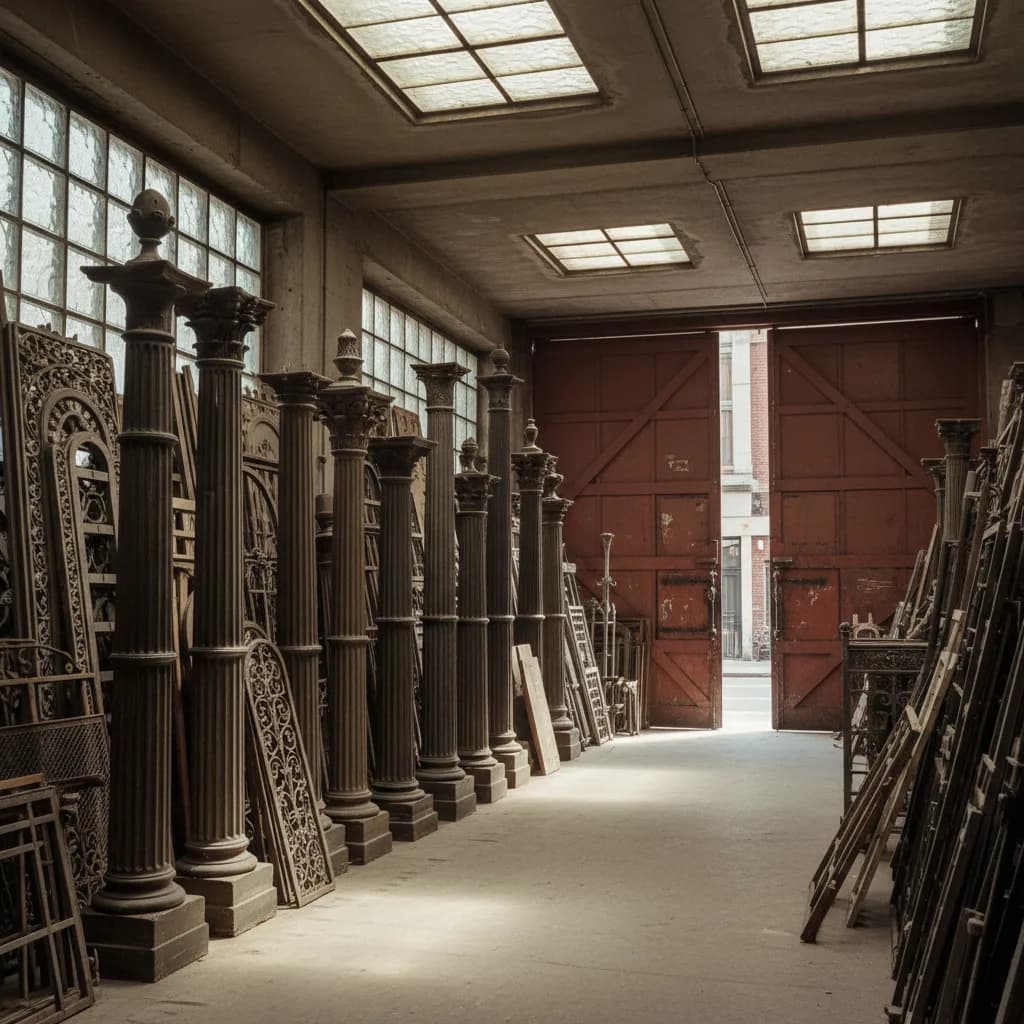
Lower Manhattan's Soho and Tribeca districts represent the world's most celebrated open-air museum of cast-iron commercial architecture, providing an extraordinary hunting ground for anyone exploring an architectural salvage yard in search of genuine industrial artifacts. Constructed predominantly between the eighteen seventies and the turn of the twentieth century, these towering mercantile warehouses were engineered to support heavy textile manufacturing, dry goods wholesaling, and transatlantic maritime trade. As modern luxury conversions and interior renovations reshape these historic lofts, demolition contractors and specialized pickers divert immense quantities of historic structural components to regional architectural salvage yard warehouses. From heavy cast-iron column capitals to stamped bronze elevator grilles, the material heritage preserved along this corridor offers restorers and bespoke designers authentic structural elements forged during New York's golden age of metal manufacturing.
The hallmark of any specialized architectural salvage yard sourcing expedition in Soho is the sheer scale and metallurgical craftsmanship of the available industrial ironwork. Foundries like Architectural Iron Works and Badger's West Side Iron Works poured thousands of tons of structural columns featuring Corinthian volutes, palmette friezes, and fluted shafts designed to maximize open floor plates. Reclaimed from demolished interior partition walls or rear lightwell alterations, these structural relics retain their heavy foundry marks, weighty square bolt patterns, and layers of historic verdigris patina. Incorporating an authentic Soho cast-iron capital into a contemporary residential entrance or urban garden installation creates an immediate connection to the industrial pioneers who built modern Manhattan.
Cast Iron Column Capitals and Vault Light Prisms
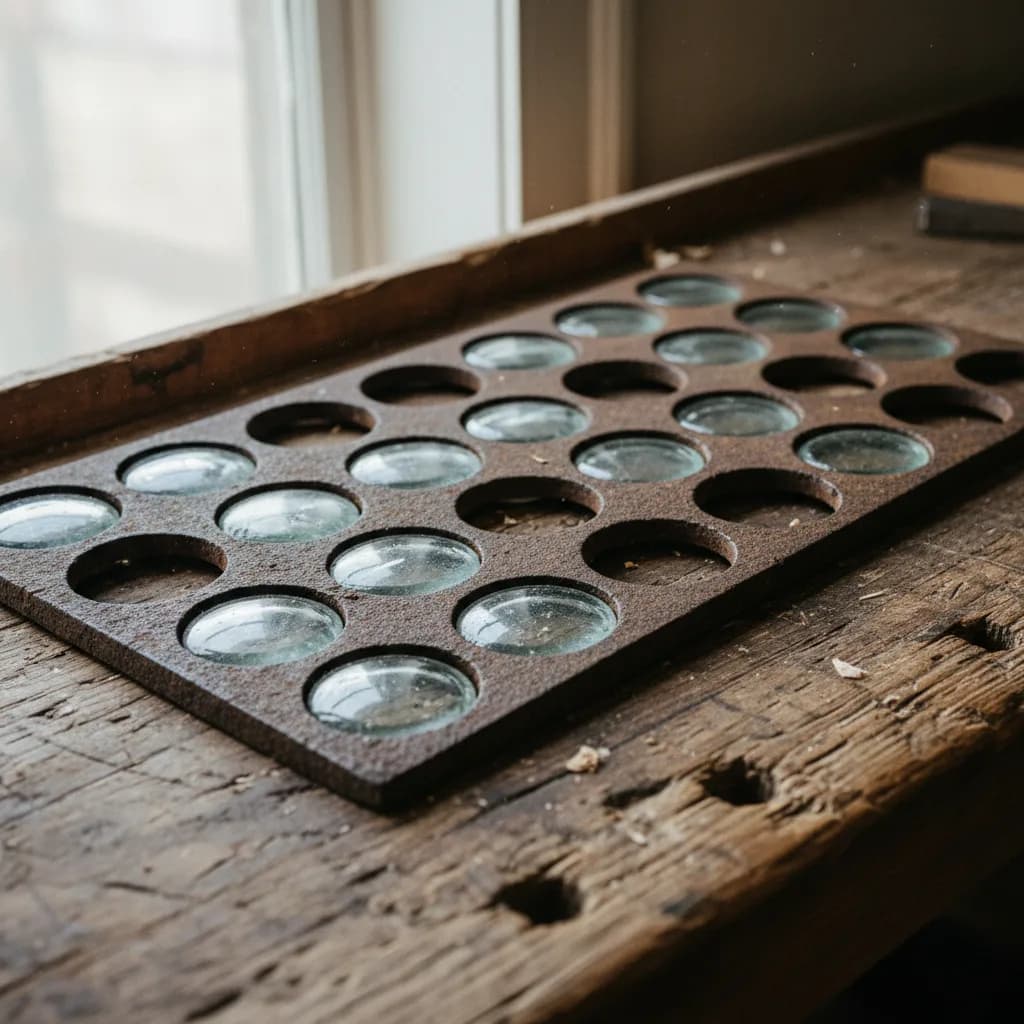
Among the most sought-after rarities in any urban architectural salvage yard are authentic nineteenth-century vault lights. Originally cast into heavy iron sidewalks along Greene, Broome, and Mercer Streets, these thick iron grates were inset with round or square translucent glass prisms engineered to refract sunlight down into vast subterranean basement storage vaults beneath the street. Salvaged sections of vault glass, whether preserved as intact pedestrian panels or polished individual glass bullseyes, display mesmerizing optical qualities created by manganese impurities in Victorian glass recipes that turned solarized lavender over decades. Designers frequently mount these architectural salvage yard glass prisms into custom backlit bars, skylight panels, or decorative garden light wells.
Equally compelling are the heavy sliding fire doors and freight elevator cage gates salvaged from Tribeca warehouse conversions. Constructed from diagonal tongue-and-groove white pine clad in lock-seamed galvanized tin or heavy riveted strap iron, these doors were engineered to contain catastrophic warehouse blazes during the nineteenth century. At an architectural salvage yard, finding an intact pair of tin-clad fire doors with original counterweight pulleys, track rollers, and fusible link gravity latches offers an incredible industrial centerpiece for modern open-concept residences. Their weathered pewter surfaces and tactile rivet patterns introduce genuine historic weight that modern reproductions cannot match.
Heavy Industrial Loft Doors and Freight Hardware
Browsing a high-volume architectural salvage yard specializing in Soho and Tribeca material requires patience and methodical inspection. Because industrial loft components are heavy and structurally complex, seasoned buyers carry digital calipers, magnet testers, and a brass wire brush. Magnets quickly differentiate between authentic nineteenth-century cast iron, rolled steel, and lighter modern aluminum replacements. When evaluating warehouse light fixtures or enameled factory pendants, inspect the ceramic sockets and threaded conduit junctions to ensure that the fixture housings can be safely rewired with modern grounded copper conductors without compromising original enamel finishes. Yard staff can often provide background documentation identifying the specific manufacturing firm or warehouse building from which the lot was salvaged.
Inspecting reclaimed hardwood flooring from Soho lofts presents unique opportunities for high-traffic interior renovations. Unlike standard residential strip flooring, commercial warehouse floors utilized thick, three-inch-wide structural maple, oak, or yellow pine capable of withstanding wheeled iron freight carts and heavy printing presses for over a century. An architectural salvage yard typically stacks this timber in sorted bundles according to board width, length, and surface distressing. Examine planks for historical deep gouges, oil staining, and nail holes that give genuine industrial character, while ensuring that tongue-and-groove edges remain intact and free of subterranean moisture rot before calculating square footage requirements.
Navigating High-Density Loft Warehouse Inventories
To understand the context of your architectural salvage yard acquisitions, embark on a walking survey of Soho and Tribeca's landmarked streets. Walking down Broome Street between Mercer and Wooster reveals intact multi-story cast-iron facades adorned with classical urns, brackets, and grand cornices. Observe the granite sidewalk curbing, the heavy diamond-plate cellar hatchways, and the decorative iron stoops where merchants once staged cargo. Notice how light reflects through operational vault prisms in front of historic retail establishments along Prince Street, demonstrating the remarkable longevity and practical elegance of nineteenth-century engineering in daily New York urban life. This visual survey directly informs how you integrate reclaimed industrial elements into modern domestic settings.
Tribeca's western edge, particularly along Greenwich, Franklin, and Hudson Streets, highlights former refrigerated butter and egg warehouses that have been thoughtfully adapted into residential residences and creative studios. Walking these cobblestone streets, you can spot restored iron loading platforms, rusted steel hoist beams projecting from upper roof gables, and heavy iron shutters pinned open against weathered brick facades. Witnessing these preservation successes inspires innovative ways to repurpose an architectural salvage yard beam or gate as a functional structural element.
Architectural Walking Context Through Soho and Tribeca
Transporting industrial-scale salvage across Manhattan demands careful planning and appropriate logistics equipment. Cast-iron columns, marble mantels, and steel fire doors frequently weigh several hundred pounds and cannot be transported in passenger vehicles. Reputable architectural salvage yard operators maintain relationships with insured flatbed couriers and crane delivery operators experienced in navigating narrow lower Manhattan streets and coordinating curbside offloading within tight municipal parking regulations. Always verify doorway clearances, service elevator dimensions, and structural floor-load capacities in your destination building before finalizing heavy purchases.
For lighter architectural salvage yard purchases such as brass sash locks, porcelain push plates, and decorative iron rosettes, bring heavy padded wraps and bubble sleeves to prevent delicate machined edges from abrading during local transport. Labeling hardware bags with specific installation room locations saves countless hours during the assembly phase of your renovation project, ensuring that every historic screw and mounting bracket remains organized from the salvage yard counter to final wall mounting.
Handling Logistics for Large Industrial Artifacts
Karpo APP serves as your indispensable companion when navigating the architectural salvage yard landscape across Soho and Tribeca. Use Karpo APP to document exact fixture dimensions, save architectural reference photos, and cross-reference nearby preservation hubs and specialty tool supply shops. The app makes it effortless to map multi-stop routes between salvage warehouses, neighborhood coffee roasters, and historic landmark buildings without losing valuable time. By keeping your structural specifications and neighborhood notes easily accessible on your mobile device, Karpo APP streamlines every stage of your architectural sourcing journey.
Whether you are restoring a landmark loft or seeking a signature historic element for a modern interior, the architectural salvage yard circuit through Soho and Tribeca remains New York's ultimate destination for industrial authenticity. Each rescued beam, prism, and bolt carries forward the remarkable narrative of Manhattan's commercial builders, ensuring that the craftsmanship of past generations continues to anchor the aesthetic vibrancy of contemporary urban living.
Ask Karpo for more information.
Keep reading
- Chelsea Consignment Shop Crawl Planner for Your First Studio
 East Village Consignment Shop Crawl Planner: Leather Jackets
 Harlem Consignment Shop Crawl Planner for a Jazz Night Look