 Tribeca Bowling Group Night Planner for Wedding Guests
Sports Social
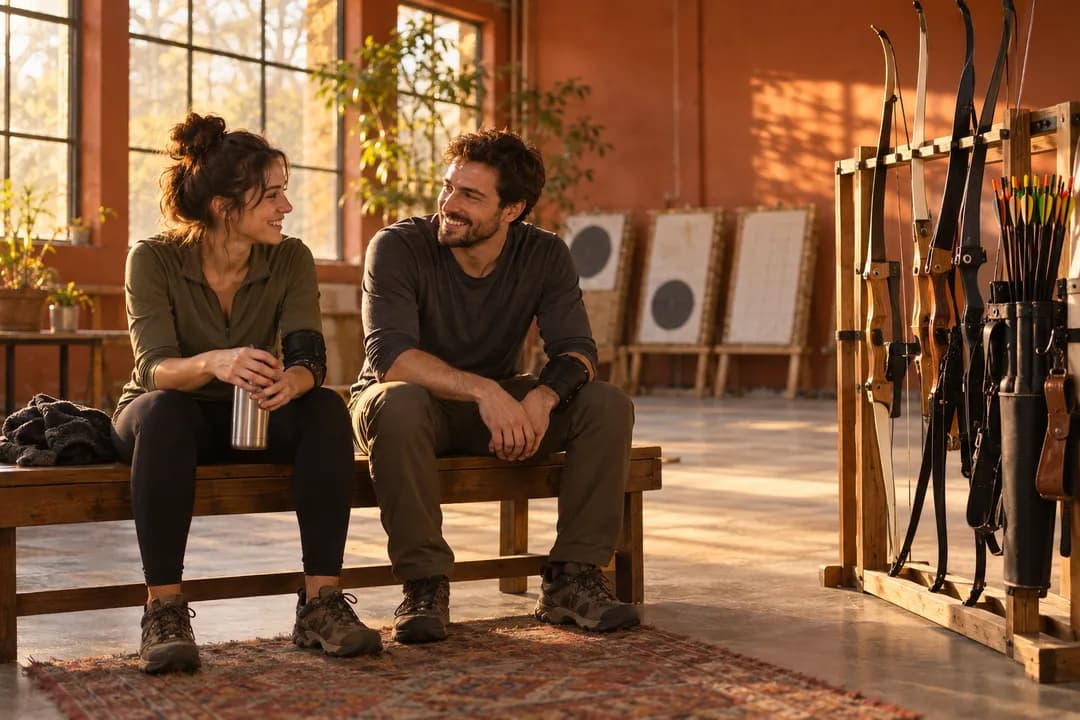
NYC Archery Range: Plan a Date in 4 Steps
Plan an NYC archery range date around both partners' experience, shared travel and a simple stop afterward, then choose the lesson together before booking.
Plan an archery range date around a shared lesson and a little time afterward. The session gives you something to do together, while a separate coffee or meal gives you space to talk. In the Karpo APP, describe both people's experience, where each will travel from and how structured you want the date to feel. Work through four decisions: agree on the experience, find a session that fits you both, build the surrounding outing and complete the booking. This keeps the activity from swallowing the whole evening.
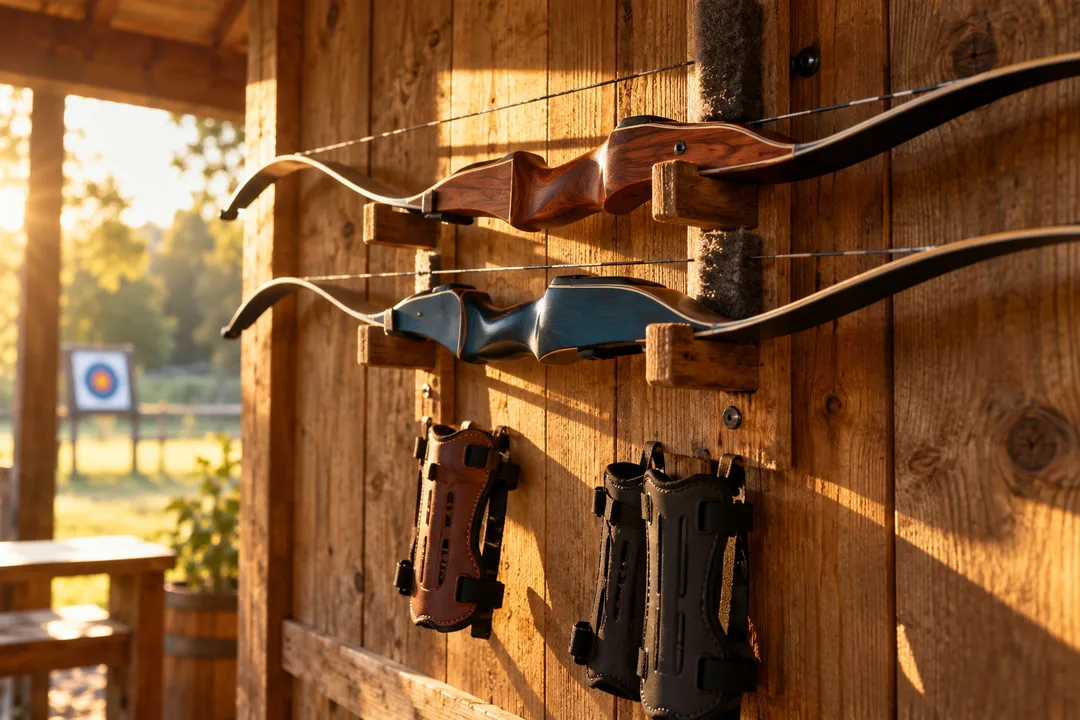
Step one: agree on the kind of date
Start with enthusiasm rather than a surprise reservation. One person may love trying a new sport while the other would enjoy watching before joining. Ask your companion whether a taught activity sounds fun and what would make it comfortable. The answer can be simple: a patient introduction, time to learn without an audience or a session that does not turn into a competition. Give Karpo that context before asking for suggestions. It is more useful than calling the date adventurous and hoping both people mean the same thing.
Talk about experience honestly. If one of you already practices and the other has never touched a bow, choose for the newcomer first. An introductory format can create a shared starting point, whereas an independent practice booking can leave one person learning logistics while the other enjoys a familiar hobby. Do not assume a range's general beginner-friendly description settles the format. Use the actual class offer and ask Karpo to distinguish instruction, practice access and any prerequisite it describes.
Step two: compare a session for two people
Bring the planning request down to the offer: two adults, the date you are considering and the level of instruction you want. Ask for a compact shortlist with a reason each choice suits that specific pair. If a venue publishes group size, supplied equipment or the lesson's structure, those details are worth comparing. Leave unknown details unknown. A generic description of a private-feeling experience should never become a claim that the two of you will have the room to yourselves.
Decide whether you want to join a group or seek a private lesson when the provider offers one. Neither format is automatically more romantic. A group can take pressure off constant conversation, while dedicated teaching can suit a pair who want more individual guidance. Compare the published offer against your preferences and budget instead of assuming exclusivity is required. If you have a session link already, share it with Karpo and ask which parts of your desired experience it actually answers.
Keep the activity's own instructions above the date-night mood. During a coached session, attention belongs with the instructor and the rules of the range. Save photographs, jokes and scorekeeping for the moments the staff permit. This is a useful expectation to agree on beforehand: you are learning together, not trying to perform an impressive version of yourself. You do not need a technical coaching plan from an itinerary. Let the person responsible for the session teach the practical skills.
Let both journeys influence the choice
NYC date planning can become unfair when the organizer searches only from their own neighborhood. Tell Karpo where each of you will start and where you need to finish. Ask for a location that makes the combined outing reasonable, rather than simply splitting geographic distance down the middle. A direct ride for one person and a manageable transfer for the other can be preferable to a nominal midpoint with awkward journeys on both sides.
Choose a clear meeting arrangement after settling on the venue. You might meet at the range's designated arrival point or have a simple drink nearby first if the timing comfortably allows it. Use the provider's arrival instructions as the fixed requirement, and keep the pre-session portion short enough that service delays do not control the evening. For a new relationship, agreeing on one place and one time is often more welcoming than a complicated itinerary with several chances to miss each other.
Step three: give the conversation its own place
Think of the meal or coffee afterward as a different part of the date with a different purpose. The lesson supplies shared experience. The later stop supplies conversation. Ask Karpo for something close to the selected range that matches your food preferences and how long you want to stay. A casual place can work better than a demanding reservation when neither of you knows how energetic or hungry you will feel after trying something new.
You can ask for a short neighborhood walk between the two stops, but keep it genuinely optional. An outdoor stretch is attractive when the weather and both people's energy cooperate, and unnecessary when either person would rather sit down. Build the route from the chosen activity outward instead of adding a famous restaurant across the city. The aim is a date with an easy rhythm: arrive, learn, leave the equipment behind and spend time together without another complicated transition.
Avoid making a shared score the only success measure. Someone may enjoy the mechanics while the other loves discovering an unfamiliar room or neighborhood. Afterward, ask what part they liked and whether they would try it again. This makes space for different reactions without turning the evening into an assessment. If you decide on another outing, let that answer shape it. The date succeeds by giving you a good experience together, whether or not archery becomes a regular interest.
Step four: make the purchase together
Once you agree on a session, open the provider's booking page and select the right number of participants. Read the listed inclusions and cancellation terms before paying, especially when one person is buying for both. Tell your companion what is being booked and which instructions apply. A plan in a conversation does not create an order, and a suggested time does not establish availability. The purchase is complete when the provider supplies its booking confirmation.
Save that confirmation where both people can find it and send a short practical message with the meetup and the next stop. Include only details that are settled, keeping optional walking or food ideas clearly flexible. If the intended session is unavailable, change the day or use your agreed preferences to consider another option. Do not substitute an experienced-archer practice slot just because its time looks convenient. Preserving the shared experience matters more than preserving the original hour.
Practical Notes for a date with room to breathe
A strong first message to Karpo describes two people rather than a generic romantic outing: one beginner and one curious partner, leaving from different neighborhoods, wanting a taught activity followed by a quiet place to eat. Add a spending ceiling and the time you both have free. Ask for choices that explain their compromises. That gives you something concrete to discuss with your date and makes the final selection feel shared from the beginning.
Keep your plan light enough to adapt to the people actually on it. Skip the competitive wager if either person dislikes pressure, and skip the extra destination if it makes the journey cumbersome. Bring the provider's participation instructions into the final arrangement and leave practical teaching with the instructor. The four steps are a way to get the planning done, not a script for the evening. Once you have arrived together, curiosity and consideration are more useful than squeezing every minute into an itinerary.
Ask Karpo for more information.
Keep reading
- Tribeca Bowling Group Night Planner for Wedding Guests
 Flushing Bowling Group Night Planner for Thanksgiving Break
 Bushwick Bowling Group Night Planner After Band Practice