 Long Island City Bowling Group Night Planner for Birthdays
Sports Social
NYC Archery Range: 5 Filters for Your First Lesson
Choose an NYC archery range for a first lesson by comparing coaching, rental equipment and travel time, then use the venue's booking page to select a session.
Choose a coached introduction before choosing an archery range by distance alone. For a first NYC session, the useful question is whether the specific lesson welcomes someone who has never handled a bow and includes the equipment they need. Start in the Karpo APP with your neighborhood, the day you want to go and the fact that you are a complete beginner. Ask for a small shortlist organized around five filters: instruction, equipment, eligibility, travel and the booking terms. Those filters turn a promising place into a session you can sensibly choose.
Begin with the lesson, not the lane
A place to practice and a place to learn answer different needs. A lane-rental listing describes access to space, while an introductory class should explain how a newcomer joins and what instruction is included. Put that distinction in your request: you want a taught first experience, rather than a place to bring your own equipment. Ask Karpo to compare the descriptions available for each option and keep the lesson format visible beside the name. A beautiful room is a poor reason to pick an unsuitable session.
Supply your experience in ordinary language. Saying that you have never tried archery is more useful than choosing a technical label you do not understand. Add the number of adults and whether anyone younger will participate. If you already have two class links, share both and ask what each explicitly includes. The output you want is a comparison of those offers, with unanswered points clearly separated from stated inclusions. It should help you decide which class to pursue without pretending that a search result has reserved a place.
Make borrowed equipment an explicit requirement
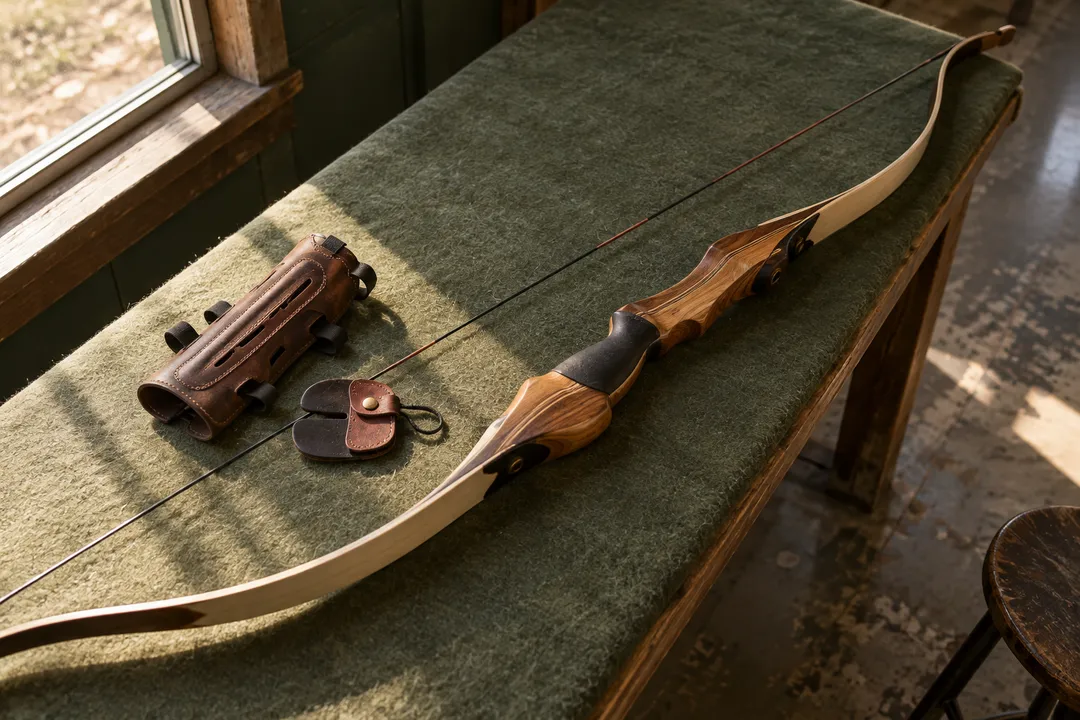
For this first outing, treat equipment as part of the lesson decision. You do not need to turn a new interest into a shopping project before you have tried it. Ask for options whose published introductory offer describes supplied gear, and keep any equipment charge beside the lesson fee when one is stated. An image of bows on a wall does not establish a rental policy. The relevant evidence is the description of the session you would buy, including any separate requirements attached to it.
Avoid inventing a preferred bow specification to make the search sound precise. Fit and setup belong with the instructor who is teaching you. Your useful contribution is practical context: whether you need left-handed equipment, have an accessibility question or are attending with a friend whose experience differs from yours. Present those as questions for the provider when the offer does not answer them. Ask Karpo to help draft one concise message covering those points, rather than assuming that every introductory package handles them in the same way.
Read eligibility before planning the afternoon
The third filter concerns who can attend and what the booking expects. Use the actual ages of younger participants in your request, and distinguish an adult class from a family session. A general description saying that a venue welcomes beginners does not settle the eligibility of a particular class. Compare the lesson listing and its participation terms together. If a minimum age, guardian requirement or prerequisite is stated, bring it into your decision before inviting people or arranging a meal afterward.
Consider comfort as well as formal eligibility. Someone seeking quiet instruction may prefer a different format from a friend who wants a lively group activity. Ask for the class size and teaching structure only when those details are published, and do not infer them from promotional photographs. You can explain that you would value a smaller group or a slower introduction without demanding a guarantee. This makes your request personal while leaving the provider responsible for describing what its session actually delivers.
Give the journey a real starting point
NYC is too large for a citywide distance label to settle the choice. Start the travel comparison from the place you will actually leave: your office after work, your hotel or your home neighborhood. Add a maximum journey you would willingly make and whether you prefer subway travel or another mode. Ask Karpo to organize the shortlist around that starting point. Keep a pleasant but inconvenient option in reserve only if its lesson offer is meaningfully better for your needs.
Build your available window from departure through the journey home. A lesson that fits neatly between two appointments on paper may leave no room for arrival procedures or a delayed train. Ask the provider's booking information what arrival time applies to the class, then leave space around it in your own plan. This is a planning allowance, not a claim about a particular venue's punctuality or train service. If your evening is tight, choose a less complicated journey instead of trying to remove every spare minute.
Compare the actual purchase
The fifth filter is the offer you will pay for. Read the selected session's duration, inclusions, cancellation terms and any stated extra charge as one package. A lower headline price can describe a different product, such as practice time without instruction. Ask Karpo to summarize the distinctions from the links you share, and label a missing price as missing rather than estimating it. Keep the comparison in the same currency and on the same per-person basis so a pair booking does not look like a solo bargain.
Choose your front-runner only after you understand the route from listing to checkout. Open the provider's own booking page and select the class and date that match your plan. The provider's order confirmation establishes the purchase. A recommendation, draft itinerary or suggested time remains a planning result until then. Save the session description alongside the confirmation so you have the inclusions and participation instructions in one place, and give your companion the actual booking details rather than the first search link you found.
Practical Notes for a low-pressure first visit
Keep the rest of the outing modest. Ask for a nearby coffee stop after the class and a short walk that does not require a second reservation. You can request a neighborhood route once you have selected the range, using the lesson as the fixed point. Skip the ambitious cross-city dinner beforehand if it would make arrival stressful. For a first try, a straightforward lesson and time to talk about it afterward are enough of a plan.
A useful starting message is: I am new to archery, leaving from my NYC neighborhood with one other adult, and I want a taught session with borrowed equipment. Add your date, travel limit and spending ceiling. Then refine the suggestions using the five filters above, keeping the original links available for the final choice. Bring the provider's instructions into your plan, follow the instructor at the session and leave technical coaching to them. Your next step is a well-matched introduction, not a commitment to an entire new hobby.
Ask Karpo for more information.
Keep reading
- Long Island City Bowling Group Night Planner for Birthdays
 Greenpoint Bowling Group Night Planner: Start a Weekly Crew
 Chelsea Bowling Group Night Planner for After-Work Teams