 Chelsea Consignment Shop Crawl Planner for Your First Studio
Hidden Gems & Odd Finds
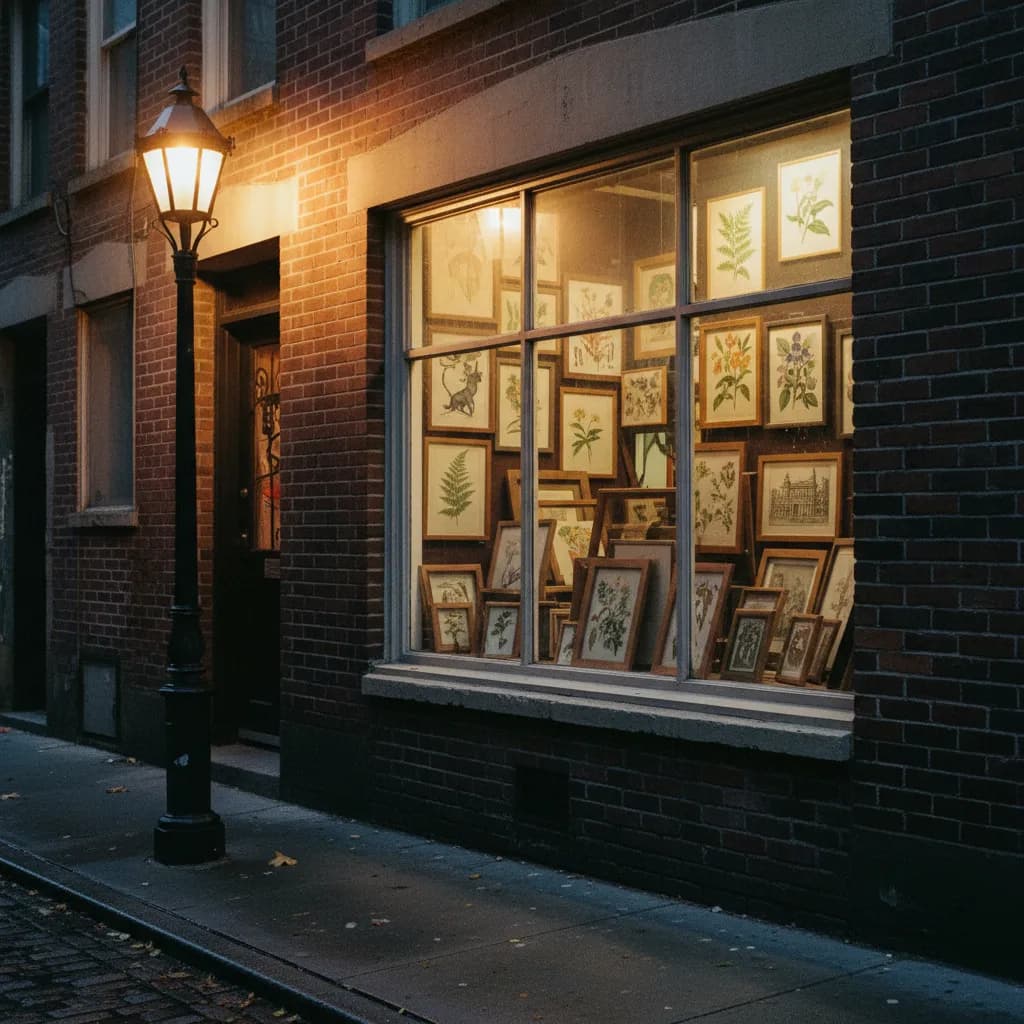
Greenwich Village Antique Print Map Shop Guide
Explore Greenwich Village antique paper stalls and historic map rooms near Washington Square. Learn paper evaluation rules and map out your downtown walk.
Greenwich Village has long served as a sanctuary for writers, historians, and print enthusiasts, making it an ideal destination to explore an antique print map shop and uncover historic cartographic treasures. Beginning your outing near the West 4th Street transit station brings you into leafy brownstone corridors where independent bookshops and antiquarian galleries tuck into quiet garden basements and townhouse parlors. Karpo APP consolidates these charming neighborhood routes on your phone so you can navigate winding alleys, examine rare copperplate engravings, and discover authentic historical prints with total confidence.
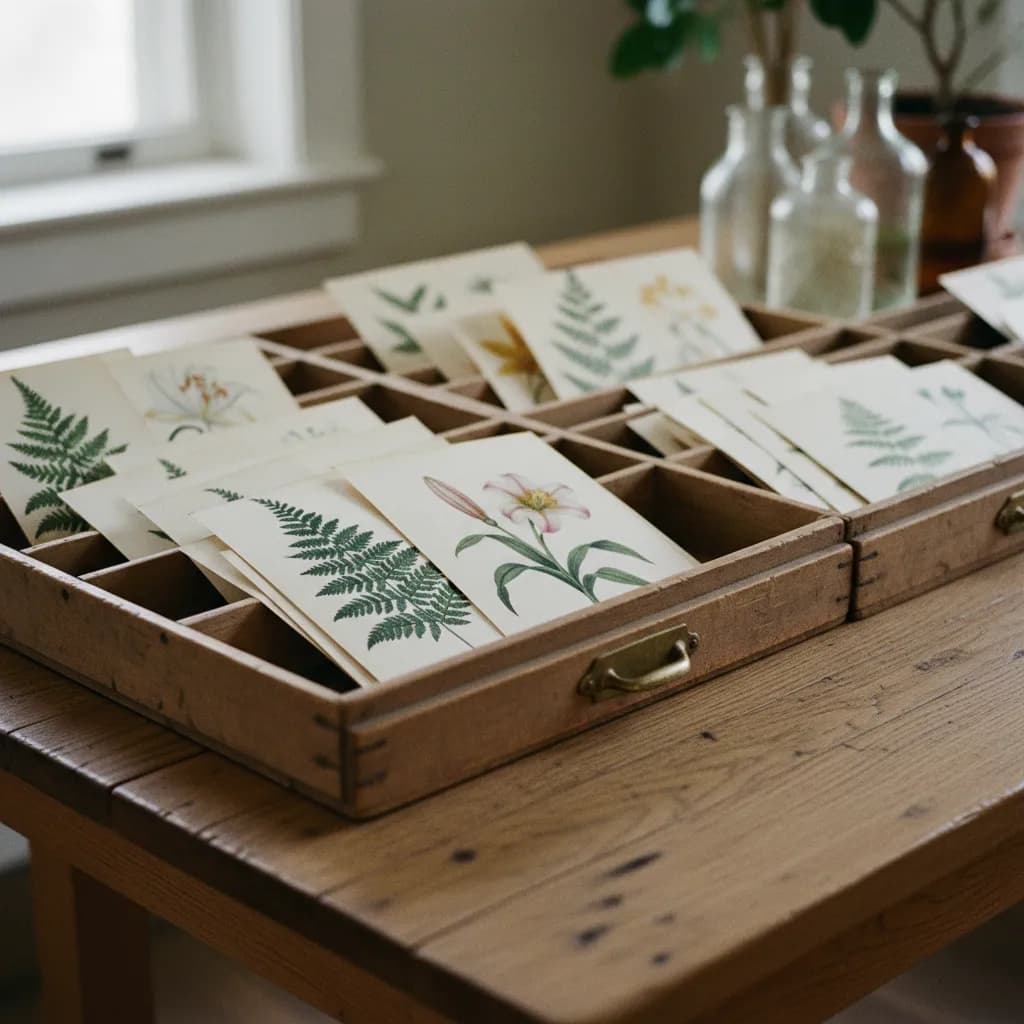
Explore Cartographic Alleys Near MacDougal and Bleecker
The bohemian lanes stretching between MacDougal Street, Bleecker Street, and Seventh Avenue South host some of Manhattan's most atmospheric antiquarian bookstores. Down stone steps beneath historic iron railings, basement galleries display drawers filled with 18th-century European atlases, hand-engraved city plans, and delicate architectural elevations. The intimate scale of these Village shops encourages leisurely browsing, allowing visitors to inspect rare portfolios that have been carefully maintained across generations.
Stepping inside these quiet rooms offers a welcome escape from the bustling city outside. Shelves lined with leather-bound volumes and wide oak sorting tables provide space to examine individual sheets with proper care. Proprietors in Greenwich Village often possess extensive knowledge of historical printmakers and Dutch colonial cartography. A brief conversation can reveal extraordinary historical works, from early Manhattan property surveys showing colonial farm boundaries to decorative copperplate nautical charts from the golden age of seafaring exploration.
Evaluate Botanical Lithographs and Architectural Etchings
Beyond topographical maps, Greenwich Village print rooms excel in classic decorative engravings and historical lithographs. When evaluating natural history prints, observe the delicate hand-coloring on botanical and ornithological plates. Historic 19th-century colorists used gum arabic mixed with natural mineral pigments, producing rich translucent tones that retain vibrant luminosity across centuries without the flat, mechanical sheen common to modern facsimile printings.
Architectural etchings require close inspection of linework and tonal contrasts. Examine the fine crosshatching in shaded areas and verify that the plate impression remains crisp and defined along the sheet margins. True etchings display soft, velvety lines etched into copper plates with acid baths, whereas later photomechanical reproductions appear broken into tiny uniform dots when examined under magnification. Taking time to inspect these minute technical details ensures you select an authentic period artifact.
Trace the Irregular Village Street Grid and Farm Plots
The distinctive street layout of Greenwich Village makes antique maps of this area uniquely fascinating to urban historians. Unlike the rigid rectangular grid established across Upper Manhattan by the 1811 Commissioners' Plan, the Village preserves colonial pathways that followed natural shorelines and former agricultural boundaries. Historical surveys reveal the forgotten course of Minetta Brook, early homestead estates, and the original waterfront before subsequent river landfill expanded the shoreline westward.
Studying these antique village plans unlocks the architectural narrative behind familiar neighborhood landmarks. You can trace how former carriage houses along Washington Mews and MacDougal Alley were converted into artist studios, and how diagonal avenues created unexpected triangular public squares. Holding a period map while walking these historic blocks bridges past and present, offering fresh insight into the historic evolution of this celebrated bohemian enclave.
Preservation Standards for Antique Cotton Rag Sheets
Proper preservation is essential to ensure that delicate works on paper survive for future enjoyment. Historic rag paper produced prior to the mid-19th century possesses natural archival stability because it was made from cotton and linen fibers rather than acidic wood pulp. However, prolonged exposure to direct sunlight, high humidity, or fluctuations in household temperature can cause permanent yellowing, Cockling, and pigment deterioration.
When preparing to frame your Village acquisition, insist on museum-quality preservation standards. Use one hundred percent rag mat board to keep the antique sheet from touching the glazing, and secure the print using reversible archival paper corners or Japanese tissue hinges attached with wheat starch paste. Never allow pressure-sensitive tape or dry-mount adhesives to come into contact with the original sheet, as these modern compounds cause irreversible staining and severely devalue historical prints.
Pairing Print Browsing With Historic Village Cafes
An inspiring day of print hunting naturally integrates with the literary and cafe heritage of Greenwich Village. After exploring paper portfolios along Bleecker Street, take a leisurely stroll toward Washington Square Park. Finding a shaded bench near the central fountain provides a relaxed setting to review gallery notes and consult neighborhood reference materials while enjoying the lively street performances and historic townhouse views.
Continue your route northward toward the grand Greek Revival row houses along Washington Square North and the peaceful courtyard of the Jefferson Market Garden. Neighborhood espresso bars and quiet tea salons along West 10th Street offer comfortable spaces to reflect on your artistic discoveries. This harmonious blend of antiquarian scholarship, historic architecture, and relaxed cafe culture makes a Village print walk an unforgettable weekend experience.
Enhance Your Cultural Walk With Karpo APP
Karpo APP enriches your Greenwich Village print walk by mapping boutique gallery entrances, highlighting quiet walking corridors, and keeping track of open hours and nearby transit lines. Instead of constantly checking multiple apps, you maintain a streamlined downtown walking guide tailored to your specific cartographic and artistic interests. Whether you are a dedicated collector or a curious casual stroller, the app keeps your exploration purposeful and engaging.
You can also use Karpo APP to pin nearby architectural landmarks, save notes on dealer specialties, and plan convenient transit connections back to the West 4th Street subway complex. As you discover exceptional prints across Greenwich Village, having an organized digital companion lets you focus completely on the tactile pleasure of antique paper, turning your neighborhood walk into an inspiring cultural journey.
Antiquarian paper dealers in Greenwich Village frequently trace their institutional heritage back to the 1850s and 1870s, when neighborhood literary circles first established independent print collections near Washington Square. These historic archives preserve early colonial property deeds and Dutch surveys dating back to 1660, demonstrating the enduring scholarly dedication of local booksellers.
When examining rare laid paper folios, observe how the horizontal wire lines and vertical chain lines reveal the artisan hand-papermaking methods practiced before the industrial era. Authentic 19th-century Village survey sheets possess a substantial tactile weight and crisp deckle edges that withstand careful handling and retain their historical character across successive generations of collectors.
Ask Karpo for more information.
Keep reading
- Chelsea Consignment Shop Crawl Planner for Your First Studio
 East Village Consignment Shop Crawl Planner: Leather Jackets
 Harlem Consignment Shop Crawl Planner for a Jazz Night Look