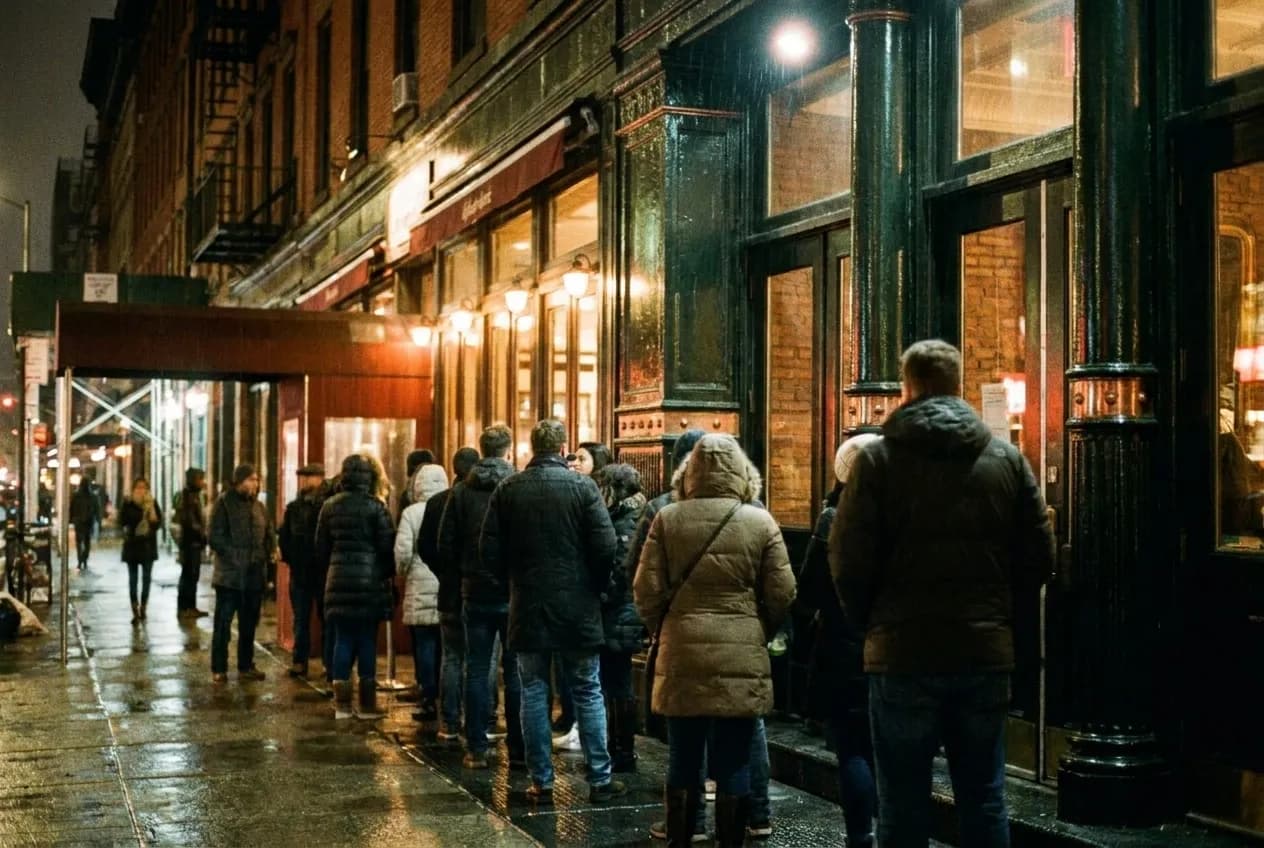
The Diamond District in late May is a corridor of humid light and pressed shoulders, tour groups bottlenecking at the corner of 47th and Fifth while couriers slip past with locked cases. Most of the quarter-mile stretch trades in new stones and settings, but a handful of shops deal in antique jewelry with actual provenance—estate pieces with appraisal paperwork, Art Deco originals still carrying their maker's marks, and in one case, documented jewels that once belonged to named historical figures. These are not dusty curiosity cabinets. They're working dealerships where serious collectors and first-time buyers alike can ask pointed questions and expect answers backed by gemological reports, auction records, and archival photographs.
Why provenance matters beyond romance
Provenance is not simply a sales story. It's a trail of ownership, repair, and resale that affects both authenticity and resale value. A ring described as "Edwardian-style" might be a well-executed 1980s reproduction; an Edwardian ring with a hallmark, original box, and receipts from a London jeweler in 1910 is a different asset entirely. The shops below maintain files—some digitized, some still in leather binders—that trace pieces back through estate sales, auction houses, and private collections.
For buyers, this means you can request documentation before committing. For appraisers and insurers, it means the difference between a replacement-cost estimate based on guesswork and one anchored in comparable sales. The best dealers here will walk you through their records without prompting, because they know the客户 who care about lineage will return, and refer.
Estate specialists with rotating inventory
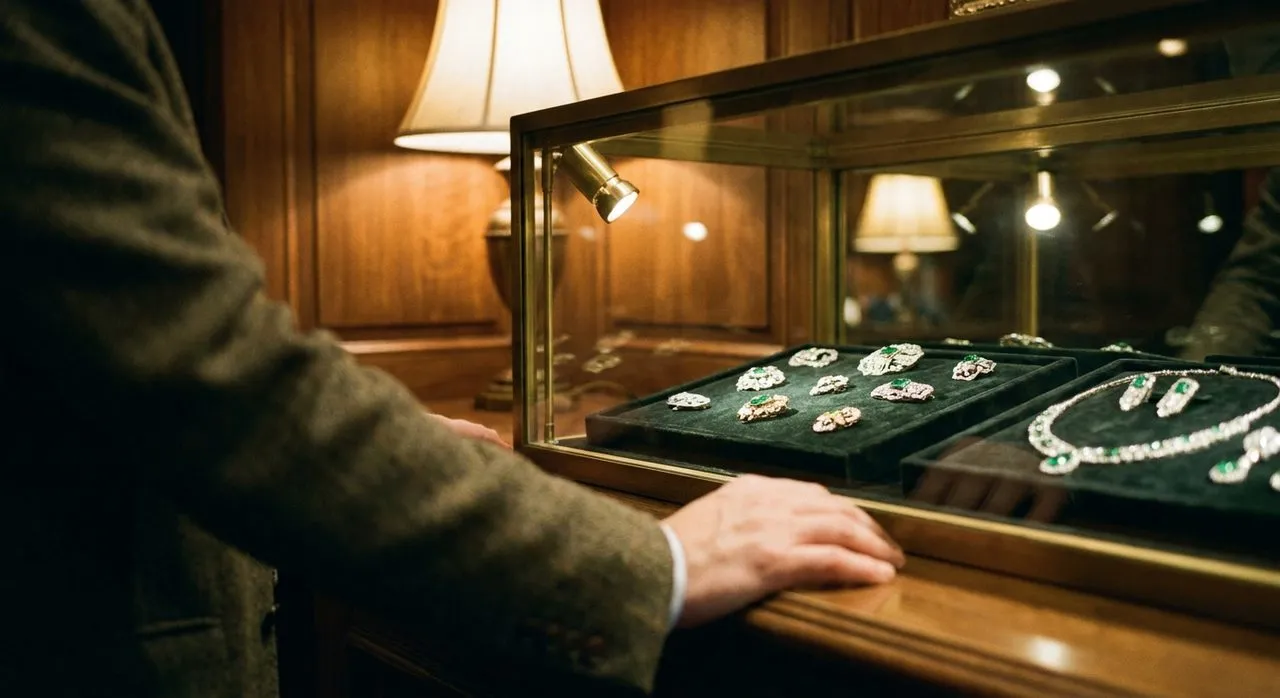
Two shops on the north side of 47th Street focus almost exclusively on estate jewelry—pieces acquired from probate sales, family liquidations, and private collections. Their inventories turn over quickly, which means visiting in late May might yield Georgian mourning rings one week and 1950s Cartier brooches the next. Both maintain relationships with estate attorneys and auction scouts, so the quality skews higher than flea-market finds. Expect appraisal certificates from independent gemologists, and price tags that reflect both intrinsic material value and the premium for documented history.
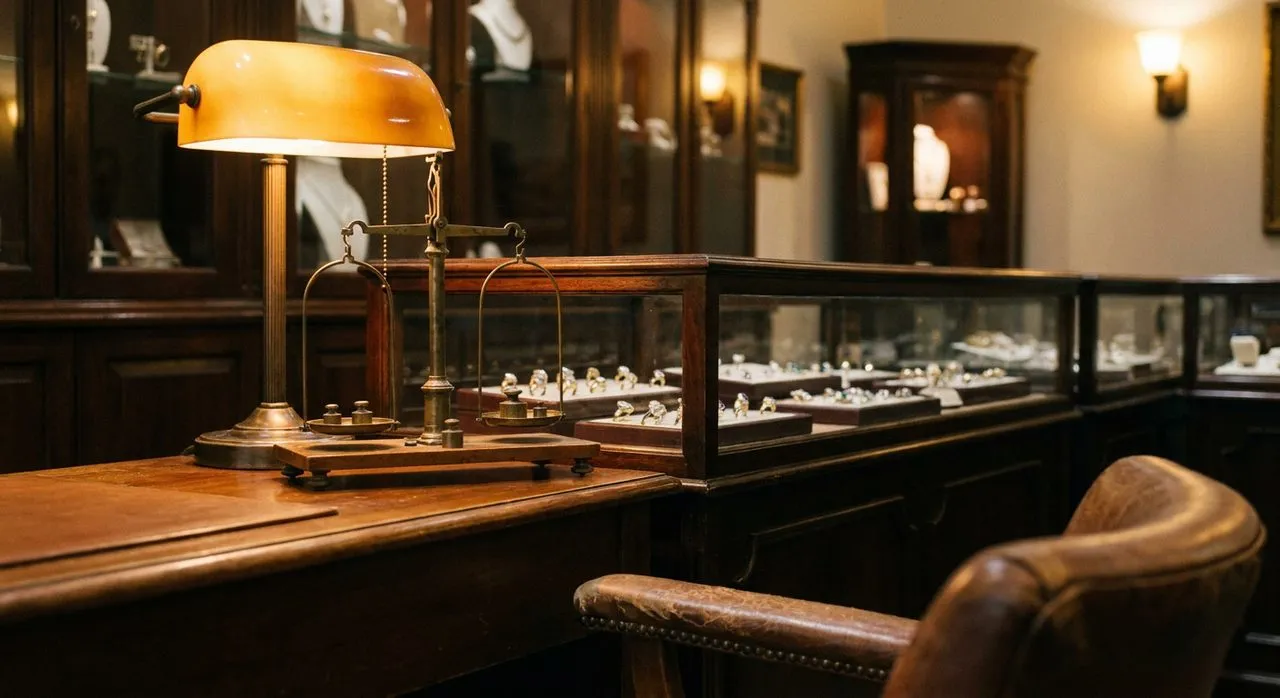
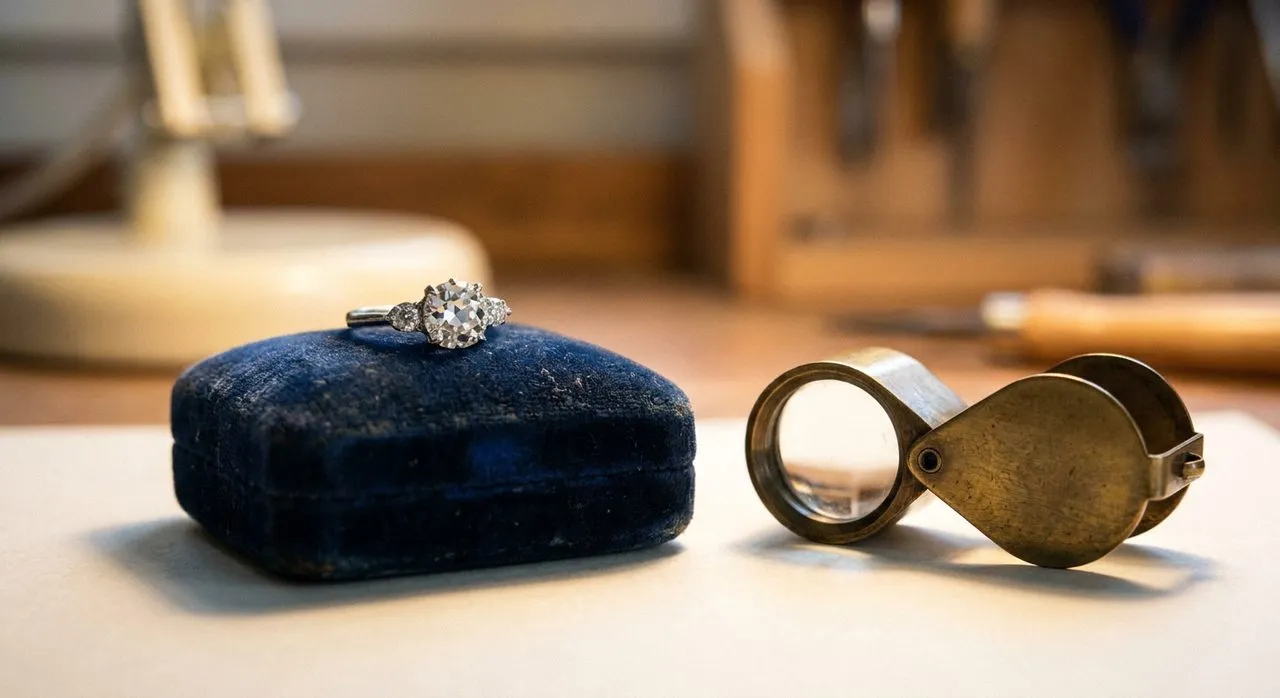
The windows are modest—velvet trays under halogen spots—but the back rooms are where transactions happen. You'll sit at a desk, the dealer will pull pieces from a safe, and you'll be handed a loupe without ceremony. The assumption is that you're serious, or willing to learn. One shop offers a flat-fee appraisal service for pieces you bring in, which doubles as a teaching moment: they'll explain why your grandmother's sapphire is Ceylon versus Australian, and what that means for value. Price ranges here run from mid-three figures for Victorian lockets to low-six figures for signed Art Nouveau pendants with exhibition history.
Art Deco purists with maker's-mark archives
A compact shop near Sixth Avenue specializes in Art Deco pieces from the 1920s and 1930s, with a particular emphasis on French and American makers. The owner—who inherited the business and its archive from a father who dealt in estate jewelry since the 1970s—maintains a reference library of maker's marks, design patents, and period advertisements. If you bring in an unsigned piece, he'll compare motifs and construction techniques against his files, sometimes identifying a likely atelier even without a hallmark.
The inventory is tight but meticulously curated: geometric diamond bracelets, carved jade and onyx dress clips, platinum engagement rings with calibré-cut sapphire halos. Each piece comes with a typed provenance sheet noting prior owners when known, acquisition date, and any repairs or modifications. The shop also offers restoration referrals—a jeweler two blocks north who specializes in period-correct metalwork, so a bent prong or missing millgrain detail can be addressed without compromising the piece's integrity. Prices range from the high four figures for cocktail rings to mid-five figures for exceptional bracelets and necklaces.
The one shop with verified historical pieces
On the second floor of a building mid-block, a dealer handles jewelry with documented connections to named historical figures—stage actresses, industrial-era heiresses, early Hollywood stars. These pieces arrive through estate settlements and private sales, often accompanied by photographs, letters, or auction records that establish the chain of ownership. The dealer verifies each claim before acquisition, cross-referencing archival materials and consulting with historians when provenance involves notable figures.
The shop's atmosphere is more gallery than retail: appointments preferred, pieces displayed individually under glass, and each accompanied by a framed dossier. You might encounter a diamond brooch photographed on a Ziegfeld Follies performer in a 1923 portrait, or a sapphire ring traced to a philanthropist whose correspondence mentioned the commission. Prices reflect both the intrinsic value of the materials and the premium for documented history, typically ranging from the mid-five figures into seven figures for exceptional provenance. The dealer provides a formal certificate of authenticity with each sale, suitable for insurance and future resale.
What appraisal policies actually look like
Many shops in the area offer some form of appraisal or accept outside evaluations. The specifics vary: some include a complimentary appraisal with purchases over a certain threshold, others charge a flat fee that's credited toward a sale, and one works exclusively with a gemological lab two floors above and builds the cost into the price. The key is that they expect scrutiny. Bring your own appraiser if you prefer; the serious dealers will welcome the rigor.
Appraisals typically cover gemstone identification (species, origin, treatments), metal purity, condition assessment, and market comparables. Turnaround ranges from same-day for straightforward pieces to a week if the appraiser requests additional research or lab testing. In late May, with the spring auction season concluded and summer travel pending, turnaround times tend to be faster than in fall. If you're buying a piece as an investment or heirloom, budget an extra few hundred dollars and a few days for this step—it's cheaper than discovering problems later.
Price ranges and what they reflect
Prices in the district vary widely, with some pieces starting in the low hundreds and others reaching much higher levels. Mid-four figures bring Art Deco cocktail rings, estate bracelets, and signed pieces from recognizable makers. Five figures and up is where you find exceptional stones, rare designs, and pieces with exhibition or ownership history. The highest tier—above fifty thousand—is reserved for museum-quality items, significant signed works, and historically documented jewelry.
These prices reflect not just materials but also the labor of provenance research, the cost of authentication, and the dealer's reputation. A similar-looking ring might cost half as much at a general vintage dealer, but without documentation, independent appraisal, or return policy. The premium buys peace of mind and resale options. Most shops here offer trade-in credit toward future purchases, and a few maintain waiting lists for clients seeking specific styles or periods. It's a secondary market with long memories and repeat relationships.
Practical notes
The Diamond District occupies West 47th Street between Fifth and Sixth Avenues in Midtown Manhattan. Nearest subways are 47-50 Streets–Rockefeller Center (B, D, F, M) and 5th Avenue–53rd Street (E, M). Street parking is impractical; if driving, use a garage on Sixth Avenue or in the West 50s. Most shops keep weekday hours from mid-morning through early evening, with limited Saturday availability and Sunday closures common; verify hours directly before visiting. Several shops are on upper floors—check accessibility in advance if stairs are a concern. Bring a loupe if you own one, identification for any high-value purchase, and a notebook; you'll want to track details across visits. Late May weather in the District means air-conditioned interiors and crowded sidewalks; plan for extra transit and walking time.
Tags: #AntiqueJewelry #DiamondDistrict #NYCJewelry #EstateSale #ArtDeco #ProvenanceMatters #MidtownManhattan #VintageJewelry #TheOddEdit #KarposFinds #JewelryCollectors #May2026 #NYCShopping #HistoricalJewelry #GemstoneAppraisal
Please drink responsibly. Must be of legal drinking age.
Sources consulted: Diamond District History · Antique Jewelry Overview · Time Out New York Shopping · NY Times Fashion & Jewelry
All trademarks are the property of their respective owners.