News of the berlin pride attack may leave New Yorkers looking for a grounded way to respond without amplifying fear or rushing into unsafe plans. The most useful next step is not a vague show of concern; it is choosing the right local resource for the situation in front of you. NYC has LGBTQ community centers, survivor support, public reporting channels, mental health help, and historic gathering places, but each serves a different purpose. Use this guide to match your need: quiet reflection, youth support, reporting discrimination, documenting a possible hate crime, finding crisis counseling, or meeting community without turning the night into a spectacle.
Want a safer way to process the news with friends, report harm, or find LGBTQ support nearby? Text Karpo before you go and ask for a verified NYC plan.

The Center on West 13th Street for structured LGBTQ support
The Lesbian, Gay, Bisexual & Transgender Community Center is the strongest first stop when concern turns into a need for structured community. Its official contact page lists 208 West 13 Street, general building hours of Monday through Saturday 8 a.m. to 10 p.m. and Sunday 8 a.m. to 8 p.m., with program and service hours Monday through Friday 10 a.m. to 6 p.m. That makes it better for daytime support planning than for late-night crisis response.
The Center fits people who want a real building, staff connection, and a calendar rather than a spontaneous bar conversation. Check the calendar before leaving because individual meetings, recovery groups, bookstore hours, offices, and holiday closures can differ from general building hours. If you are going with a friend who is overwhelmed, choose a short visit with a clear exit plan, not an open-ended evening.
Center Youth programs for teens and young adults who need peers
For LGBTQ youth, The Center’s youth page says ages 13 to 22 can use in-person and virtual programs, services, and events, and describes the offerings as free and confidential. This is the better fit when a younger New Yorker is scared, isolated, or trying to talk with peers rather than adults speaking over them. It is not a substitute for emergency care if someone is in danger or actively at risk.
The tradeoff is intake and timing. Some youth calendar listings require intake before participation, so the backup move is to contact the youth program first rather than assuming a same-day drop-in will work. A good plan is practical: confirm the specific event, transportation, trusted adult or peer accompaniment if wanted, and whether the young person wants support, distraction, or help naming what happened.

NYC Anti-Violence Project for survivor-centered help after harassment or assault
The New York City Anti-Violence Project is a key resource when the response needs to center harm, not event-going. Its contact page lists a 24-hour hotline at 212-714-1141 and says people experiencing harassment or assault can contact the bilingual hotline or use its report violence form. AVP’s posted office information also notes walk-in hours may be canceled because of availability, weather, or other issues.
Use AVP when someone needs confidential, LGBTQ-informed support around violence, harassment, intimate partner violence, or fear after an incident. The failure mode is arriving in person without confirming walk-in availability, then losing energy when the door or staffing plan does not match expectations. Call first if possible. If immediate danger is unfolding, use emergency services first and AVP as survivor support after safety is stabilized.
Stonewall National Monument for public reflection, not crisis support
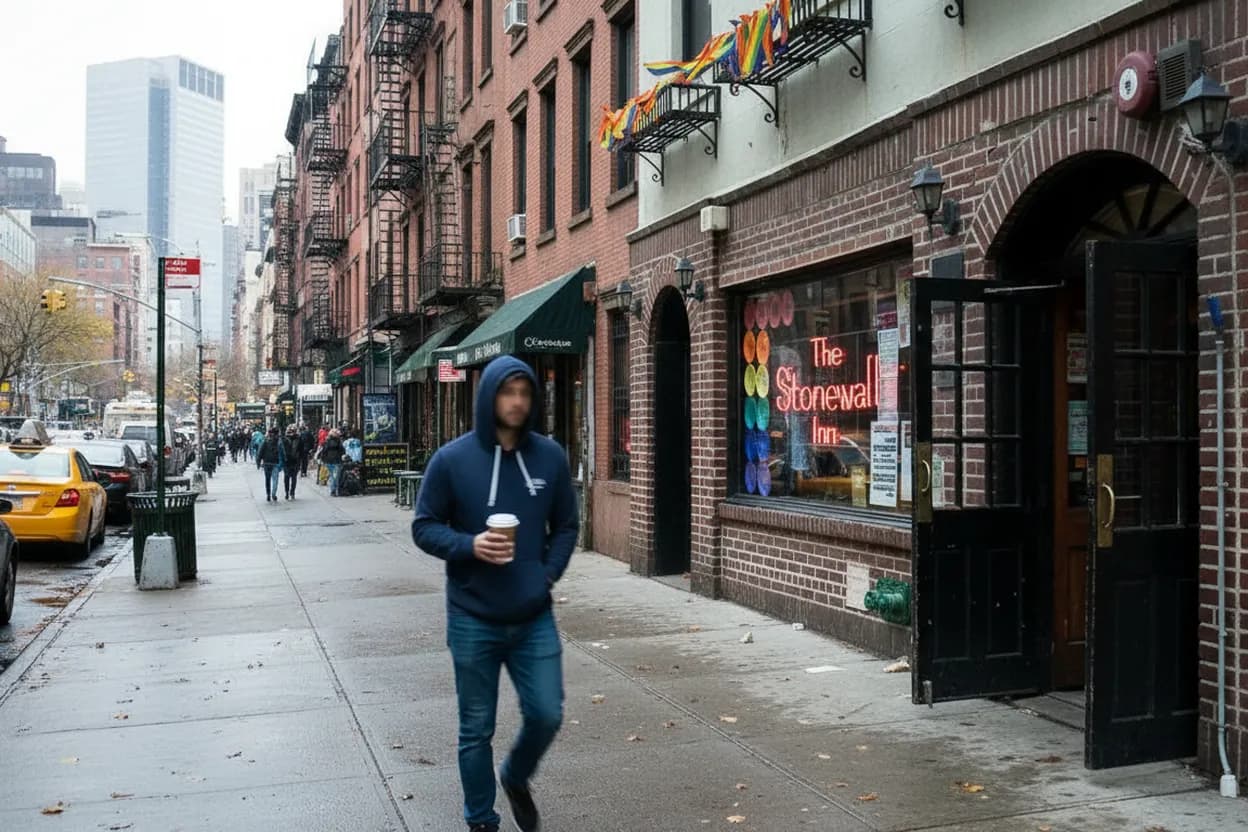
Stonewall National Monument can be useful when people need a public place to pause and remember why solidarity matters. The National Park Service lists the physical location at the intersection of Christopher, Grove, and West Fourth Streets. For late July, Christopher Park is in its May through October season, with park hours listed as 7 a.m. to 8 p.m., weather and closures permitting.
This is not the right place for someone who needs counseling, confidential reporting, or a guaranteed program. It is a symbolic outdoor stop, with normal public-space constraints: weather, crowds, limited privacy, and variable access around closures. The nearby visitor center is listed by NPS as open Tuesday through Sunday, 10 a.m. to 4 p.m., but the final step is checking the visitor center’s own site for closures before going.
NYC Commission on Human Rights for discrimination in work, housing, schools, or public places
If the concern is discrimination rather than a physical attack, the NYC Commission on Human Rights is the official city channel to understand and report it. The Commission’s LGBTQIA+ rights page says discrimination based on actual or perceived sexual orientation or gender is illegal in NYC, including gender identity, gender expression, and intersex status. It identifies covered settings including work, school, housing, and public spaces such as restaurants, movie theaters, and parks.
This route fits a person refused service, harassed by a landlord, misgendered by an employer after making their name or pronouns clear, or treated differently in a public accommodation. It is slower than a hotline and more formal than peer support. The online report page also notes that submitting the form is not the same as filing an official complaint, so keep dates, locations, names, screenshots, and deadlines organized.
NYPD Hate Crime Task Force when a possible crime needs reporting
For an emergency or crime in progress, the official NYPD hate crimes page says to call 911. For a non-emergency or past incident, it says to contact the local precinct. The page defines bias incidents as offenses or unlawful acts motivated in whole or substantial part by identity categories including sexual orientation, and says possible bias-motivated incidents are referred to the Hate Crime Task Force.
This option is for assault, threats, property damage, graffiti, or another criminal act, not for every hateful statement. NYPD’s own guidance distinguishes offensive speech from a hate crime unless it is connected to a criminal act. The practical move is to preserve evidence, write down exact words and actions, avoid confronting the person again, and ask for the report information so you can follow up.
NYC 988 for anxiety, grief, substance use, or crisis support anytime
When the news lands as panic, grief, insomnia, relapse risk, or thoughts of self-harm, NYC 988 is the better first step than forcing a public gathering. NYC Health says 988 is free and confidential, available 24 hours a day, seven days a week by phone, text, and online chat. It can help with mental health, substance use support, information, referrals, short-term counseling, and crisis intervention.
The final verification step is simple: before leaving home, check the official page or call the resource you plan to use that day. For 988, call or text 988, and use 911 if there is immediate danger or emergency medical need. For every other stop, confirm hours, access, registration, and whether the service fits your actual need before turning concern into a trip.
Tags: #AskKarpo #BeforeYouGo #NYCLGBTQ #NYCQueer #LGBTQSafety #NYCResources #HateCrimeReporting #CommunityCare #TheCenterNYC #AVPNYC #StonewallNationalMonument #NYC988 #NYCHumanRights #WestVillageNYC
Sources consulted: Source 1: gaycenter.org · Source 2: gaycenter.org · Source 3: avp.org · Source 4: nps.gov · Source 5: nyc.gov · Source 6: nyc.gov
All trademarks are the property of their respective owners.
Ask Karpo first
Tell Karpo your date, group size, budget, and starting neighborhood. We’ll check current access, timing, transit, and the cleanest plan for NYC before you head out.