 Lower East Side Hidden Speakeasy Bar Picker for a Solo Night
Bars & Nights Out
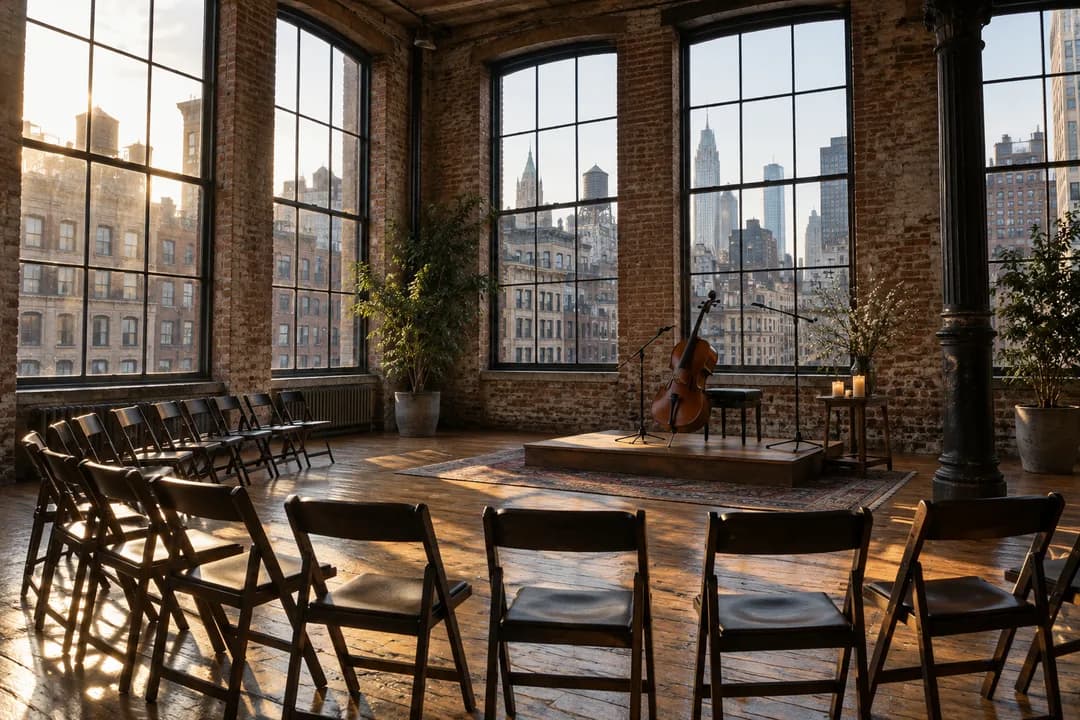
Soho Acoustic Live Music Spot: Compare Two Evening Plans
Choose a Soho acoustic live music spot by weighing the artist against the journey. Compare concert and dinner plans before picking your Lower Manhattan night.
Choosing an acoustic live music spot around Soho and Tribeca begins with a geographic decision: stay near the people you are meeting, or travel for a performance you specifically want to hear. A neighbourhood name is not a musical programme. If your evening depends on a particular artist, start with that artist’s listing and build the route around it. If the meeting location matters more, use it as a search boundary and compare the events that actually fit, without assuming every nearby bar offers live acoustic sets.
Two different reasons to go out
A music-led evening and a dinner-led evening can share the same map while producing very different shortlists. In the first version, you would happily change your meal plans for a compelling performer. In the second, you want a pleasant musical addition after a gathering that is already arranged. Decide which version describes you before comparing rooms. Otherwise the most striking photograph or the shortest walking distance can win even though it answers the wrong question.
For a music-led plan, collect artist names and programme descriptions first. For a dinner-led plan, collect your available start and finish boundaries and the place where the group will already be. You can ask the Karpo APP to help shape either request. Include the limitation in ordinary language, such as wanting a seated performance after dinner without a long cross-town journey. This is a way to express priorities, not a claim that live ticket availability has been retrieved or a booking completed.
Make the neighbourhood boundary honest
Soho and Tribeca are useful labels for orienting a search in Lower Manhattan. They should not become a reason to relabel a room in another neighbourhood. If the most interesting programme is elsewhere, describe it as an alternative that involves a journey. There is nothing wrong with broadening the search, provided everyone understands the change. The mistake is presenting “near Soho” as if it settles whether the route works for a particular group.
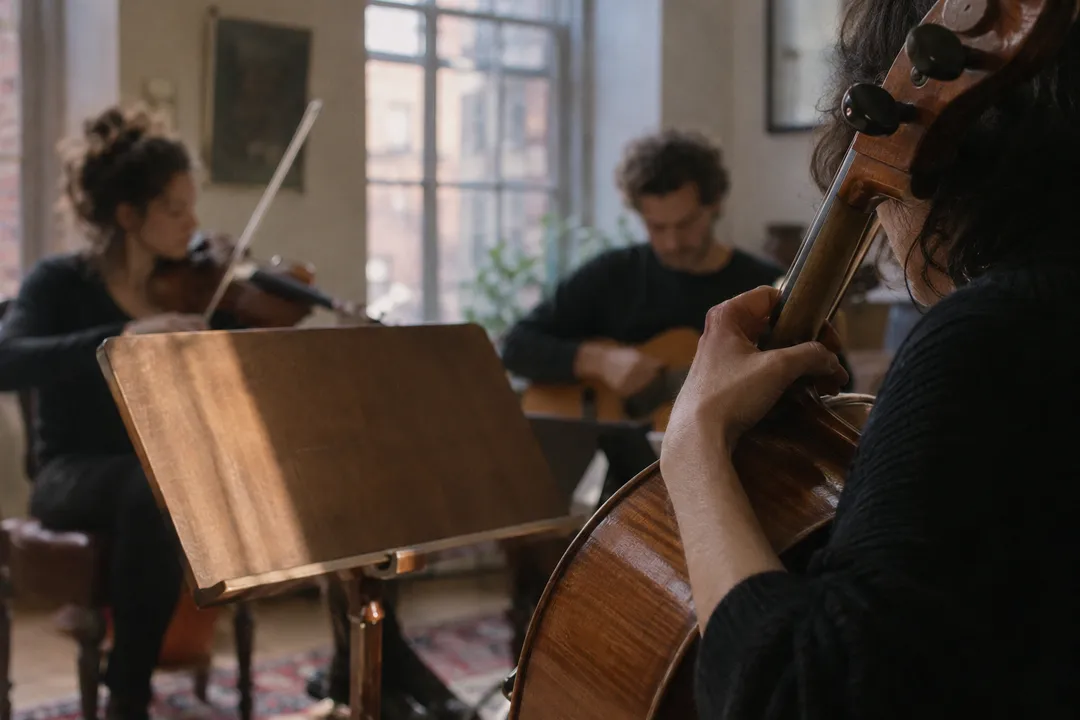
Begin with the exact starting location that your party has agreed upon. Once you have an event candidate, compare its entrance location with that start using a map. Account for the route you would actually take, rather than measuring two neighbourhood centres. A group wearing evening clothes in the rain may make a different choice from someone travelling alone with plenty of spare time. Those are useful constraints to include in your search because they can genuinely change the result.
What makes the acoustic label useful
A performance with acoustic instruments may still use microphones, amplification and a full audience system. It can be energetic and social rather than hushed. If you are choosing the label because you dislike heavy volume, say that separately. Search for information about the specific event’s presentation, and distinguish a performer’s instrumentation from the room’s atmosphere. “Acoustic guitar” answers one question. “A quiet place for conversation” answers another and needs its own support.
For listeners curious about new music, the bill can be more interesting than the venue category. Read the names of the acts, listen to official recordings if available, and note what you respond to. A distinctive vocal style, an unusual pairing of instruments or a clear songwriting focus can provide a real reason to choose an evening. Avoid reducing the comparison to an adjective like intimate, which says little about whether you will enjoy what the musicians actually play.
Compare a concert with a social evening
Suppose one candidate is a dedicated concert and another is a hospitality setting that also advertises a performer. The first decision is how much attention you want to give the music. A concert ticket normally represents a commitment to an event, but its exact conditions still belong to the listing. A hospitality booking may primarily concern a table or service. Establish what you are reserving before treating the two options as equivalent ways to buy the same experience.
Your comparison note should distinguish admission, seating and food arrangements. Keep each as a separate question. A reservation for a table does not necessarily prove that a performance is included, and an event ticket does not automatically imply a meal. Use the operator’s own description for the relationship between them. When a condition is unstated, do not fill the gap with the practices of another room. Compare the supported parts of each option and leave assumptions out of the decision.
Make room for the people in your group
A group can agree on acoustic music while disagreeing about everything around it. One person may need a seat with a back. Another might be happy standing but unwilling to stay through a long multi-act bill. A third may want enough time to talk before the first song. Collect those needs before asking everyone to vote on a favourite room. The best-looking option is irrelevant if it cannot accommodate a requirement that somebody has already made clear.
For a small celebration, choose one person to handle the practical comparison and give the others a short, readable choice. Describe each option by its actual programme and the reason it fits the group. Include a link to the original event information. A pair of well-explained alternatives is more helpful than a stream of screenshots with unexplained prices and cropped conditions. Let the group decide whether they are selecting a performer or simply agreeing on the shape of the evening.
Use the walk as a flexible part
A short walk can be the adaptable element between your meal and the music. Around Soho, looking at streets and storefronts can fill a small gap without requiring another reservation. Around Tribeca, you might prefer to head toward the river before returning to the event. Either choice should remain optional until the actual venue is settled. A waterfront detour that takes you away from the entrance is poor value when the purpose was to keep the evening simple.
Weather can also change what counts as a pleasant connection. Keep the musical programme as the fixed element if that is what you bought. Shorten or drop the walk when it no longer serves the evening. Resist adding a second performance merely to create a more elaborate route. Two independent admission arrangements, two sets of event conditions and a transfer between them can turn a relaxed meeting into a schedule that nobody especially wanted.
Practical Notes
Before committing, compare the event name, the date, what admission includes, any seating conditions and the journey from your agreed meeting point. Read the complete purchase terms on the provider’s page rather than relying on a summary. If the event has an age restriction, access procedure or arrival condition, apply it to everyone in your party. Save the source alongside the decision so that the group has one consistent account of what it selected.
Skip a nearby option when proximity is its only advantage and the programme does not interest you. Equally, do not force a long journey for a famous name if your main aim is an easy evening with friends. Return to the original purpose and ask the Karpo APP for a differently framed shortlist if needed. A good Soho–Tribeca plan ends with a choice everyone can explain: why this performance, why this location, and why this amount of evening.
Ask Karpo for more information.
Keep reading
- Lower East Side Hidden Speakeasy Bar Picker for a Solo Night
 West Village Hidden Speakeasy Bar Picker for Out-of-Towners
 Carroll Gardens Hidden Speakeasy Bar Picker for a Nightcap