 Lower East Side Hidden Speakeasy Bar Picker for a Solo Night
Bars & Nights Out
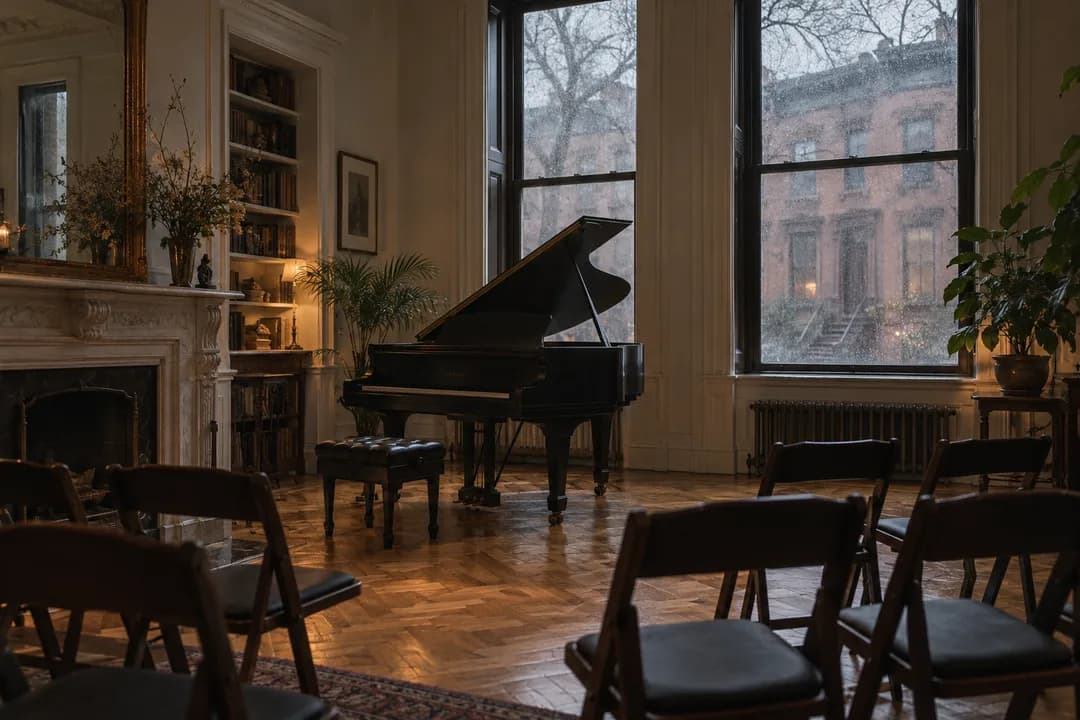
Brooklyn Acoustic Live Music Spot: Plan Around the Listener
Plan a Brooklyn acoustic live music spot outing for a first-time listener. Choose a supported seating arrangement and give Brooklyn Heights a separate walk.
A Brooklyn acoustic live music spot should be chosen for the performance, rather than for a photograph of the Promenade. Brooklyn Heights can be the setting for the beginning or end of your evening without being the location of the show itself. Keep those roles separate. Start by deciding who is listening and what makes a performance worthwhile for them. Then look for an actual bill that fits, allowing the search area to expand when the programme matters more than staying within one neighbourhood.
Begin with the person who rarely goes to shows
Taking an occasional concertgoer to a small performance can be rewarding when you explain the choice plainly. They may not recognise the artist or know how a general admission room works. Instead of describing the evening as an authentic local experience, share a recording and say what you like about it. A voice, a lyric or an instrument gives them something concrete to respond to. Their reaction can help you choose more effectively than a rating attached to the venue.
Ask what would make the evening uncomfortable. Standing throughout, a late finish, an unfamiliar journey or uncertainty about seating can matter more than the genre. Treat those answers as design conditions for the plan. A shorter journey to the wrong format is not necessarily easier than travelling farther to a clearly described seated show. Your goal is not to persuade a reluctant friend to become a different kind of listener. It is to find a programme you can both enjoy on its own terms.
A first-show brief that contains useful information
In the Karpo APP, describe the party as well as the location. For example, say that you are starting in Brooklyn Heights with a friend who wants acoustic songwriting and a seated setting. Include the date you have available and a realistic endpoint for the evening. That request has more decision value than “somewhere atmospheric nearby.” It makes clear which parts of a recommendation would need to be supported before you could turn it into a purchase.
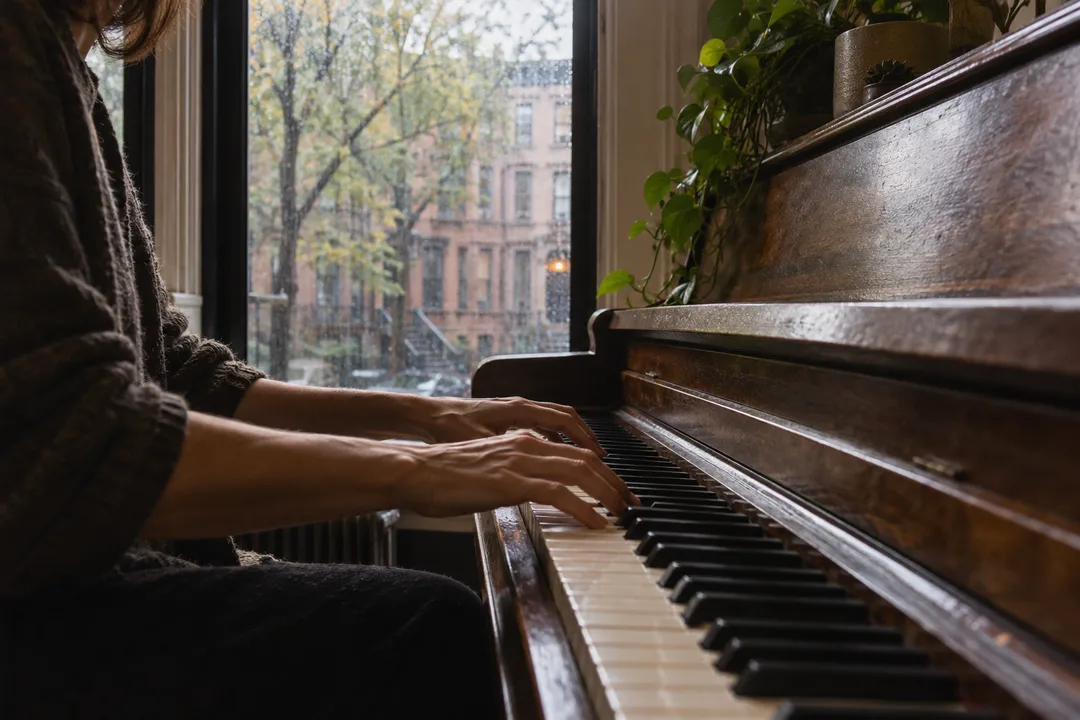
Do not treat a suggested result as evidence that the show is running on your chosen date. Move from the idea to the organiser’s programme, where you can identify the act and admission arrangement. A standing room that happens to display a piano may be a lovely venue for another occasion. It still fails your brief if the person you are inviting requires a seat and the event offers no clear way to obtain one.
Introduce the artist without overselling
A modest introduction is often more inviting than a grand promise. Choose one or two official recordings that represent the music you are considering, and let your companion listen without an assignment to love it. Explain whether you are drawn to the writing, the instrument or the performer’s delivery. Avoid telling them that a live set will sound exactly like a recorded track. The performance arrangement can differ, and part of attending is discovering how the songs work in a room.
Read the event description closely enough to distinguish the artist you recognise from the full bill. A familiar name can appear as a guest, an opener or the subject of a tribute rather than as the headline performer. Those distinctions are particularly relevant for someone who has agreed to attend because you sent them a particular recording. Describe what the programme actually says, rather than allowing an attractive poster to create expectations the event has not made.
Find out what the ticket represents
For a first visit, clarity about admission is an act of hospitality. Establish whether the ticket category concerns entry alone, a named seat, a table or a package with another element. Explain it in one sentence to your friend before buying. If you cannot do that, the plan still has an unresolved question. A personal assumption that “small rooms always have chairs” is not a substitute for information about the event you have selected.
Read any age or access conditions as part of the decision, rather than as small print to deal with later. When accessibility is important, use the venue’s published guidance and direct contact route for event-specific questions. A ground-floor photograph does not establish the route to every performance space, toilet or seat. Keeping that distinction in mind makes the invitation more thoughtful and avoids presenting the word intimate as a guarantee about physical comfort.
Give Brooklyn Heights its own role
A walk in Brooklyn Heights can provide a welcome period of conversation before the performance, particularly when the show itself asks for focused attention. Choose the walk as a separate pleasure, rather than claiming that it is automatically adjacent to the music room. Once you know the actual venue, decide whether the walk belongs before the journey, after it, or on a different day. It should serve the evening rather than turn the performance into a distant endpoint of an overlong route.
The Promenade’s waterfront outlook and the neighbourhood’s residential streets offer different walking experiences. Select the part that fits your companions and the weather, and leave enough flexibility to abandon the outdoor portion. You do not need to add another attraction just because it appears on the same map. For someone attending a first show with you, an uncomplicated transition and time for a relaxed meal can be more valuable than collecting several neighbourhood stops.
Explain the room before the lights go down
Tell your companion what you know about the event’s format, including whether there are several acts or one main programme. Distinguish a doors time from the performance time, and use the organiser’s terminology in your arrangement. Avoid a vague promise to “come whenever” if the event has an arrival condition. Each person should know how admission will be handled, especially if the tickets are stored on one person’s device and the group might arrive separately.
Once inside, follow the published rules on recording and any requests from the performers or staff. Where a performance is intended for concentrated listening, leave a lengthy conversation for the interval or the end. You can still acknowledge that your friend might not enjoy every song. A successful invitation does not require continuous enthusiasm. Agreeing beforehand that you can talk honestly about the programme afterwards takes pressure off the listener and makes discovery feel less like a test.
Decide what happens after the final song
The return journey deserves attention before the evening begins, especially if one person is less familiar with the area. Use the venue’s actual location to work out the route home and decide whether you plan to leave together. Do not assume that finishing near a waterfront neighbourhood means the same transport option is useful for everyone. A clear departure plan also helps you judge whether a programme fits your available evening before you commit to admission.
For a post-show conversation, leave room for the music to settle. Ask which detail stayed with your friend rather than whether they thought it was amazing. They may remember a small instrumental passage or a story between songs. That conversation can give your next search a stronger starting point. It is a more useful outcome than insisting the evening was ideal simply because the room was attractive or the act had a recognisable reputation.
Practical Notes
Keep the date, performer, ticket type, seating arrangement and return plan together in one note with the organiser’s source link. Add any requirements that affected the choice so that a late alternative can be assessed against the same brief. This is your own planning record. It does not depend on an app promising to monitor availability, send alerts or manage a reservation on your behalf.
Skip a bill whose format would put your companion in a situation they have already said they dislike. Choose another programme or let the walk and conversation be the whole evening. The Karpo APP can help you put a revised request into words, but the human part of the plan remains yours: choosing an invitation that respects the listener. That is what makes a Brooklyn acoustic night worth repeating, whether or not its stage is within Brooklyn Heights.
Ask Karpo for more information.
Keep reading
- Lower East Side Hidden Speakeasy Bar Picker for a Solo Night
 West Village Hidden Speakeasy Bar Picker for Out-of-Towners
 Carroll Gardens Hidden Speakeasy Bar Picker for a Nightcap