 Best Trick or Treating Neighborhoods Near Me: Park Slope
Neighborhood Guides
The A Train to Rockaway: A Beach Day That Starts Underground
The longest subway ride in New York ends at the Atlantic. No car, no ferry—just Duke Ellington's train line, a marsh transfer, and salt air that smells nothing like the city you left ninety minutes ago.
The train that refuses to end
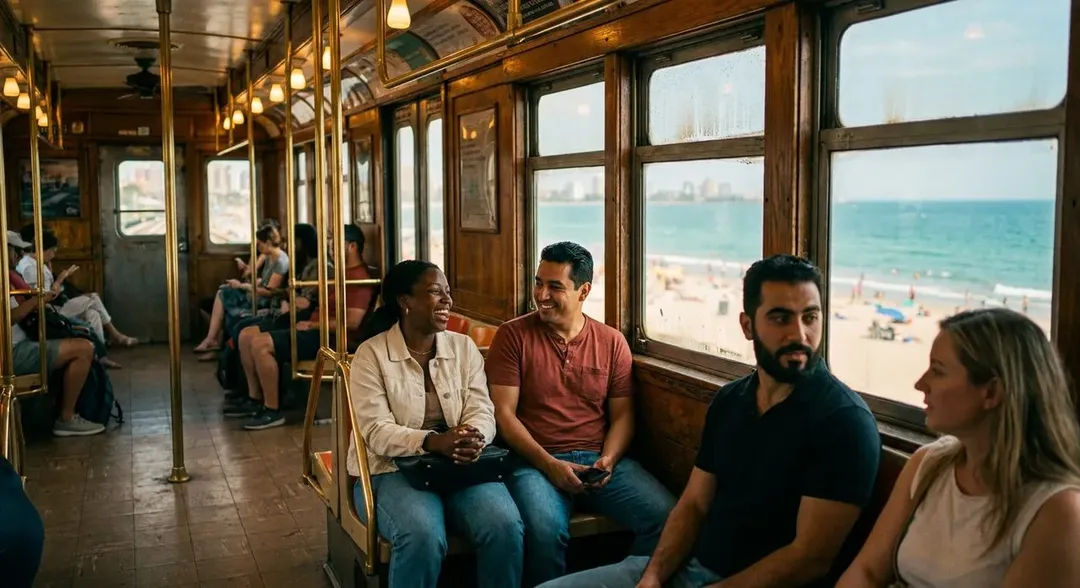
You board the A at West 4th Street around ten on a Saturday morning, and for the first twenty minutes, nothing suggests you're heading anywhere unusual. The train empties gradually as it pushes through Brooklyn—Nostrand Avenue, Utica, then the elevated stretch through East New York where rowhouses give way to auto shops and vacant lots. By the time you reach Howard Beach, only a handful of passengers remain, most carrying towels or surfboards in mesh bags. The train slows. You cross a bridge. Suddenly there's water on both sides, low and silver, stretching toward a horizon that shouldn't exist this close to Manhattan. The recorded announcement says "Broad Channel" like it's apologizing. You step onto a platform in the middle of Jamaica Bay, surrounded by marsh grass and the occasional heron, and wait for the shuttle that will carry you the rest of the way. The city is still visible behind you, but it feels theoretical now, like something you read about once.
The transfer no one mentions
Broad Channel station sits on an island barely wider than the tracks themselves. If you walk to the north end of the platform—past the shelter where someone has written something optimistic in fading marker—you can see bridges spanning the water in both directions. The shuttle, an older train with fewer cars, arrives within minutes if you time it right. Locals know which car to board for the quickest exit at their stop. The shuttle rocks differently than the main line, slower, almost apologetic about disturbing the water. You pass houses on stilts, fishing boats tied to private docks, a bait shop that doubles as a deli. This is still New York City, technically, but the zoning laws seem to have been written by someone who'd never seen a subway map. In a few more stops, the ocean appears between buildings, and you understand why people make this trip every weekend from May to October.
Tacoway Beach, where the morning resets
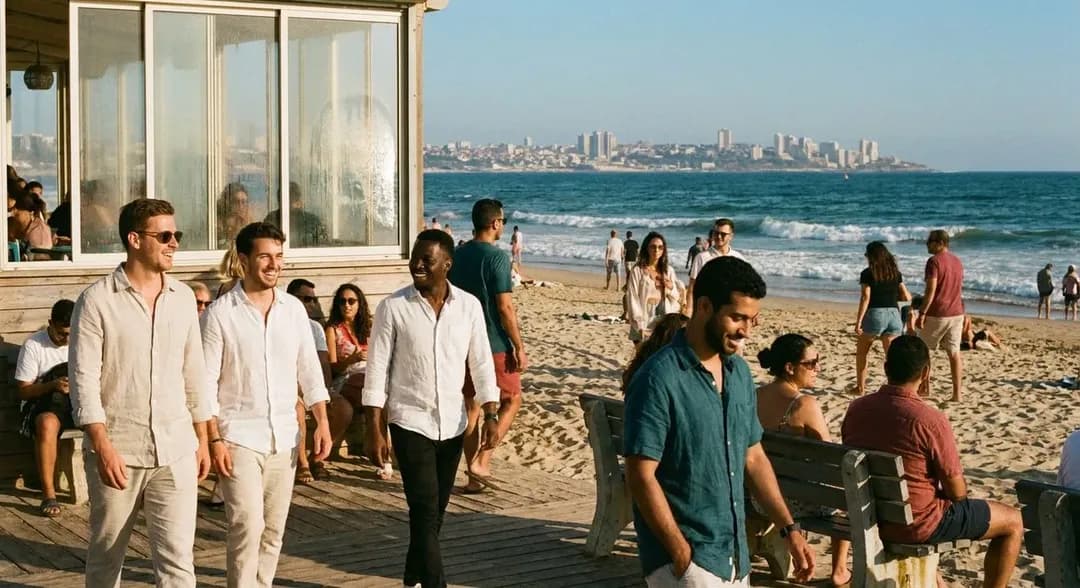
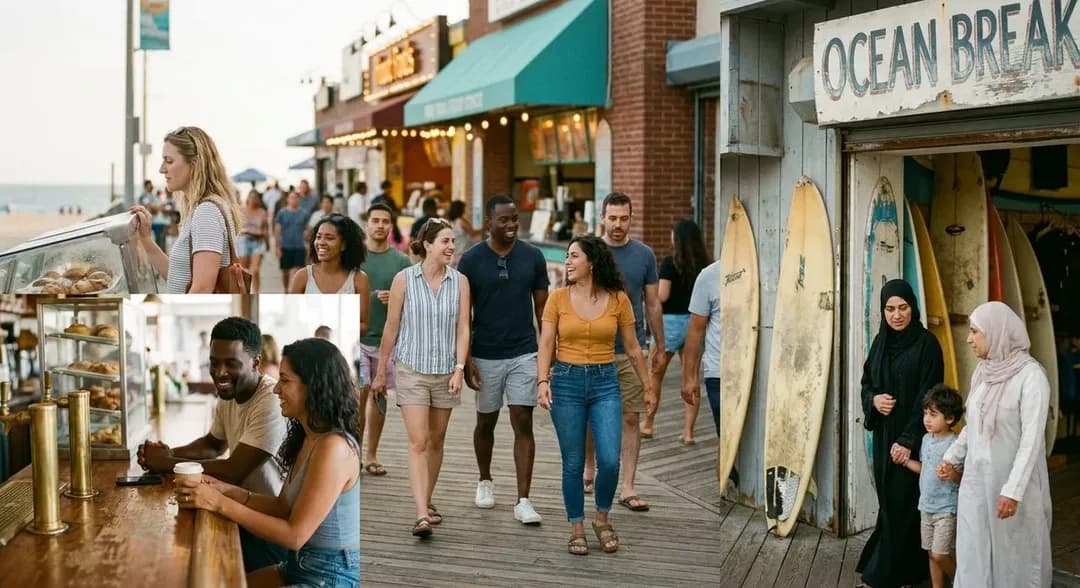
You exit at Beach 90th and walk a few blocks north to the boardwalk. Tacoway Beach sits right at the stairs, a small counter operation with a chalkboard menu and a line that forms before noon. Order the Baja fish taco—tempura-fried rockfish, cabbage slaw, chipotle mayo—and the elote in a cup, not on the cob, because you'll want to eat it while walking. The operation opens mid-morning and sells out by mid-afternoon on good weather days. Regulars know to ask for extra lime and the house hot sauce, which isn't listed but lives in a squeeze bottle under the counter. You eat standing at one of the high tables facing the beach, where the sand is still cool and unmarked by footprints. The tacos are reasonably priced, cash only, and taste like the ocean smells—bright, saline, unambiguous. There's a restroom inside the adjacent surf shop, which you'll need to know because the public facilities don't open until Memorial Day weekend. By the time you finish eating, the beach has started to fill in, but slowly, with the unhurried rhythm of people who came here on purpose.
The sand at 90th, where locals spread out
Beach 90th Street is the stop that gets you closest to the surf rental spots, but more importantly, it puts you at the western end of the boardwalk where the beach widens and the crowds thin. Walk east toward 86th if you want more solitude; walk west toward 96th if you want to be near the surf schools and paddleboard launch. The sand here is coarser than Coney Island, grayer, packed harder near the waterline. You claim a spot some distance from a lifeguard stand—one of the chairs with the flag that says "SWIM NEAR LIFEGUARD"—and the guard on duty nods when you set down your towel. The water is cold even in July, low sixties on average, but it shocks you awake in a way that pool water never does. You stay in for a while, body surfing the small waves that roll in with metronomic consistency, then return to your towel and let the sun do the rest. Planes from JFK pass overhead regularly, low enough that you can see the landing gear, but somehow the noise folds into the general atmosphere rather than interrupting it.
Surfboards at Locals, where the rhythm matters
If you didn't bring your own board, Locals Surf School rents soft-tops for a few hours at reasonable rates, no questions about experience level. The shop sits one block off the boardwalk at Beach 91st, in a building that's been rebuilt since Hurricane Sandy. The staff working the counter will tell you where the best break is today—often near one of the jetties, where the sandbar shifts after storms. They'll also mention, if you ask, that the water is clearest on incoming tides and that the lifeguards whistle everyone out when they spot schools of bait fish, which means larger fish are feeding nearby. You carry the board back to the beach, wax already applied, and spend an hour failing to stand up more than a few times. No one watches. No one cares. The ocean here doesn't perform for an audience; it just repeats itself, wave after wave, until you figure out the rhythm or give up and float on your back instead. By mid-afternoon, you return the board, legs shaking slightly, skin tight with salt, and buy a frozen lemonade from a cart near the boardwalk ramp. It tastes exactly like every summer you remember having as a child, whether or not you actually had them.
The return trip, when the light changes
You catch the shuttle back around six, after the beach has started to empty but before the sunset crowd arrives for the boardwalk bars. The train is fuller now, packed with families carrying coolers and folding chairs, everyone sun-drunk and quiet. At Broad Channel, you transfer back to the A, and the city begins to reassemble itself in reverse: first the marshes, then the bridges, then the rowhouses and auto shops, then the underground tunnels that smell like brake dust and recycled air. By the time you reach West 4th, the beach feels like something that happened last week, or maybe didn't happen at all. Your skin still smells like salt. Your legs ache in that specific way that only ocean swimming produces. You have sand in your shoes that will reappear in your apartment for the next few days, a small tax for taking the longest subway ride in the city to a beach that most tourists don't know exists. The A train runs regularly on weekends. You'll be back before the summer ends, probably more than once if the weather holds.
Practical notes
The A train runs from Manhattan to the Rockaway peninsula year-round, with service splitting south of Howard Beach. The Rockaway Park Shuttle provides connecting service at Broad Channel. Total travel time from West 4th Street to Beach 90th: well over an hour. Tacoway Beach operates seasonally, typically May through September, cash only. Locals Surf School (Beach 91st Street and the boardwalk) rents soft-top surfboards, open weekends. Bring cash for food vendors and rentals; ATMs are limited. Lifeguards on duty Memorial Day through Labor Day. Public restrooms available on the boardwalk. Best times: weekday mornings or late afternoons to avoid peak crowds. Water temperature ranges from low 60s°F in early summer to low 70s°F in August. The beach is free and subway-accessible. Rockaway Beach offers designated surf areas for wave riding.
Tags: #RockawayBeach #ATrain #NYCBeaches #TacowayBeach #LocalsSurfSchool #BroadChannel #JamaicaBay #BeachDay #NYCSubway #SummerInNYC #SurfNYC #BeachCulture #TheLongWayHome #HiddenNYC #CoastalCommute
All trademarks are the property of their respective owners.
Ask Karpo for more information.
Keep reading
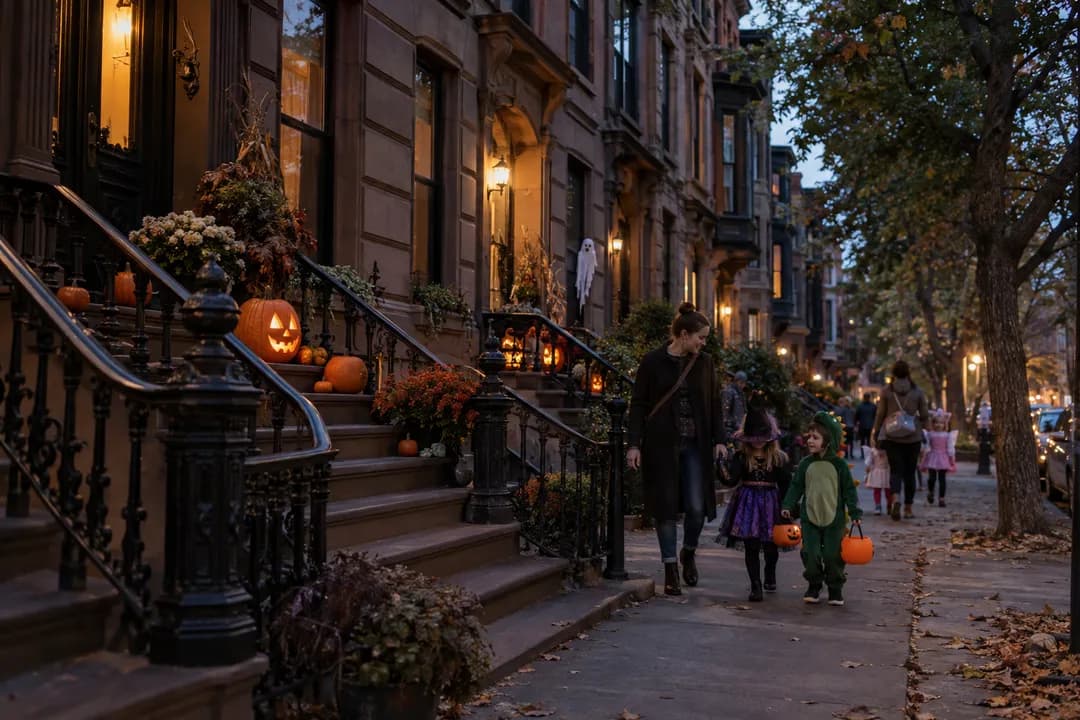
- Best Trick or Treating Neighborhoods Near Me: Park Slope
 Best Trick or Treating Neighborhoods Near Me: Carroll Gardens
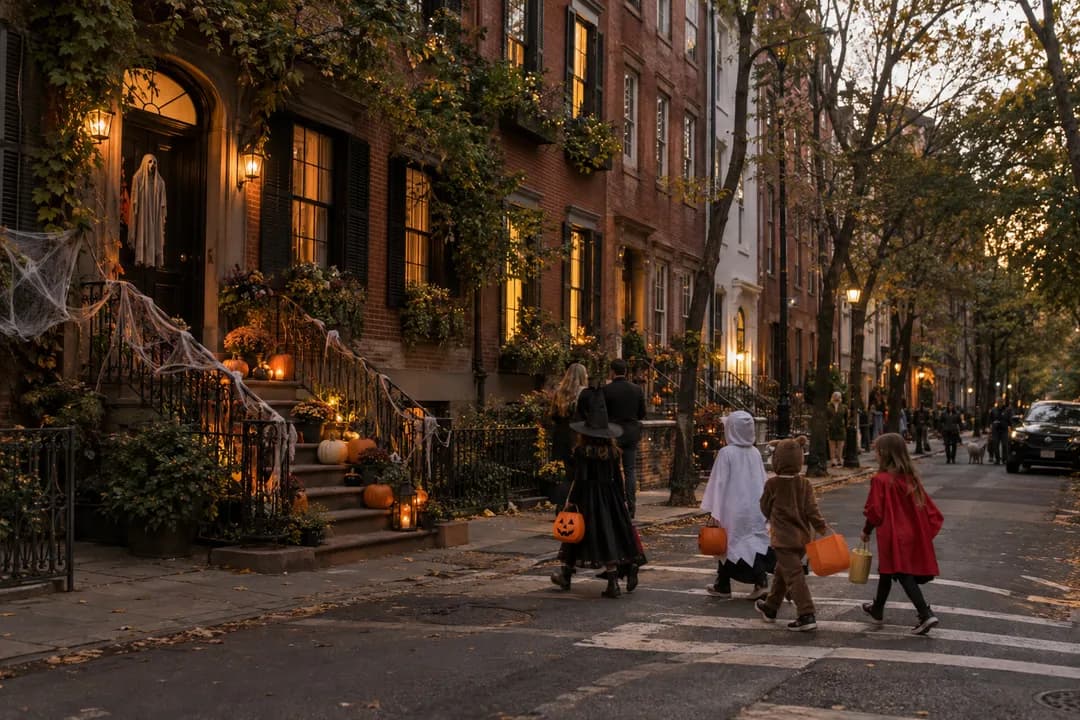 Best Trick or Treating Neighborhoods Near Me: West Village