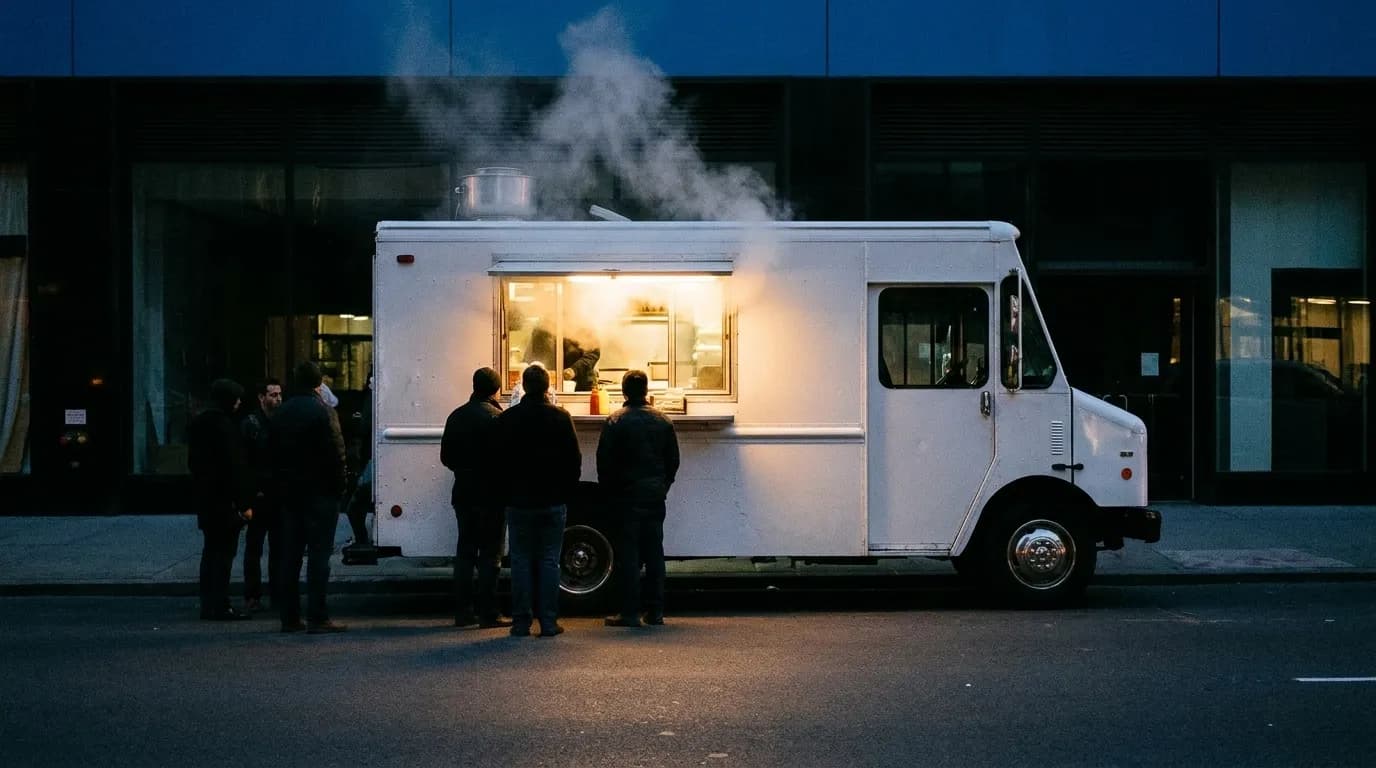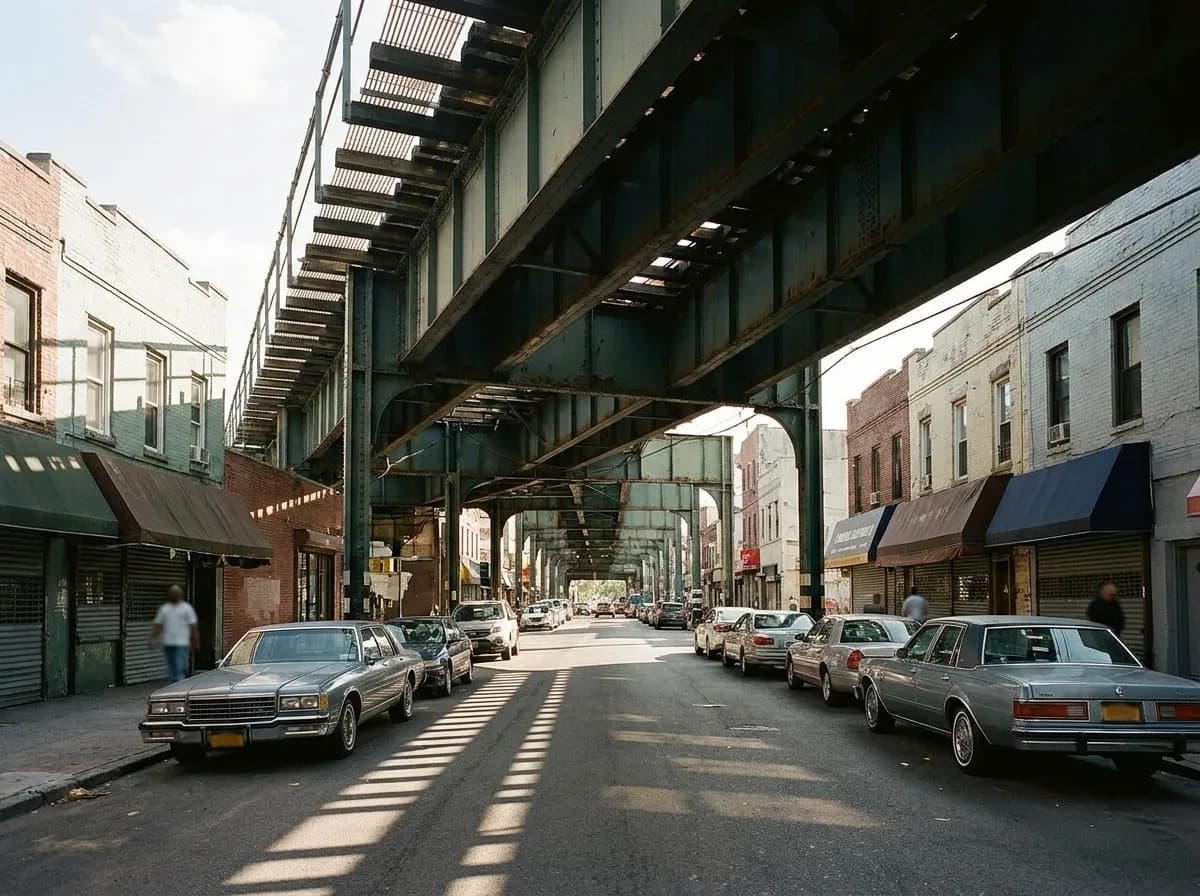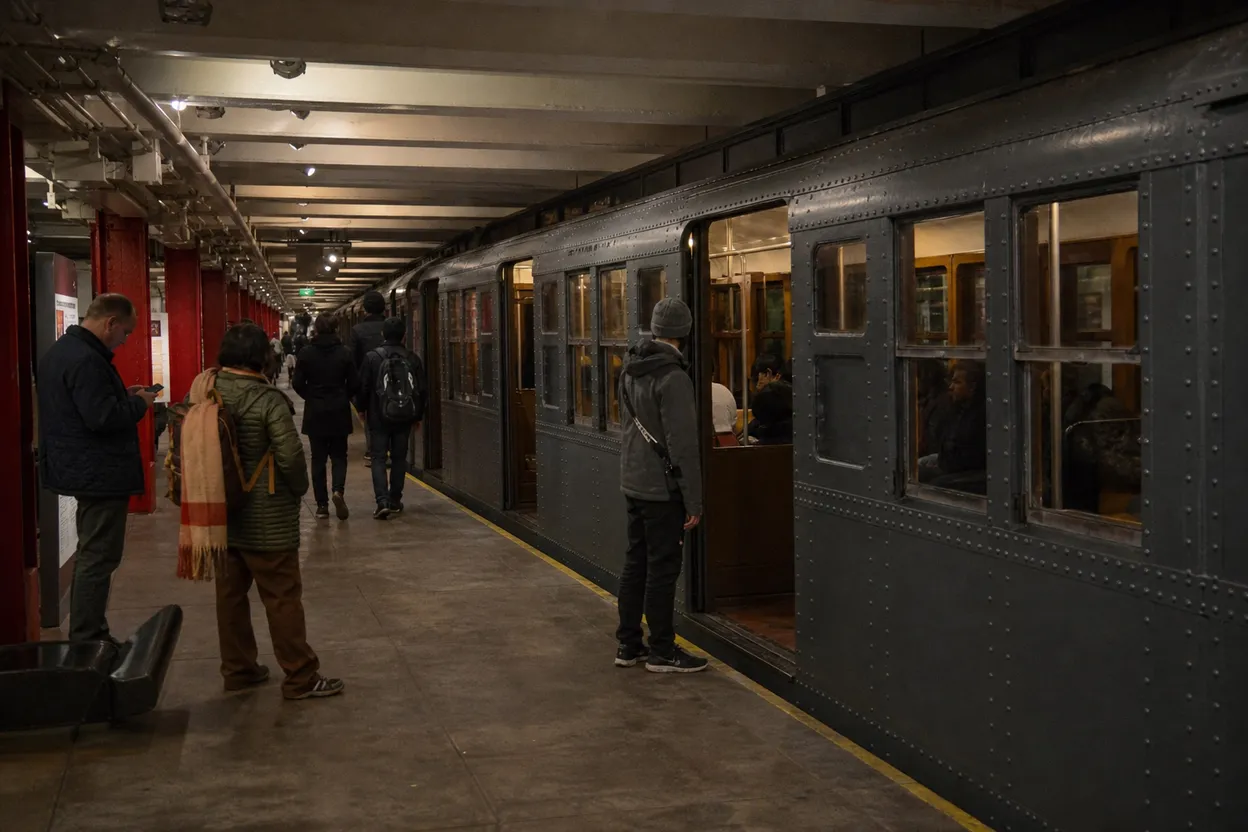
A rainy day can turn a big museum into a negotiation, especially with kids who want real train details, movement, and something they can inspect up close. The New York Transit Museum works best when families treat it as a focused platform visit inside a historic decommissioned subway station, not a full-day assignment. The museum’s Brooklyn location at 99 Schermerhorn Street includes vintage subway and elevated cars dating back to 1907, a working signal tower, and exhibits that connect fare systems, buses, trolleys, and subway design. The practical move is simple: reserve ahead, arrive on time, pace the platform first, and verify changing details before leaving home.
Want a kid-ready indoor plan without overbuilding the day? Text Karpo before you go for ticket reminders, access checks, and a tighter Brooklyn route.
Why the Platform Level Works
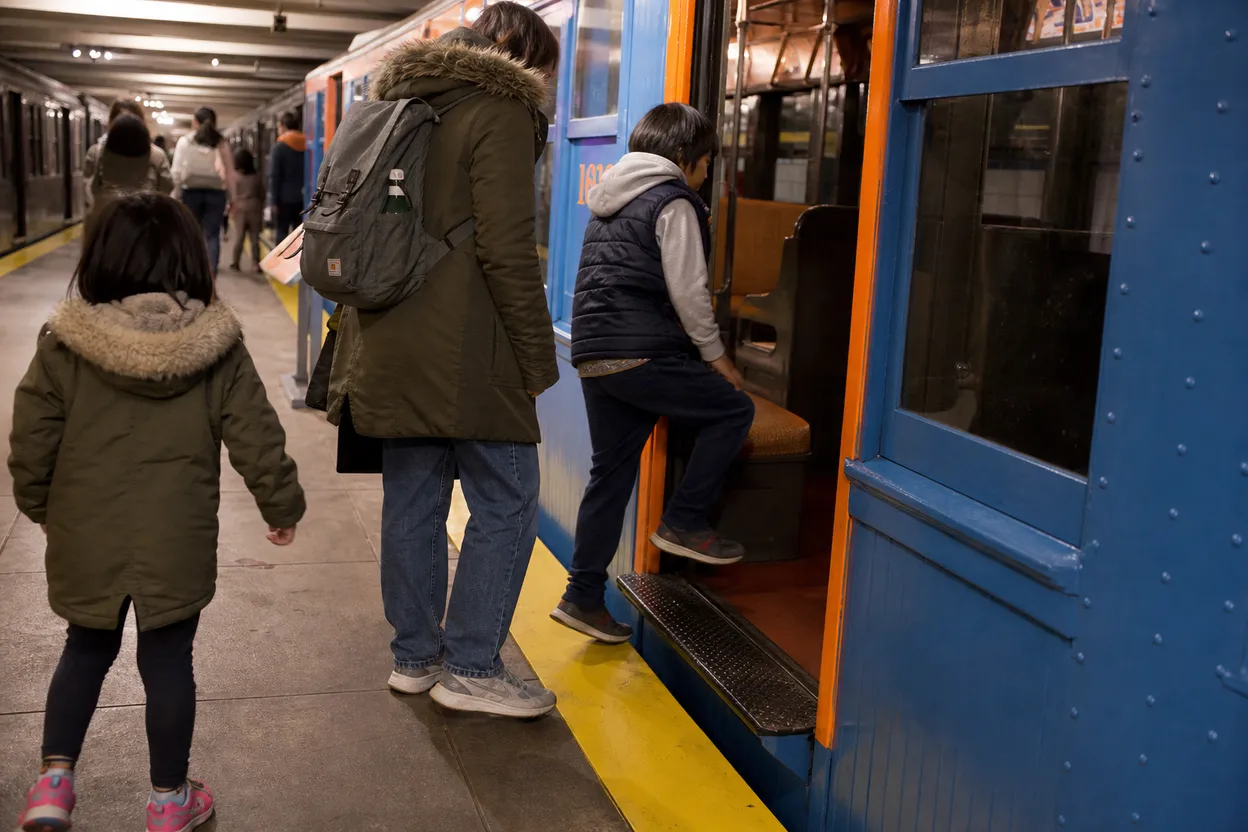
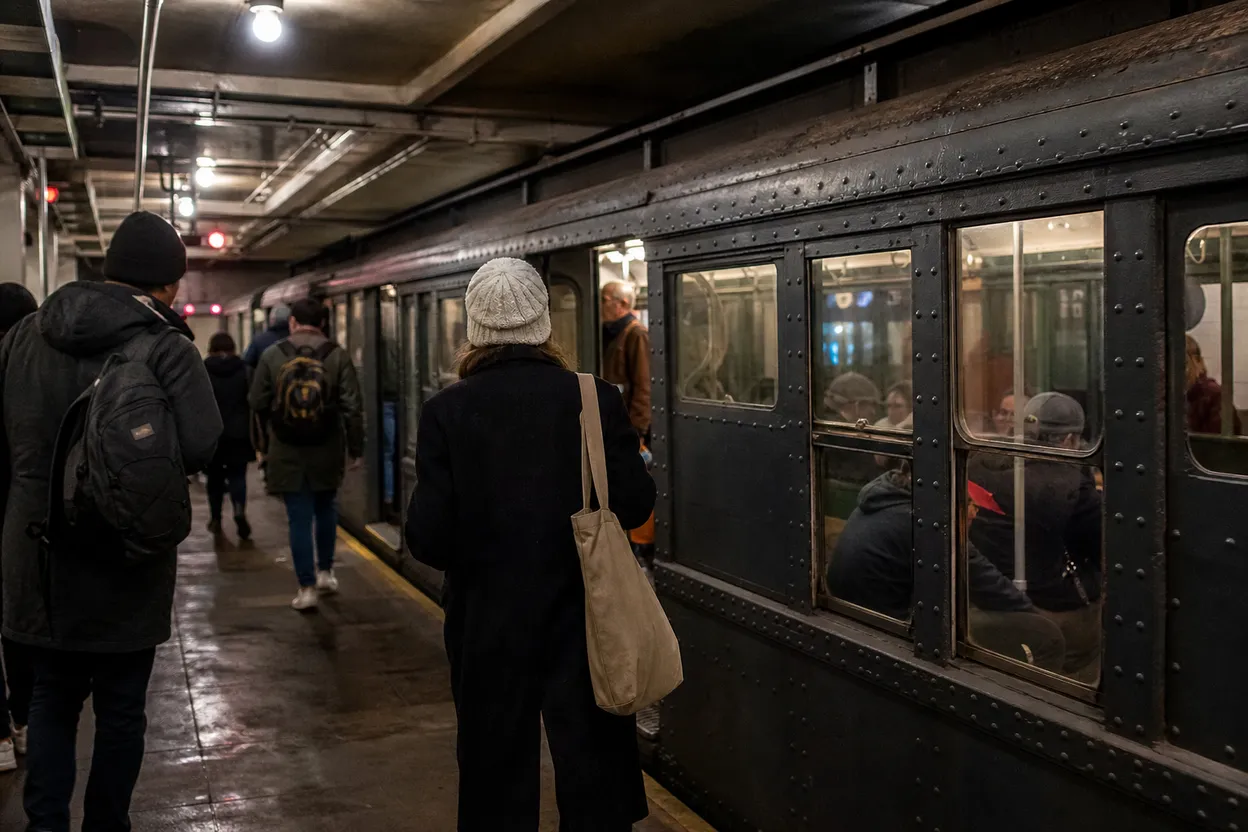
The museum’s platform level is the strongest reason to make this a rainy-day family stop. The official site describes a working platform level spanning a full city block, with twenty vintage subway and elevated cars plus a working signal tower. For kids, that creates a route built around comparison: doors, poles, seats, route signs, windows, lights, and car layouts become the activity instead of background decoration.
That setup helps when children need motion but adults need containment. Rather than asking kids to absorb every label, move car by car and ask them to notice one concrete difference each time. The platform also gives caregivers natural pause points: step into a car, look across the aisle, exit, reset, and choose the next one. The tradeoff is sensory load, so avoid promising every exhibit before seeing how attention holds.
Book Before You Promise
The museum strongly encourages advance reservations for the Brooklyn location, and the source says tickets become available three weeks ahead on a rolling basis. A limited number may be sold on site, but rainy weather can push many families indoors at once. Because each entrance time has limited capacity, do not make the museum the promised centerpiece until the timed ticket is actually secured.
Timing matters more here than at a casual drop-in stop. The museum asks visitors not to arrive more than five minutes before the reservation time, and guests have a 30-minute window beginning at that time to enter. Re-entry is not allowed after leaving, so handle snacks, rain gear, bathroom needs, stroller decisions, and sibling negotiations before scanning in. If illness changes the plan, check the rescheduling instructions early.
What To Verify
The source lists Brooklyn admission as $10 for adults, $5 for children ages 2 to 17, and $5 for seniors 62 and older. Museum members and MTA employees are listed as free, with the employee code handled during checkout. Visitors with disabilities are listed at $5, excluding groups of five or more. Treat those numbers as planning inputs, then verify before purchase.
Also check the ticket page for affiliate categories before assuming a discount applies. The museum source mentions Cool Culture Family Pass holders, museum employees, ASTC participants, and Time Travelers program members, with advance affiliate tickets and proof of affiliation required. This is a failure point for families arriving with a card but the wrong ticket type. If cost affects the decision, confirm the final checkout total before telling kids the plan is locked.
Access and Strollers
The Brooklyn museum’s main entrance is down two flights of stairs, which matters for strollers, mobility devices, tired toddlers, and caregivers carrying bags in wet weather. The museum states that a wheelchair-accessible entrance is available at Schermerhorn and Court Streets. Families who need that route should plan for it in advance rather than arriving at the main stairs and trying to solve access under pressure.
Only some areas are climate-controlled, according to the museum, so an indoor visit may still involve temperature shifts. Dress children in layers that work for stairs, platforms, and warm pockets. The source also says children ages 15 and under must be accompanied by an adult at all times. On a platform-level visit, keep the group close, assign adults to specific children, and avoid letting fast movers drift into separate cars.
Use Exhibits Selectively
Current Brooklyn exhibits listed in the source include The New York Transit Museum: 50 Years of Stories, Ode to the Orange Seats, FAREwell, MetroCard, Ticket To Ride, Moving the Millions, and On the Streets: New York’s Trolleys and Buses. Families do not need to finish all of them. For a rainy outing, the better measure is whether kids left with one or two concrete observations.
A useful sequence is a brief exhibit pass, then the platform level while attention is highest, then a final stop only if energy remains. Ticket To Ride and Moving the Millions connect especially well to the fare systems and train cars children are already noticing. If adults want deeper context, rotate turns reading while another adult keeps kids moving. If the group gets restless, return to visible details instead of forcing completion.
Keep Groups Small
The museum is clear that groups of eight or more may visit only through a scheduled staff-led adult group tour or school and youth tour. It also says unscheduled or self-guided group visits cannot be accommodated because of popularity and the historic station setting. That policy affects birthday clusters, visiting cousins, camp-style outings, and rainy-day parent chains more than families sometimes expect.
Before buying tickets, count every person, including adults, siblings, and relatives who might join late. If the party is close to the threshold, contact the museum instead of splitting into casual mini-groups and hoping it works. Smaller groups are also more practical on the platform level: easier to supervise, easier to move between cars, and easier to exit before fatigue turns the visit into crowd management.
Final Before-You-Go Checklist
Use this as a short win, not an endurance test. Confirm current Brooklyn hours, closures, ticket availability, admission, accessibility details, and photo or video policy on the museum site before leaving. The source lists regular Brooklyn hours as Wednesday through Sunday, 10am to 4pm, but hours can change around holidays, special programming, and operations. Also confirm the exact location, 99 Schermerhorn Street, before routing through rain.
Backup logic keeps the day from collapsing. If tickets are unavailable, consider whether the free Grand Central Gallery and Store fits the route, while noting the source says strollers are not permitted there. If a child is tired, shorten the plan to platform cars and skip completion goals. If weather delays transit, remember the 30-minute entry window. Final check: tickets, layers, access route, bathroom timing, and exit plan.
Tags: #NYCWithKids #TransitMuseum #BrooklynKids #RainyDayNYC #VintageSubway #FamilyNYC #IndoorNYC #DowntownBrooklyn #TrainKids #NYCMuseums #HiddenNYC #AskKarpo #BeforeYouGo #KarpoNYC
Sources consulted: Source 1: nytransitmuseum.org · Source 2: nytransitmuseum.org · Source 3: nytransitmuseumstore.com
All trademarks are the property of their respective owners.
Ask Karpo first
Tell Karpo your date, group size, budget, and starting neighborhood. We’ll check current access, timing, transit, and the cleanest plan for New York Transit Museum before you head out.