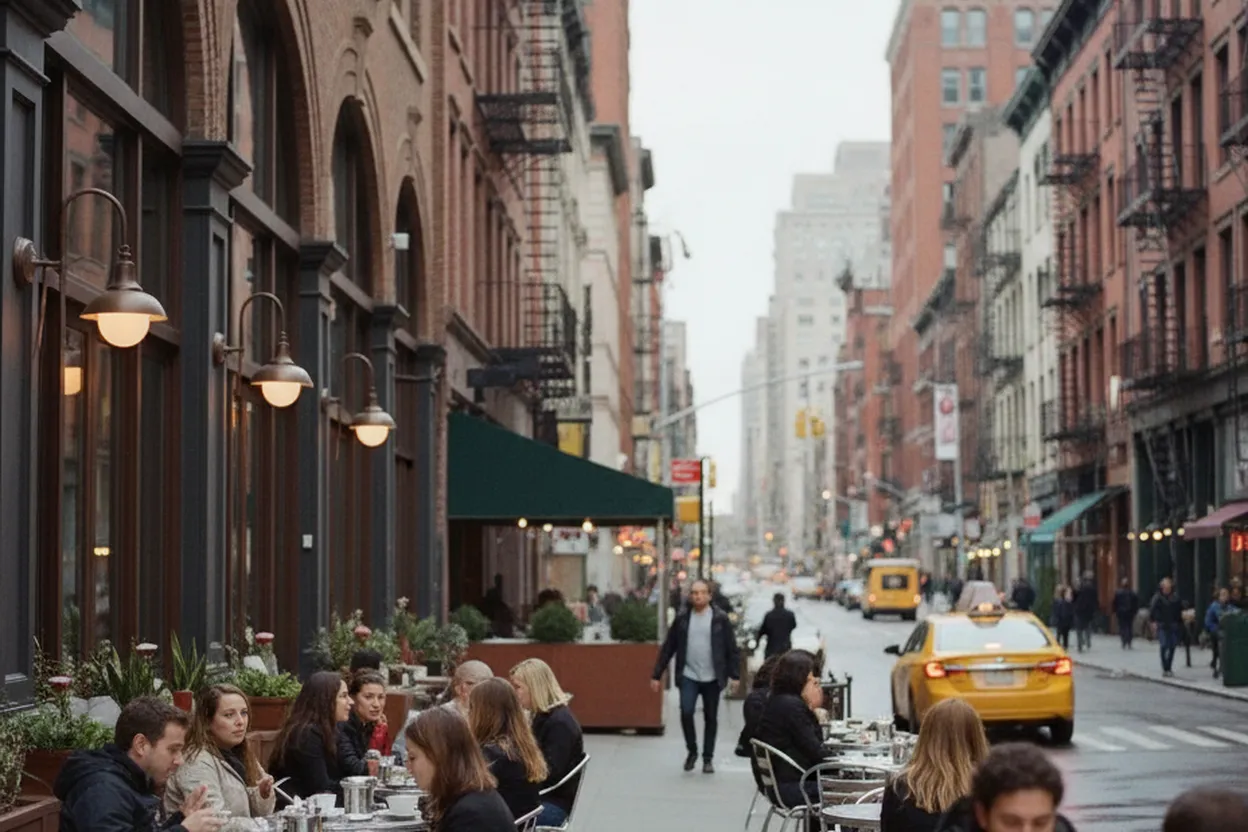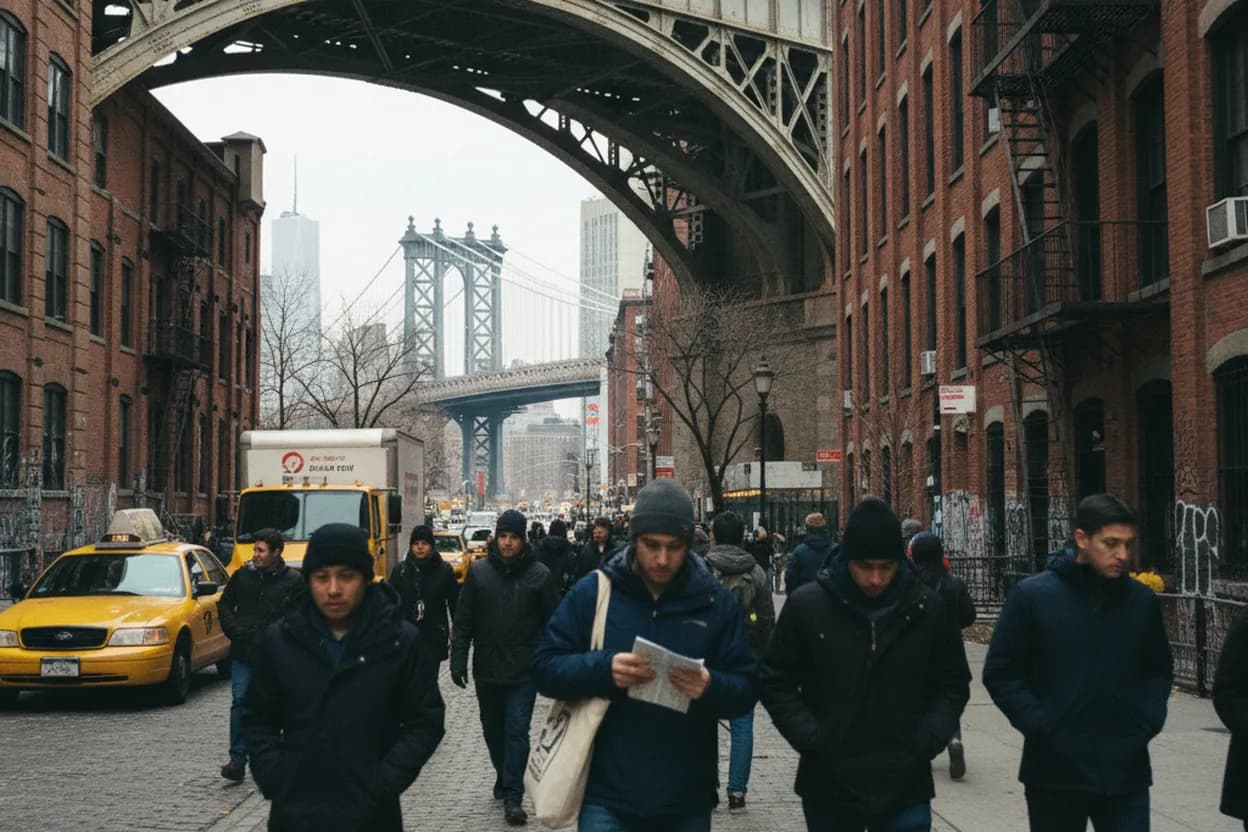
When a search term like nolan wells case starts driving anxious neighborhood conversations, the useful question for New Yorkers is not how to speculate harder. It is where to take concern so it becomes documented, local, and actionable. NYC already has several public channels for that work: community boards, precinct-level meetings, emergency alerts, 311 service requests, and agency data tools. None replaces calling 911 during immediate danger. None guarantees a fast fix. But each gives residents a different lever, from raising a recurring lighting issue to checking whether a public meeting is actually happening. Use this guide as a verification-first route through NYC community safety discussions on July 28, 2026.
Want a calmer way to compare local safety meetings, 311 paths, and alert signups before you commit time? Text Karpo with your neighborhood and concern for a verified next-step shortlist.

Start With Your NYC Community Board District, Not a Viral Thread
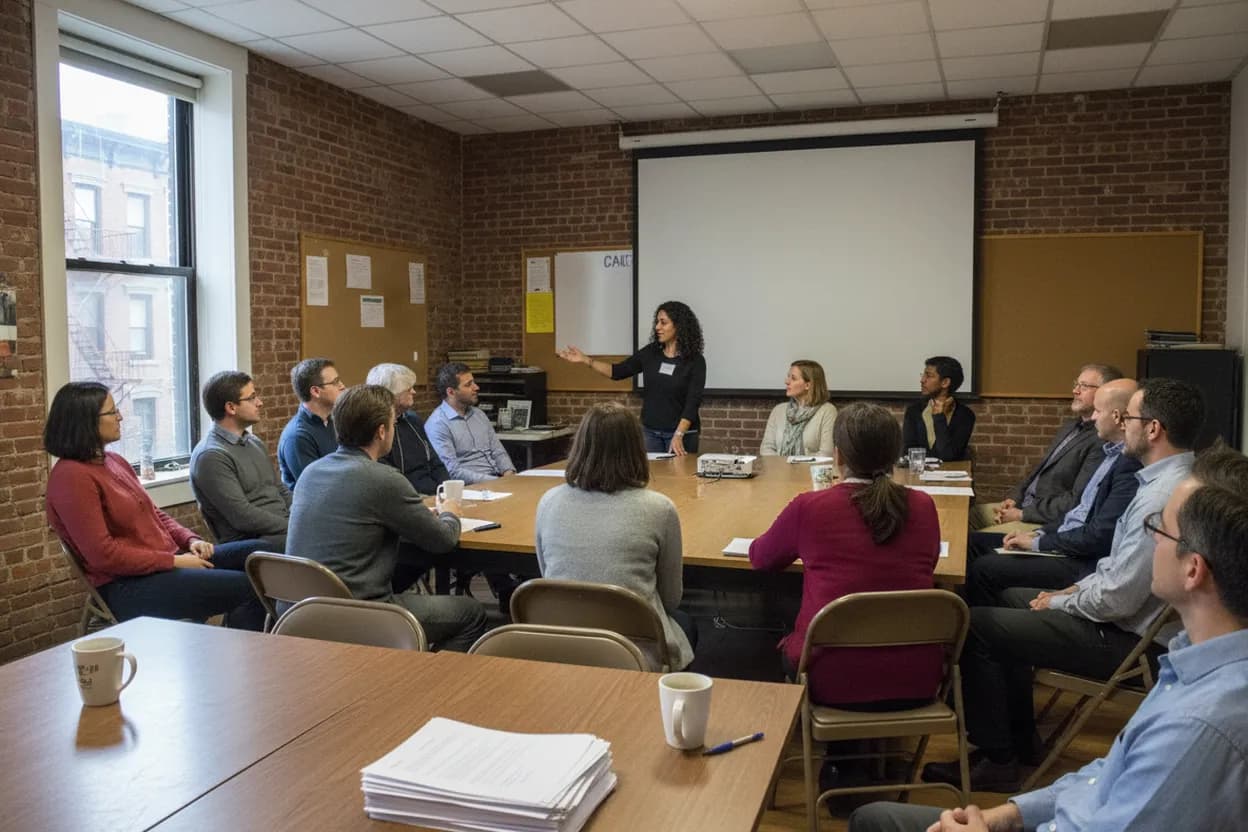
NYC’s Civic Engagement Commission describes community boards as the first level of local government, with 59 boards across the city and volunteer members appointed by borough presidents. Their scope is broader than crime: land use, transportation, small businesses, youth, education, environmental issues, and municipal service delivery all fit. That breadth matters because many safety concerns are really cross-agency problems, such as blocked sightlines, unsafe crossings, late-night noise, vacant lots, or poor lighting near transit.
The tradeoff is pace. Community boards are advisory bodies, so they can surface patterns and press agencies, but they do not dispatch officers or repair infrastructure on demand. Before going, verify your exact board, agenda, meeting format, speaker signup deadline, and accessibility options on the board’s page. If the issue involves immediate danger, use 911 first; if it is recurring but not urgent, bring dates, locations, photos taken lawfully from public space, and any 311 numbers.
Use Manhattan Community Board 3 as the Model for Meeting Logistics
Manhattan Community Board 3’s official page is a good example of why same-day verification matters. Its July 2026 calendar listed a Full Board Meeting on Tuesday, July 28, 2026, at 6:30pm, with a hybrid option and a public-session speaker process. The page also named MS 131 at 100 Hester Street and gave Zoom and phone access details. Those specifics are useful, but they are not portable to every district.
Treat that page as a template, not a citywide promise. Your board may use a different location, committee structure, signup form, interpretation process, or public comment limit. Failure mode: arriving with a general complaint at a full board meeting when the public safety, transportation, or parks committee is the better room. Backup logic is simple: email or call the district office before leaving, ask which committee owns the issue, and request the current agenda link.
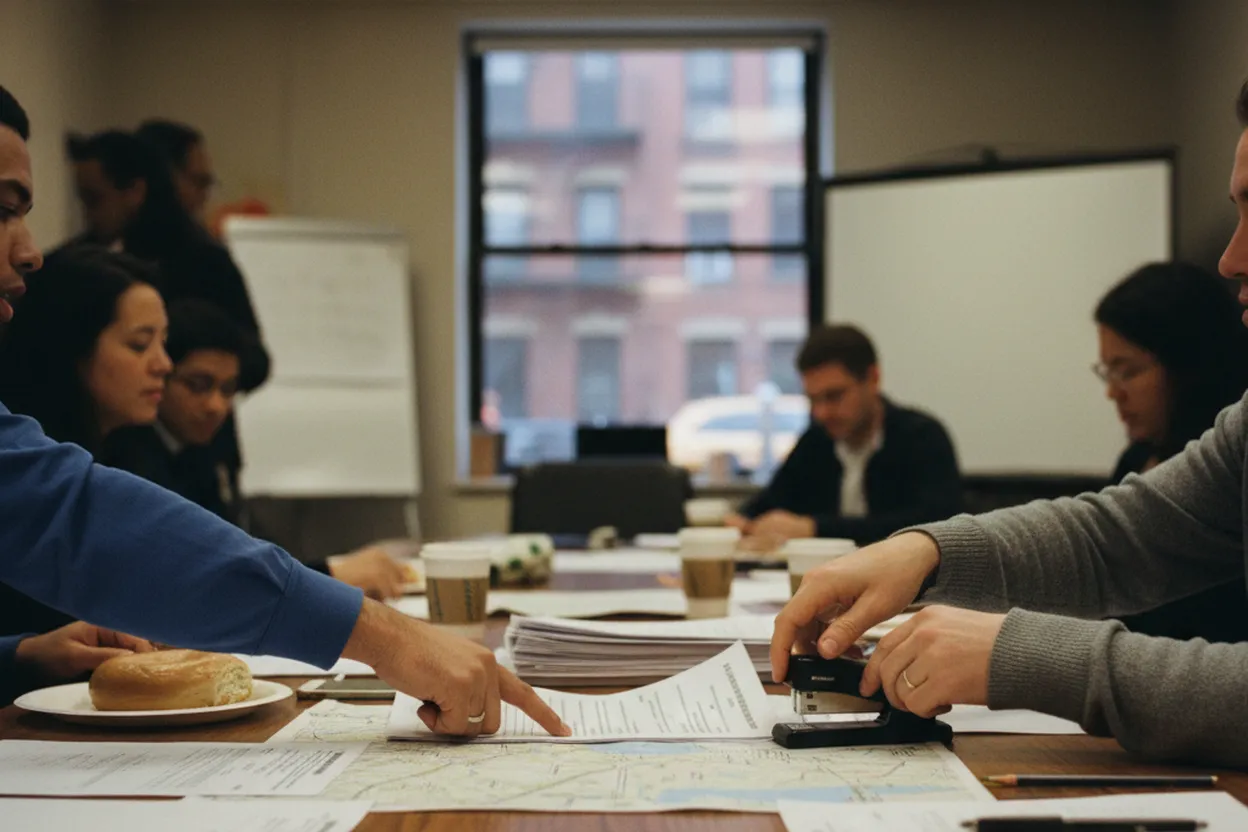
Bring Public Safety Concerns to NYPD Build the Block Meetings When Police Input Is Needed
NYPD’s community pages identify Build the Block meetings as a neighborhood-level forum tied to local officers and public safety concerns. Older official NYPD announcements describe them as strategy sessions where residents and officers identify specific problems and discuss possible solutions. That makes them a better fit for repeat patterns around a block, station entrance, retail corridor, or park edge than for broad online debate about a case you cannot verify independently.
The fit is strongest when you can describe what, where, when, and how often without naming uninvolved people or encouraging confrontation. The tradeoff is that meeting schedules and locations can change, and some precinct pages tell residents to contact Community Affairs for details. Before attending, confirm the sector, time, venue, and whether the meeting is open to your address. If the concern involves harassment, violence, weapons, or a threat in progress, do not wait for a meeting.
Use Precinct Community Councils for Recurring Quality-of-Life Patterns
Precinct community councils are another practical route when an issue repeats but does not fit neatly into a single 311 complaint. NYPD precinct pages can list council officers, typical monthly timing, and a Community Affairs contact, though locations may vary. For example, an official precinct page for the 73rd Precinct says community council meetings typically take place on the third Thursday of each month at 7:30pm and advises contacting the Community Affairs Office for further information.
That wording shows the main failure mode: “typically” is not a guarantee. Never build a plan around an old calendar screenshot or a social post without confirming with the precinct or council. These meetings are best for residents, merchants, tenant leaders, and block association members who can compare notes and ask procedural questions. Accessibility can vary by venue, so call ahead if you need step-free access, seating, interpretation, or a lower-stimulation option.
Route Non-Emergency Problems Through NYC 311 Before Asking a Room to Act
A community meeting becomes more useful when your concern already has a documented service trail. NYC311’s noise guidance, for instance, separates emergency conditions from non-emergency complaints and says to call 911 for fighting, screaming, gunshots, explosions, dangerous large crowds, or suspicious breaking of glass or wood. For other noise issues, 311 explains complaint paths by type and notes that mediation may help with chronic neighbor, landlord, or business disputes.
The decision point is whether the problem is active danger, a service condition, or a relationship dispute. A broken streetlight, illegal dumping pattern, after-hours construction, or chronic noise issue usually needs a service request before it needs a speech. Keep the service request number, date, and exact location. If the issue stops before responders arrive, that can limit enforcement, so document patterns carefully and avoid exaggeration. Verification step: check the relevant 311 article again before filing because categories and response rules can change.
Subscribe to Notify NYC Before Neighborhood Anxiety Spikes
Notify NYC’s FAQ identifies it as the City of New York’s official source for emergency events and important city services. The same page says residents can register online, text NOTIFYNYC to 692-692, or call 311, with TTY support listed through 212-504-4115. NYC Emergency Management also points residents to Notify NYC, its app, 311, and official channels as ways to stay informed during emergencies.
This is not a rumor filter for every viral story, and it will not tell you whether a social media claim is true. It is most useful for official emergency updates, service disruptions, and location-relevant alerts. The accessibility upside is that registration can support different delivery methods, while the tradeoff is alert fatigue if you subscribe too broadly. Before relying on it, confirm your ZIP code settings, language options, and phone number. Backup: use official agency pages when an alert is not specific enough.
Check DOB, Parks, Transit, and Agency Pages Before Blaming Safety on One Cause
Many neighborhood safety complaints are actually built-environment questions. The Department of Buildings’ Construction in My Neighborhood page points residents to Building on My Block, job status email notifications, after-hours variance information, and DOB NOW public records. That matters when concern centers on scaffolding, construction noise, sidewalk closures, night work, or a vacant-looking site. Similar logic applies to parks, transit stations, libraries, schools, and museums: verify the responsible agency before escalating.
Your final step before leaving home should be a three-part check: confirm the meeting or office is open, confirm the agency responsible for the condition, and confirm what evidence you can share without putting yourself or others at risk. If a fact cannot be confirmed, say that plainly in the room and ask who owns verification. That keeps the discussion grounded, protects privacy, and gives your community a cleaner path from concern to follow-up.
Tags: #AskKarpo #BeforeYouGo #NYC #CommunityBoards #CommunitySafety #BuildTheBlock #NotifyNYC #NYC311 #PublicMeetings #NeighborhoodSafety #CivicEngagement #LocalNews #NYCResources #VerifiedInfo
Sources consulted: Source 1: nyc.gov · Source 2: nyc.gov · Source 3: nyc.gov · Source 4: portal.311.nyc.gov · Source 5: a858-nycnotify.nyc.gov · Source 6: nyc.gov
All trademarks are the property of their respective owners.
Ask Karpo first
Tell Karpo your date, group size, budget, and starting neighborhood. We’ll check current access, timing, transit, and the cleanest plan for NYC Community Boards before you head out.