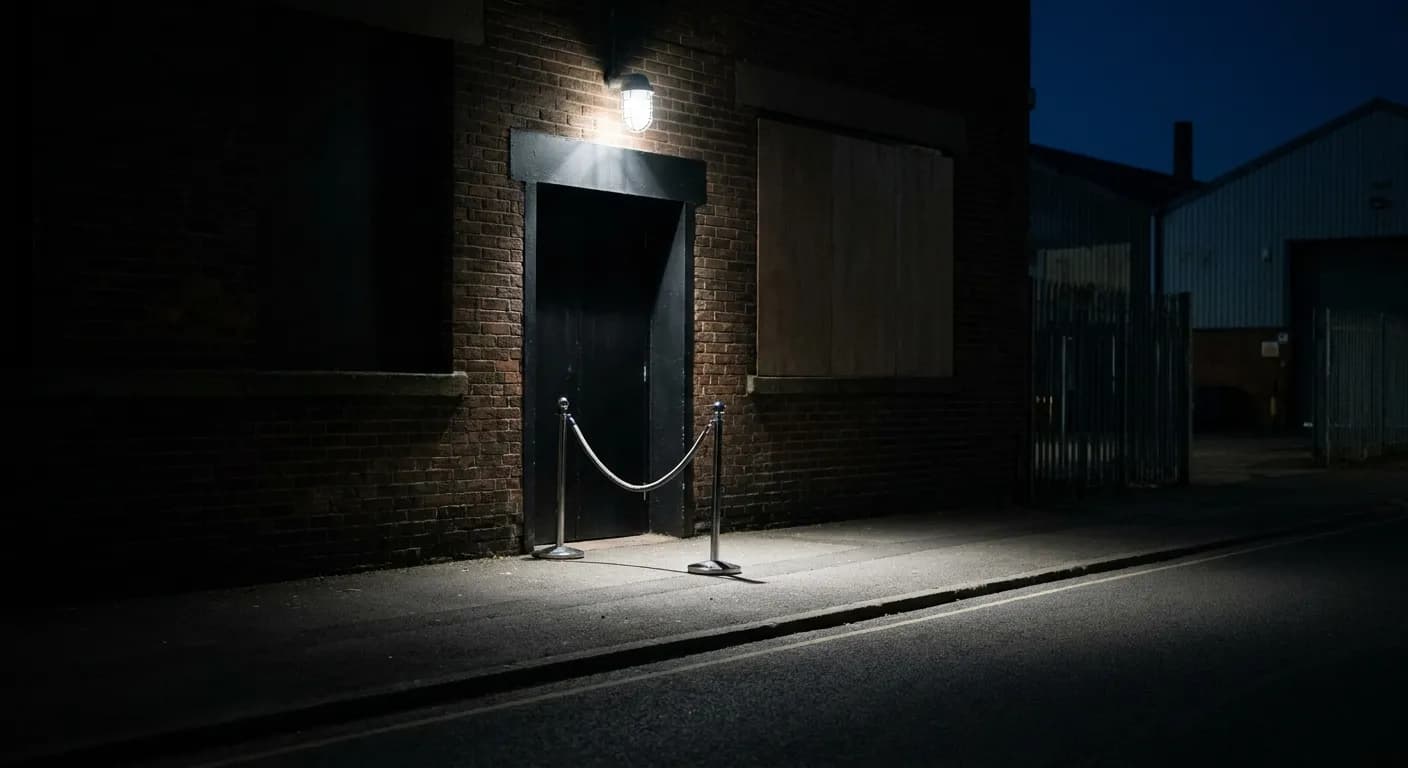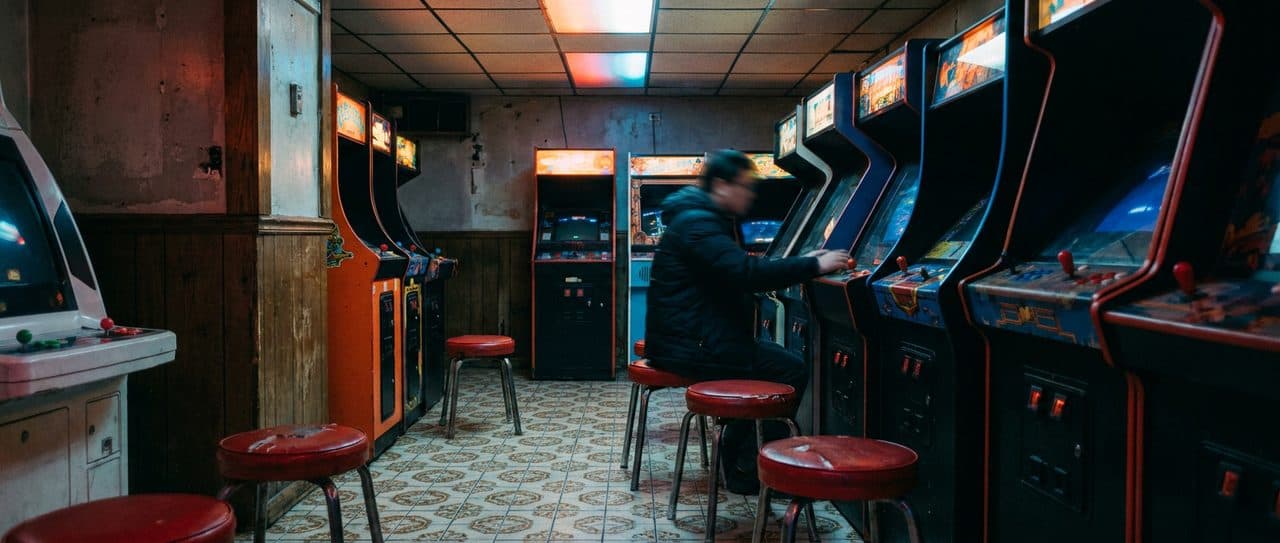
You're not watching the Nintendo Direct from your couch. You're watching it in the basement of a Chinatown arcade bar where the screen glow competes with actual CRT monitors running *Street Fighter III: 3rd Strike*, and someone two stools over just ordered a second round of soup dumplings between character reveals. June means E3 nostalgia even though E3 is long dead, and this particular Tuesday night the Nintendo broadcast drops at 9 p.m. EST—which is exactly when the arcade crowd peaks and the kitchen is still slinging.
The Downstairs Setup Where Streams Actually Feel Communal
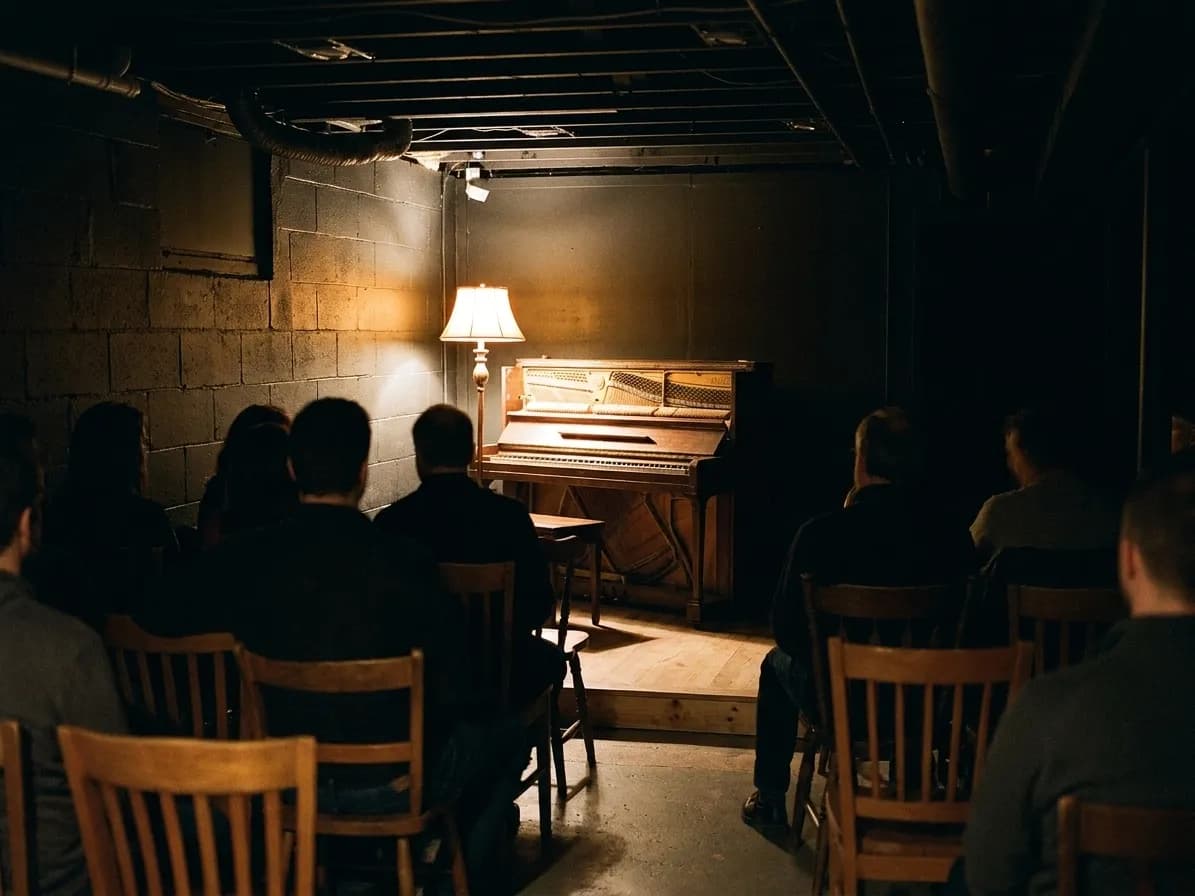
Most arcade bars project big gaming events on whatever flat screen they've got mounted near the bathrooms. This spot runs the Direct on a pull-down screen in the basement lounge, the kind with mismatched couches that smell faintly of cigarette smoke from a previous tenant and spilled beer from last weekend. The projector's older, so the colors skew warm—Link's tunic reads more golden than green. You're sitting close enough to hear other people react in real time, which matters more than you'd think when a trailer drops for a franchise you forgot existed. Someone always gasps at the wrong moment. Someone always calls a fake-out before the logo appears. The audio's clear but not overwhelming, so side conversations about frame rates and whether the new *Metroid* will actually ship this decade keep threading through.
The regulars claim the couch arms early. You want a sight line that lets you see both the screen and the cabinet area, because people drift between watching the stream and playing actual games during the filler segments. The basement stays cooler than the ground-floor bar, which matters in June when the streets outside are humid enough that your shirt sticks to your back on the walk over.
The Cabinet Rotation That Keeps Your Hands Busy Between Trailers
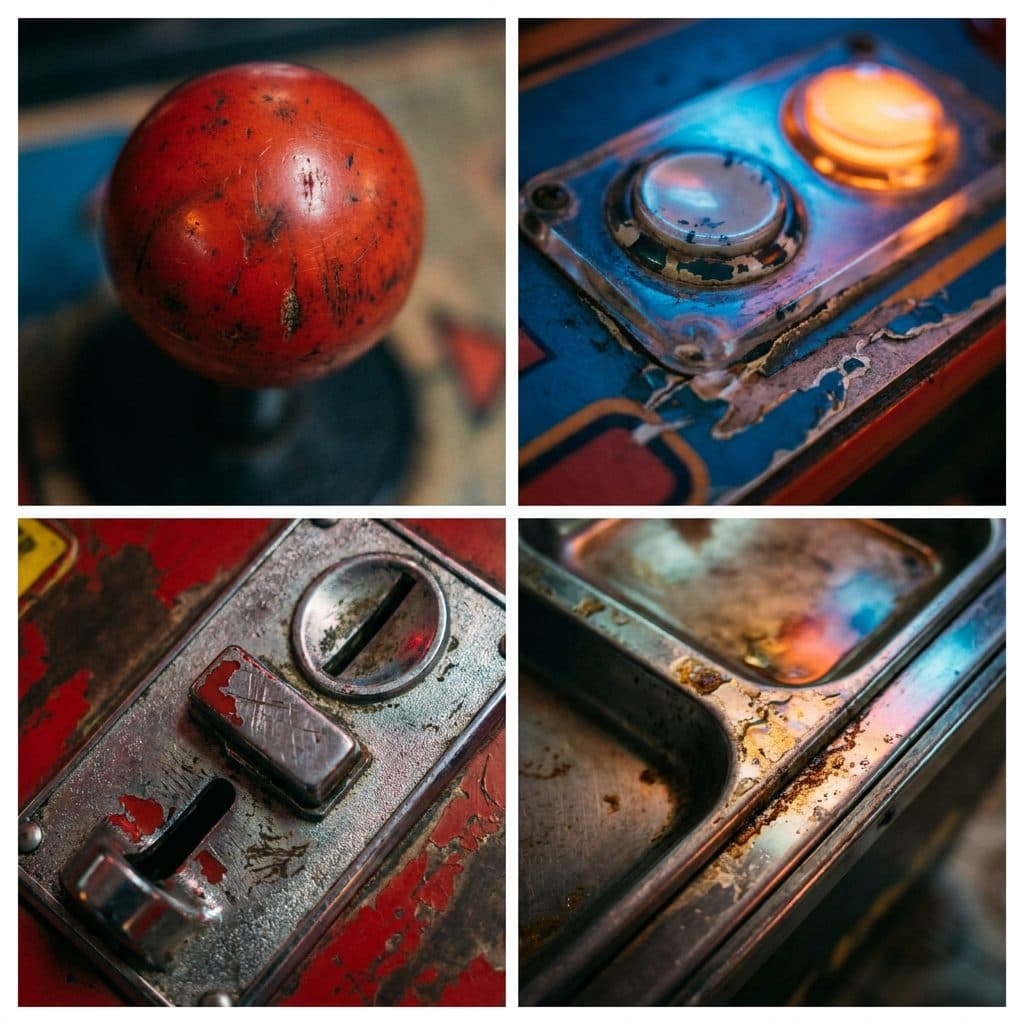
The arcade lineup here skews older—*Marvel vs. Capcom 2*, *Tekken Tag Tournament*, a *House of the Dead* cabinet that's been broken for months but still lights up. During the pre-show countdown, you can knock out a few rounds without losing your spot on the couch. The quarters still work, which feels increasingly rare. Most places have gone full card-swipe, but this spot keeps a change machine near the stairs that jams about thirty percent of the time.
The cabinet screens have that specific phosphor blur you can't replicate on modern displays. If you grew up playing fighting games in actual arcades instead of emulators, the muscle memory comes back fast—the stick resistance, the way the buttons click harder than they should. Between Nintendo segments, when they're showing sizzle reels for games you know won't come west, you'll see people rotate back to the machines. Someone's always running sets on *3rd Strike*. The crowd that shows up for Nintendo streams tends to overlap heavily with the crowd that still cares about parrying.
The Dumpling Window That Stays Open Past Kitchen Close
The kitchen technically stops taking orders around ten, but the dumpling window operates on different logic. It's a walk-up counter near the back that serves soup dumplings, scallion pancakes, and a rotating selection of whatever the cook feels like making that week. Sometimes it's pork buns. Sometimes it's cold sesame noodles that come out so aggressively garlicked you'll taste them until Thursday.
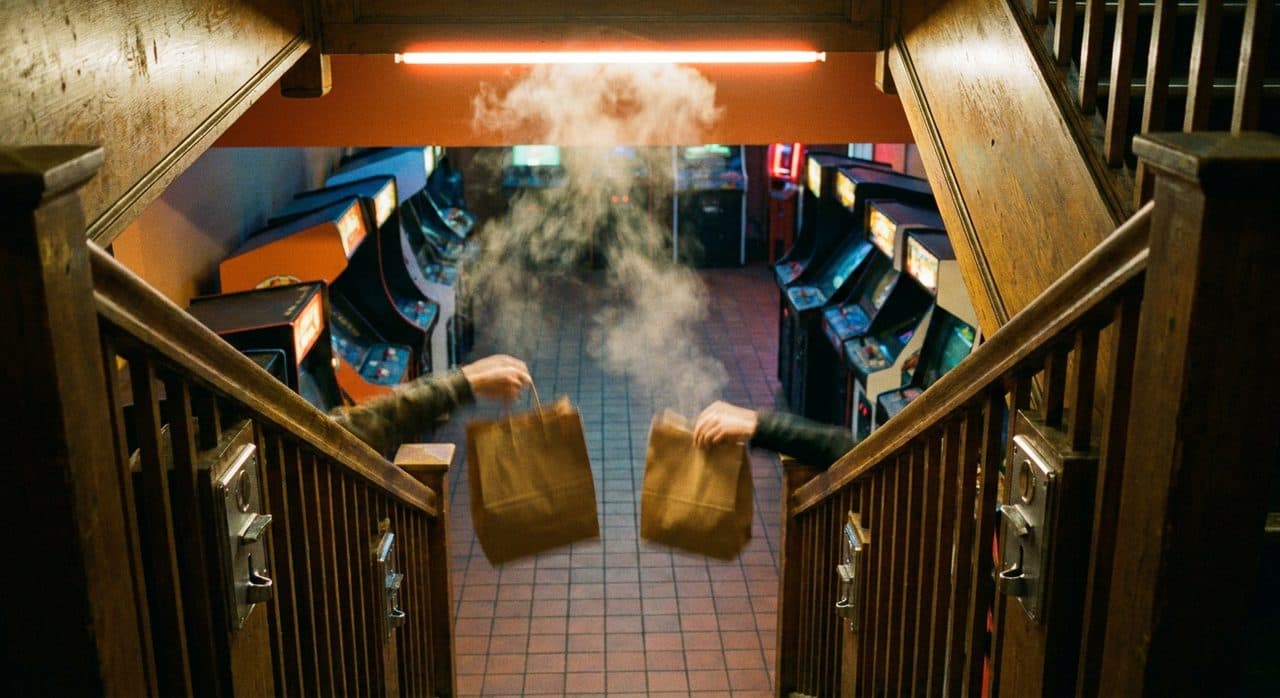
You order between trailer blocks. The dumplings arrive in those metal steamer baskets, still too hot to eat immediately, which gives you time to get back to your seat before the next reveal. They're smaller than the ones you'll find at the sit-down spots on Bayard, but they're also cheaper and faster. The vinegar's self-serve from squeeze bottles that have definitely seen better days. The trick is getting your order in before the stream hits the halfway mark, because that's when everyone else has the same idea and the line backs up into the main bar area.
The smell of ginger and pork fat mixing with spilled lager and the faint electrical burn smell from overheated consoles—that's the sensory anchor of the night. You can't get that at home, even if your internet connection is better.
The Crowd That Knows Which Leaks Were Real
This isn't a casual audience. The guy next to you has opinions about frame pacing in *Tears of the Kingdom*. The group near the dart board is arguing about whether the *Mother 3* localization rumors have any actual weight this time. When a trailer drops for something unexpected, the reaction is layered—initial surprise, then immediate speculation about release windows and whether it's first-party or contracted out.
You'll overhear someone mention they called a specific reveal based on trademark filings from March. Someone else is live-tweeting their reactions even though the Wi-Fi is borderline unusable in the basement. The energy's different from watching alone or even with a couple friends on Discord. There's a collective literacy here, a shared context that means you don't have to explain why a certain character announcement matters or why everyone just groaned at a release date.
The bartender—who's seen enough of these events to know the rhythm—starts calling out drink specials during the indie game montage sections when attention dips. The crowd thins slightly after the first hour, but the core group stays through the closing montage and the post-show analysis arguments.
The Post-Stream Cabinet Wars That Settle Debates
After the Direct ends, the basement doesn't clear out. Instead, people migrate back to the cabinets with the kind of purpose that only comes from an hour of sitting still and consuming information. Disagreements about which reveal was strongest get settled on *Marvel vs. Capcom 2*. Someone inevitably suggests a bracket.
This is when the space earns its keep. The machines are worn enough that they feel like shared infrastructure rather than museum pieces. The *Tekken* cabinet has a crack in the screen that everyone's learned to see through. The *MvC2* controls are loose in that specific way that means you have to adjust your execution slightly, which separates people who actually play from people who just remember playing.
The basement gets louder now than it was during the stream. Trash talk, callouts, the percussive sound of someone mashing buttons during a super combo. The crowd that stays is smaller but more invested. You're not just killing time anymore—you're in the post-game, the part where the night actually crystallizes into something you'll reference later.
Practical Notes: Timing Your Arrival and Exit Strategy
The basement opens a couple hours before the stream starts, which gives you time to scope seating and get food ordered before the rush. Arriving right at stream time means standing room only. The nearest subway stop is a short walk, close enough that you're not navigating too many blocks in the dark afterward.
No cover charge, but there's an unspoken expectation that you're buying drinks or food. Cash works better than card for the dumpling window. The bathroom situation is what you'd expect from a basement bar—functional but not luxurious, and there's usually a line during intermission moments.
If you're planning to stay for post-stream games, bring quarters or be prepared to wait for the change machine. The crowd usually disperses by midnight on weeknights, earlier if the Direct was disappointing. The walk back to the subway takes you past late-night fruit stands and the kind of street-level activity that reminds you why Chinatown still feels alive after dark in ways other neighborhoods don't.
Tags: #NintendoDirect #ChinatownNYC #ArcadeBar #RetroGaming #StreetFighterIII #GamingCommunity #DumplingBreak #NYCNightlife #ManhattanAfterDark #IndieArcade #NintendoSwitch #LowerManhattan #GamerCulture #NYCEats #TimingIsEverything
Sources consulted: timeout.com · secretnyc.co · thrillist.com
All trademarks are the property of their respective owners.