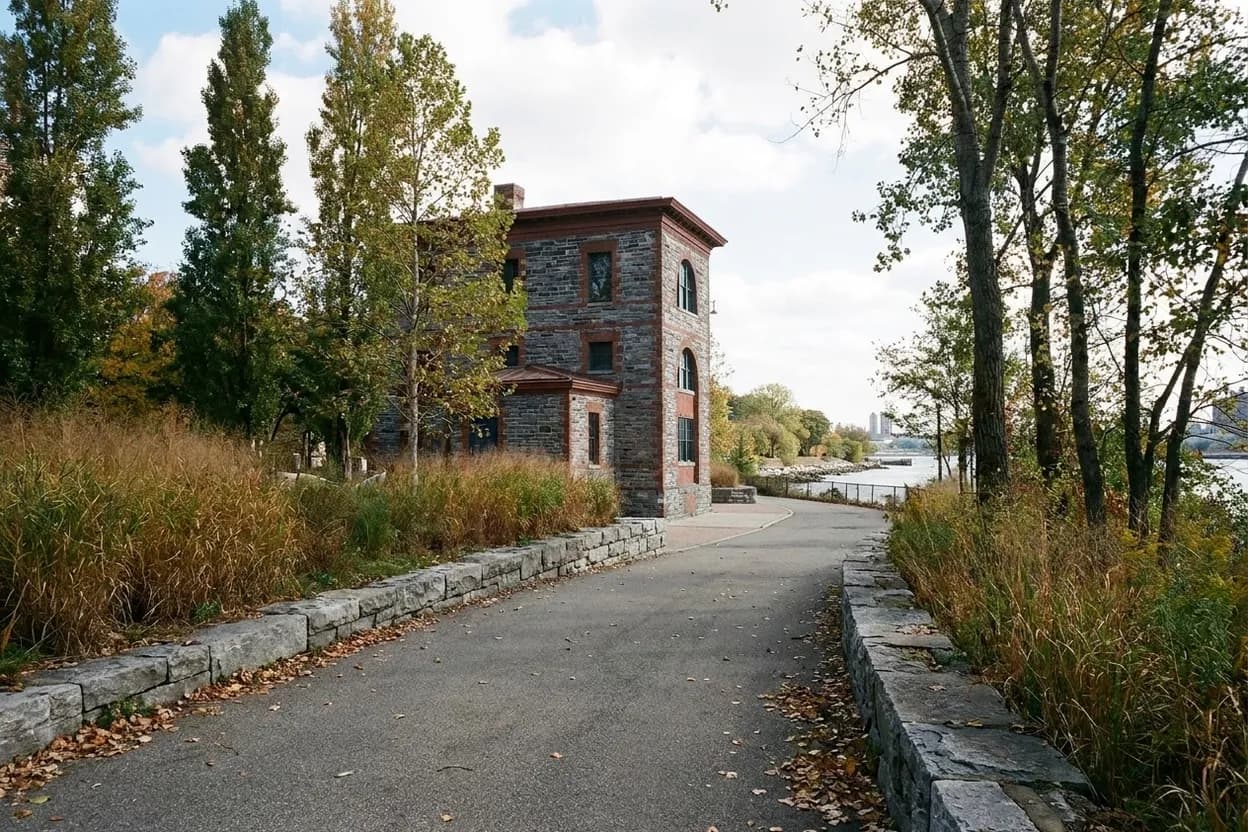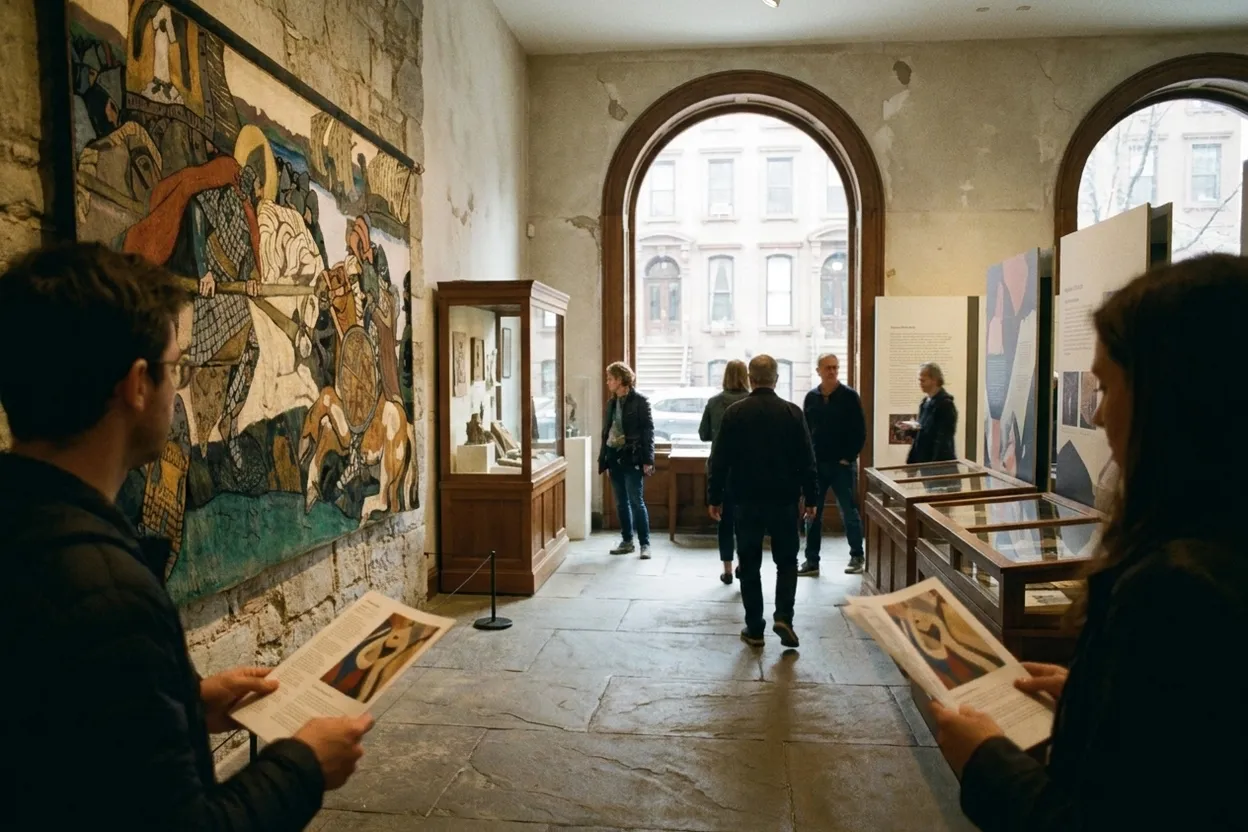
Amidst Manhattan's relentless pace, a quiet sanctuary awaits in the Upper West Side: the Nicholas Roerich Museum. Tucked away in a classic brownstone, this museum offers a unique departure from the grand, bustling institutions. It’s a place for deliberate engagement with art, where the works of Russian-born artist Nicholas Roerich unfold across three floors, inviting contemplation rather than quick consumption. For those seeking cultural depth without the crowds, this intimate retreat provides a distinctively serene experience, a true respite in the heart of the city.
Want a personalized guide to NYC's best-kept cultural secrets, including this one? Text Karpo and let us craft your ideal itinerary.

An Art Retreat in an Uptown Brownstone
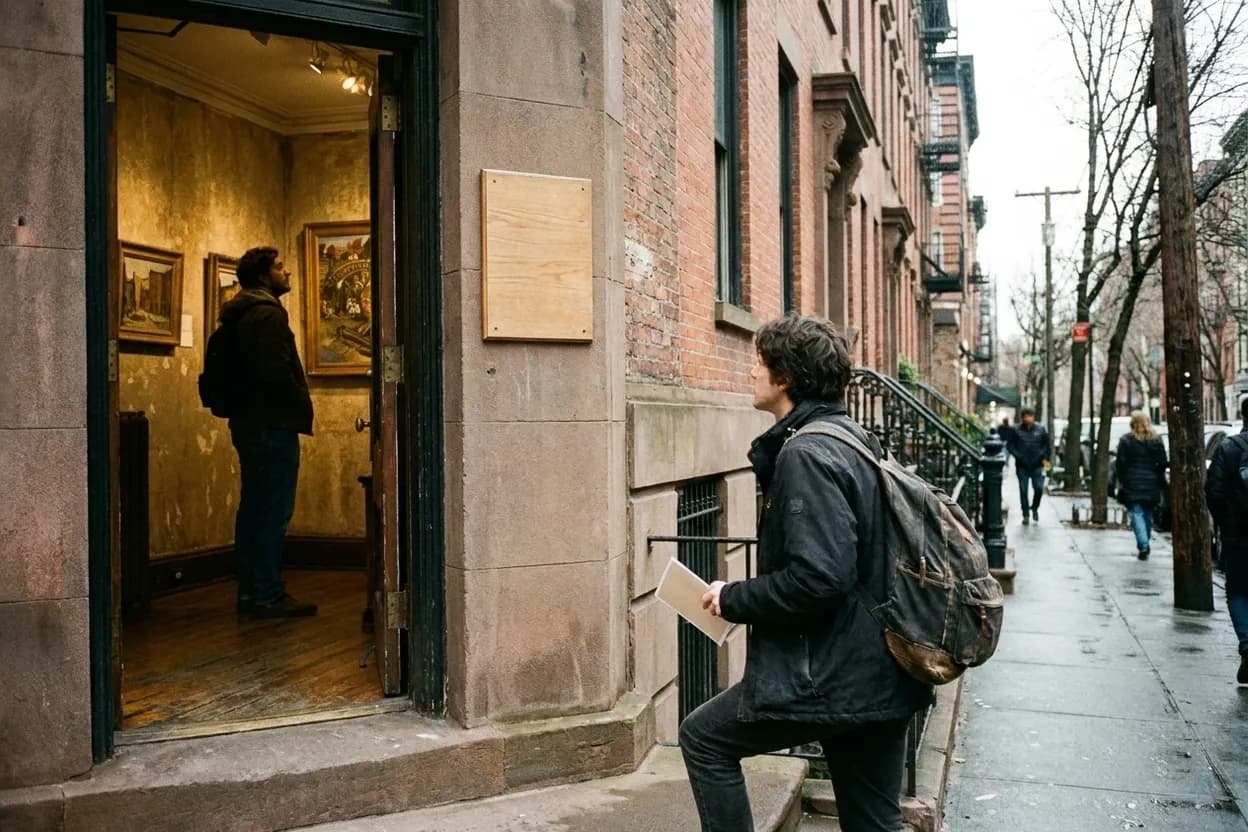
The Nicholas Roerich Museum is not your typical New York City museum experience. Instead of a purpose-built, expansive structure, it resides within a charming brownstone at 319 West 107th Street, nestled between Broadway and Riverside Drive in the Upper West Side/Morningside Heights area. This setting immediately sets a different tone, offering a more personal and intimate encounter with art, feeling more like a private collection opened to the public than a formal institution.
This unique location contributes significantly to the museum's tranquil atmosphere. The quiet residential street and the unassuming nature of the building itself mean it's easy to overlook, often described as a hidden gem. The experience of discovering it, perhaps by noticing a plaque or finding the side door entrance, adds to its charm, promising a serene escape from the urban clamor even before you step inside.
Nicholas Roerich's Visionary World
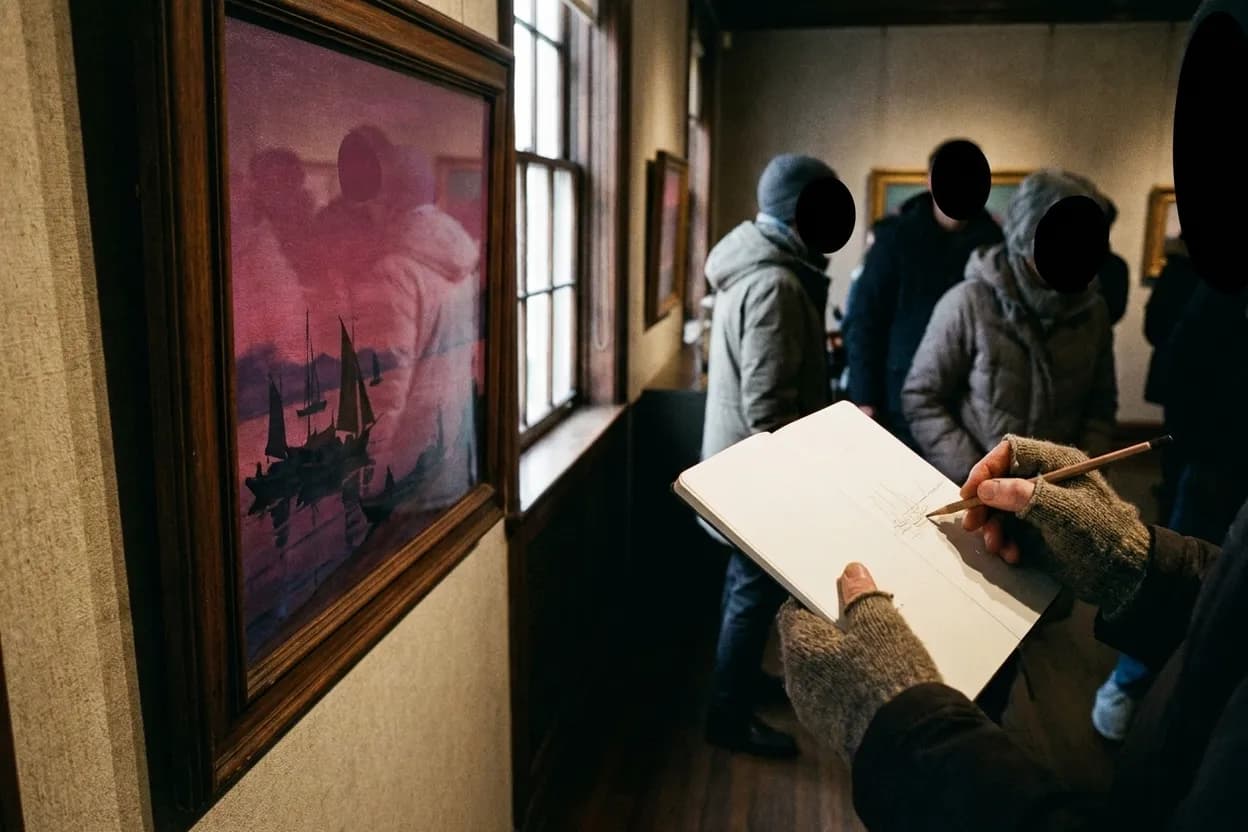
The museum is entirely dedicated to the art and philosophical ideas of Nicholas Roerich, a prolific Russian-born artist. His work, which spans over 200 paintings displayed across the museum’s three floors, is deeply imbued with themes of spiritualism, mysticism, and the natural world, particularly the Himalayas. Visitors will find themselves drawn into vibrant landscapes and symbolic narratives that reflect Roerich's profound spiritual journey and cultural explorations.
Roerich's art is distinctively recognizable for its bold colors and evocative imagery, often depicting majestic mountain ranges and ancient cultures. Engaging with his extensive body of work in such a compact and focused environment allows for a deeper appreciation of his unique vision, providing a contemplative space where visitors can truly immerse themselves in his artistic and philosophical universe.
Beyond the Canvases: A Cultural Hub
While predominantly an art museum, the Nicholas Roerich Museum also functions as a vibrant cultural center. It regularly hosts a variety of events, including concerts and poetry readings, enriching its role within the community and offering more than just static art displays. These events provide additional opportunities to engage with the museum's ethos of cultural exploration and artistic expression, often in an intimate setting that enhances the experience.
Checking the museum's event schedule beforehand is advisable for those interested in these supplementary cultural offerings. Attending a concert or reading within the museum's unique brownstone environment can transform a typical museum visit into a more dynamic and memorable cultural outing, aligning with the institution's broader mission to foster appreciation for art and ideas.
Navigating to Your Uptown Escape
Reaching the Nicholas Roerich Museum is straightforward, though planning your route is always recommended. The museum suggests taking the #1 subway train to 110th Street and Broadway. This drops you within walking distance, allowing for a pleasant stroll through the neighborhood before arriving at the serene brownstone. Alternatively, bus routes M104 to 108th Street and Broadway or M5 to 108th Street and Riverside Drive are also viable options for public transit.
Once you're in the vicinity, remember that the museum is on 107th Street between Broadway and Riverside Drive, specifically closer to Riverside Drive. This detail can be helpful as the museum is housed in an unassuming brownstone, and knowing its exact position relative to the main thoroughfares can aid in locating its subtle side door entrance, which one source notes can be easy to miss from the street.
Planning Your Contemplative Visit
The museum is free to visit, making it an accessible cultural experience, though donations are warmly welcomed and encouraged to support its operations. This allows visitors to enjoy the extensive collection without financial barriers, fostering an inclusive environment for art appreciation. Visitors should note that the museum's collection is spread across three floors, meaning two flights of stairs are involved for full access to the galleries.
For specific needs, such as elevator or wheelchair access, the museum requests that visitors call at least one day in advance. Same-day notice for such accommodations cannot be guaranteed. This foresight ensures the museum can properly prepare for your visit, making the experience as comfortable and accessible as possible. If you are part of a group of eight or more, advanced registration, at least one week prior, is also required.
Pacing Your Museum Experience
Given the museum's intimate scale and the contemplative nature of Roerich's art, you might find yourself spending more time than anticipated with individual pieces. This is not a museum designed for a quick dash; rather, it encourages a slower, more deliberate pace. Allow yourself the time to absorb the details and narratives within each painting, reflecting on their spiritual and symbolic meanings. This approach enhances the overall experience, turning a visit into a genuine art retreat.
Consider visiting during off-peak hours if you seek maximum tranquility; however, the museum's inherent quietness usually ensures a peaceful atmosphere. Since the museum also hosts events, it’s worth checking their calendar for any special programming that might align with your interests, potentially extending your stay and enriching your visit beyond just viewing the permanent collection.
Practical notes for Nicholas Roerich Museum
The Nicholas Roerich Museum is consistently reported to be closed on Mondays. While secondary sources agree on its Tuesday through Sunday operating schedule, the exact opening and closing hours can vary across different listings. Therefore, it is highly advisable to verify the museum's current operating hours directly on its official website or by calling on the day of your planned visit, especially for 2026 scheduling. The museum's event page notes that last entry is typically 30 minutes before closing.
Additionally, be aware that the museum observes closures on major holidays such as New Year’s Day, July 4, Thanksgiving Day, and Christmas Day. Public parking is not provided, though nearby street parking and garages on 108th Street east of Broadway are suggested options. There is no indication of a required timed-reservation system for general admission, but confirm this detail on the official site if you have any concerns before heading out.
Tags: #NicholasRoerichMuseum #SecretCulturalMuseums #NYCMuseums #UptownNYC #ArtRetreat #HiddenGemsNYC #FreeMuseums #NYCArt #CulturalExperience #ManhattanExploration #TravelNYC #AskKarpo #BeforeYouGo #NYC
Sources consulted: Source 1: roerich.org · Source 2: roerich.org · Source 3: harlemonestop.com · Source 4: ny.com · Source 5: whichmuseum.com · Source 6: sideways.nyc · Source 7: intheknowtraveler.com · Source 8: yelp.com · Source 9: whichmuseum.com · Source 10: sideways.nyc · Source 11: visitingamuseum.com
All trademarks are the property of their respective owners.
Ask Karpo first
Tell Karpo your date, group size, budget, and starting neighborhood. We’ll check current access, timing, transit, and the cleanest plan for Nicholas Roerich Museum before you head out.