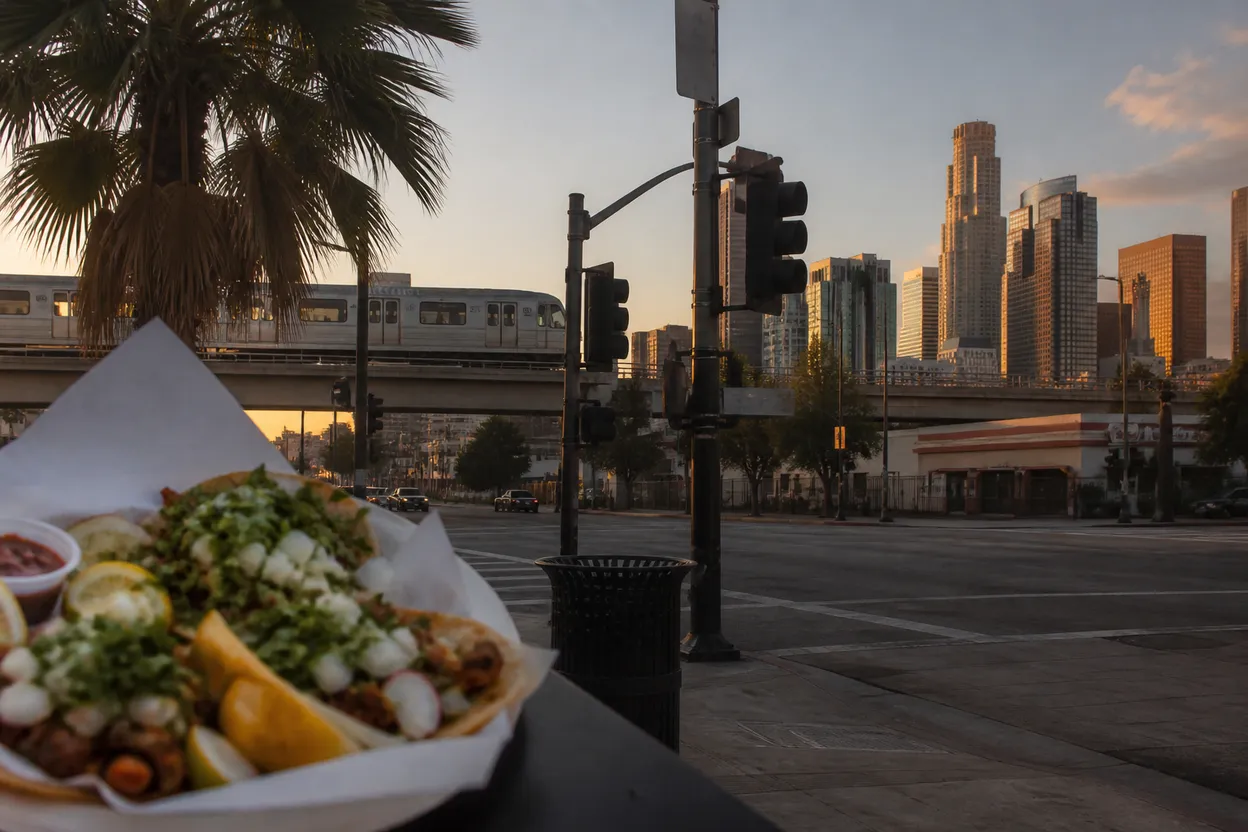
The phrase nfl schedule is useful in Los Angeles only if it leads to a better local question: where can you spend a day without letting one uncertain event dictate your whole route? LA is a city of long distances, strong neighborhood identities, and shifting crowd patterns, so the smarter move is to build a plan around verifiable transit information and flexible areas rather than around online noise. As of Friday, August 7, 2026, official LA tourism listings show a busy summer calendar, Metro promotes real-time arrivals, alerts, maps, schedules, and trip planning tools, and the city’s visitor guide points travelers toward multicultural neighborhoods from South Park and Little Tokyo to Westwood, Chinatown, Highland Park, Sawtelle Japantown, Exposition Park, and Pasadena. Treat that as your planning frame.
Want a cleaner LA day plan before you commit? Text Karpo with your starting point, preferred neighborhood, and backup style, and ask for a transit-first check before you cross town.

Translate the headline into a neighborhood question
A search spike around the nfl schedule can make it feel like the city has one obvious destination. Los Angeles rarely works that way. The practical question is not “Where is everyone going?” but “Which neighborhood lets me eat, walk, wait, reroute, and still have a real day if the event timing or crowd picture changes?” That question is especially important for visitors who underestimate how different Downtown LA, the Westside, Mid-Wilshire, and the San Gabriel Valley feel once transit time is included.
Start by separating confirmed plans from assumptions. If you are meeting friends for a game-related watch plan, verify the exact event listing, location, entry rules, and timing on the official page for that venue or organizer before you build the rest of the day. If you are only reacting to the headline, pick a neighborhood with multiple nearby options instead of chasing a single room, bar, or screen. Discover Los Angeles describes the city through vibrant multicultural neighborhoods, which is a better local model than treating LA as one giant event zone.
Choose the area by the actual task
For a transit-smart plan, choose the area by what you need to do, not by what sounds most famous. South Park can make sense when your day is oriented around Downtown LA. Little Tokyo is useful when you want a compact neighborhood with food, walking, and cultural texture. Westwood points you toward the Westside, while Highland Park and Chinatown offer different neighborhood rhythms without pretending to be interchangeable. Sawtelle Japantown, Exposition Park, and Pasadena also belong on the short list when your group’s real need is a defined area rather than a citywide scavenger hunt.
Use the nfl schedule as a timing hook, then decide whether your day is built around arrival, viewing, dining, or escape. If the must-do activity is early, pick the neighborhood closest to that activity and add a nearby second stop. If the must-do activity is late, spend the first half of the day somewhere with transit connections you can verify before moving. Do not build a plan that requires a perfect sequence of long rides, immediate seats, and no crowding; that is not a plan, it is a wish.
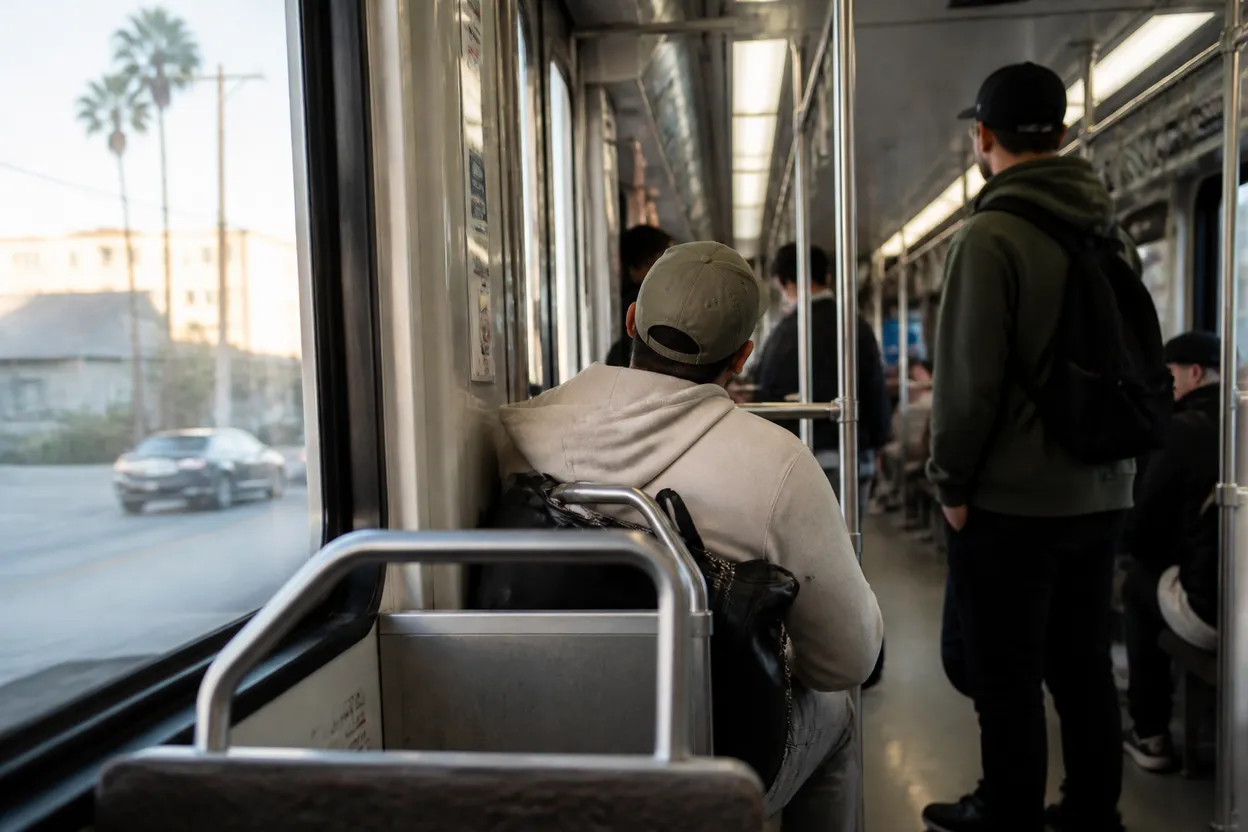
Use transit exits as planning anchors
Metro should be treated as an active information source, not a static map you glanced at in the morning. The official Metro site points riders to arrivals, a trip planner, alerts, maps and schedules, and the Official LA Metro App for real-time arrivals, step-by-step directions, and service alerts. That matters because your best neighborhood choice at 10 a.m. may not be your best choice at 6 p.m. if a delay, transfer, or crowd surge changes the route.
For Mid-Wilshire planning, Metro notes that new D Line Extension stations at La Brea, Fairfax, and La Cienega connect the cultural energy of Mid-Wilshire with Koreatown and Downtown LA. That is useful if your day involves museums, food, or a central meeting point, but it still needs a same-day check. Before leaving, look up your starting station, exit station, transfer, and return route in Metro’s tools. Also confirm payment options on Metro’s official fare information; the Metro homepage states riders can tap a credit or debit card, in plastic or digital form, on buses or at train stations.
Add one indoor and one outdoor backup
The most reliable LA plans include a weather-neutral fallback and a fresh-air fallback. For the indoor option, lean on the official visitor guide’s arts and culture coverage, including its guide to summer events at LA museums and its broader note that Los Angeles is home to renowned museums. Do not assume hours, tickets, special exhibitions, or entry procedures from memory. Verify the museum’s own page before you make it the rescue plan.
For the outdoor option, use a broad category rather than a fragile appointment. Discover Los Angeles highlights the city’s beaches, hiking trails, and 75 miles of sunny coastline. That gives you room to pivot if a neighborhood gets too crowded or your group loses interest in a screen-centered plan. Still, outdoor backups require checks too: confirm access, transit route, conditions, and any official advisories before heading out. A backup that takes two hours to reach is not really a backup.
Avoid treating online attention as a local promise
Online attention can distort LA planning because it compresses the city into one topic. The nfl schedule may explain why people are searching, but it does not tell you which train is delayed, which neighborhood is comfortable for your group, or whether a listing still has space. LA’s official tourism site shows a broad city calendar, including concerts, arts and culture, dining, beaches, film locations, and neighborhood guides. That breadth is the point: the city does not pause for one sports-related search.
Be especially skeptical of secondhand posts that imply guaranteed access, special appearances, broadcast arrangements, or last-minute availability. Unless the detail appears on the official page for the event, venue, transit agency, or organizer, keep it out of your plan. Your job is not to predict the internet; it is to reduce the number of things that can strand you far from your next workable option.
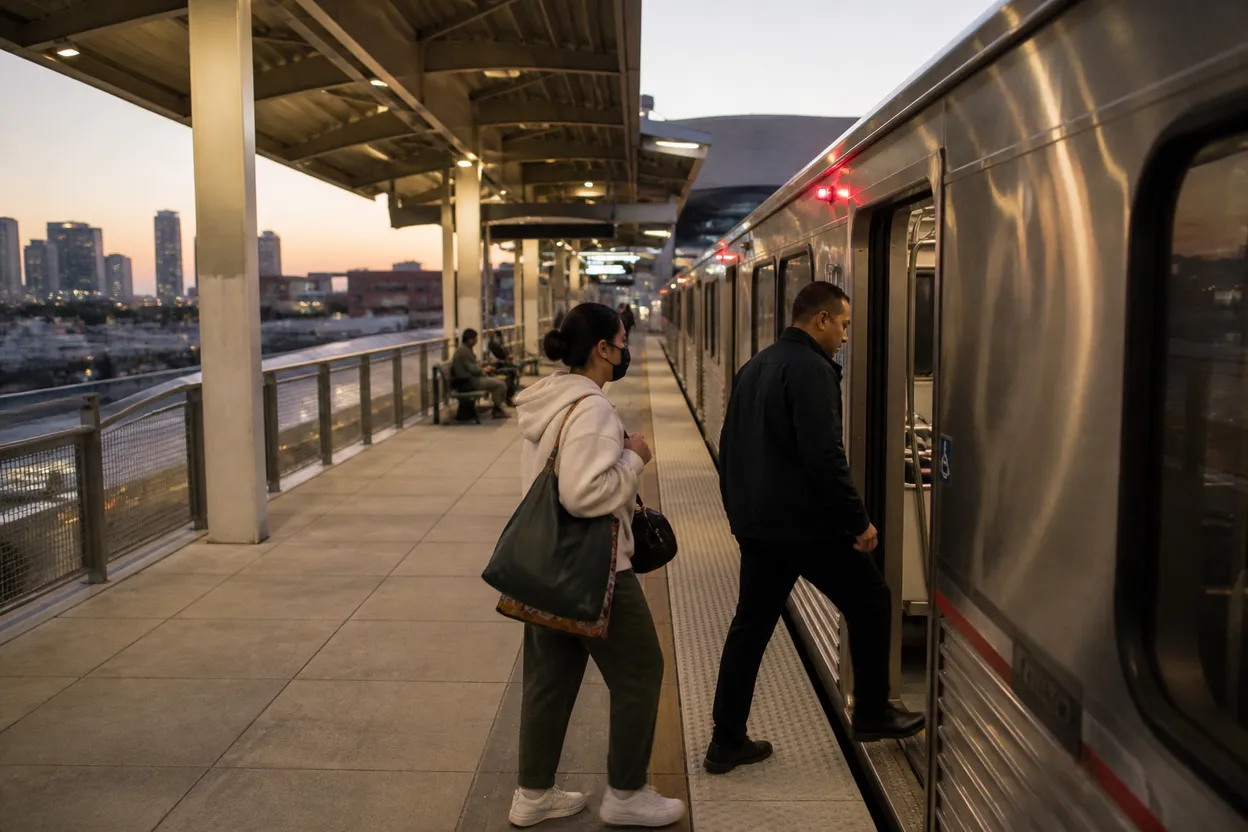
Verify conditions before crossing the city
Before you cross Los Angeles, run a five-part check. First, confirm the official event or activity page. Second, check Metro’s trip planner, alerts, arrivals, maps, and schedules for both the outbound and return trip. Third, identify the exact station or stop you will use as your anchor. Fourth, choose one nearby indoor backup and one outdoor backup. Fifth, set a cutoff time for leaving, because waiting too long can turn a manageable reroute into a late-night problem.
If the official checks do not line up, shrink the plan instead of forcing it. Stay in one neighborhood, choose a simpler meal, or move the watch plan closer to your starting point. Los Angeles rewards people who respect distance and verify details; it punishes overconfident itineraries built on vague excitement. A good city plan is not the one with the most stops. It is the one that still works when the first idea changes.
Tags: #AskKarpo #BeforeYouGo #LosAngeles #LANeighborhoods #LAMetro #TransitSmart #PublicTransit #NeighborhoodGuides #DowntownLA #MidWilshire #LittleTokyo #ExpositionPark #LAWeekend #TravelPlanning
Sources consulted: discoverlosangeles.com · metro.net · laparks.org
All trademarks are the property of their respective owners.
Ask Karpo first
Ask Karpo first before you turn nfl schedule interest into a cross-city LA plan. Share your start point, preferred neighborhood, time window, and backup comfort level, and Karpo can help you frame the official checks that matter before you go.


