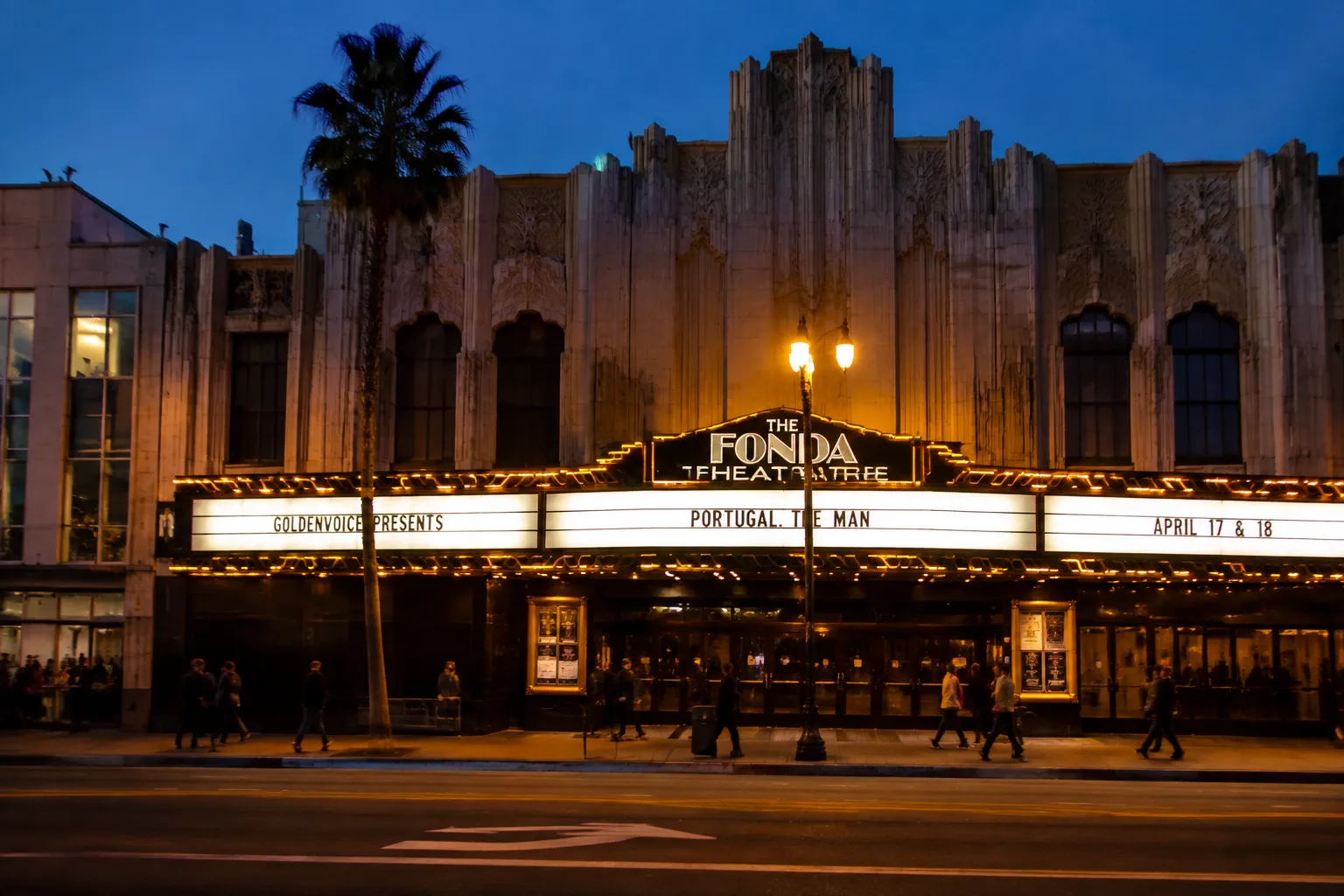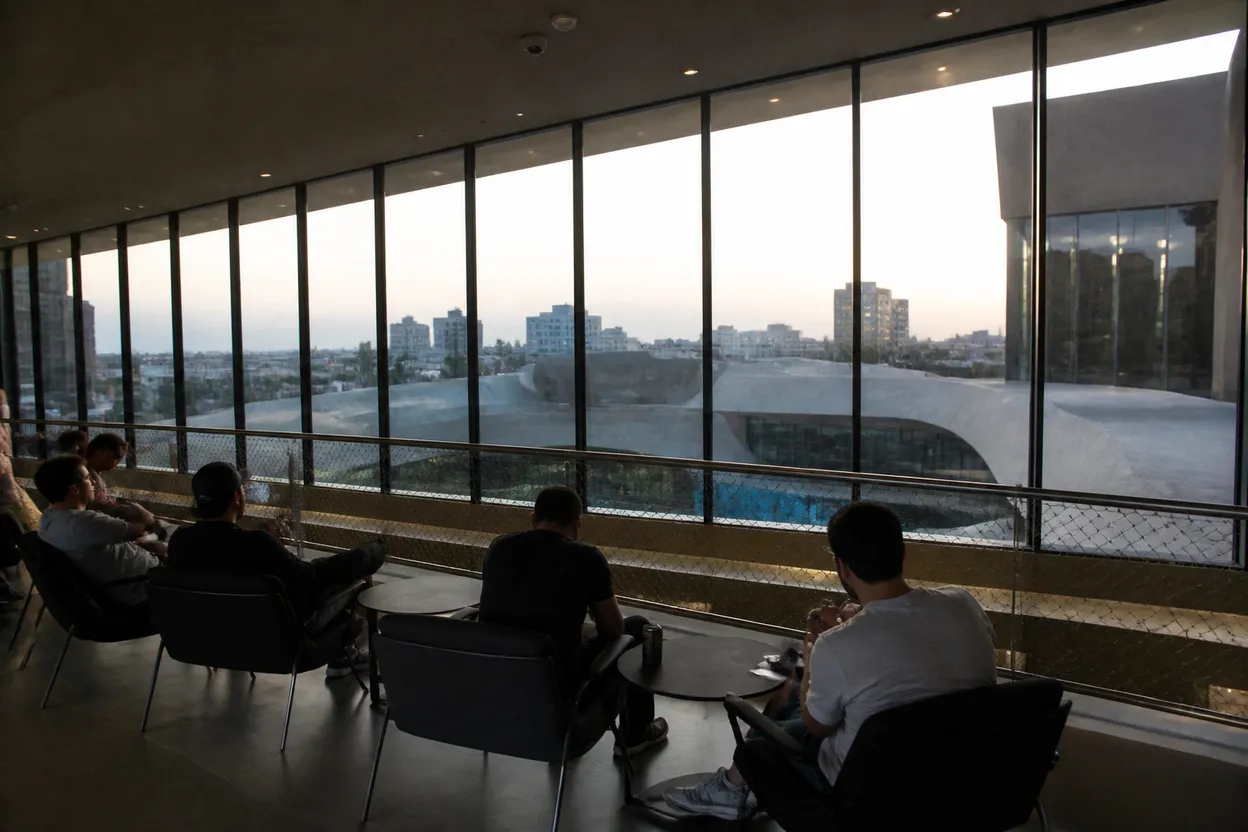
nfl games: Where Los Angeles Fans Can Watch Together starts with a simple LA truth: the city is too spread out, too event-heavy, and too neighborhood-specific to trust a vague “big screens everywhere” promise. As of Friday, August 7, 2026, the useful move is not chasing a rumored party; it is building a public, verifiable plan before you leave. Use official Los Angeles tourism resources to identify active neighborhoods, dining and bar areas, and city events that may affect crowding. Use LA Metro’s official tools for real-time arrivals, step-by-step directions, and service alerts. Then call the venue directly about what matters most: whether the exact game will be shown, whether sound will be on, whether seating is first-come, and what happens if the room fills.
Want a faster pregame check before you commit to a room across town? Text Karpo with your neighborhood, kickoff window, group size, and transit preference, and ask for a verification-first watch plan.

Confirm what fans can actually watch
Start with the broadcast question, not the vibe. A venue can have televisions, team décor, and a packed bar and still not be showing the specific matchup you want. Before you organize friends around nfl games, contact the business directly and ask for the exact game, the channel or feed they expect to use, whether that could change, and whether audio will be dedicated to that game or shared with music and other screens.
Keep your language precise. Ask, “Are you publicly showing this specific game at this time, and will sound be on?” Do not rely on an old social post, a fan comment, or a third-party event listing unless it links back to a current official page. If the answer is uncertain, treat the stop as a maybe, not the anchor of the night.
The same standard applies to citywide planning. Discover Los Angeles operates the official guide to Los Angeles and includes sections for Things to Do, Eat & Drink, Find Events, itineraries, tourist information, and neighborhood discovery. Use those official pages to understand what else is happening around town, then verify the watch-party details directly with the venue.
Choose the room by crowd energy
Los Angeles does not have one default football room. A Downtown plan, a Silver Lake plan, a Sherman Oaks plan, and a South Bay plan can feel completely different even if the game is the same. Discover Los Angeles highlights the city’s vibrant multicultural neighborhoods and lists areas such as Downtown, Hermosa Beach, Woodland Hills, Sherman Oaks, Universal City, Silver Lake, San Pedro, and Exposition Park as places to explore. Use that neighborhood spread as your first filter.
For a louder room, look for areas where dining, bars, and evening activity are already part of the local pattern, then verify the specific venue. For a calmer group, pick a neighborhood where your friends can arrive easily and where leaving early will not strand anyone. Do not assume a bigger room is better; it may mean longer waits, more standing, and more competition for sightlines.
Also check whether other official city events could be pulling traffic and attention nearby. Discover Los Angeles publishes upcoming events and weekend activity guides, and those listings can help you spot a night when concerts, cultural events, restaurant promotions, or major entertainment listings may add pressure to parking, rideshare pickup zones, and walk-up seating.
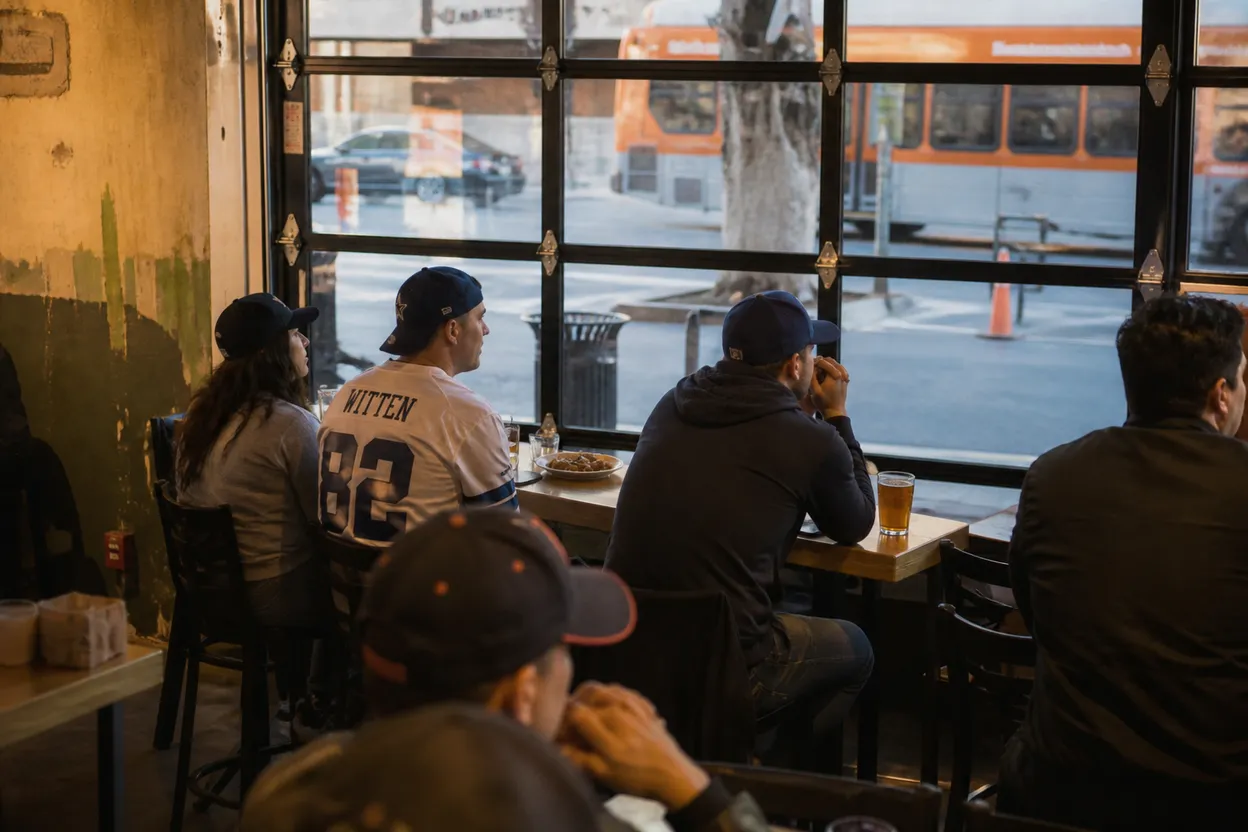
Call ahead about the exact screen and sound
The most useful call is short and specific. Ask which screen or area will show the game, whether the venue expects to keep that screen on for the full game, whether sound will be on at kickoff, and whether any other scheduled event could take priority. If they cannot confirm, thank them and keep the location as a backup rather than a promise to your group.
Ask about access without asking for special treatment. Confirm whether the room is open to the public, whether seating is first-come, whether a reservation is possible through the venue’s own process, and whether large groups are handled differently. Do not infer private access, affiliation, player appearances, team endorsement, or guaranteed entry from a watch-party label.
If your group includes visitors or fans meeting from different parts of LA County, get the venue’s cross streets and entrance details directly. In Los Angeles, being “near” a destination can still mean a confusing walk, a different side of the block, or a rideshare drop-off that is less convenient than expected.
Use transit and seating as tiebreakers
When two locations look equally good, choose the one with the simpler arrival and exit. LA Metro’s official site points riders to its app for real-time arrivals, step-by-step directions, and service alerts. It also says riders can pay fare by tapping a credit or debit card in plastic or digital form on buses or at train stations. Those are practical tools for a game-day plan, especially if your group is splitting up afterward.
Build your timing backward from kickoff. Check the route before you leave, add time for walking from the stop, and assume the last ten to fifteen minutes before kickoff will be the worst time to negotiate seating. If sound matters, arrive early enough to ask the staff where the best audio zone is rather than discovering at kickoff that your table is under a speaker playing something else.
Seating is not just comfort; it is risk control. A standing-room-only venue can be fun for one quarter and miserable for a full game. If anyone in your group needs easier access, less crowding, or a clearer exit path, make that part of the venue call. Official transit information can get you there, but the venue has to confirm the room conditions.
Keep a quieter second option nearby
A good Los Angeles watch plan has a Plan B within the same general area, not across the basin. If your first choice is full, too loud, not showing the right game, or has no sound, moving from Silver Lake to the Westside or from the Valley to Downtown may cost the whole first half. Pick a second public option before you leave and verify it the same way.
The backup does not have to be another high-energy room. It can be a quieter bar or restaurant where the game may be on but the crowd pressure is lower, provided the venue confirms the details. This is especially useful when official city event calendars show a busy weekend or when your group includes people who care more about conversation than chanting after every first down.
Keep the backup realistic: same neighborhood, reachable on foot, transit, or a short ride, and not dependent on a table that may vanish by kickoff. The point is not to create a perfect night on paper; it is to avoid standing outside a packed room refreshing maps while the game starts without you.

Recheck the plan on game day
Game-day conditions change. Recheck the venue’s official channels, call again if the answer matters, and confirm your transit route through LA Metro before leaving. The Metro site directs riders to real-time arrivals, directions, and service alerts, which are exactly the details that can turn a workable plan into a late arrival if ignored.
Also scan official Los Angeles tourism event listings before you go. Discover Los Angeles publishes city event information and weekend guides, and those pages can help you notice nearby activity that may affect crowds. This does not prove a watch party exists; it helps you understand what else may be competing for space, seats, and transportation.
Send your group one clean message: venue name, address or cross streets, kickoff time, arrival target, transit suggestion, what has been confirmed, and the backup. If any part is unconfirmed, say so. LA rewards the fan who verifies early more than the fan who trusts a flashy post.
Tags: #nflgames #LosAngeles #LAWatchParties #watch_parties #AskKarpo #BeforeYouGo #LAMetro #GameDayPlan #LAFootballFans #SportsBars #PublicEvents #TransitTips #CrowdCheck #PlanB
Sources consulted: discoverlosangeles.com · metro.net · laparks.org
All trademarks are the property of their respective owners.
Ask Karpo first
Ask Karpo first before crossing town for a supposed watch party. Share your starting neighborhood, group size, preferred arrival time, and whether sound matters, then compare official transit checks, venue confirmation, crowd risk, and a nearby backup before you go.