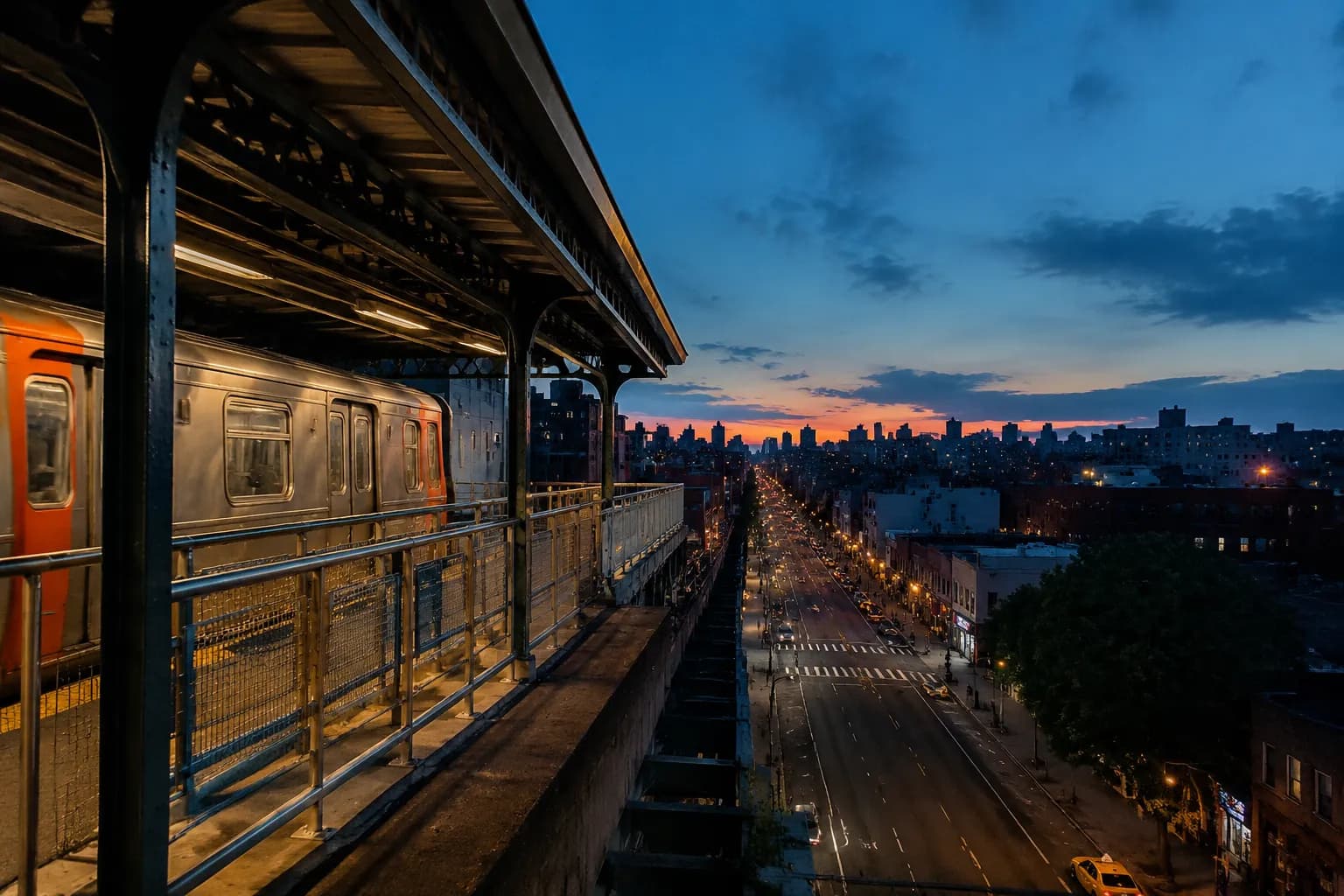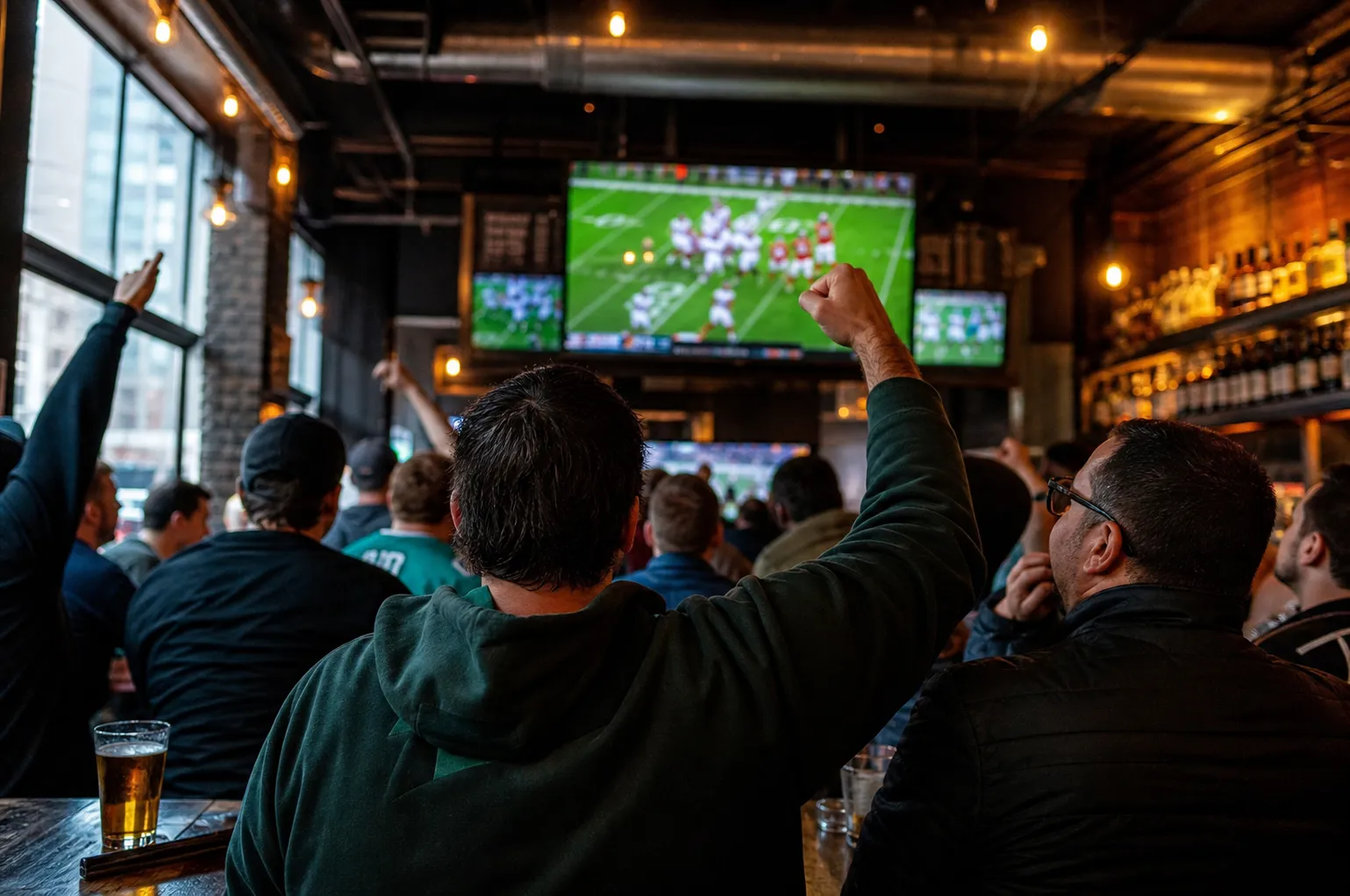
Planning around nfl games in NYC works best when the venue is chosen like a commute decision, not just a nightlife decision. For coworkers leaving the office on a Thursday or Sunday night, the strongest watch party setup is usually near a transit hub where late arrivals, early exits, and split routes are easy to manage. The goal is not to find the loudest room in the city. It is to match the group’s tolerance for crowd energy, the need to actually see the screen, and the likelihood that people will need different subway, rail, or bus connections afterward. Use official MTA tools for schedules, maps, fares, planned service changes, real-time alerts, nearby stations and stops, and elevator or escalator status before committing. For food-service venues, check NYC’s ABCEats restaurant search as part of basic due diligence.
Drop Karpo your starting station, team interest, budget, and crowd tolerance to choose an NYC NFL watch setup near transit that suits arrivals and exits.

Start With The Exit, Not The Bar
For an after-office watch party, the best first filter is how people leave, because that is when the plan usually frays. A place near a major subway or rail hub can reduce coordination work for coworkers coming from different neighborhoods, but only if the group agrees on the station area before choosing the venue type. A crowded sports bar may deliver the strongest social excitement, while a quieter restaurant-bar near the same hub may make departures and bill splitting easier. Ask each person for their likely homebound line or transfer, then choose a zone where nobody has to cross town after the game just to begin the trip home.
This exit-first method also helps with Thursday night timing. People may arrive in waves after meetings, then leave at different points depending on the score, the next workday, or service conditions. Before anyone books a table, check MTA schedules and maps for the relevant lines, then review planned service changes and real-time alerts close to game time. If accessibility matters for anyone in the group, add elevator and escalator status to the same check. The right venue is not simply close to transit; it is close to transit that still works for the actual people attending that night. That distinction keeps the plan easy rather than performative.

Screen Visibility Beats Screen Count
A venue can advertise a game-day feel without being a good viewing room for nfl games. Screen count matters less than sightlines from the seats your group can realistically get. For coworkers, avoid setups where half the table watches over someone’s shoulder or turns away from the conversation for every play. When calling or booking online, ask whether the specific game can be shown in the area where your group would sit, whether audio is expected to be on, and whether seating is fixed, communal, bar-height, or standing-heavy. None of those answers needs to be fancy; they just determine whether the group is watching together or merely sharing a loud room.
The key tradeoff is atmosphere versus clarity. A packed bar near a transit hub may be ideal for coworkers who want chanting, reactions, and big-play noise. It may be wrong for a mixed group that includes casual fans, new teammates, or people using the outing for networking. A room with fewer screens but cleaner viewing angles can create better retention for the social plan, because people stay involved without fighting the layout. Ask for the screen position relative to the table, not just whether the venue shows sports. If the answer is vague, keep the booking flexible and nominate a backup within the same transit zone.
Choose The Noise Level On Purpose
Noise tolerance should be decided before the venue is chosen, especially when the group is coworkers rather than close friends. Some people want the emotional lift of a packed room. Others want to talk, eat, and follow the game without shouting across the table. For a Thursday or Sunday night watch party, split the plan into three venue types: high-energy sports bar, balanced restaurant-bar, or low-key lounge-style spot with screens. The first maximizes social excitement, the second supports conversation and watching, and the third works when the game is a shared backdrop. Picking the type first prevents one person’s idea of fun from setting the wrong tone for everyone.
Noise also affects practical decisions like reservation size, arrival windows, and how long people stay. A loud venue can be excellent for a smaller group that wants instant energy after office hours, but it can exhaust a larger team trying to welcome newer colleagues. A calmer venue may feel less electric, yet it gives coworkers room to build trust, compare reactions, and leave without a dramatic group exit. When verifying, ask whether the venue expects game-night crowds, whether reservations are accepted for the viewing area, and whether the game audio will compete with music. Do not assume any policy is standard across NYC venues. Confirm it for that night.

Run The Transit Check Twice
Transit convenience is not a one-time assumption in NYC. The MTA’s public tools include schedules, maps, fares and tolls, planned service changes, real-time alerts, nearby stations and stops, accessibility information, and elevator or escalator status. Use those categories twice: once when selecting the transit hub and again on the day of the watch party. The first check tells you whether the location is broadly fair for the group. The second check tells you whether the plan still works under current conditions. This matters most on Sunday nights, when people may already be thinking about Monday morning and may have less patience for avoidable transfers.
A simple verification flow keeps the plan lightweight. First, identify the closest station or stop cluster to the venue type you want. Second, check whether key lines have planned work or alerts around arrival and departure windows. Third, confirm any accessibility needs before asking someone to commit. Fourth, share the exit plan in the calendar invite: nearest station area, backup line or route, and a note to recheck service before leaving. This is not overplanning; it is what makes an easy watch party feel easy. When transit is treated as part of the experience, coworkers can focus on the game and the group instead of negotiating logistics at the curb.
Verify The Venue Before The Invite Goes Wide
Before the invite reaches the full team, verify the details that can break a watch party: game availability, seating, screen view, reservation policy, minimums if any, food options, and whether the room suits the group’s noise preference. Do not infer availability because the venue has screens or because another game was shown there before. Ask about the specific matchup, date, and time. For restaurants or bars serving food, use NYC’s ABCEats restaurant search as a basic public check alongside your normal booking diligence. That does not replace calling the venue, but it adds one more grounded step before coworkers build their evening around the plan.
Keep the invitation clear without turning it into a project brief. Name the transit hub area, arrival window, expected noise level, and whether people can come late or leave early without disrupting the group. For mixed-interest coworkers, frame the plan as a social watch party rather than a mandatory sports event. That makes it easier for casual fans to join and for dedicated fans to know the game will still be visible. The best setup near NYC transit hubs is the one that removes friction: clear route, confirmed screen, suitable volume, and a backup nearby if the first venue changes its policy, fills up, or cannot show the game.
Tags: #NYCwatchparties #NFLviewing #transitfriendlyplans #coworkeroutings #Thursdaynightfootball #Sundaynightfootball
Sources consulted: Source 1: nycgovparks.org · Source 2: new.mta.info · Source 3: nypl.org · Source 4: a816-health.nyc.gov
All trademarks are the property of their respective owners.
Ask Karpo first
Ask Karpo to turn this NYC idea into a current plan for your date, budget, companion, transit preference, and energy level. Karpo can narrow the route and flag what to verify before you go.