San Francisco can make a football night feel easy until one missing detail breaks the plan: the game is not on, the sound is elsewhere, a private party has taken the main room, or the transit route you counted on is delayed. Treat nfl games as a reason to build a verified city plan, not as proof that any specific bar, plaza, park, or venue is hosting what you want. Start with the matchup and kickoff time, then confirm the room, screen, sound, access rules, and transportation before you commit. This guide does not promise a watch party or endorse a venue. It gives you a practical San Francisco checklist using official city transportation tools, day-of alerts, and a backup-first mindset.
Want a second set of eyes before you head out? Text Karpo with your neighborhood, kickoff time, and backup preference, and we’ll help you pressure-test the watch-night plan.

Confirm what fans can actually watch
Before choosing a room, confirm the basics in this order: the game, the kickoff window, the channel or platform the venue says it can show, and whether the venue plans to prioritize that game over other programming. Do not assume that a place showing one football broadcast will show every game, and do not treat a social post, old listing, or friend’s memory as current confirmation. If the venue has an official website, phone number, or same-day social channel, use that first.
Ask direct questions: “Will you be showing this specific game at this time?” “Will the main screen carry it?” “Will the sound be on?” “Is any part of the room reserved?” Those questions matter more than broad claims like “sports bar” or “game-day atmosphere.” For nfl games in particular, overlapping matchups can split screens and attention, so the exact game is the detail to verify.
If your plan involves a public park, recreation area, or civic space rather than a business, check the relevant official page before relying on it. The San Francisco Recreation and Park Department site should be treated as the place to verify changing public-space details, closures, permits, and use conditions before you build a watch plan around an outdoor stop.
Choose the room by crowd energy
San Francisco watch nights work best when you choose the room for the kind of crowd you actually want, not just the closest screen. A high-energy room is useful if you want noise, chants, standing-room moments, and a bigger shared reaction. It is a poor fit if you need easy conversation, low sensory load, or a reliable seat. A quieter room may feel less electric, but it can be the smarter choice for mixed groups, families, or anyone who wants to follow the game without fighting the room.
Use a three-tier plan. Tier one is your preferred room, where the screen and sound are most likely to match your priorities. Tier two is a walkable or short-transit alternative with a lower crowd risk. Tier three is the simplest fallback: somewhere you can eat, regroup, or leave from easily if the first two options fail. This approach keeps the night flexible without pretending that any watch party is guaranteed.
Crowd energy also affects arrival time. If the venue confirms the game but will not confirm seating, assume the risk rises near kickoff. If sound matters, arrive early enough to notice whether the room is drifting toward another event, another sport, or a private reservation. The best time to solve that problem is before ordering, not after the first quarter.
Call ahead about the exact screen and sound
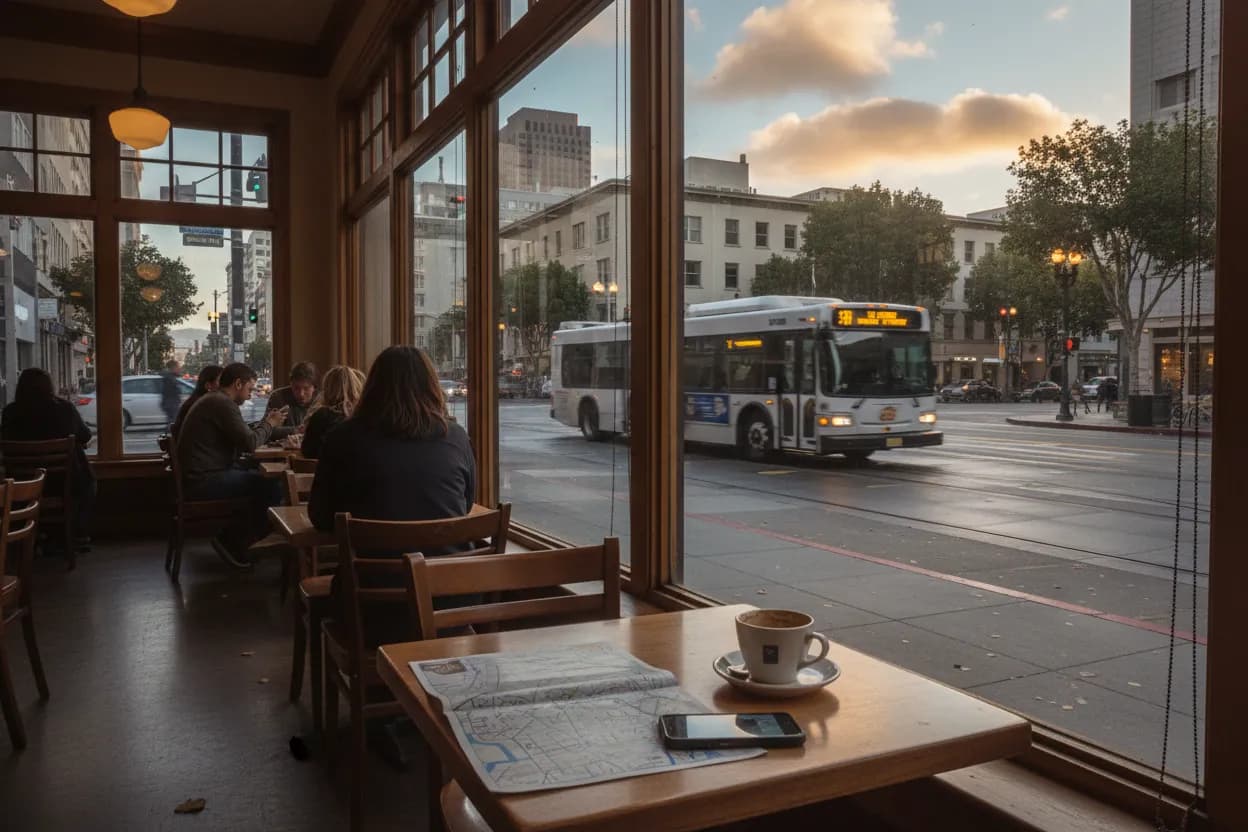
A phone call is still the most efficient verification tool for a San Francisco viewing night. Online listings can lag, and a venue’s normal setup can change for staffing, reservations, equipment issues, or competing events. Keep the call short and specific: name the game, name the time, ask whether it will be on a primary screen, and ask whether game audio is expected. If the answer is vague, treat that as uncertainty rather than confirmation.
Sound is the detail most likely to disappoint fans. A room can have several screens and still keep music, another game, or a private event on the speakers. Ask whether the venue expects to use full-room audio, partial-room audio, or no audio. If the staff cannot promise it, decide whether the visual alone is acceptable. That decision should happen before the group commits to crossing town.
Also ask about access conditions that affect the evening without requiring the venue to make promises: whether reservations are being used, whether a large group should arrive early, whether any area is closed for a private event, and whether the venue expects unusual demand. Do not pressure staff for guarantees. You are trying to reduce avoidable surprises.
Use transit and seating as tiebreakers
Once two rooms look equally promising, use transit as the tiebreaker. SFMTA’s official site provides a Trip Planner with options for Muni, walking, biking, driving, and parking, along with information on Muni routes and stops. Build the trip from your real starting point to the venue and then build the return trip separately. A route that works before kickoff may feel different late at night, in bad weather, or after a crowded finish.
Check SFMTA alerts and Travel & Transit Updates before leaving. The official SFMTA homepage shows service alerts, and the extract available for this article included an example of a reroute around Mission and 26th due to SFFD activity, plus a notice that Muni service changes start August 29. Those examples show why day-of verification matters: city movement is not static, and a good watch plan should adapt to current conditions.
Seating belongs in the same decision as transit. A venue near an easy Muni connection is less useful if your group cannot sit, hear, or see. Ask whether seating is first come, first served, and decide how much standing you can tolerate. If anyone in the group needs elevator information or step-free routing, check SFMTA’s official accessibility resources and Muni Metro Elevator Status before finalizing the route.
Keep a quieter second option nearby
Your backup should not be an afterthought on the other side of town. Choose a second option that is close enough to use after one failed attempt, ideally without resetting the entire night. A good backup is not necessarily another loud sports room. It can be a calmer place where the group can eat, check the score, decide whether to move again, or call the night without frustration.
San Francisco’s neighborhood pattern makes this practical, but only if you plan it before leaving. Use SFMTA’s route and stop information to compare walking time, Muni access, biking feasibility, or taxi pickup comfort between option one and option two. If your first choice depends on a crowded corridor or a single route, give the backup a different access path so one delay does not spoil both choices.
The quieter option also helps with group dynamics. Not everyone wants the same crowd energy for football, and some fans care more about the game while others care more about a comfortable night out. Tell the group in advance what triggers the backup: no confirmed screen, no sound, no seating, excessive crowding, or a transit alert that makes the return trip harder than expected.
Recheck the plan on game day
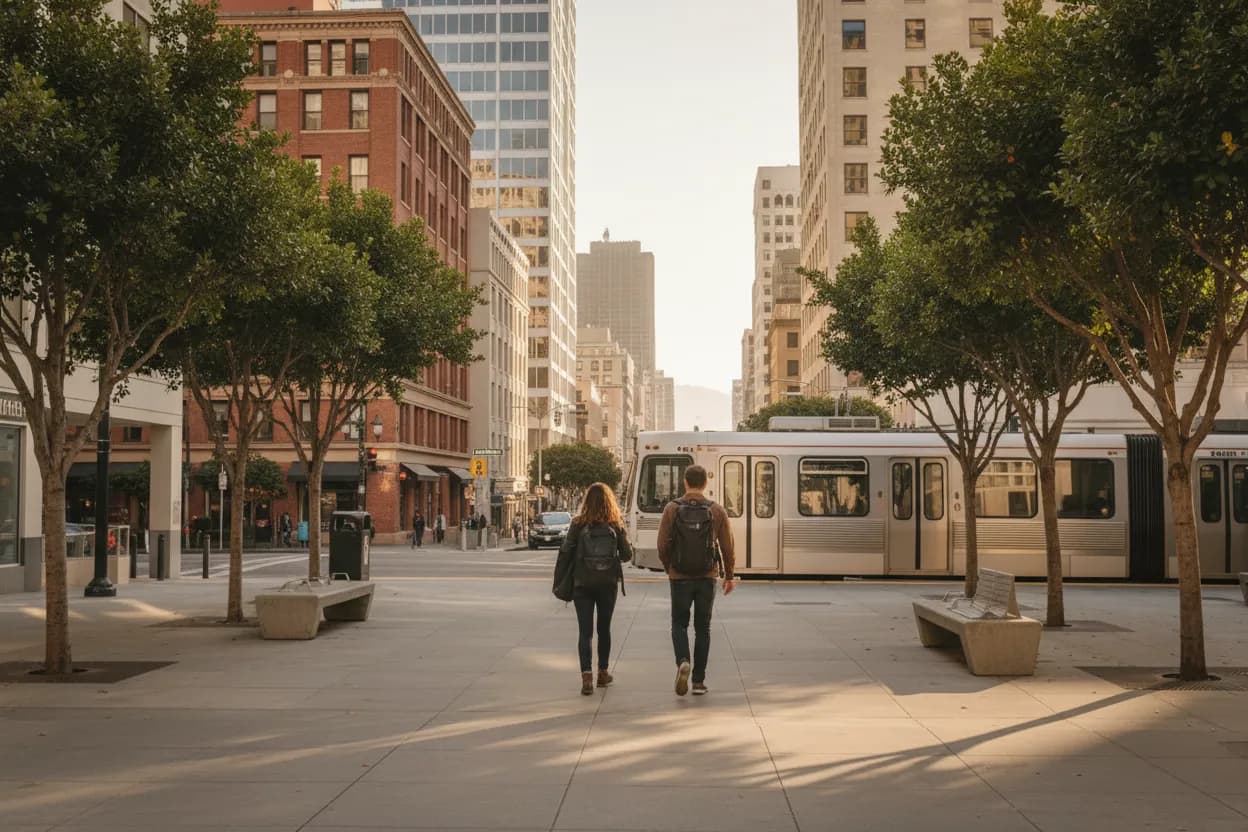
On game day, recheck every detail that can change. Confirm the game and time with the venue, look again at SFMTA alerts, and review the route home. If your plan touches a public recreation space, verify the official San Francisco Recreation and Park Department page for current conditions before relying on it. If you are visiting from outside the city or coordinating a mixed group, send one concise update with the destination, arrival window, backup, and transit note.
Do not overbuild the plan. The goal is not to create a rigid itinerary; it is to remove the predictable failure points. A strong San Francisco viewing plan answers five questions before anyone leaves: What are we watching? Where is it confirmed? How are we getting there? What could make the room unusable? Where do we go next?
If the answer to any of those questions is weak, adjust early. Pick the room with the most current confirmation, the simplest return path, and the clearest backup. That is the difference between chasing hype around nfl games and actually having a workable night in the city.
Tags: #SanFrancisco #nflgames #WatchParties #GameDayPlan #SFMTA #Muni #TransitCheck #SportsNight #FootballFans #BayArea #CrowdCheck #BackupPlan #AskKarpo #BeforeYouGo
Sources consulted: sftravel.com · sfmta.com · sfrecpark.org
All trademarks are the property of their respective owners.
Ask Karpo first
Ask Karpo first before you cross town for a screen someone only “heard about.” Send the matchup, neighborhood, preferred crowd level, and transit starting point. We’ll help you check the weak spots: confirmation, sound, route risk, seating assumptions, and the closest realistic backup.