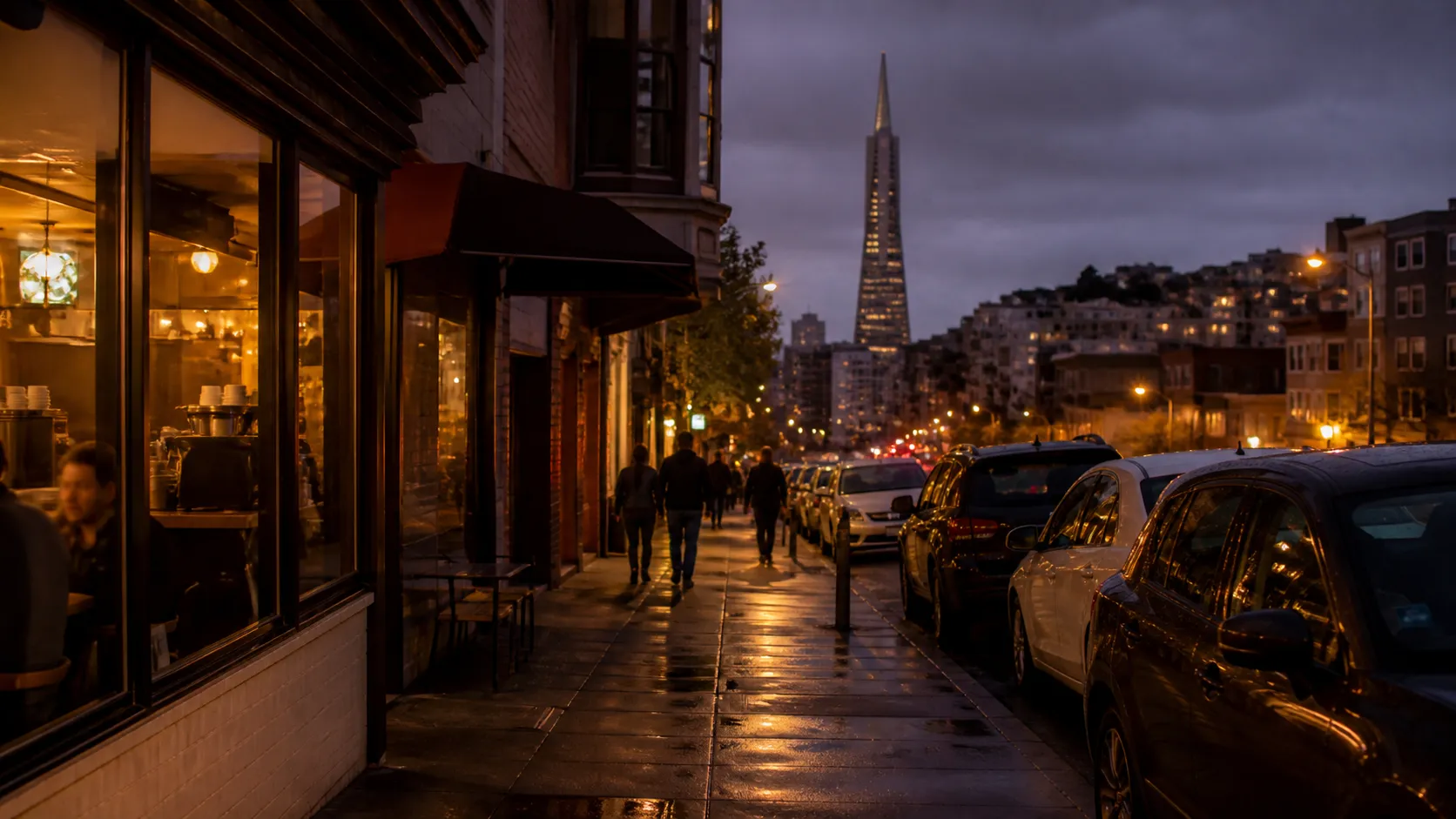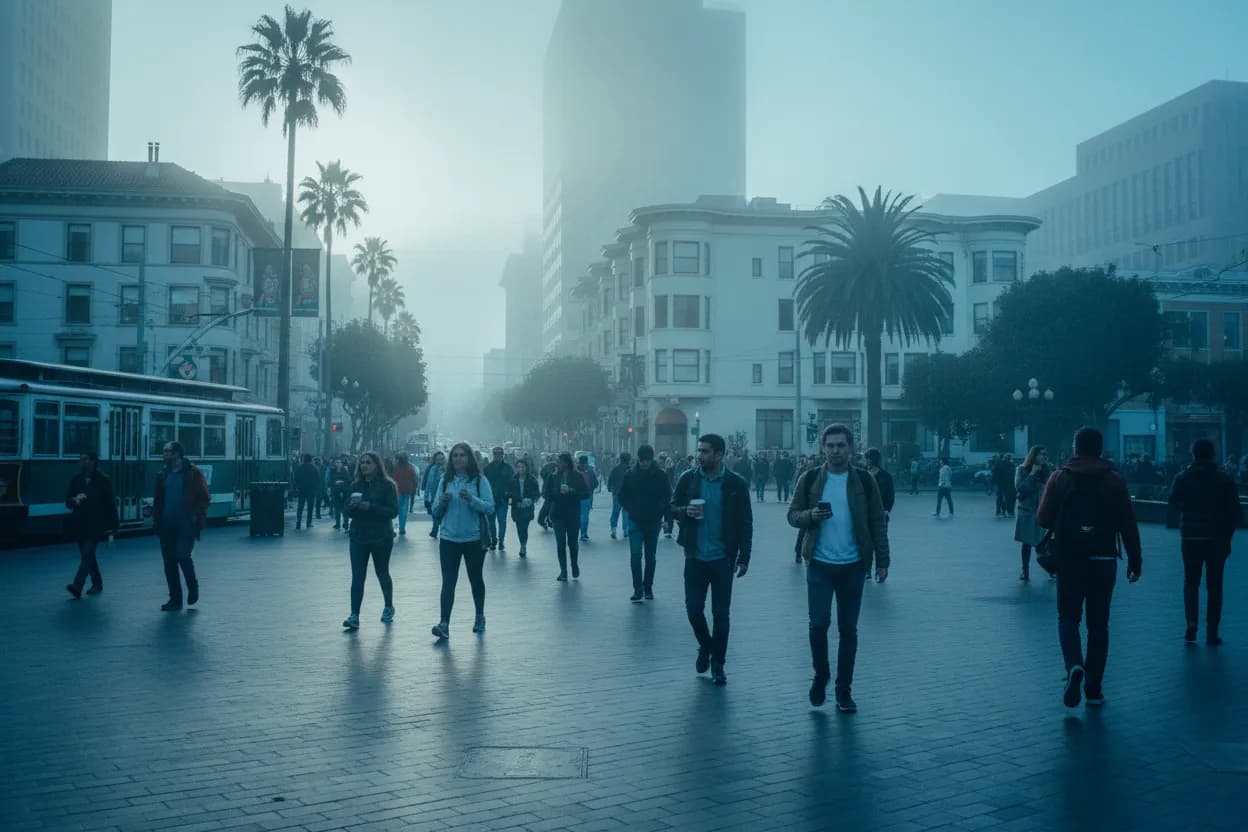
San Francisco is good at turning a sports conversation into a full social afternoon, but the smart version starts with verification, not hype. If nfl is the search hook that gets your group talking, treat it as the reason to organize—not as proof of a local appearance, official affiliation, private access, or guaranteed event. The city plan should be public, flexible, and easy to abandon if official details do not line up. That means checking transportation before leaving, confirming any recreation details on the appropriate official page, giving beginners a role, and choosing a backup that still works if crowds, delays, or access issues appear. The goal is simple: meet people, move through San Francisco safely, and avoid building the day around an assumption.
Want a quick sanity check before you invite the group? Text Karpo with your meeting area, preferred travel mode, and backup idea, and ask what still needs official verification.

Turn the sports interest into a social plan
Start by separating the conversation from the claim. Someone mentions nfl, a group chat gets active, and suddenly people are talking as if there must be a confirmed local happening. Do not let that leap set the plan. Make the gathering about a public sports-social outing in San Francisco: meet, play casually or watch together where allowed, then move to a second stop only if the first one works.
A useful plan has three parts: a verified meeting point, a transit method that works for the whole group, and a fallback that does not depend on one specific screen, field, court, table, or schedule. If any part depends on changing information, mark it as something to confirm on the official source before anyone leaves home. This keeps the plan honest and prevents one enthusiastic message from becoming a false promise.
Keep the invite language plain. Say that the group is using the current sports conversation as a reason to get together, not that San Francisco is hosting anything special unless an official page says so. That protects the host, helps late joiners understand the limits, and makes it easier to change course if transportation alerts, crowding, or access constraints appear.
Choose participation or spectating first
Before choosing a location, decide whether the group wants to participate or spectate. Participation might mean a casual public recreation meetup, light drills, a walk between neighborhoods, or a low-pressure game format. Spectating means the group is mainly gathering to follow sports conversation together. Those are different plans, and mixing them without agreement is how beginners get stranded and organizers overpromise.
For participation, keep the format simple and nonexclusive. Avoid language that implies a reserved field, official league space, or guaranteed equipment unless you have confirmed it through the relevant official channel. Because the San Francisco Recreation and Park Department site is the appropriate place to verify changing recreation details, treat anything involving public recreation space as unconfirmed until checked there directly.
For spectating, avoid assuming broadcast availability, seating, private rooms, or any affiliation. If the gathering is at a public-facing business or venue, the organizer should verify access, hours, and viewing setup directly with that venue before sending firm instructions. The public city plan still matters: where people meet, how they arrive, and what they do if the first option is too crowded.
Match the venue to the group energy
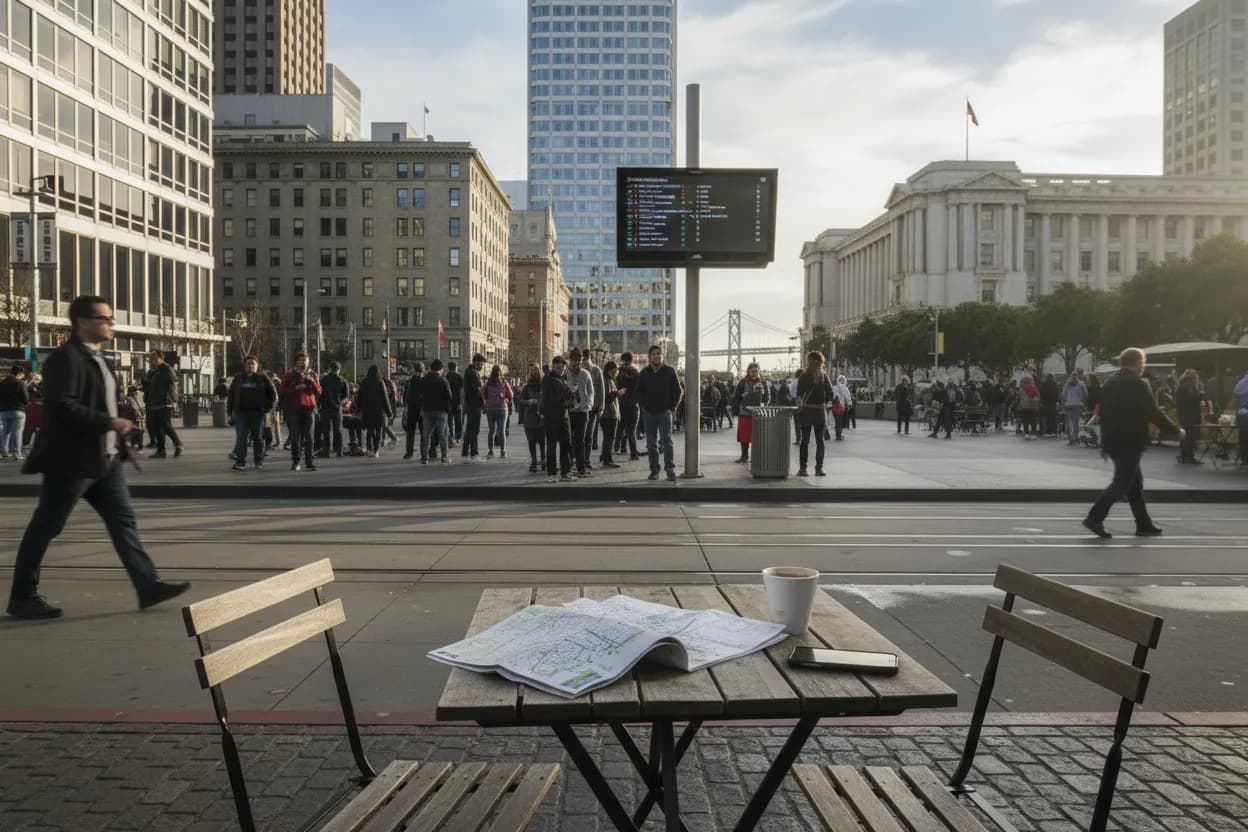
San Francisco rewards a realistic match between group energy and setting. A loud, mobile group needs a different plan than four friends who want a calm conversation. Pick the area by behavior first: will people be carrying gear, arriving by Muni, walking between stops, or needing an accessible route? The official SFMTA site is built around getting around the city by Muni, bike, walk, drive, taxi, and accessibility options, so use it before committing.
Do not make the most fragile detail the center of the day. If the entire plan depends on one exact outdoor space being open and comfortable, one route running normally, or one indoor spot having room, you have not built a social plan; you have built a gamble. A better structure is a primary gathering area plus a nearby backup concept that still fits the group’s energy.
Crowd risk deserves its own check. San Francisco events, construction, service changes, and emergency activity can affect movement without much notice. SFMTA’s homepage highlights alerts, travel and transit updates, Muni routes and stops, maps, and elevator status. Use those tools to decide whether the chosen area is sensible for the group on the actual day, not just attractive in theory.
Plan equipment seating and transit early
Equipment and seating are where casual plans often fail. If people are bringing balls, layers, water, portable seats, or mobility aids, the route matters. A short walk on a map can feel different with gear, hills, wind, or a mixed-ability group. Do not promise storage, seating, shade, restrooms, or field access unless the official source or the venue has confirmed it.
Use SFMTA’s trip planner and route information before the invite goes out, then check again shortly before departure. The site provides tools for Muni, walking, biking, driving and parking, taxi, and accessibility planning. It also lists alerts and travel updates, including service changes and elevator status. Those details can change, so the final message should say what was checked and when.
Transit planning should include a meet-up rule. Choose whether the group waits at the first stop, meets at the destination, or splits into arrival waves. If someone is new to the city, do not simply send a neighborhood name. Send the official transit link or clear instructions to verify the route themselves. For drivers, avoid claiming parking availability. Say only that anyone driving should check current parking and street conditions through official or direct sources.
Keep beginners from feeling stranded
A sports-social plan should not punish people who are new to the sport, new to San Francisco, or new to the group. If the gathering is participatory, state the expected intensity in ordinary language: casual toss, beginner-friendly movement, watching-first, or competitive play only if everyone agrees. Do not let the nfl theme turn into pressure for people to perform.
Give beginners a non-athletic role that still counts. Someone can handle the transit check, keep the backup location in the chat, watch bags where appropriate, coordinate the departure wave, or make the call if the first stop feels too crowded. That turns uncertainty into shared responsibility instead of leaving one organizer to improvise.
Accessibility is not an afterthought. SFMTA provides accessibility information and Muni Metro elevator status, so use those official tools when planning for anyone who may need step-free routing or more predictable transfers. If a recreation space, venue, or business has its own access rules or limits, verify directly before sending the group. The respectful plan is the one that lets people opt in with accurate information.
Verify schedules before leaving
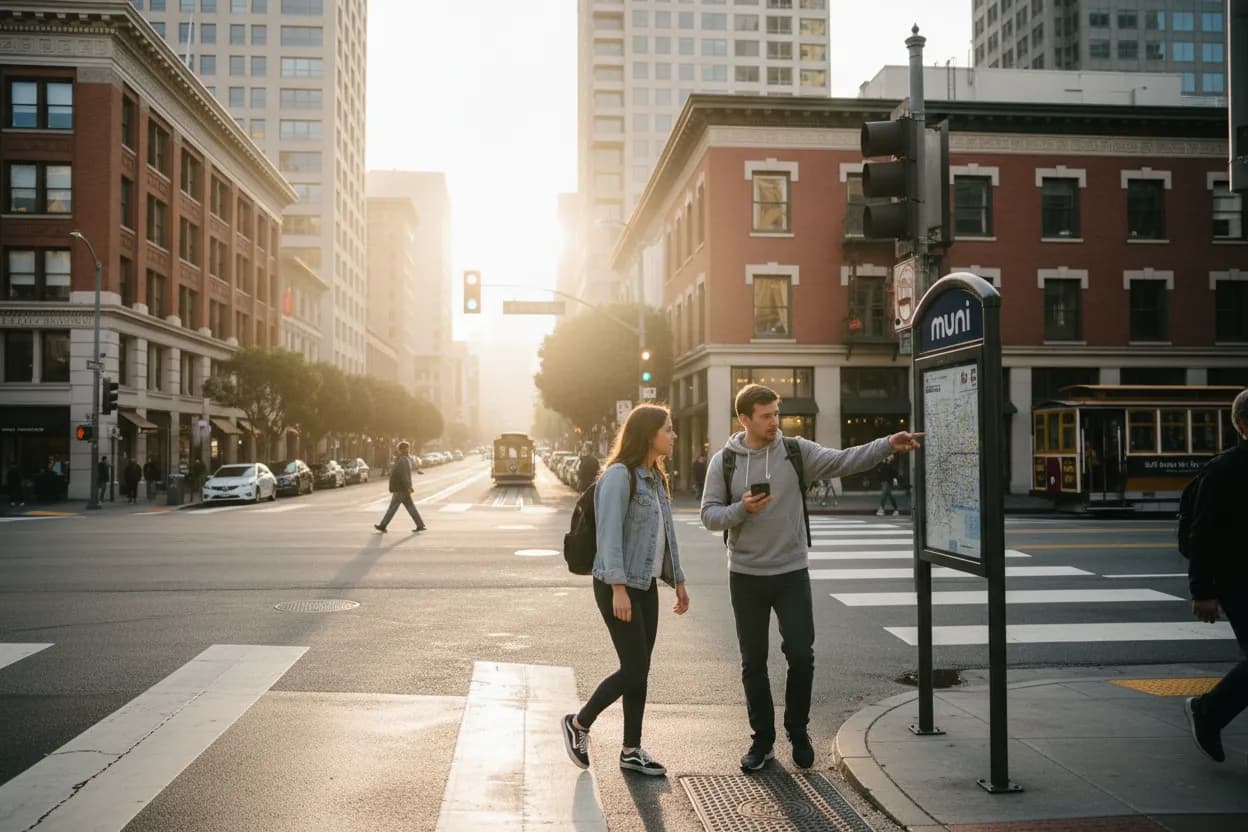
The final check should happen close to departure, not the night before only. Look at SFMTA alerts, the trip planner, route and stop information, travel updates, and elevator status if relevant. If the outing involves public recreation details, verify the current information through the San Francisco Recreation and Park Department site. If it involves a private venue, contact that venue directly for current access, hours, seating, and any restrictions.
Send one concise final message to the group: the meeting time, the verified transit approach, what remains unconfirmed, what to bring, and the backup choice. Avoid phrases like “guaranteed,” “official,” “reserved,” or “special access” unless you can point to an official source that says exactly that. A skeptical message may sound less exciting, but it is far more useful in a city where conditions can change block by block.
The backup should be close enough to use without restarting the day. It can be another public walking route, a lower-crowd meet-up point, or a plan to switch from participation to conversation. The point is not to remove all uncertainty; that is impossible. The point is to make sure one bad assumption does not waste the afternoon.
Tags: #AskKarpo #BeforeYouGo #SanFrancisco #SFTransit #Muni #SFMTA #SportsSocial #NFL #CityPlanning #PublicSpace #TransitCheck #CrowdAware #BeginnerFriendly #BackupPlan
Sources consulted: sftravel.com · sfmta.com · sfrecpark.org
All trademarks are the property of their respective owners.
Ask Karpo first
Ask Karpo first if the group chat is moving faster than the facts. Share the planned San Francisco area, travel mode, participation level, and backup idea, then ask what needs official verification before anyone leaves.