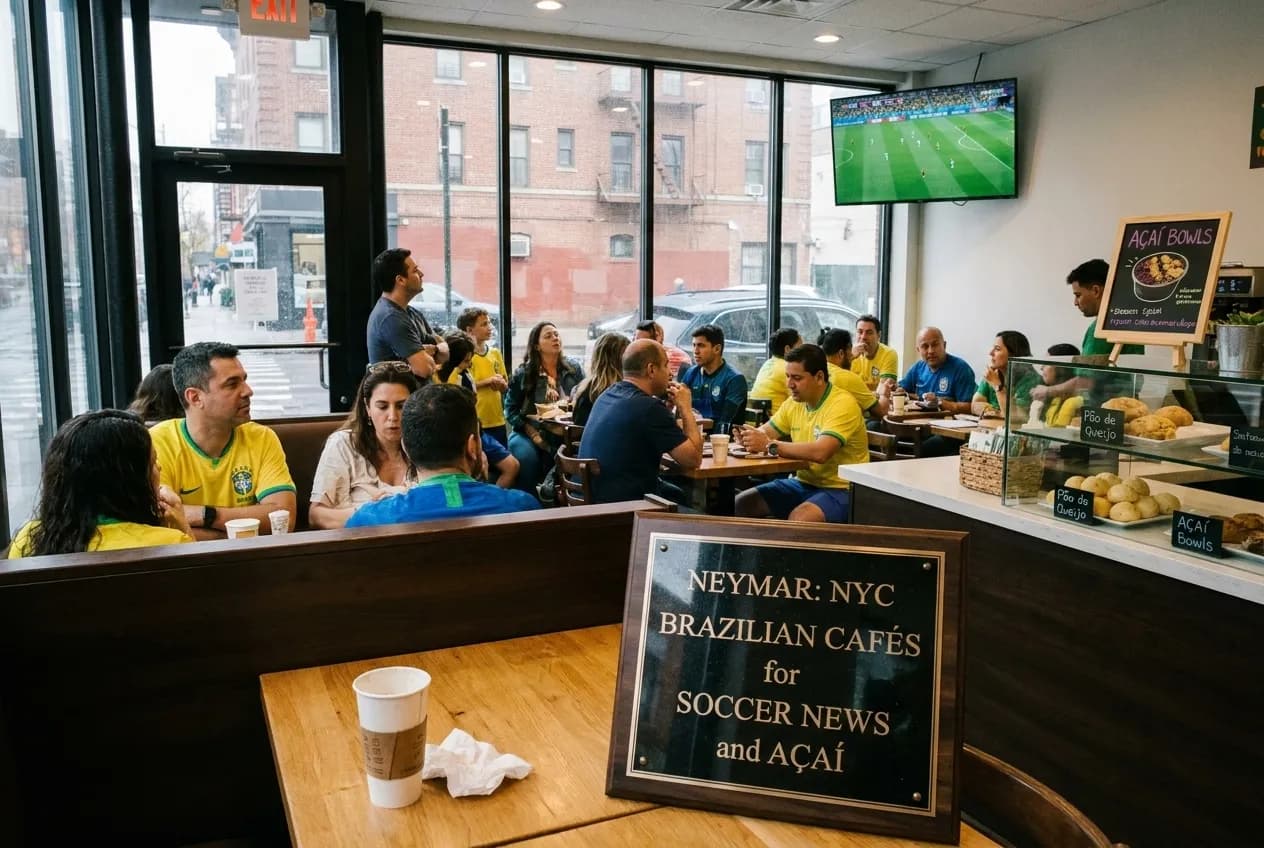
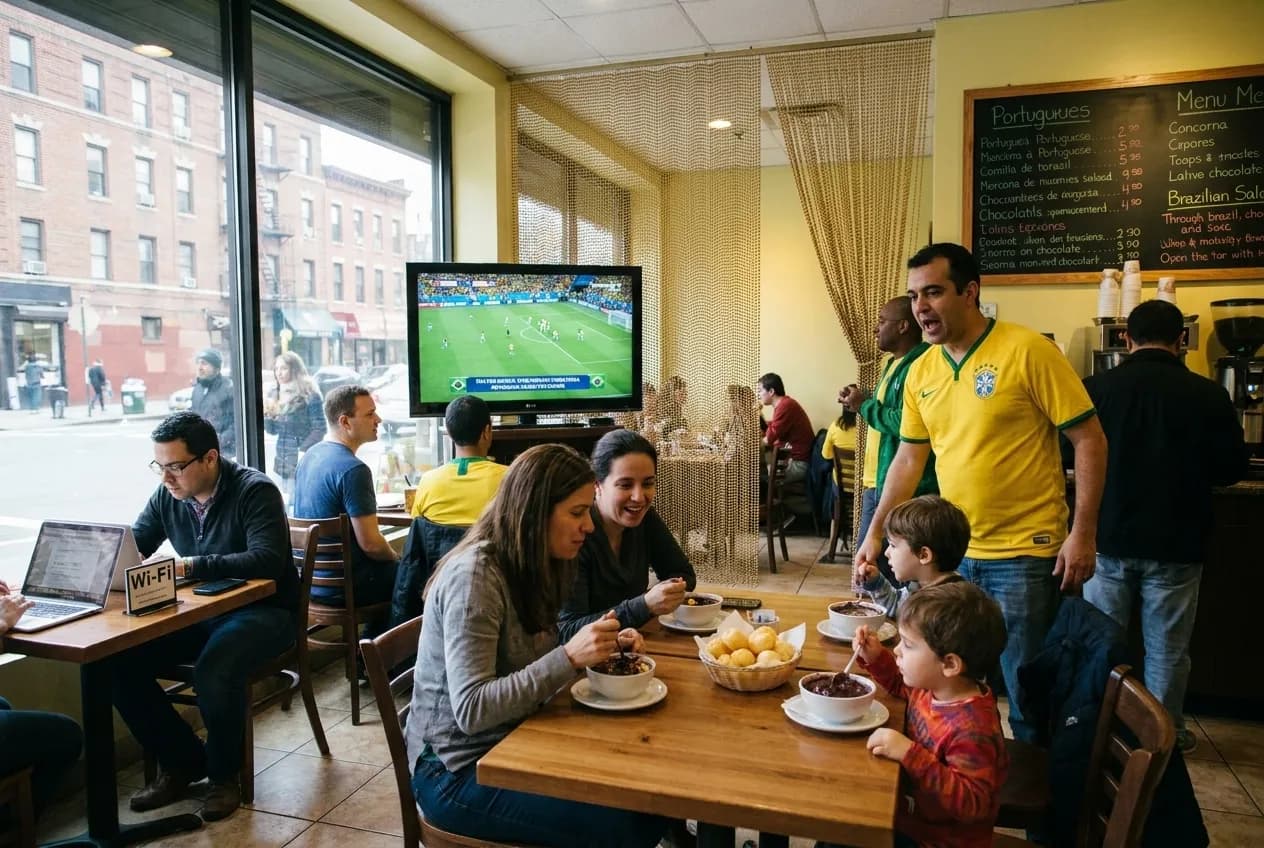
For Brazilian soccer fans craving a taste of home—whether you're following neymar's latest moves or simply missing the rhythm of Portuguese chatter over a warm pão de queijo—New York City's Brazilian café scene offers pockets of cultural connection scattered across Astoria, Newark-adjacent neighborhoods in Queens and northern New Jersey commuter zones, and select Midtown spots. These cafés double as informal community hubs where weekend mornings fill with families ordering açaí bowls, solo visitors streaming match replays on personal devices or café Wi-Fi, and groups debating formations over espresso. The challenge lies not in finding Brazilian food, but in identifying which establishments prioritize soccer culture, maintain reliable connectivity for live streams, welcome children without reservation, and employ staff who speak Portuguese fluently enough to make you feel less like a customer and more like a neighbor. This guide walks through the verification steps, neighborhood tradeoffs, and practical transit routes that turn a generic search into a successful visit, tailored for those who measure a café's value by both its coxinha quality and its willingness to change the channel when a match kicks off.
Text Karpo your borough, whether you want a café or full restaurant, if you need kid-friendly space, and your favorite Brazilian snack—we'll send three spots with confirmed açaí and soccer vibes, compare menus and seating, and suggest one backup juice bar with Brazilian options.

Neighborhood Tradeoffs: Astoria Density Versus Midtown Convenience
Astoria's Brazilian café concentration—particularly along 36th Avenue and Steinway Street—offers the highest density of Portuguese-speaking establishments, but requires tolerance for weekend crowding and limited seating during peak match windows. Cafés here tend to be smaller, family-run operations where regulars claim corner tables hours before kickoff, and newcomers may wait fifteen minutes for a spot near the screen. The upside is authenticity: staff recognize frequent visitors, menus include regional specialties beyond the standard açaí-and-cheese-bread duo, and the ambient language defaults to Portuguese. Reaching Astoria from Manhattan involves the N or W train to Astoria Boulevard or 36th Avenue stops, a straightforward route but one that adds thirty minutes each way compared to Midtown options.
Midtown Brazilian spots, clustered near Penn Station and the Garment District, trade cultural immersion for logistical ease and longer operating hours. These cafés cater to a mixed clientele—Brazilian expats, curious tourists, office workers—so English dominates even when Portuguese is spoken behind the counter. Seating is more reliably available, Wi-Fi passwords are posted on walls rather than whispered to regulars, and weekday afternoon visits feel less like crashing a family gathering. The tradeoff is atmosphere: mounted televisions may show soccer, but you'll compete with financial news and muted pop music, and the crowd's investment in match outcomes varies widely. For solo visitors prioritizing convenience or those combining café time with other Midtown errands, this compromise often makes sense; for families seeking a Saturday ritual that feels like Rio, Astoria remains the stronger choice.
Verifying Soccer-Friendly Features Before You Travel
Not every Brazilian café prioritizes live sports, and assumptions lead to disappointment—especially when you arrive during a crucial qualifier only to find the television tuned to a soap opera or turned off entirely. Before committing to a trip, call ahead during business hours and ask three specific questions: whether they show live soccer matches (and if they take requests to change channels), whether Wi-Fi is available for customer streaming, and whether the space accommodates families with young children during weekend mornings. Phrasing matters; asking "Do you have Wi-Fi?" yields a yes-or-no answer, while "Can customers stream matches on their phones using your Wi-Fi?" clarifies bandwidth and policy. Some cafés restrict streaming to preserve bandwidth for point-of-sale systems, others welcome it, and a few offer neither Wi-Fi nor live television, relying instead on radio commentary.
Check recent online reviews for mentions of specific matches or tournaments—phrases like "watched the Copa América semifinal here" or "they switched to the Brasileirão game when I asked" signal genuine soccer culture rather than incidental Brazilian theming. Note whether reviews mention Portuguese-speaking staff by name or describe conversations in Portuguese; this indicates comfort level for non-English interactions. For families, look for mentions of high chairs, kid-friendly menu items, or tolerance for noise—some cafés welcome children enthusiastically, others cultivate a quieter adult atmosphere. If you're planning a visit around a major match, ask whether they take reservations or operate first-come-first-served; popular games fill tables quickly, and showing up ten minutes before kickoff often means standing room only or no room at all.
Açaí Bowl and Pão de Queijo Quality Signals
Açaí quality varies dramatically across Brazilian cafés, and the difference matters if you're seeking comfort food rather than trendy health fare. Authentic preparation uses unsweetened frozen açaí pulp blended thick enough to eat with a spoon, topped with granola, banana, and optional honey or guaraná syrup—not the sorbet-thin, pre-sweetened versions common in generic smoothie chains. Visual cues help: if the menu lists açaí bowl sizes in milliliters (300ml, 500ml) rather than small/medium/large, the café likely sources from Brazilian suppliers. If the description mentions guaraná powder or tapioca as topping options, the kitchen understands regional preferences. Price also signals authenticity; bowls under eight dollars in 2026 NYC often rely on cheaper substitutes, while twelve-to-fifteen-dollar bowls in Astoria or Midtown reflect imported pulp costs.
Pão de queijo—cheese bread—should arrive warm, with a crisp exterior and chewy, stretchy interior; room-temperature or reheated versions lose the textural contrast that defines the snack. Ask whether they bake throughout the day or only during morning hours; cafés that bake in small batches every few hours signal commitment, while those relying on pre-baked frozen stock offer convenience over quality. Some establishments offer variations—pão de queijo recheado (stuffed with additional cheese, ham, or catupiry) or miniature cocktail-size versions—that indicate a menu designed for Brazilian customers rather than curious outsiders. Pair your order with a cafézinho (small, strong espresso) or a guaraná soda, and observe whether staff ask "açúcar?" (sugar?) before serving coffee; this small ritual marks cafés where Brazilian service norms persist.

Solo Versus Family Visit Dynamics
Solo visitors seeking a quiet corner to stream a match on a laptop or phone benefit from weekday afternoon windows—typically Tuesday through Thursday, 2 PM to 5 PM—when cafés are least crowded and staff more willing to accommodate seating preferences or channel requests. Bring headphones as a courtesy, even if you hope to watch on the café's main screen; this signals you won't monopolize communal space if other customers object. Midtown locations work better for solo digital nomads, offering reliable Wi-Fi and table turnover norms that make a two-hour stay with a single açaí bowl purchase socially acceptable. Astoria cafés, by contrast, often function as social spaces where solo laptop use during peak hours feels conspicuous; if you choose Astoria solo, aim for late morning (10 AM to noon) before the lunch rush.
Family visits thrive on weekend mornings—Saturday and Sunday, 9 AM to 1 PM—when Brazilian cafés expect multigenerational groups and adjust noise tolerance accordingly. Children drawn to açaí bowls and cheese bread rarely encounter menu barriers, and the presence of other families normalizes the chaos of toddlers and strollers. Astoria's family-friendly reputation is earned; many cafés stock high chairs without prompting and offer half-portions of menu items for children. Confirm table space when you call ahead—some smaller Astoria spots can't accommodate strollers comfortably, while Midtown locations often have wider aisles. If your family includes non-Portuguese speakers, Midtown's bilingual environment reduces communication friction, though Astoria staff generally switch to English when needed. The emotional payoff for homesick parents often peaks in Astoria, where overheard conversations and familiar music create a sensory bridge to Brazil that Midtown's efficiency can't replicate.
Public Transit Routes and Timing Considerations
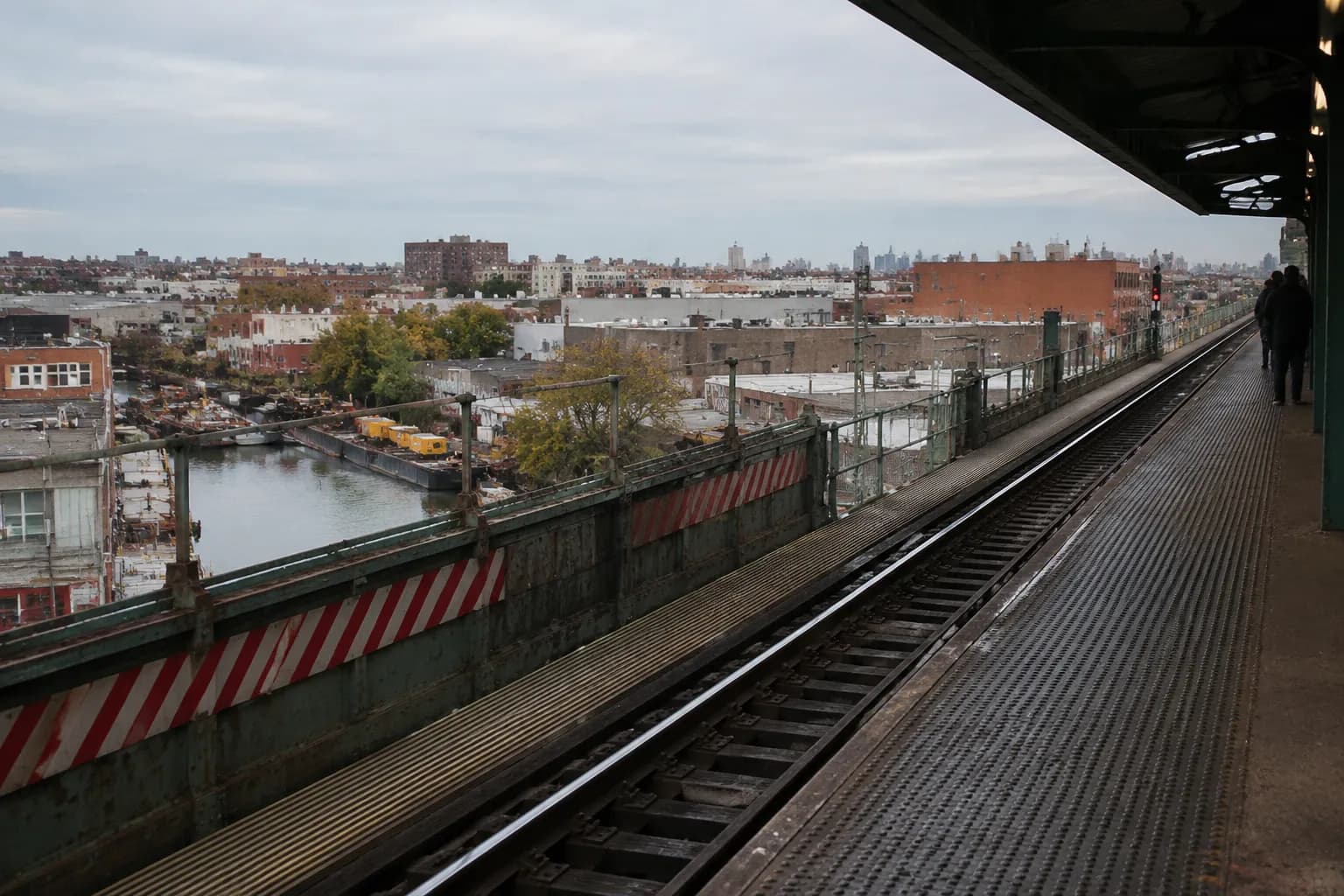
Reaching Astoria's Brazilian café corridor from Manhattan requires the N or W train to either 36th Avenue or Steinway Street stations, both on the Astoria Line. Weekend service changes—common on MTA lines throughout 2026—can add ten to fifteen minutes via shuttle buses or rerouted trains, so check the MTA's planned service changes page the night before your visit. From the 36th Avenue stop, walk west along 36th Avenue toward 31st Street; most Brazilian cafés cluster within a four-block radius. From Steinway Street, head south on Steinway toward 30th Avenue. Both walks take under ten minutes in good weather, but winter wind off the East River makes layering essential November through March. For visitors coming from Newark-adjacent areas in New Jersey, PATH trains to 33rd Street connect to the N/W lines, though the transfer adds another fifteen minutes.
Midtown Brazilian cafés near Penn Station are accessible via nearly every subway line and the LIRR, making them the default choice for visitors arriving from Long Island, Westchester, or outer-borough locations with limited direct service to Astoria. From Penn Station, most cafés lie within a six-block walk west toward Ninth or Tenth Avenue, or south toward the Garment District. This proximity to transit hubs also means higher foot traffic and faster table turnover, a benefit if you're visiting solo or on a tight schedule. For match-day visits, arrive at least thirty minutes before kickoff to secure seating; popular games—especially those involving the Brazilian national team or major clubs—fill even spacious Midtown cafés quickly. If your primary goal is cultural immersion and you have flexibility, the extra transit time to Astoria pays dividends in atmosphere; if you're squeezing a café visit between other commitments or traveling with mobility constraints, Midtown's accessibility wins.
Tags: #BraziliancafsNYC #AstoriaBrazilianfood #aabowlsNewYork #podequeijo #soccerstreamingcafs #Portuguesespeakingrestaurants #MidtownBrazilianbakery #familyfriendlycafs #culturalconnection #weekendbrunchspots
Sources consulted: Source 1: nycgovparks.org · Source 2: new.mta.info · Source 3: nypl.org · Source 4: a816-health.nyc.gov
All trademarks are the property of their respective owners.
Ask Karpo first
Ask Karpo to turn this NYC idea into a current plan for your date, budget, companion, transit preference, and energy level. Karpo can narrow the route and flag what to verify before you go.