 Dog Costume Parade Near Me in East Village: Boris and Horton
Free Things to Do

The Rose Main Reading Room on a Weekday Afternoon
Inside the New York Public Library's Beaux-Arts masterpiece, vaulted ceilings and natural light create an unexpectedly accessible refuge for focused work, quiet reading, and architectural contemplation.
The Rose Main Reading Room does not announce itself quietly. You climb the grand staircase, pass through the catalog room, and step into fifty-two feet of vertical space crowned by clouded-sky murals and chandeliers the size of sedans. Then the paradox settles in: a room this grand invites not awe alone but deep, uninterrupted concentration. It is free, open to the public, and reliably full of people doing exactly what the Carrère and Hastings design intended a century ago—reading, writing, thinking in silence.
A room built for light
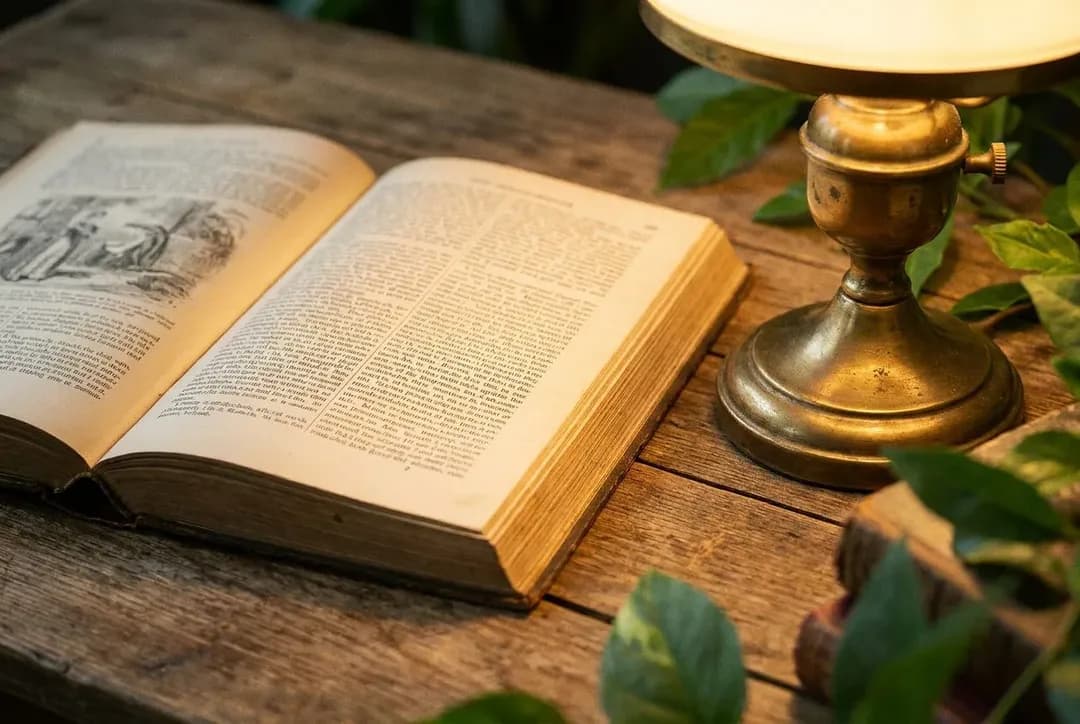
The architects placed eighteen arched windows along the north and south walls, each nearly twenty feet tall. In winter, when the sun tracks low across the southern sky, the tables positioned along those south-facing windows receive direct afternoon sunlight between two and four o'clock. These become the warmest spots in the room, both literally and atmospherically. The light pools onto oak tabletops, glows through laptop screens, and turns the brass reading lamps into redundant ornaments.
If you claim one of these seats on a February afternoon, you'll notice the quality of concentration shift. The warmth is physical enough to shed a sweater, and the natural light makes hours disappear without the fluorescent fatigue that plagues most work environments. It's the kind of detail that regulars know to seek out, and tourists stumble into by luck. The northern windows offer their own advantage—consistent, even illumination throughout the day without the direct heat, making them ideal for screen work that would otherwise battle with glare. Some writers and researchers develop fierce loyalty to one side or the other, returning to the same seat for years.
Timing your visit
The room operates on rhythms shaped by the city around it. Mornings tend toward quiet industry—the click of laptop keys, the whisper of page turns, the occasional muted cough. The stretch between ten in the morning and noon on weekdays is typically the quietest window, before the lunch hour ushers in larger crowds and a subtle uptick in ambient shuffle. Researchers settle in for long sessions. Freelancers spread out. The occasional retiree commands a corner table with a biography and a thermos.
After noon, the energy changes slightly. Tour groups pass through the perimeter walkway, pausing to photograph the ceiling. Office workers claim tables for an hour of focused escape. By mid-afternoon, especially in winter, the room reaches a pleasant equilibrium—busy enough to feel alive, spacious enough to disappear into your work. This is when the reading room functions best as a city guide staple: not as a museum piece to admire and exit, but as a working room to inhabit. Fridays carry a different quality altogether—slightly emptier, with longer stretches of uninterrupted silence as the city's rhythm shifts toward the weekend.
What the room asks of you
Silence is the social contract here, enforced by library staff and the collective will of a few hundred people trying to concentrate. Phones stay silent. Conversations, if they happen at all, are whispered negotiations over a shared table. Food is prohibited; water bottles are tolerated. The room expects you to arrive with intent—a book, a laptop, a notebook, a research question—and to respect the atmosphere that intent creates in aggregate.
You don't need to be a scholar or a member of anything exclusive. Access policies and library-card issuance details should be verified against current NYPL procedures; a process that takes ten minutes and requires only proof of address or a willingness to provide contact information. The card unlocks access to the research collections, but the reading room itself welcomes you regardless. Bring your own work. Bring a novel. Bring nothing but the desire to sit in a beautiful room and think.
The architecture reveals itself slowly
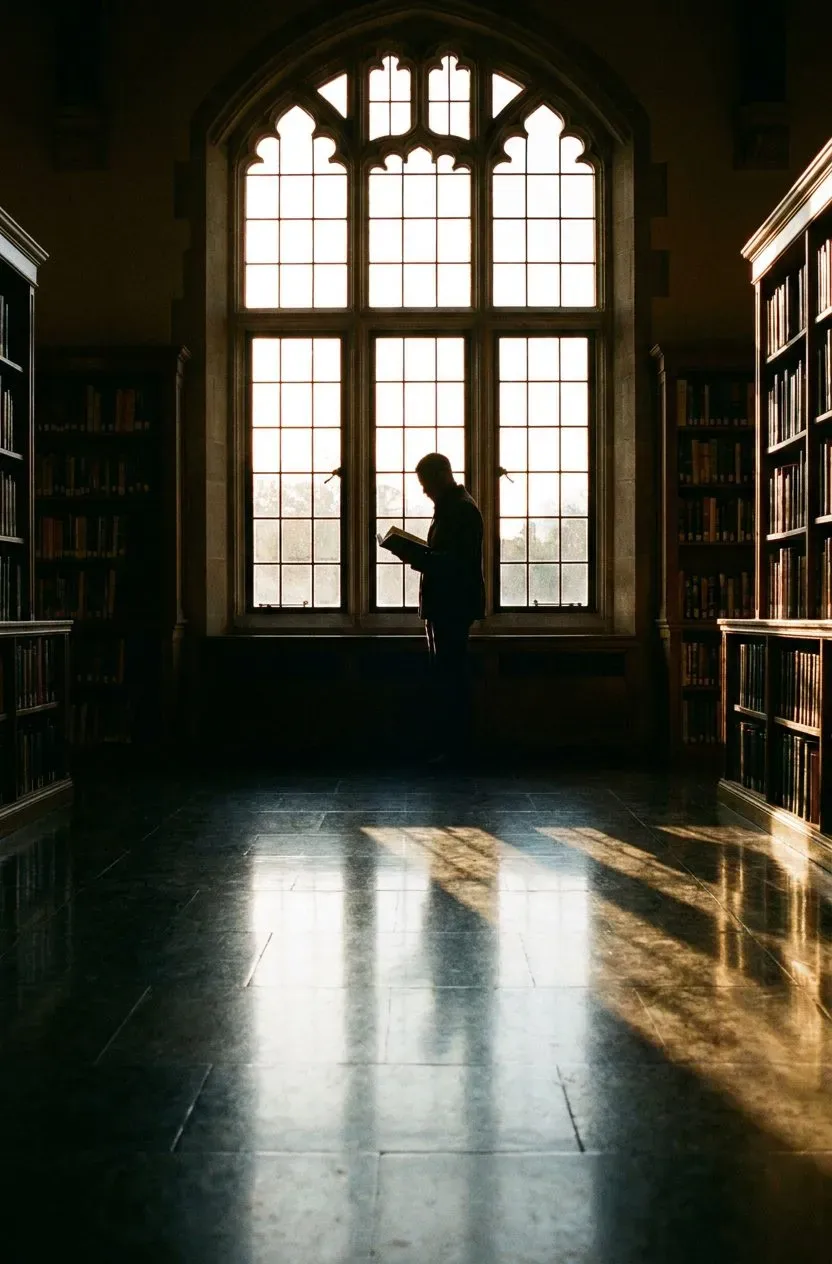
It's easy to photograph the room on arrival—the symmetry, the barrel-vaulted ceiling, the long sight lines—and assume you've absorbed it. But the space rewards slower looking. The ceiling murals, restored in 2016, depict clouds drifting across a cerulean sky, a trompe-l'œil gesture toward infinite height. The oak tables, each outfitted with individual reading lamps, run the length of the room in two parallel rows. The chandeliers hang on thick chains, their bronze patina catching afternoon light.
Spend an hour here and you'll notice details the initial sweep misses: the way sound behaves under the vaulted ceiling, absorbed rather than echoed; the variations in the wood grain of the tables, worn smooth by a century of elbows and books; the particular quality of light as it shifts across the murals, changing the perceived height of the room throughout the day. This is architecture designed not for the Instagram pass-through but for the long sit, the afternoon that stretches into evening, the return visit that becomes a habit.
Who shares the room with you
The reading room attracts a cross-section that defies easy categorization. Graduate students hunched over laptops. Older men reading newspapers on wooden holders. Novelists staking out favorite tables. Tourists who arrived for a photo and stayed for two hours because the atmosphere proved more compelling than the next stop on the itinerary. High school students working on research papers. Lawyers reviewing case files. People with nowhere else to go who need a warm, dignified place to spend the afternoon.
There is no velvet rope, no admission fee, no dress code. The democracy of the space is part of its power. You sit next to strangers engaged in their own private work, and the collective silence becomes a kind of unspoken collaboration. The room holds you all equally.
Beyond the reading room: Bryant Park as extension
When the intensity of focus needs a break, or when your water bottle runs dry and you need more than the fountain can offer, Bryant Park sits directly behind the library, accessible through the library's rear exit or via 42nd Street. The park functions as the reading room's outdoor counterpart—another public space that welcomes lingering, designed with the same democratic ethos. In warmer months, the park's movable chairs and small tables become open-air workstations where laptop batteries drain under the London plane trees. The park's lawn opens for readers sprawled on blankets, creating an informal extension of the library's mission into sunlight and fresh air.
Winter transforms the park into something else entirely. The seasonal shops and ice rink draw crowds, but the southeastern corner near the library remains relatively quiet, and the heated restrooms provide a practical amenity the library itself lacks on the main floor. This relationship between indoor sanctuary and outdoor respite gives the area around the library a particular rhythm—two hours of concentrated work inside, twenty minutes on a park bench with coffee, then back into the vaulted silence. The park's free WiFi matches the library's, creating seamless continuity for those toggling between spaces throughout the day.
Practical notes
The Rose Main Reading Room is in the Stephen A. Schwarzman Building at Fifth Avenue and 42nd Street; verify the exact floor/location wording before publication. Nearest subway stops include 42nd Street–Bryant Park (B, D, F, M) and Grand Central–42nd Street (4, 5, 6, 7, S). The library's hours should be verified against current NYPL schedules before publication; verify current schedules directly before planning a visit. The building is fully accessible via elevators. Bring a laptop, notebook, or reading material; lockers on the lower level accommodate coats and bags. Water bottles are permitted; food is not.
Tags: #RoseReadingRoom #NYPLMainBranch #NewYorkPublicLibrary #FreeAndFine #NYCCityGuide #BeauxArtsArchitecture #QuietSpacesNYC #MidtownManhattan #FifthAvenue #BryantPark #ReadingRoomNYC #UrbanSanctuary #WinterInNYC #LibraryLife #NYCLandmarks
All trademarks are the property of their respective owners.
Ask Karpo for more information.
Keep reading
- Dog Costume Parade Near Me in East Village: Boris and Horton
 Dog Costume Parade Near Me in Astoria: Château le Woof
 Dog Costume Parade Near Me on Upper West Side: Black Lab Cafe