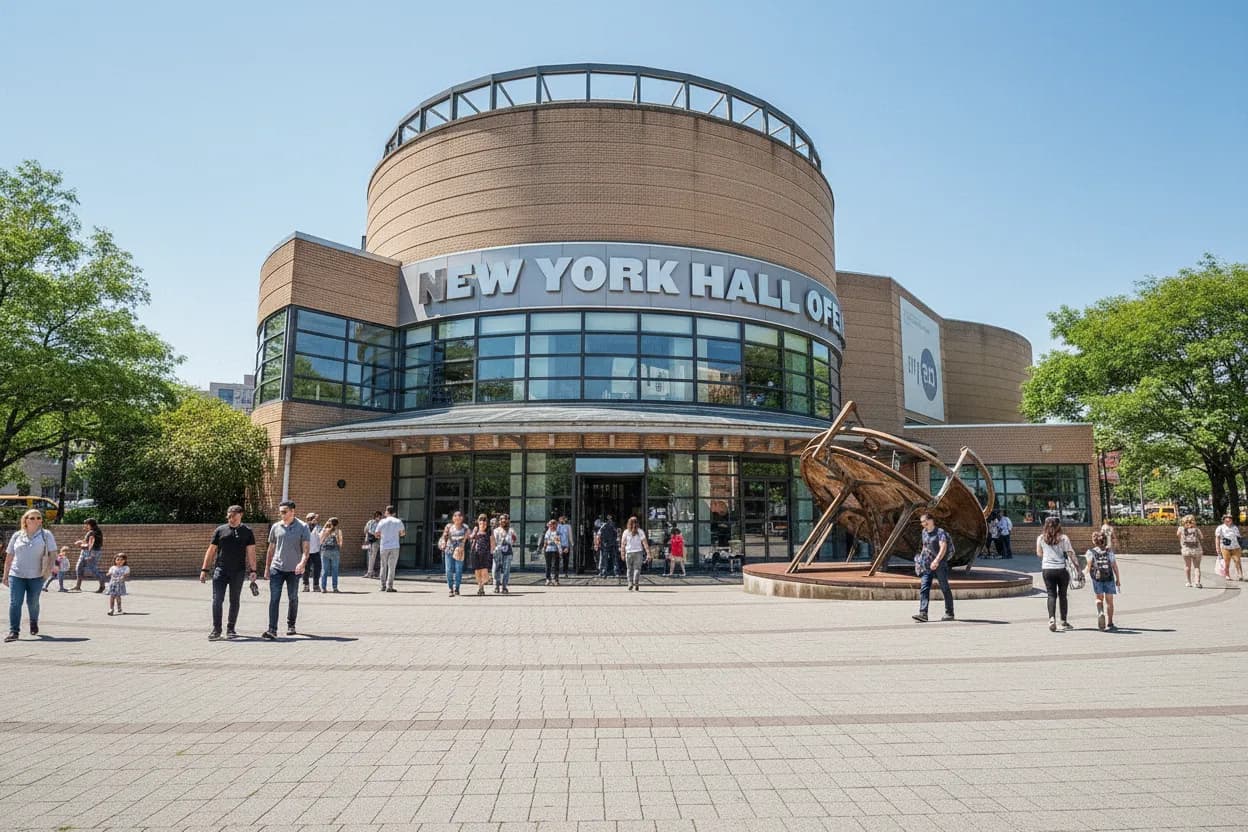
A New York Hall of Science visit can work for an autistic teen on a hot July day, but only if the plan treats noise as the main variable, not an afterthought. NYSCI is hands-on by design, with hundreds of exhibits, workshops, demonstrations, and add-on experiences, so the same features that make it rewarding can also raise the sensory load quickly. As of July 21, 2026, the strongest strategy is a late-morning arrival with tickets checked in advance, a short first circuit, a planned food or lobby reset, and a clear exit route before fatigue turns curiosity into refusal carefully.
Want a quieter Queens science plan built around heat, transit, food breaks, and sensory limits? Text Karpo with NYSCI, your teen’s triggers, and your arrival window.
Use NYSCI’s Saturday Sensory Sensitive Hour as the Best Entry Point
NYSCI lists a Sensory Sensitive Hour on Saturdays from 10 to 11 am, with dimmed sounds and light. For this specific family, that hour is the cleanest fit because it turns the museum’s first decision into a controlled start. Arrive before the doors open, keep the first goal modest, and avoid treating the hour as a promise that the whole building will stay calm. It is an entry buffer, not a full-day accommodation.
If Saturday is impossible, late morning still has a workable logic, but the risk rises. NYSCI’s general hours are posted as Tuesday through Sunday, 10 am to 5 pm, with last entry at 4 pm and some exhibits or experiences closing earlier. A weekday late-morning visit may dodge some weekend intensity, yet summer groups, camps, weather closures, and special programs can change the feel. Check the site before leaving, then build an exit point by lunch.
Start at the NYSCI Ticket Page Before Promising the Visit
For July 21 planning, the ticket page matters because admission, add-ons, free hours, and availability are not background details. NYSCI posts general admission at $22 for adults and $19 for children, students, and seniors, while NYSCI Plus includes exhibits plus activities such as the theater and Rocket Park Mini Golf, subject to availability. General admission excludes those add-ons. If the teen needs predictability, buy only what you can realistically use without rushing.
Friday Community Hours look useful because they are free from 2 to 5 pm, but they are not automatically the best sensory choice. NYSCI says reservations are required and can be made the day of the visit, with the visit page saying tickets start at 10 am and the FAQ saying Friday morning. The timing also pushes the visit into a warmer, later, potentially busier window. For this family, free is secondary to regulation, pacing, and a graceful exit.

Map the NYSCI Floor Like a Loop, Not a Checklist
NYSCI offers a downloadable museum map and describes itself as a hands-on science center with hundreds of exhibits and participatory activities. For an autistic teen, that should become a short loop: entrance, one anchor exhibit zone, one lower-demand stop, restrooms or cafe, then a decision point. Do not start with every must-see. A checklist creates pressure, and pressure is often what turns a good museum into an argument before the best exhibits are reached.
The practical sensory map is partly made on arrival. Watch for spaces with stacked sound, repeated announcements, crowd clusters, flashing screens, and bottlenecks around popular interactives. Choose exhibits where the teen can stand back first, then opt in. If a zone requires waiting in a dense group or competing for a tactile station, skip it early and return only if energy is stable. The win condition is sustained curiosity, not maximum coverage of the building.
Keep Rocket Park, Mini Golf, and the Playground Conditional in July Heat
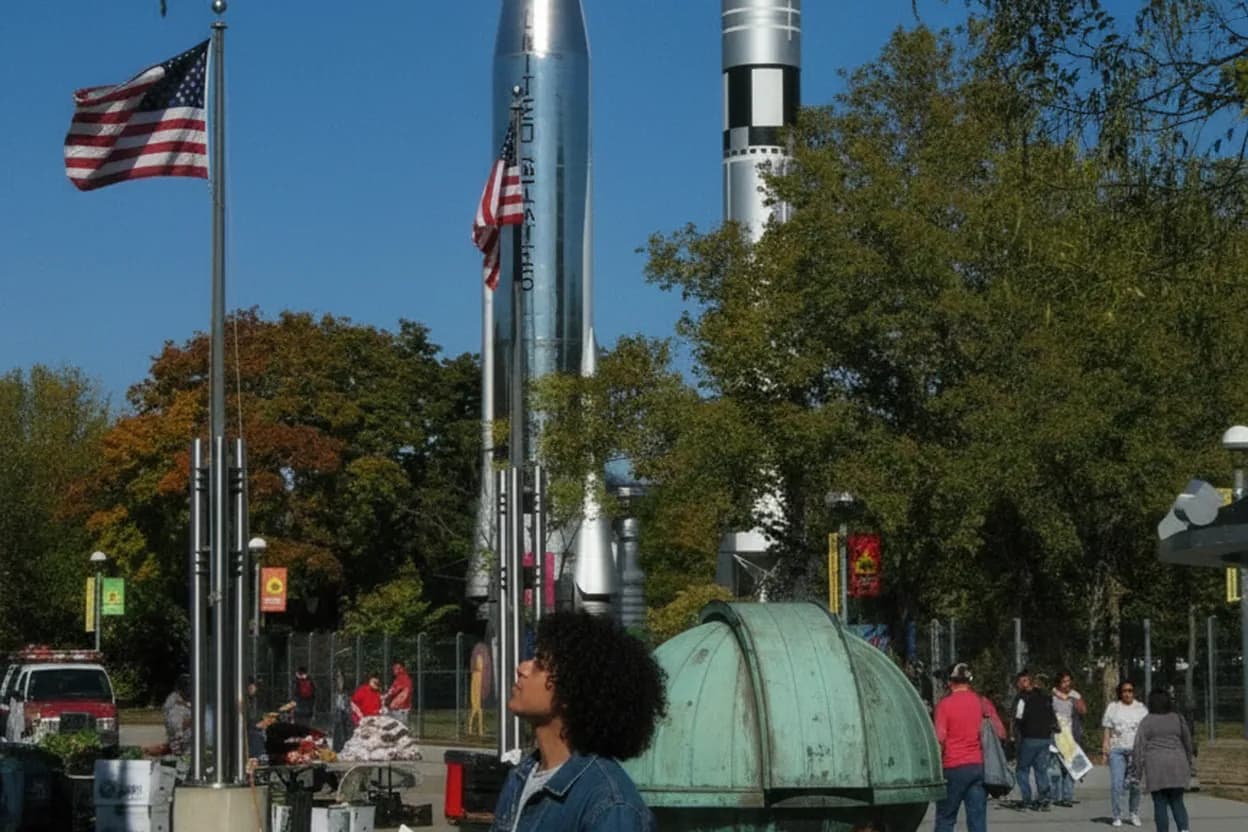
Rocket Park Mini Golf, the 2D/3D Theater, and the Science Playground are posted as add-on experiences, with general add-on pricing listed separately and NYSCI Plus bundling access subject to availability. On a hot July day, treat them as optional rewards, not core promises. Outdoor or timed attractions can be harder to abandon once named. If heat, glare, waiting, or noise are already high, the better move is to preserve energy indoors.
The Science Playground sounds tempting because NYC Parks describes it as a large sensory-education playground next to the Hall of Science, but that does not make it a low-sensory choice in summer. Outdoor play can mean heat exposure, bright surfaces, fast movement, and other children’s volume. If you use it, cap the time before entering, identify shade and water first, and leave while the teen still has reserve. A successful short stop beats a long recovery.
Use the NYSCI Cafe as a Reset, Not a Full Meal Bet
NYSCI says Butter Beans Kitchen operates the cafe with coffee, espresso, hot and cold options, weekly specials, and sweet, savory, and healthier snacks. That confirms a food buffer exists, but not a guaranteed safe meal for a selective eater. Outside food and beverages are not permitted in the cafe, so do not rely on unpacking a preferred meal there. Pack water for the trip, verify food rules on arrival, and keep the cafe plan flexible.
For sensory pacing, the cafe is most useful as a reset checkpoint: sit, lower speech demands, review the next choice, and decide whether to continue. If the cafe is crowded or smells are difficult, use it only for a quick purchase and move to a calmer approved area. The adult’s job is to protect the reset from becoming a negotiation about one more exhibit. After food, ask for a binary choice: one more zone or exit.
Choose 111th Street Transit Only With a Heat Buffer
NYSCI lists its address as 47-01 111th Street in Corona and says public transit options include the 7 train to 111th Street, Q23 or Q58 buses to Corona Avenue and 108th Street, and the Q48 bus to 111th Street and Roosevelt Avenue. That makes transit feasible, but July heat changes the math. The elevated-train walk can feel longer when the teen is already bracing for the museum. Check MTA service before committing.
Driving may reduce the arrival load, but it has its own uncertainty. NYSCI says parking is available in its private lot except during the U.S. Open, with posted car and group-vehicle fees, and notes prices can change during events and community festivals. The current entrance is from 46th Avenue and 111th Street. If the day includes a stadium event, park programming, or road detours, transit plus a rideshare backup may be calmer than circling.
Make Queens Museum the Nearby Backup, Not the Second Main Event
Queens Museum is close enough to function as a backup, but not as a same-day obligation. Its visit page lists pay-what-you-wish admission, suggested prices of $8 for adults and $6 for seniors or students, free admission for children 12 and under, and free admission for caregivers accompanying a visitor with a disability. Hours are generally Wednesday through Friday noon to 5 pm and Saturday to Sunday 11 am to 5 pm, with Monday and Tuesday closed.
The backup logic is simple: use Queens Museum only if NYSCI fails early and the teen still wants a quieter cultural stop, not if everyone is already depleted. Queens Museum warns that summer events across Flushing Meadows Corona Park can limit parking and advises checking MTA updates, with about a 15-minute walk from either Mets-Willets Point or 111th Street. Before leaving home, verify NYSCI hours, sensory hour status, ticket availability, weather, transit, parking, and current closures.
Tags: #NewYorkHallOfScience #NYSCI #QueensNYC #CoronaQueens #FlushingMeadowsCoronaPark #QueensMuseum #AutismTravel #SensoryFriendly #MuseumPlanning #FamilyNYC #AccessibleNYC #HotDayPlan #AskKarpo #BeforeYouGo
Sources consulted: Source 1: nysci.org · Source 2: tickets.nysci.org · Source 3: nycgovparks.org · Source 4: queensmuseum.org
All trademarks are the property of their respective owners.
Ask Karpo first
Tell Karpo your date, group size, budget, and starting neighborhood. We’ll check current access, timing, transit, and the cleanest plan for New York Hall of Science before you head out.