Los Angeles runs an enormous volume of professional events, and a dispiriting share of them are not what they appear to be. The format is familiar: a ticketed evening mixer, a vague industry description, a venue that is somebody's coworking space, and a room full of people who are all there to sell to each other. Nobody hires anyone, nobody learns anything, and everybody leaves with a stack of cards. Meanwhile the events that genuinely matter — where the room contains people who actually do the work — are often free, badly publicised, and attached to an organisation rather than to a ticketing platform. Telling the two apart before you spend an evening is a learnable skill.
Karpo can check what professional events are on in Los Angeles this week, who is actually organising them, and whether the format is worth your evening.
The warning signs, in order of reliability
Four signals reliably indicate a sales funnel rather than a professional gathering. The event has no named speakers or, worse, speakers whose titles are all founder and coach. The description promises connections rather than a subject. The ticket price is meaningful but the venue and catering obviously are not. And the organiser's other events are the same event with a different city name.
The single strongest positive signal is the opposite: a specific topic. An evening about a particular problem — a technical talk, a screening with a Q&A, a panel on a specific piece of industry change — attracts people who care about that problem. An evening about networking attracts people who want to sell networking.
The formats that actually work in this city
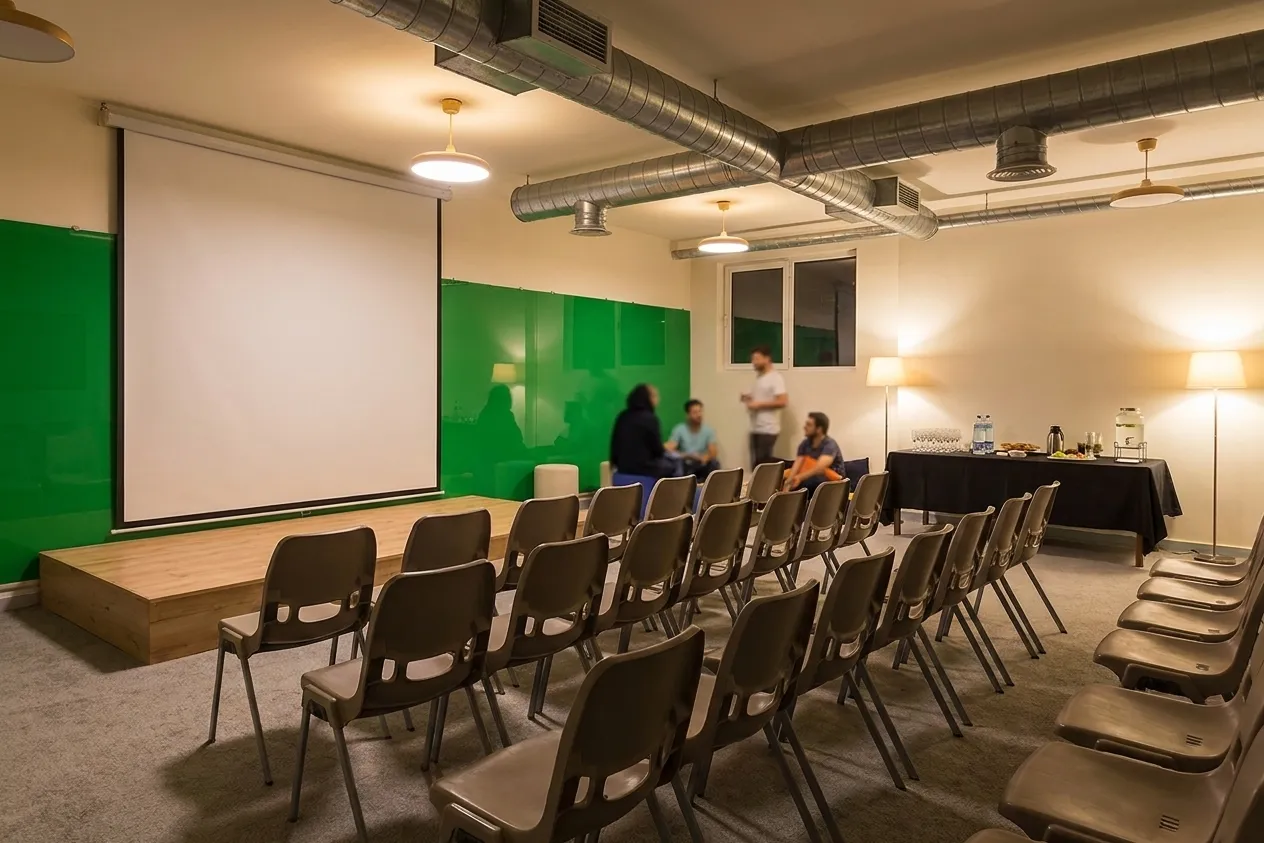
Three formats consistently produce useful evenings in Los Angeles. Screenings and demo nights, where something is shown and then discussed, because they give everyone a subject to talk about other than themselves. Organisation-run events — professional guilds, technical user groups, alumni associations — because membership filters the room. And small, recurring, unglamorous meetups with the same forty people every month, which are where actual relationships form.
The last category is the one people skip because it is not exciting. It is also the only one that works cumulatively. Attending the same meetup six times is worth more than attending six different mixers, by a very wide margin.

Where they happen, and why that matters
The geography follows the industries. Entertainment and production events cluster on the Westside, in Hollywood and increasingly downtown and in Culver City. Technology and startup events sit in Santa Monica, Venice and the Arts District. Design and creative-industry events skew to the Eastside. Trade and logistics events happen near the port and in the Valley, and are almost entirely invisible to anyone who is not in those industries.
This matters because of the drive. An event that is genuinely useful but ninety minutes away in evening traffic will be attended once. Prioritising the good-enough event on your own side of town over the excellent one across the city is usually the correct call, because attendance over time is what actually produces value.
Check who is speaking rather than who is hosting. A well-known venue or organiser tells you very little; a named speaker who actually does the work tells you a great deal, and their presence usually means others like them will be in the room. If an event lists no speakers at all a week before it happens, that is generally the whole answer.
Free is often the better signal
In Los Angeles specifically, price correlates weakly with quality for professional events and sometimes inversely. Events run by companies for recruitment or profile, by professional bodies for their members, or by venues to build a community are frequently free and frequently excellent. Events whose business model is the ticket are the ones to look at hardest.
Where a ticket is charged legitimately, it usually pays for something visible — a real venue, a real meal, a speaker who travelled. If you cannot see where the money went once you are in the room, that is the answer.
How to behave once you are there
The practical advice is dull and effective. Arrive early, when the room is small enough to talk in and the organiser has time to introduce you to people. Talk to fewer people for longer rather than more people briefly. Ask what someone is working on rather than what they do, which produces a conversation instead of a job title. And leave before it thins out.
Do not collect cards. Follow up with two or three people the next morning with something specific from the conversation. A single well-remembered exchange is worth more than twenty contacts, and in an industry town like this one, being remembered as a good conversation is the entire mechanism.
Building it into a routine
The people who benefit from this in Los Angeles treat it as a monthly habit rather than a burst of activity when they need something. One recurring event, attended consistently, in a district they can reach easily, produces more over a year than any amount of concentrated effort during a job search.
It also means you are not networking from a position of need, which is both more pleasant and considerably more effective. The room can always tell. Turning up regularly when you do not need anything is what makes the room useful when you do.
One last consideration specific to this city: a great deal of Los Angeles professional life runs on introductions rather than events, and the most effective version of networking here is often asking someone you already know to introduce you to one person. Events are useful for meeting the people who will later make those introductions, which is a slower and more realistic model than expecting a room to produce an opportunity directly. Treat an evening as an investment in six months' time rather than as a transaction.
Tags: #LAEvents #Networking #EventsNearMe #LosAngeles #Meetups #CreativeIndustry #Startups #CulverCity #ArtsDistrict #SantaMonica #ProfessionalDevelopment #ThingsToDo #Community #CityLiving
Please drink responsibly. Must be of legal drinking age.
All trademarks are the property of their respective owners.
Ask Karpo first
Want to know which Los Angeles professional events this week are worth the evening, who is running them, and whether the room is the right one? Ask Karpo before you buy a ticket.